



 English
 Español
 عربى
عربىContent
- 1 Why the Right Business Backpack Matters
- 2 Core Features to Look For in a Business Backpack
- 3 Material Matters: Choosing the Right Fabric and Build
- 4 Waterproofing and Weather Resistance: A Non-Negotiable?
- 5 Style vs. Professionalism: Matching the Backpack to Your Workplace
- 6 Frequently Asked Questions About Business Backpacks
- 7 Conclusion: Make a Smart Investment in Your Daily Carry
Why the Right Business Backpack Matters
A sales manager rushes into a client meeting, pulls a crumpled laptop bag from a worn canvas backpack, and wastes five minutes untangling a charger before the presentation begins. That small daily friction adds up—lost time, damaged devices, and a professional image that never quite lands. Selecting a dedicated business backpack is not about chasing trends; it is about removing the preventable obstacles that erode productivity and posture throughout a workday.
When a backpack is engineered for business, every pocket and padded panel reduces decision fatigue. You reach for a pen, and it is exactly where you expect it. You open the main compartment, and a 180-degree clamshell access exposes your files without digging. Studies on daily carry habits, further explored in our article on how business backpacks improve daily organization, confirm that structured compartments can cut commute search time by a measurable margin. Meanwhile, a backpack that distributes weight evenly across padded shoulder straps and a sternum strap helps avoid the neck and shoulder strain common with one-shoulder messenger bags.
The investment is pragmatic. Unlike a generic daypack, a purpose-built business backpack shields a laptop with a suspended, high-density foam compartment, resists light rain with coated fabrics, and keeps its shape even when half-empty—preserving a clean silhouette that works from subway to boardroom. When your daily load includes a 15.6-inch notebook, documents, a mouse, a power bank, and perhaps a change of shoes for the gym, the right backpack turns a chaotic haul into a streamlined system.
Core Features to Look For in a Business Backpack
Not all features matter equally. The ones that define whether a backpack survives years of daily use boil down to device protection, smart organization, and real commuting convenience. Our detailed breakdown of essential features of a good business backpack covers more ground, but here we will focus on what you will notice every single day.
Laptop Compartment and Device Protection
The first question is simple: does the backpack cradle your computer? A quality business backpack separates the laptop with a dedicated, padded sleeve that sits against the back panel. This alignment keeps the heaviest item close to your spine, improving balance and reducing leverage on the shoulders. The sleeve should use shock-absorbing foam—typically EVA or high-density PE foam at least 8 mm thick—and be slightly wider than the laptop to leave an air buffer at the edges. A false bottom is non-negotiable: the padded compartment should stop 2–3 cm above the bottom of the bag, so if you drop the pack, the laptop never hits the floor directly.
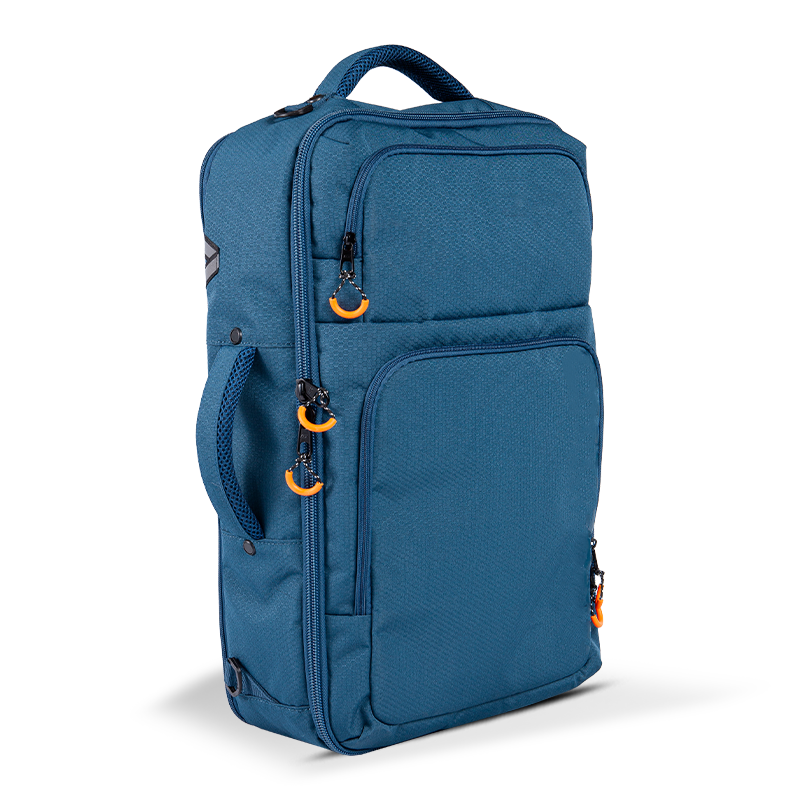
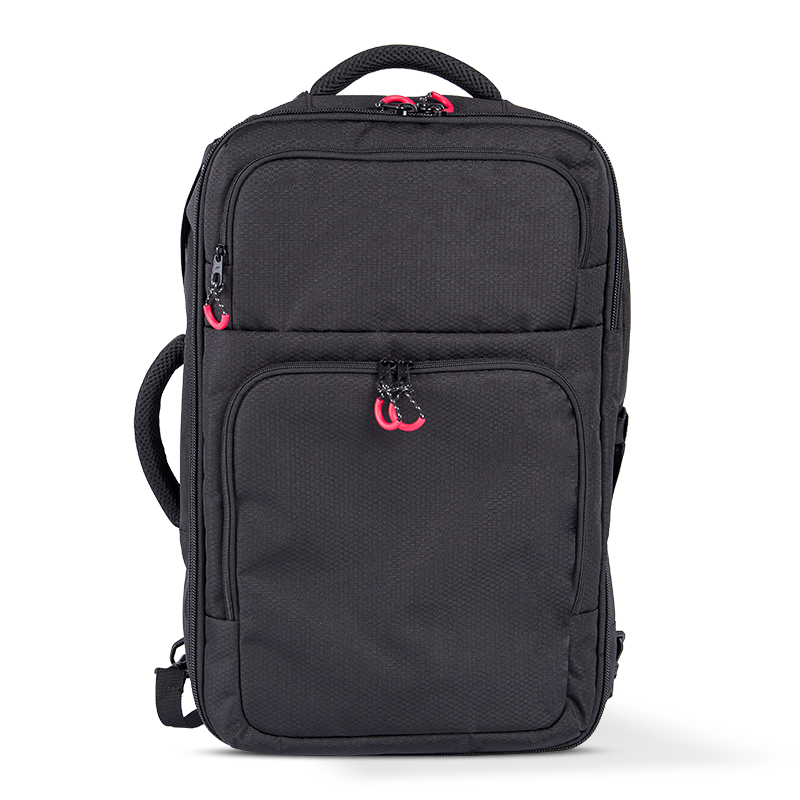
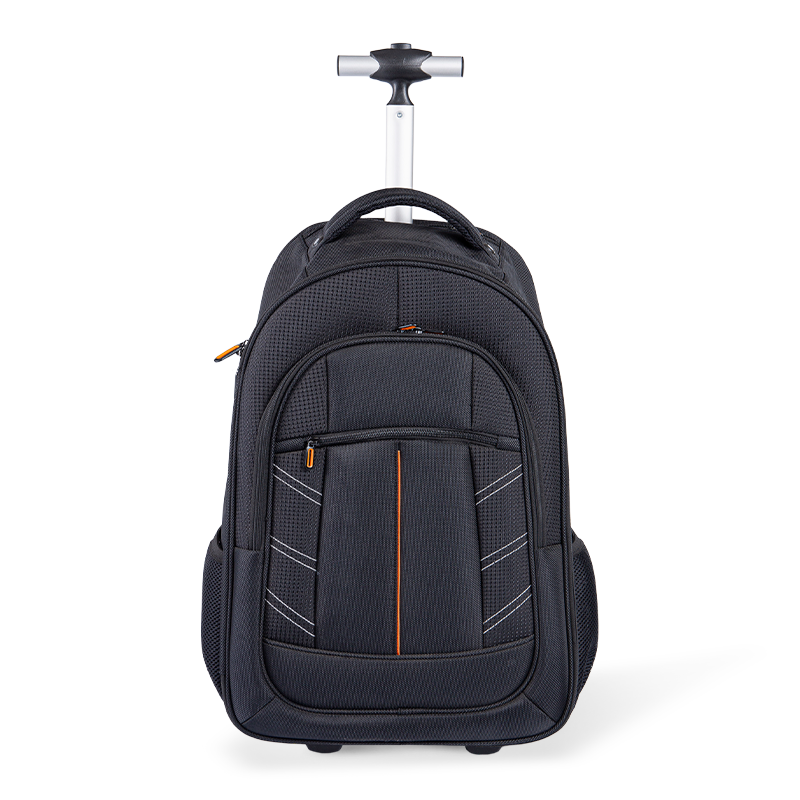
Look for a compartment that explicitly states it fits a 15.6-inch laptop, the most common business machine size. A backpack without a suspended sleeve or with an unpadded tablet section will transfer every vibration from the metro floor to your hard drive. For a practical example of full protection combined with tech-forward thinking, a waterproof business laptop backpack with USB port wraps a padded compartment inside a water-resistant shell while allowing you to charge through an external USB port—a detail that removes the scramble for wall outlets in airport lounges.
Organizational Pockets and Accessibility
A backpack that opens only from the top turns into a dark well where small items vanish. Better designs use a wide clamshell or semi-clamshell opening, letting you lay the bag flat on a desk or hotel bed. Inside, a bank of slip pockets and elastic webbing loops hold a mouse, a power brick, a USB drive, and a business card holder in fixed positions. The main compartment itself should have enough squared-off volume to accommodate a slim file folder without bending corners.
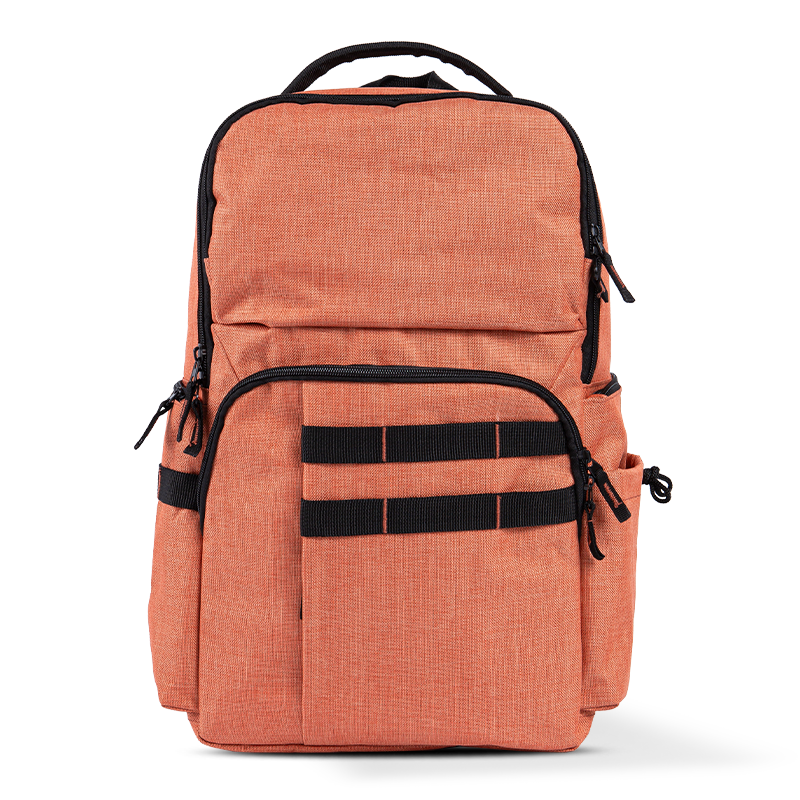
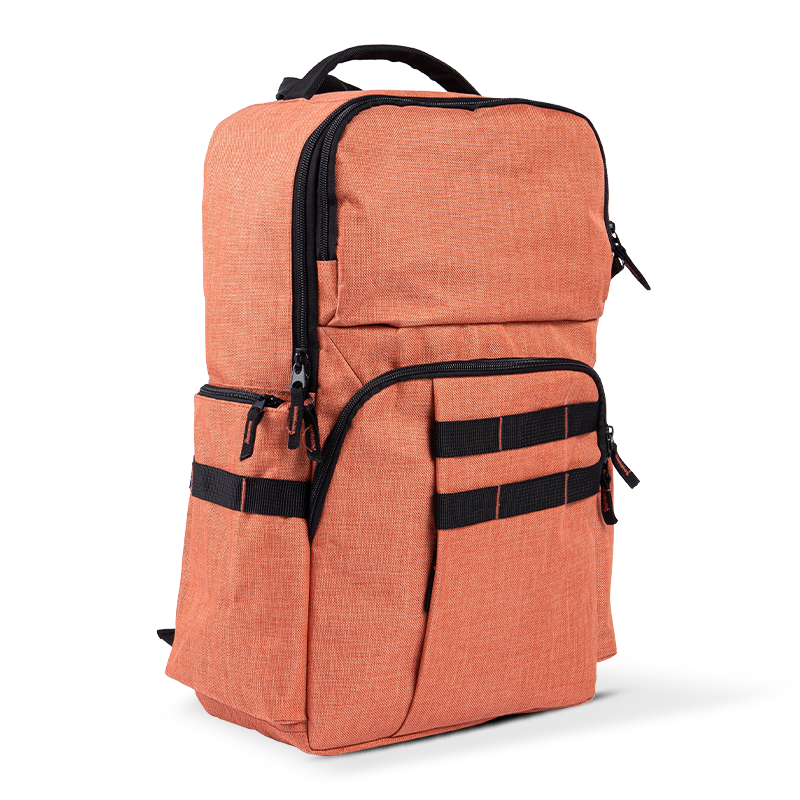
Front quick-access pockets matter just as much. A vertical magnetic or zippered pocket for a phone, keys, and security badge keeps those items reachable without removing the backpack. Side pockets should stretch or zip to hold a water bottle or compact umbrella, and they must be deep enough that a 500 ml bottle does not tip out when you lean forward on a crowded train.
Trolley Sleeve and Commuting Convenience
Anyone who catches a flight at least once a quarter knows the frustration of a backpack sliding off a rolling luggage handle. A reinforced luggage pass-through—a wide fabric panel on the back that slips over the extended handle of a carry-on—solves this. The trolley sleeve should be stitched horizontally and vertically to bear the weight of a fully loaded bag without tearing, and it should sit centered to keep the combined load stable. If you often travel with a suitcase, this single feature eliminates the need to juggle a pack on one shoulder while navigating a terminal.
Material Matters: Choosing the Right Fabric and Build
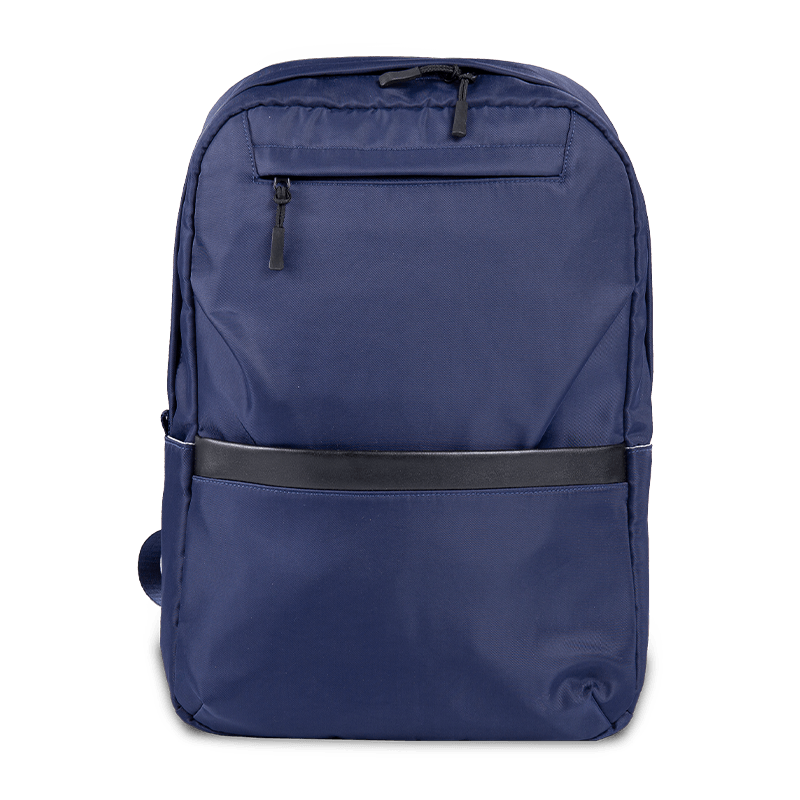
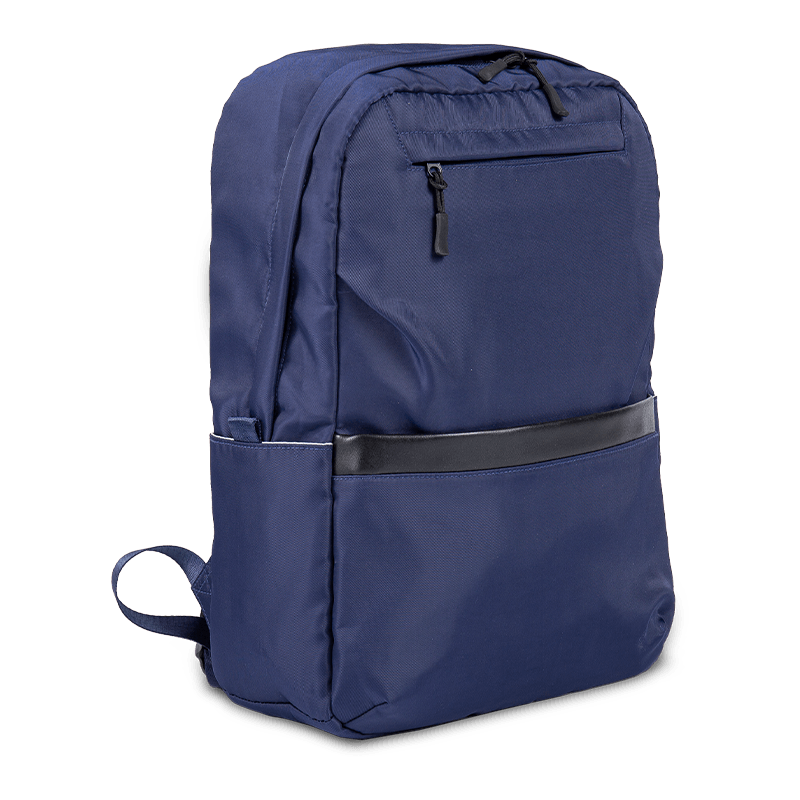
Business backpacks must walk a line between boardroom polish and transit toughness. The fabric determines both, and your choice should reflect your daily environment. A walk across a snowy parking lot? Nylon. A desk-to-desk lifestyle with occasional drizzle? Polyester or coated canvas. A C-suite presentation where texture matters? PU leather with a structured frame. The table below gives a side-by-side comparison of the most common materials. For an example of how these choices come together in a clean, commuter-friendly package, the minimalist commuter backpack uses dense polyester with a water-repellent finish to achieve a smooth, low-profile look that hides light scuffs.
| Material | Water Resistance | Abrasion Durability | Weight | Look & Suitability |
|---|---|---|---|---|
| High-denier nylon (e.g., 840D) | Very good (with coating) | Excellent | Light | Technical, crisp; good for frequent travel and mixed weather |
| Polyester (600D–900D) | Good (PU coating common) | Very good | Medium-light | Smooth, matte; versatile for most office settings |
| Waxed canvas / cotton twill | Moderate (wax finish) | Good | Heavy | Vintage rugged; best for creative or casual business environments |
| PU leather (synthetic) | Very good | Moderate (prone to peeling over time) | Medium | Polished, high-end; ideal for formal settings but less durable long term |
Beyond fabric, pay attention to the thread quality and the stitching density. Double-stitched seams with bonded nylon thread resist unraveling much longer than single-line lock stitches. Zippers should be from reputable slider manufacturers with self-healing coil designs, and metal pulls wrapped in a silent, non-scratch coating keep noise down in quiet offices. The back panel and shoulder straps benefit from breathable mesh over EVA foam, which cushions without trapping heat on a summer commute.
Waterproofing and Weather Resistance: A Non-Negotiable?
In most cities, a sudden downpour can strike between the train station and the office. A backpack that soaks through in ten minutes can ruin a client-facing laptop. Our dedicated article on why waterproofing matters in a business backpack examines the engineering in detail, but the key takeaway is practical: look for a clear distinction between water-repellent and truly waterproof.
A fabric with a durable water repellent (DWR) coating causes water to bead and roll off the surface, but sustained pressure or worn-off coating will let moisture in. That level suffices for a five-minute walk in light rain. A fully waterproof build requires taped seams, waterproof zippers with rubberized gaskets, and a fabric membrane that blocks water entry even under a heavy pour. For most business users, a well-executed water-repellent finish with a covered zipper flap is the pragmatic sweet spot—it keeps gear dry during a typical commute without adding the stiffness and weight of a full waterproof membrane.
Inspect the zipper construction. Standard coil zippers without storm flaps let water seep straight through the teeth. A flap that covers the zipper track, or reverse-coil zippers that hide the teeth behind a protective lip, make a noticeable difference. The bottom of the backpack should have a thicker, coated panel because setting the bag down on wet pavement is a common source of water entry that many buyers overlook.
Style vs. Professionalism: Matching the Backpack to Your Workplace
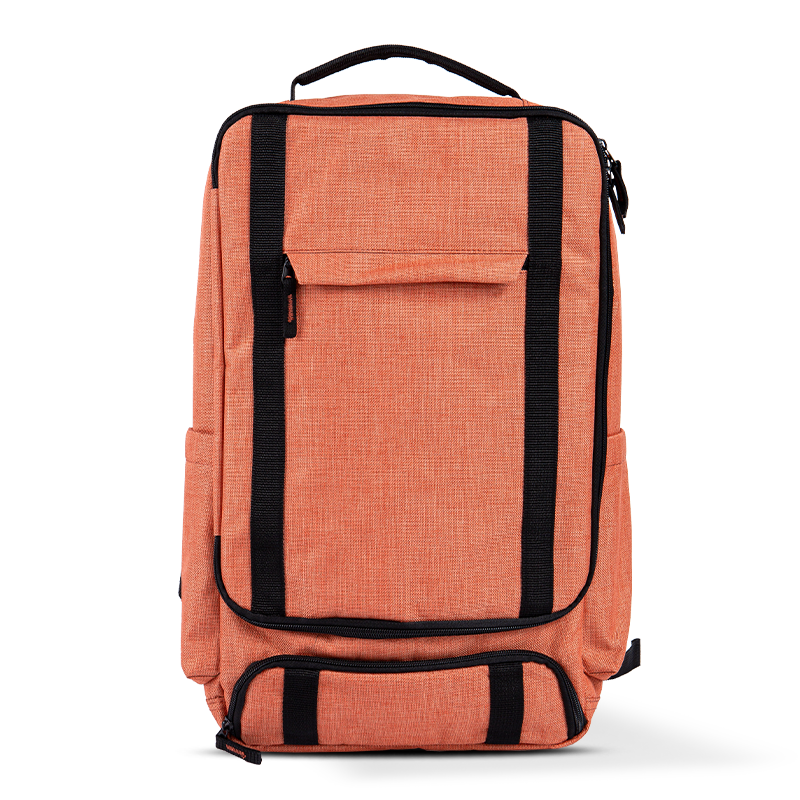
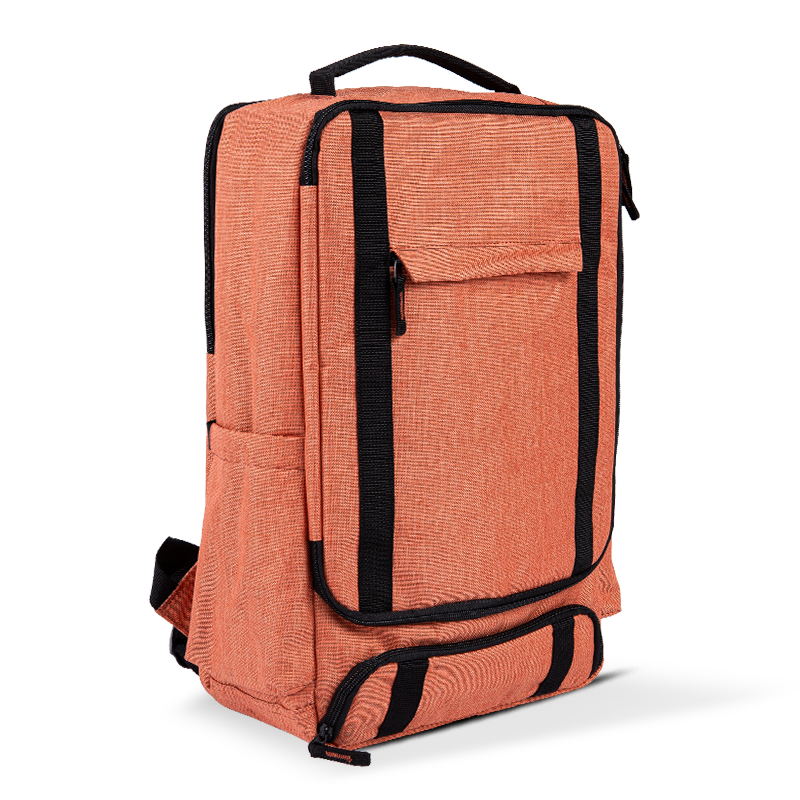
A backpack can check every functional box and still look too casual if the silhouette, color, and hardware are wrong. The principle is straightforward: structured shapes read as professional, unstructured ones read as student. A backpack that stands upright on its own, with a reinforced base and a rigid back panel, signals intention. Conversely, a floppy pack slouching in a corner undermines even a well-tailored suit.
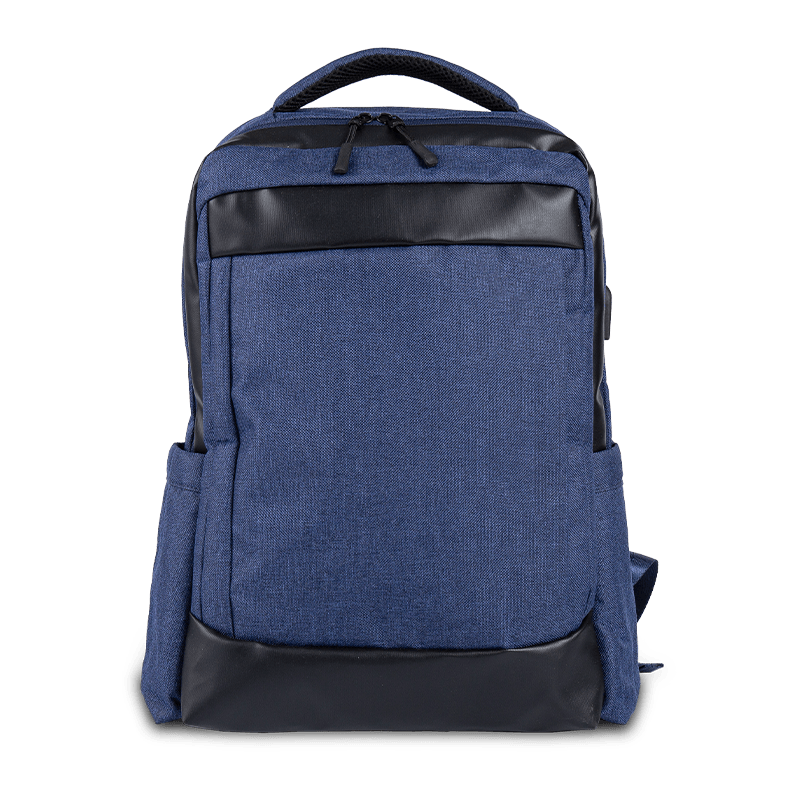
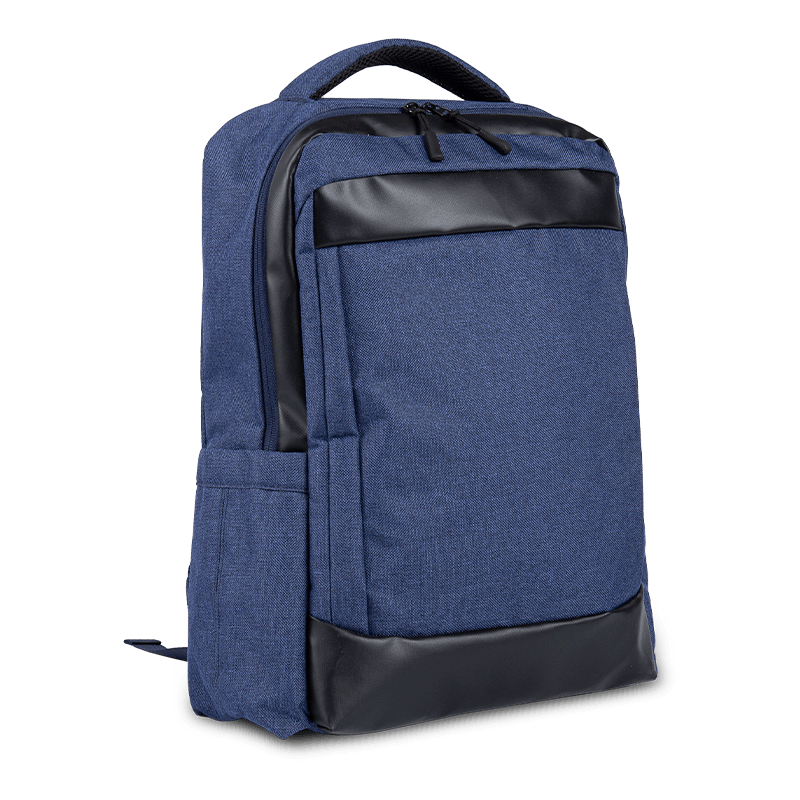
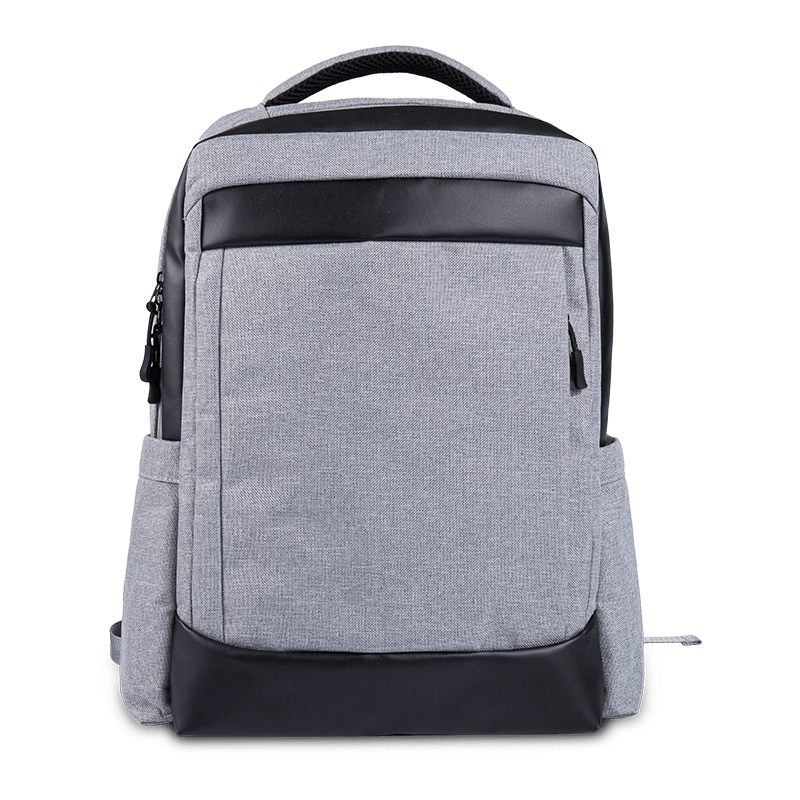
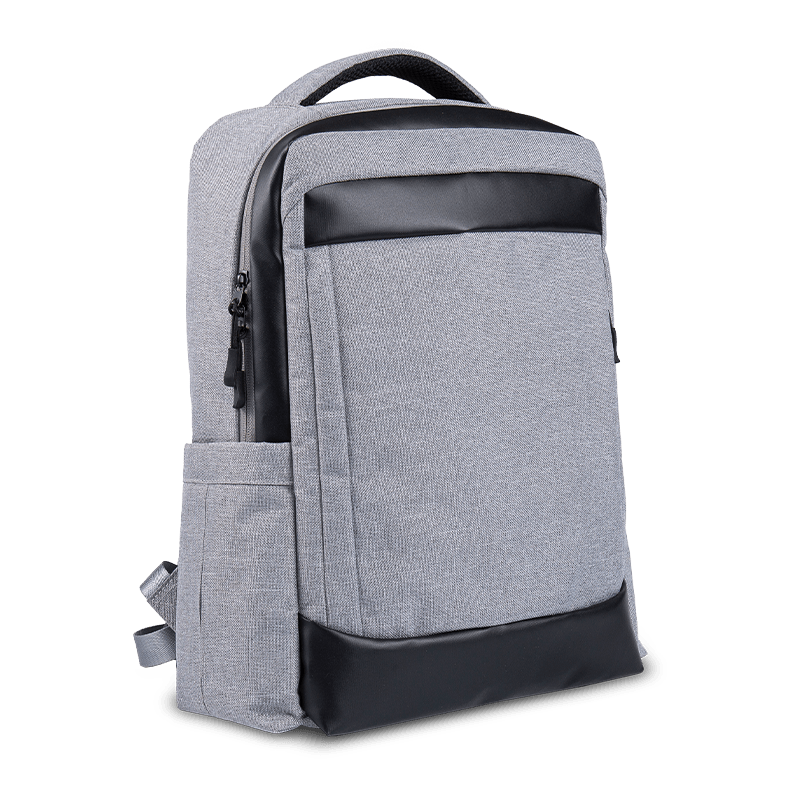
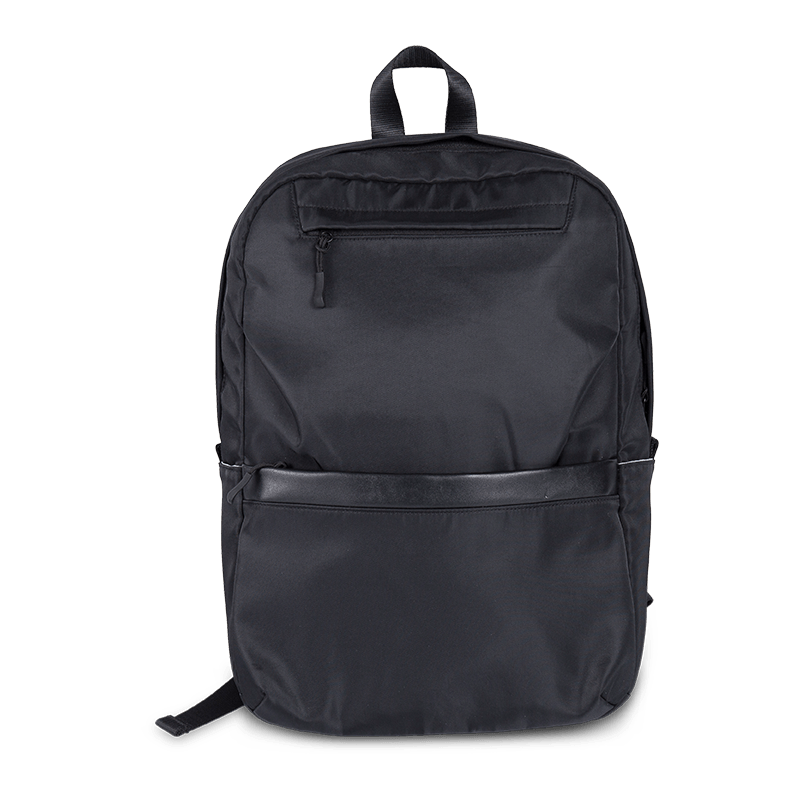
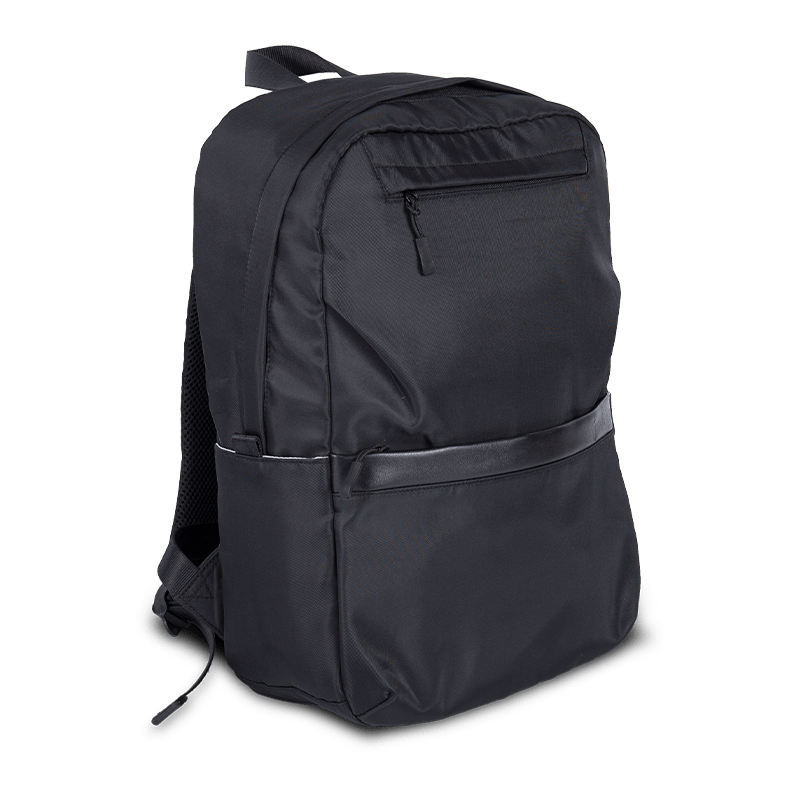
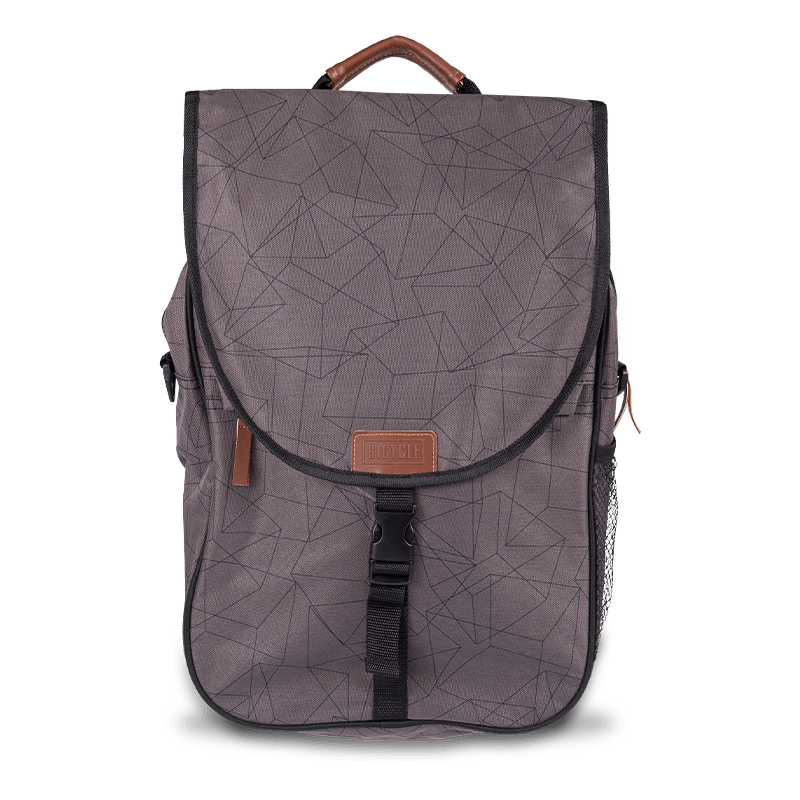
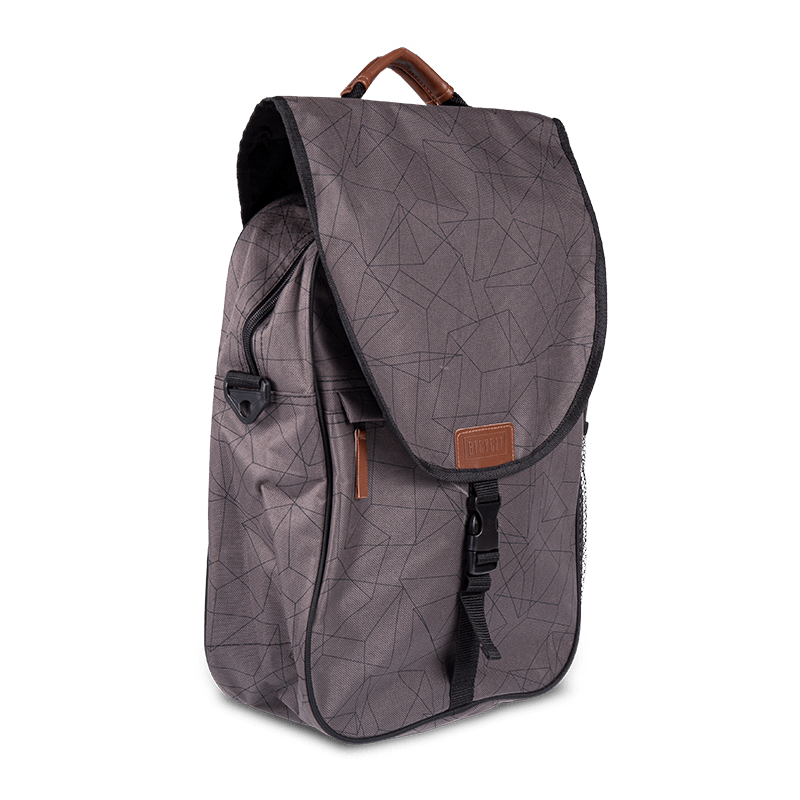
Stick to dark neutrals—black, charcoal, navy—because they hide scuffs and pair with any outfit. Avoid bright accent colors and bulging external mesh pockets; they belong on hiking gear, not in a law firm. Matte metal hardware, whether gunmetal or black matte zipper pulls, looks cleaner than shiny chrome. A good example of this refined approach is the waterproof business laptop backpack with USB port, which combines a solid black shell with minimal branding and a slim profile that slides easily under an airplane seat or conference table.
The style decision also depends on your industry. In finance or legal, pure black polyester with a simple, unadorned front panel is the safest choice. In tech or design, a slightly softer shape in charcoal with subtle texture can show personality without looking sloppy. Regardless of field, a backpack that holds its rectangular form when empty communicates care—exactly the signal you want before opening your mouth.
Frequently Asked Questions About Business Backpacks
Can a business backpack double as a weekend travel bag? Many designs with a clamshell opening and compression straps work well for a one- or two-night trip, as long as you can pack a spare pair of clothes and a toiletry kit alongside your work gear. Choose a size around 25–30 liters to stay carry-on compliant without looking bulky on weekdays.
Will it fit a 17-inch laptop? Most standard business backpacks accommodate up to a 15.6-inch laptop. If you carry a larger machine, check the exact internal compartment dimensions in the product specifications, and ensure the padded sleeve lists laptop size compatibility rather than generic “large laptop” claims. Our collection pages provide millimeter-accurate interior sizing for each model.
How do I clean a business backpack without damaging the coating? Start by emptying every pocket and shaking out debris. Use a soft brush or microfiber cloth with lukewarm water and a mild, bleach-free detergent to gently clean the surface. Never machine wash a water-resistant backpack, as the agitation and heat can strip the DWR coating. For more in-depth care steps, refer to the maintenance advice in our article on why waterproofing matters in a business backpack, which covers reapplication of repellent coatings.
Conclusion: Make a Smart Investment in Your Daily Carry
A business backpack is not an accessory you replace every season—it is a tool that supports your spine, guards your technology, and quietly shapes first impressions. The purchasing decision boils down to three non-negotiable criteria: a suspended, padded laptop compartment that fits your device, a fabric and coating matched to your average commute weather, and an internal layout that mirrors how you actually work rather than how you wish you worked.
When you evaluate options, hold each candidate by the top handle and look at its silhouette. Does it collapse or stand? Unzip it fully and imagine reaching for a pen mid-stride. If the path feels indirect, the backpack has failed its most basic test. The right bag removes friction, and that changes how calmly you move through the day. To see how these principles translate into actual products built with these priorities, browse our collection of business backpacks and match your daily load to a specific model engineered for it.