




 English
 Español
 عربى
عربىContent
Airline Size Rules: The Non-Negotiable Starting Point
Before you spend a dollar on carry-on luggage, check the dimensions. Most major U.S. carriers cap carry-on bags at 22 × 14 × 9 inches (56 × 36 × 23 cm), while international routes typically add a weight limit of 15–22 lbs (7–10 kg). Miss either measurement and you're paying to check a bag you already own.
The safest approach: treat 22 × 14 × 9 as your maximum outer dimension, not your target. Many overhead bins run smaller than the official spec, especially on regional jets and budget carriers. A bag that clears the published limit by a half-inch may still get gate-checked on a full flight. For a current breakdown across 64 airlines, this airline carry-on size chart is worth bookmarking before every trip.
Hard Shell vs. Soft Shell: Which One Fits Your Trip?
The shell material shapes almost every other characteristic — weight, flex, security, and how the bag ages.
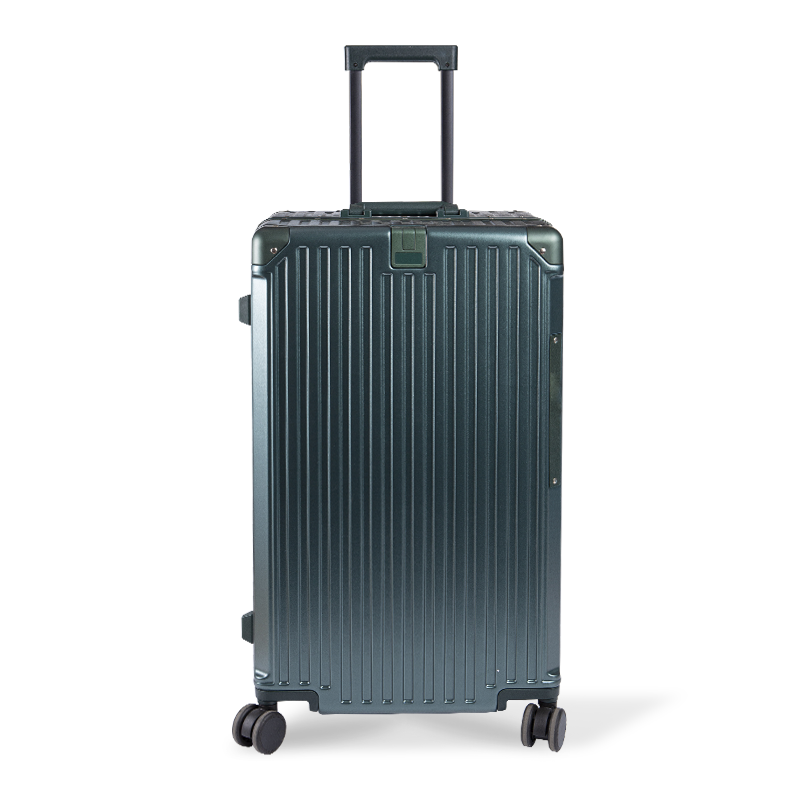
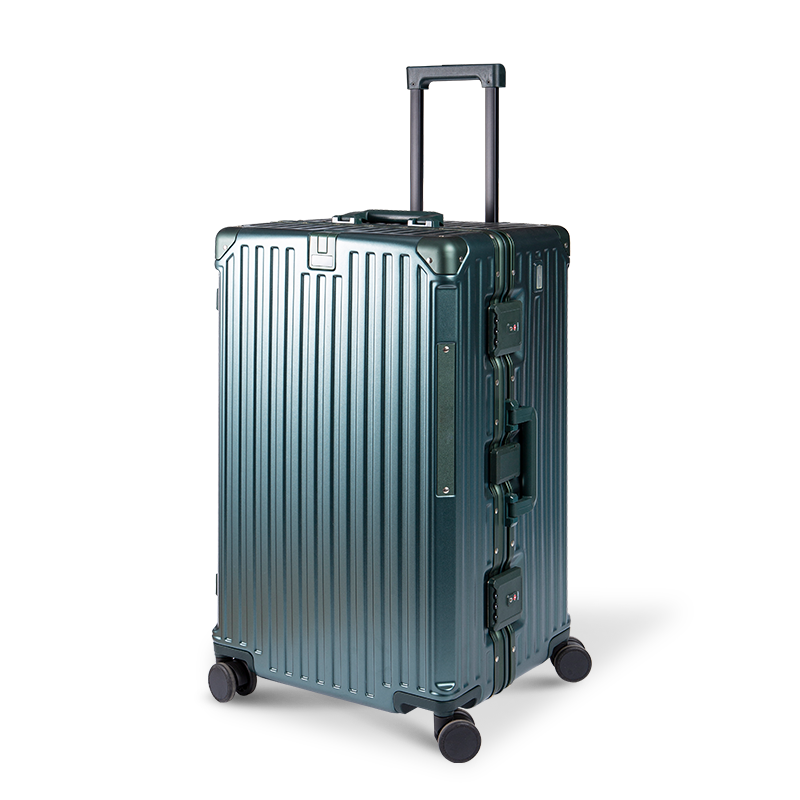
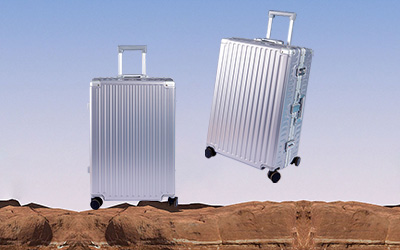
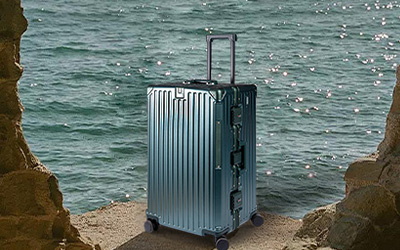
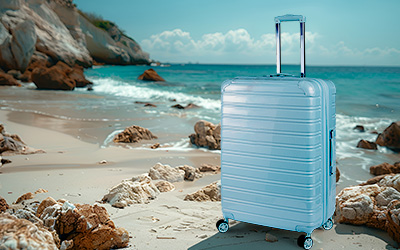
Hard shell (polycarbonate or ABS/PC) resists punctures and keeps its shape under pressure from overhead bins. It's the better call for travelers carrying fragile electronics, glass items, or anything that can't be compressed. The trade-off is that hard shell cases don't flex to squeeze into a tight compartment, and they typically weigh slightly more. Browse hard-shell carry-on suitcases if protection is your priority.
Soft shell (Oxford cloth, nylon, or high-density waterproof fabric) weighs less, compresses slightly when overpacked, and usually offers exterior pockets for quick access. It's a practical pick for road trips, frequent domestic hops, and travelers who pack bulky items like shoes or sweaters. Soft-shell carry-on luggage also tends to absorb minor impacts without scratching, which keeps it looking presentable longer.
For most business travelers doing three-to-five day trips, a lightweight hard shell hits the sweet spot: structured enough to protect a laptop and dress shirts, compact enough to clear overhead bin restrictions.
Interior Design: Where Packing Efficiency Is Won or Lost
A carry-on that looks identical from the outside can perform very differently depending on how the interior is laid out. An open clamshell with two simple dividers forces you to stack everything in one pile. A well-engineered interior — with a padded laptop sleeve, compression straps, mesh divider, and a quick-access toiletry zone — turns a 20-inch bag into a genuinely organized travel system.
Compression straps are underrated. They hold clothes flat during transit, which means fewer wrinkles and less shifting when you're moving through security. Detachable dividers let you reconfigure the space depending on trip length. For business travelers, a dedicated padded sleeve that fits a 15-inch laptop near the back panel also doubles as a structural frame — the laptop adds rigidity and protects the bag's shape.
Our range of compact carry-on travel bags prioritizes exactly this kind of purposeful interior architecture. On the accessory side, pairing your suitcase with dedicated travel organizer pouches cuts packing time further — cables, toiletries, and documents each get their own container, and security checks move faster when everything is pre-sorted.
One detail worth checking: does the bag have a transparent or easy-access pocket for liquids? TSA rules require liquids to be removed at the checkpoint, and a buried toiletry bag adds time and frustration. Some models now include a side-zip pocket specifically for this purpose.
Wheels and Handles: The Details That Define Day-to-Day Use
Rolling a suitcase through a crowded airport for 20 minutes will tell you more about wheel quality than any product description. Here's what separates good hardware from great hardware.
- Spinner wheels (360°): Four-wheel spinners let the bag roll alongside you without pulling your arm — the standard for carry-on suitcases. Look for double-spinner wheels, which use two smaller wheels per housing for better stability on uneven surfaces like cobblestones or tarmac.
- Quiet vs. loud wheels: Noise matters in hotel corridors at midnight. Quality polyurethane wheels roll quietly on hard floors; cheap plastic alternatives create that distinctive airport clatter. Some models now use rubber-coated wheels for extra silence.
- Telescoping handle: A multi-stop handle with at least two or three height settings accommodates different users and paces. Check that the handle locks firmly at each position — a handle that wobbles under a slight load will frustrate you within the first hour.
Five-wheel designs (adding a central front wheel) are a newer feature available on some of our trolley models — they improve stability when standing upright on inclines, preventing that slow lean-and-tip you often see with standard four-wheel bags.
When a Compact Travel Bag Works Better Than a Suitcase
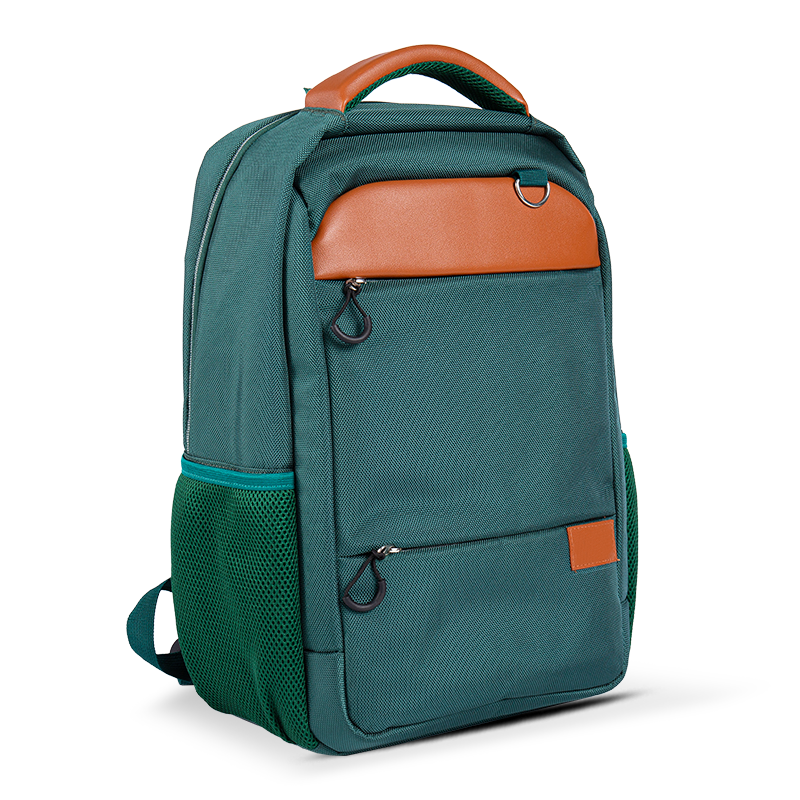
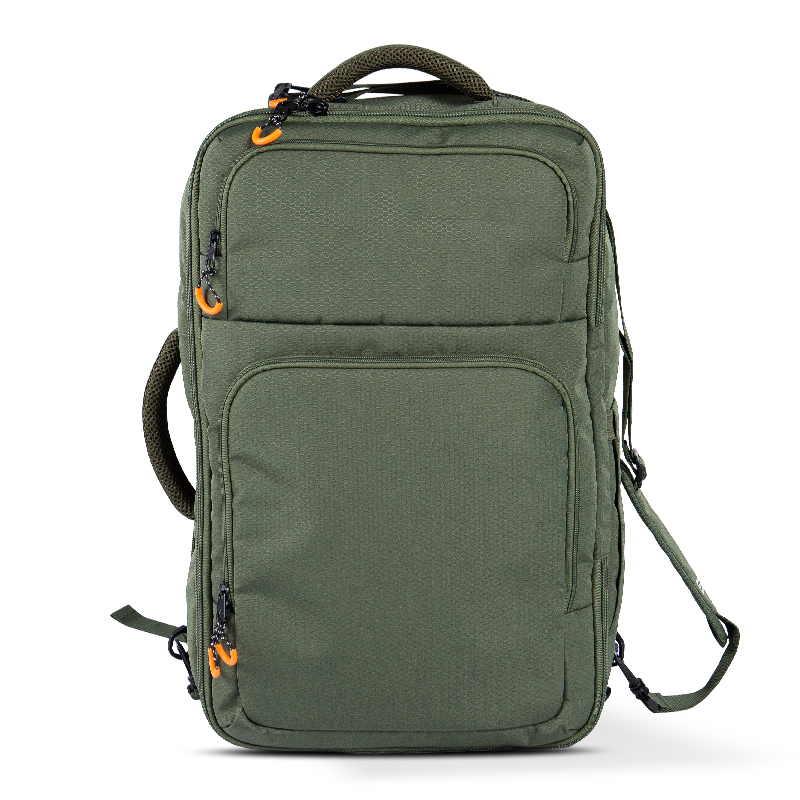
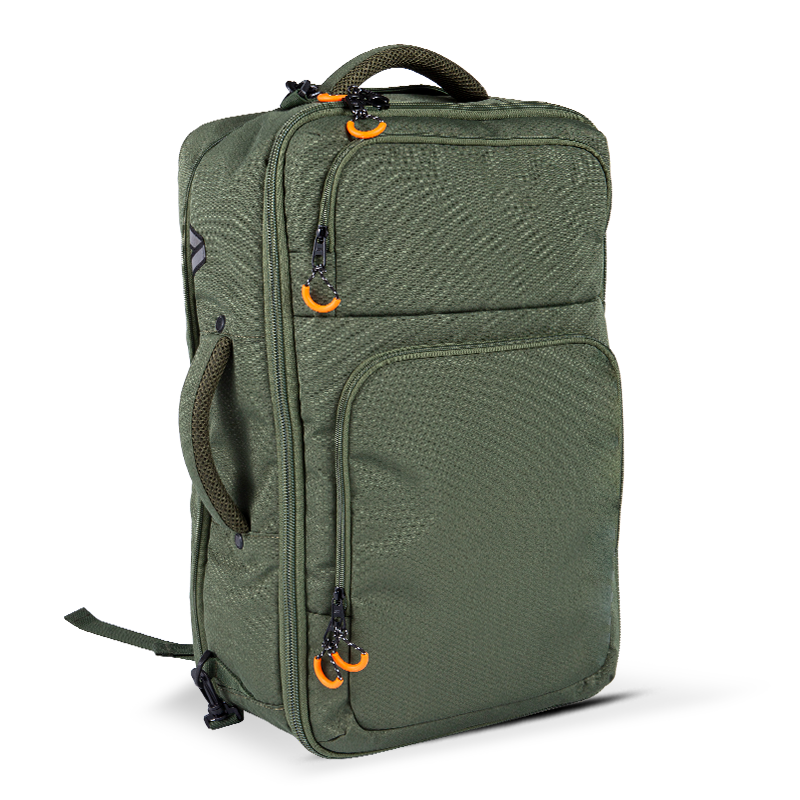
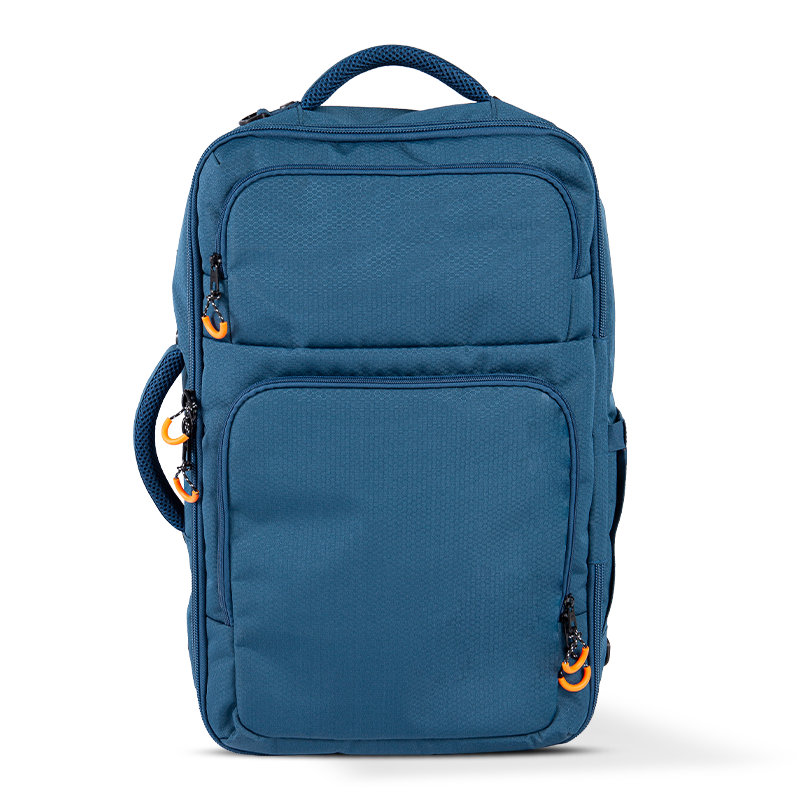
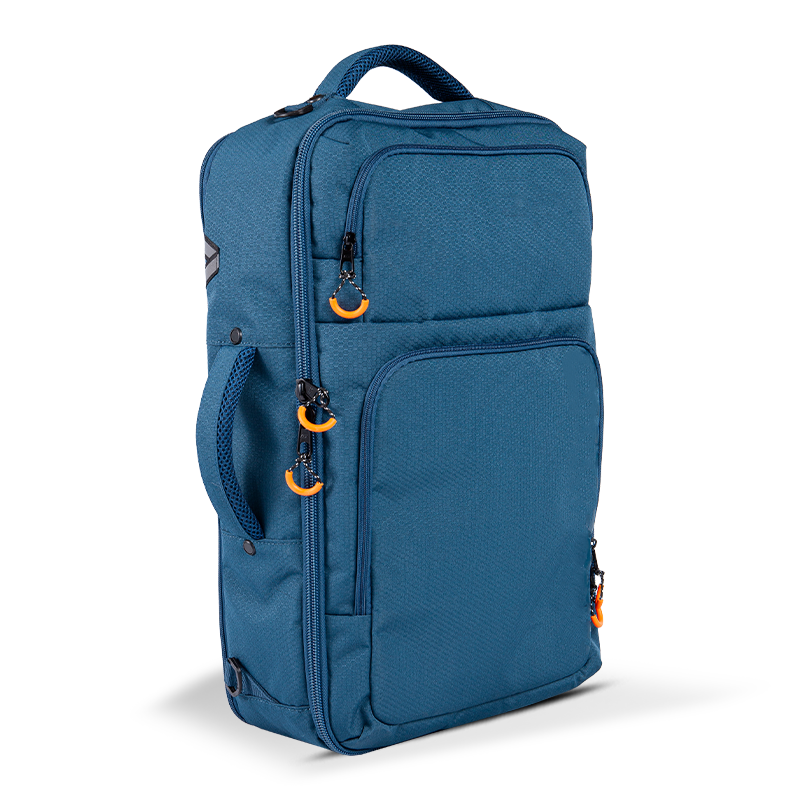
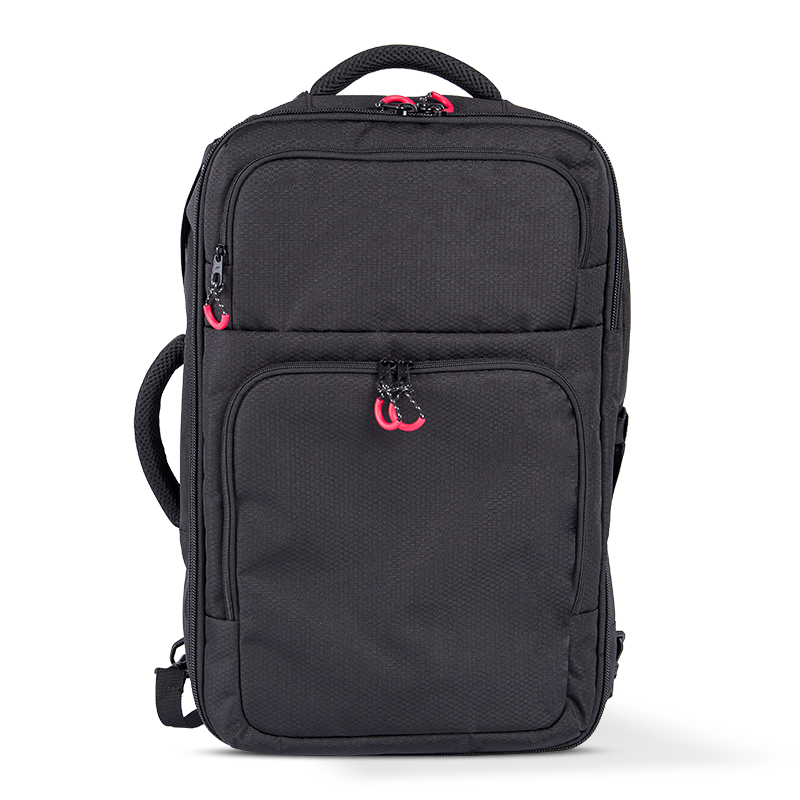
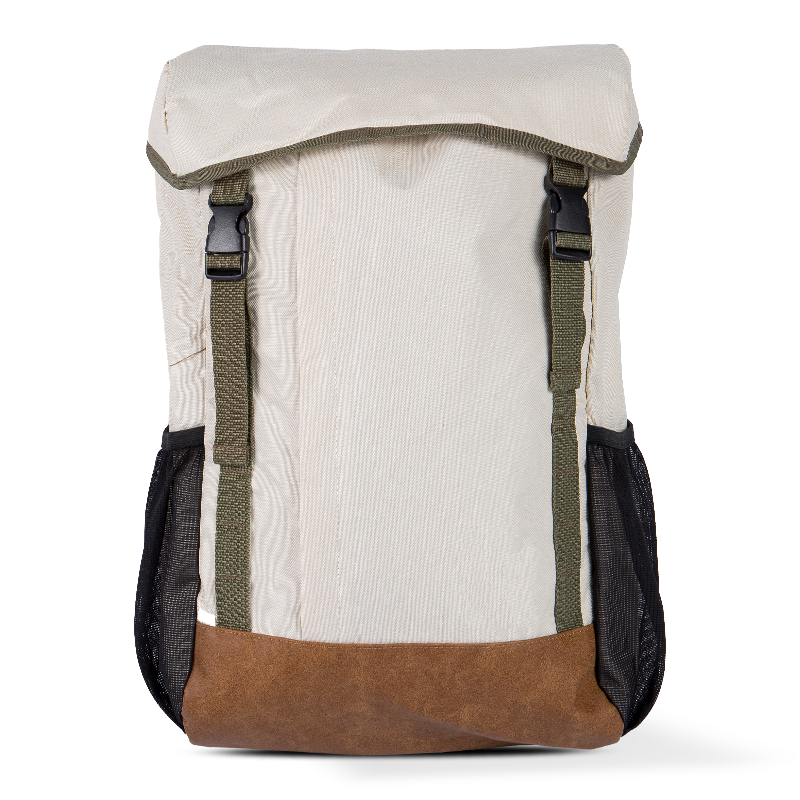
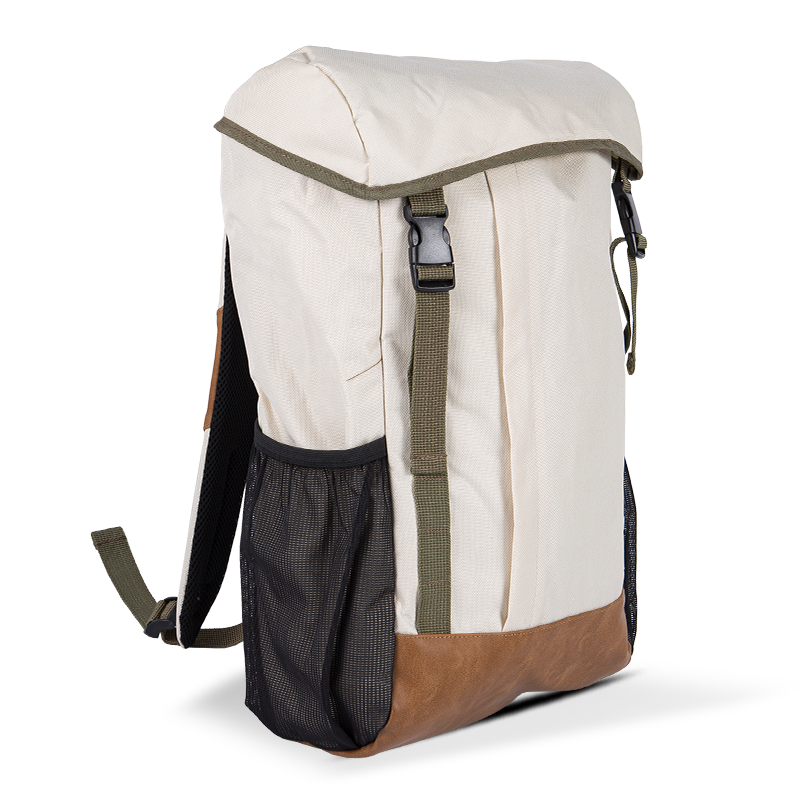
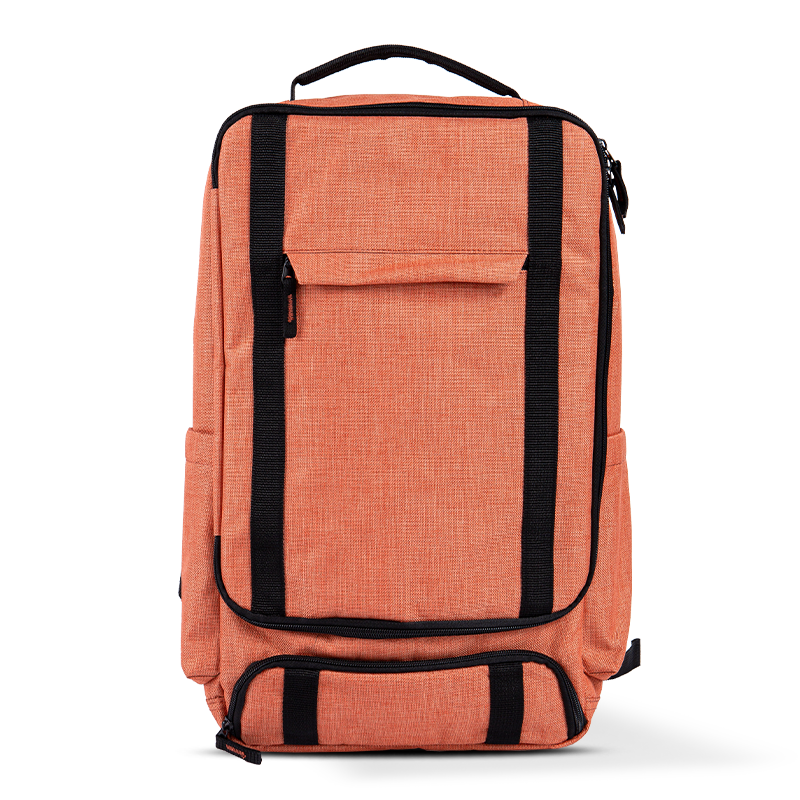
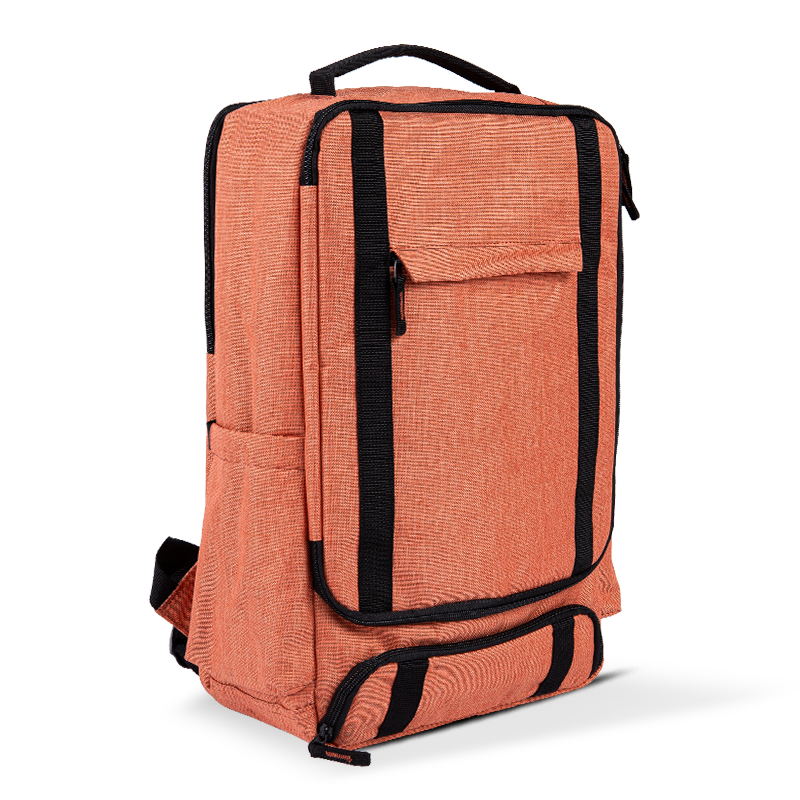
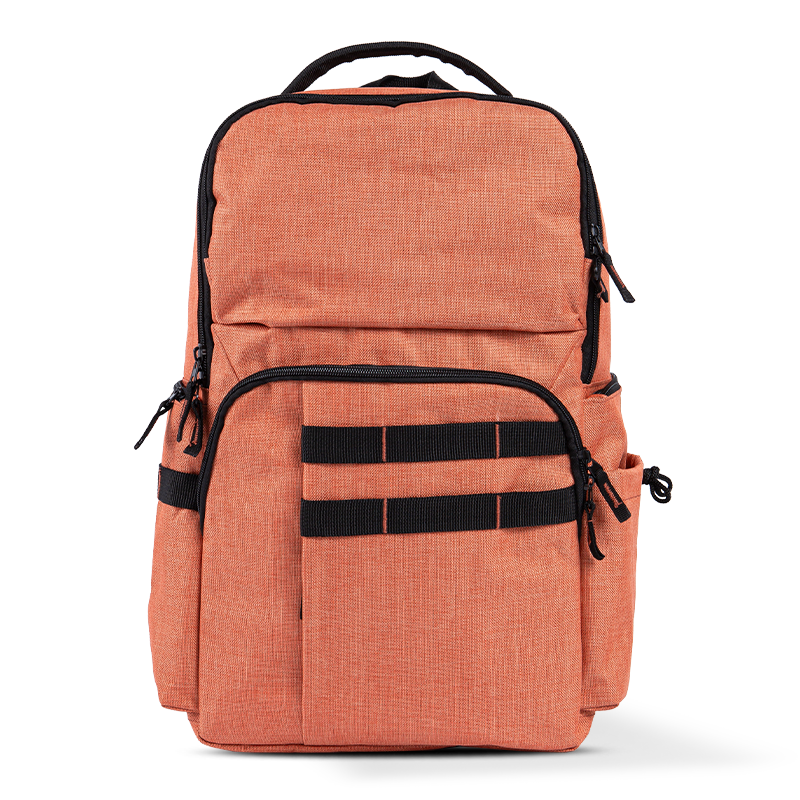
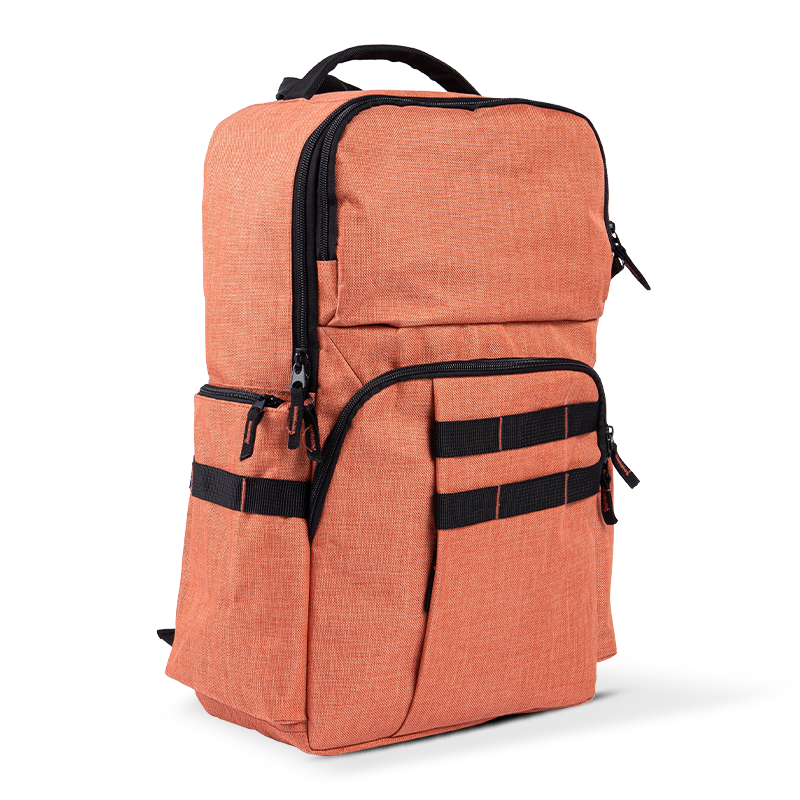
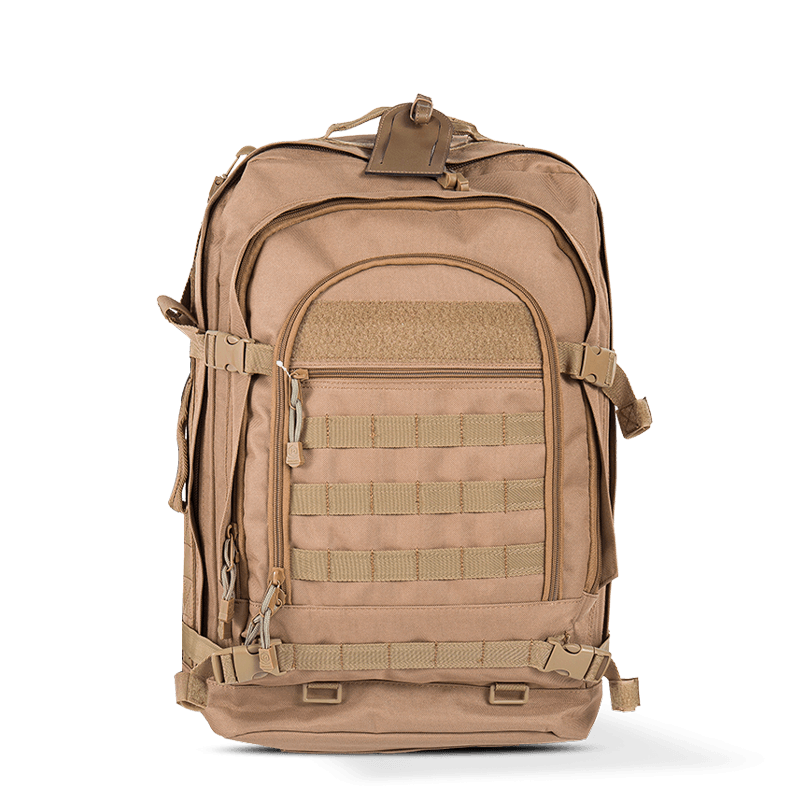
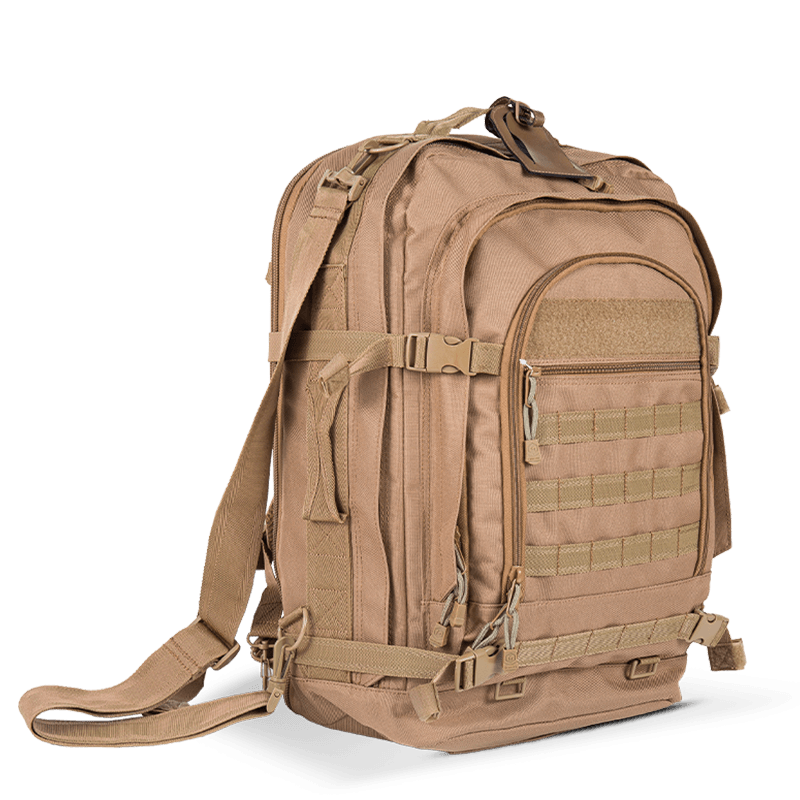
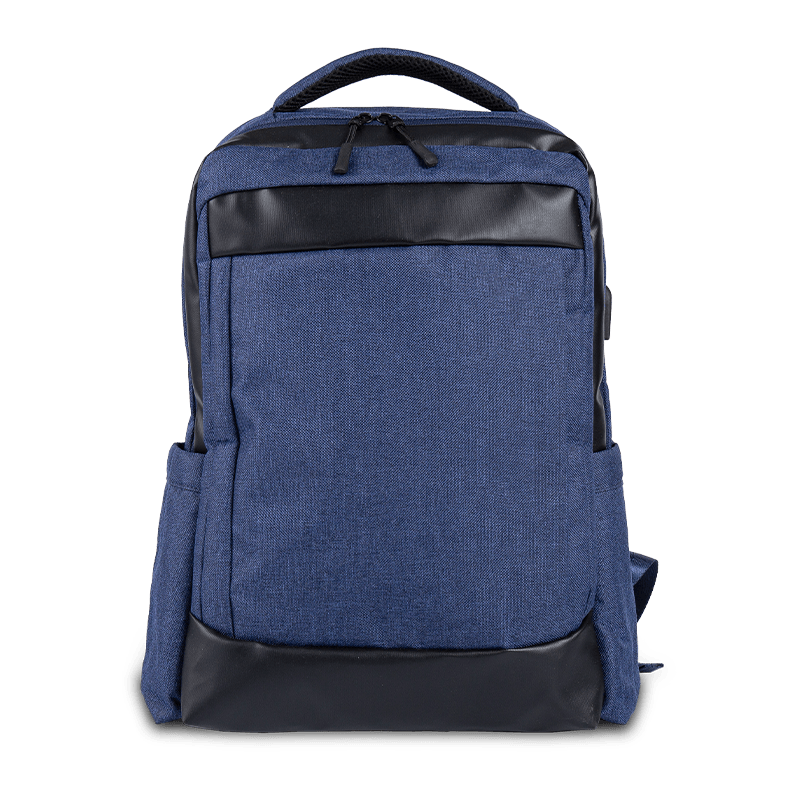
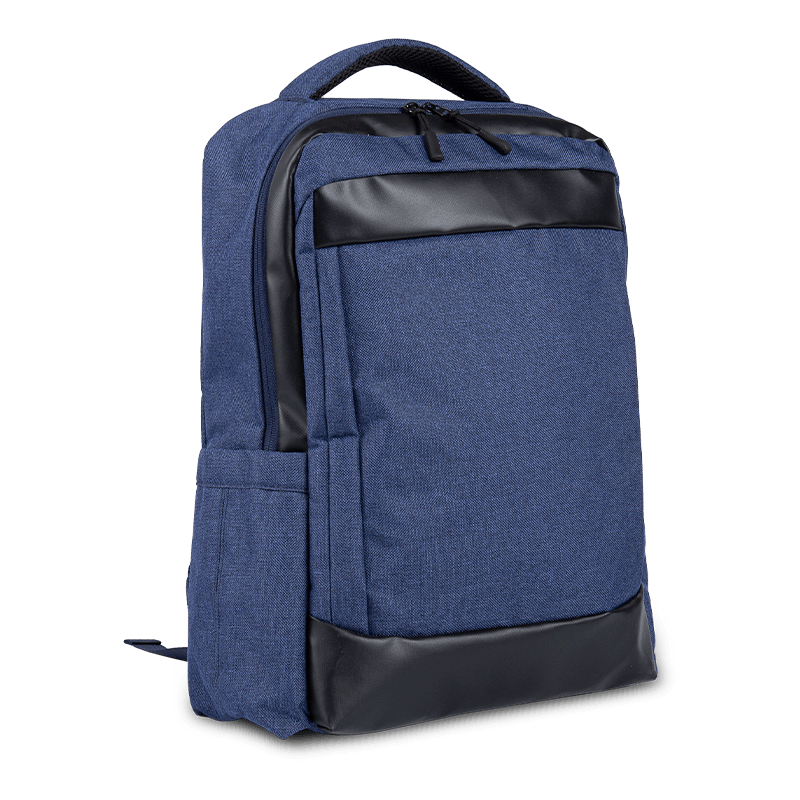
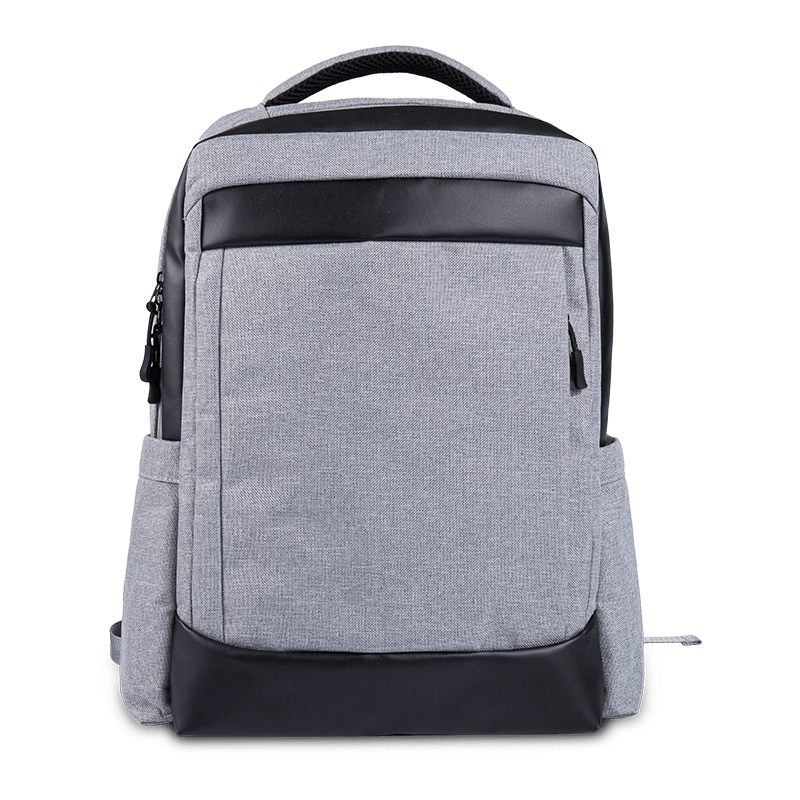
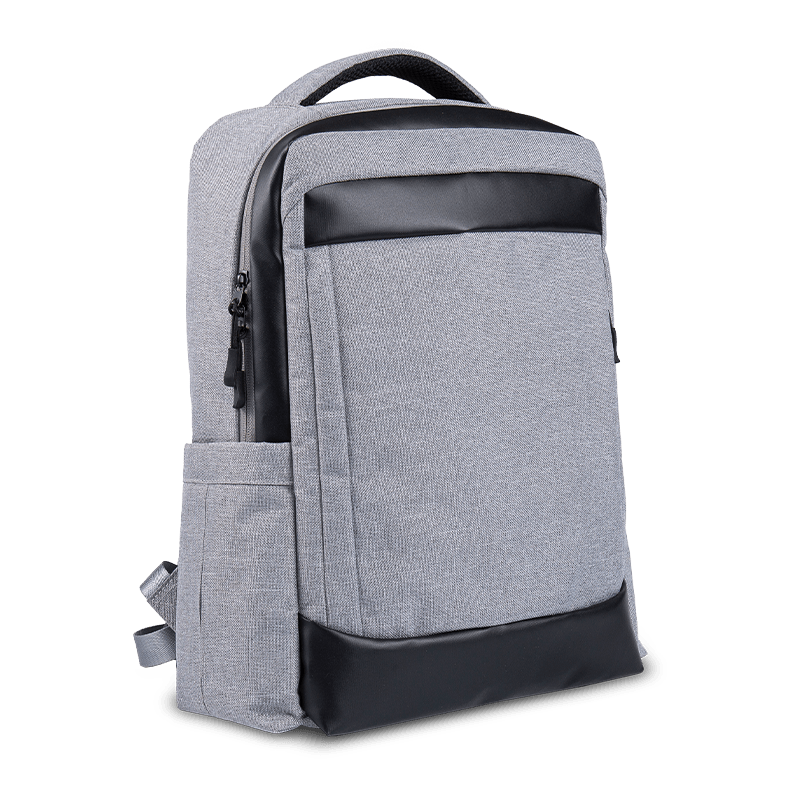
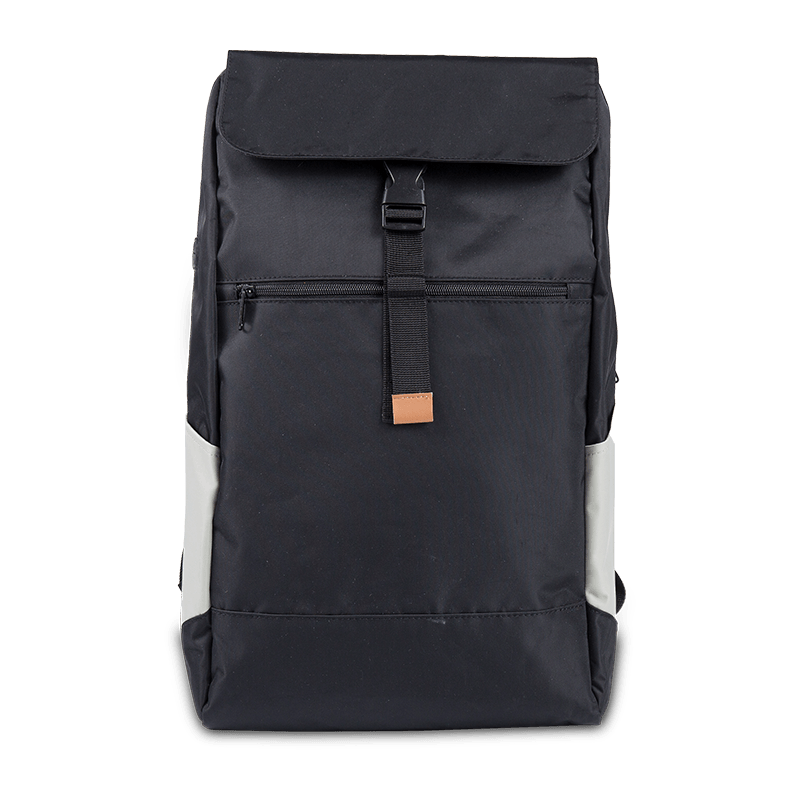
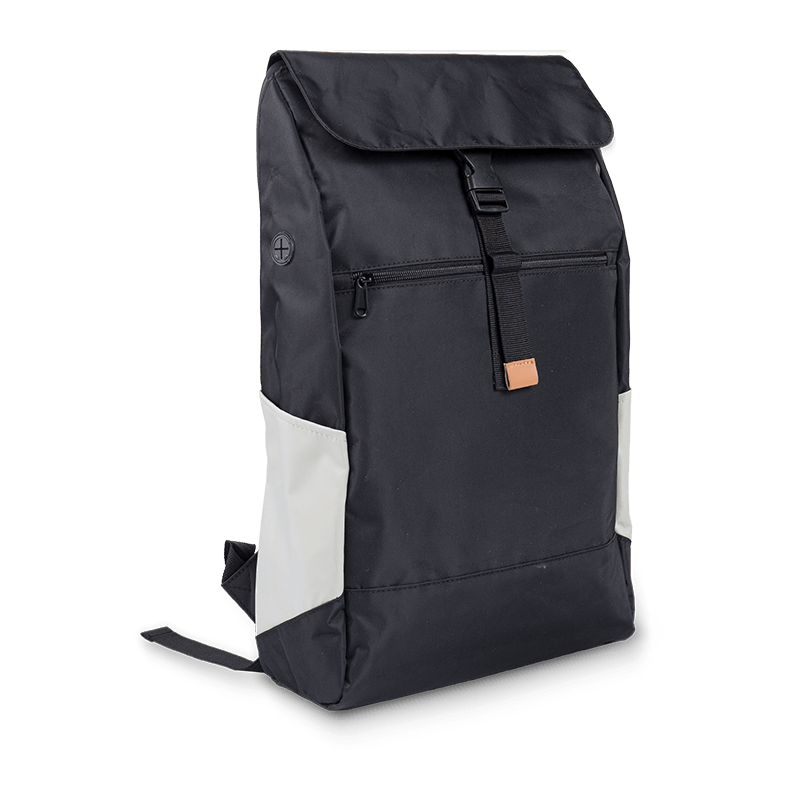
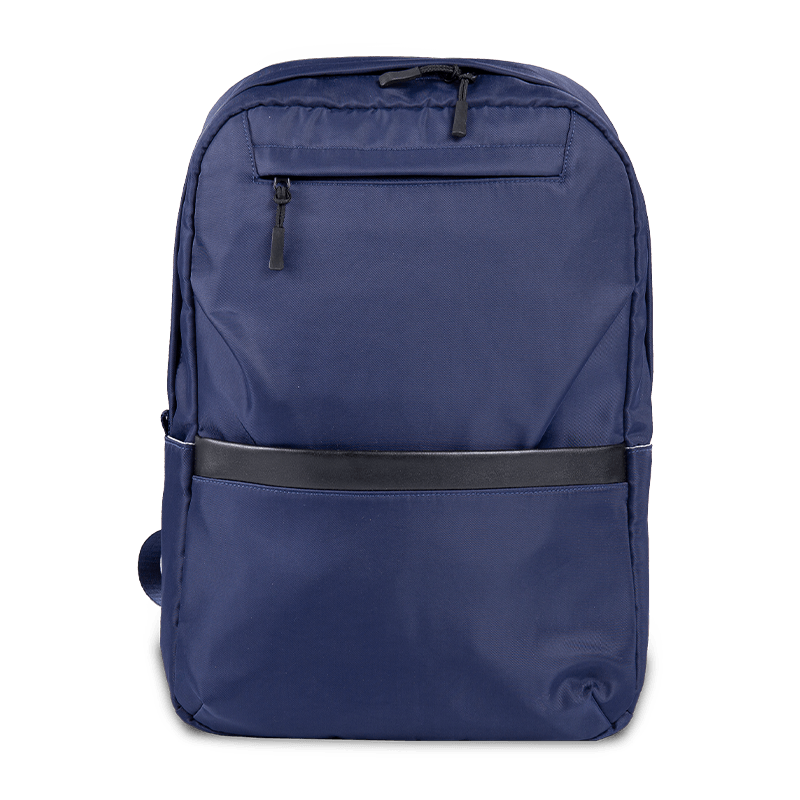
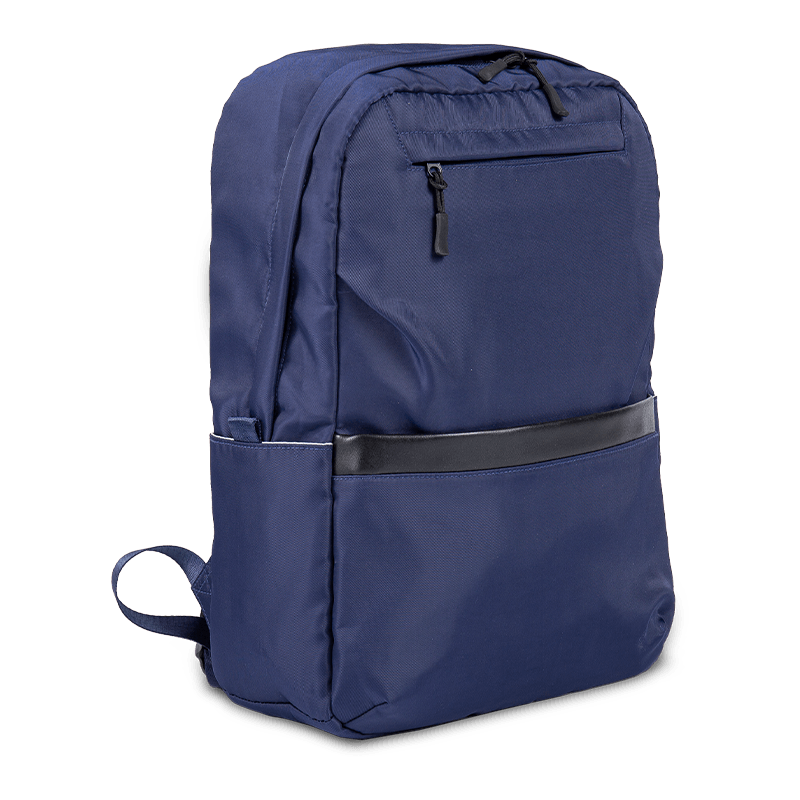
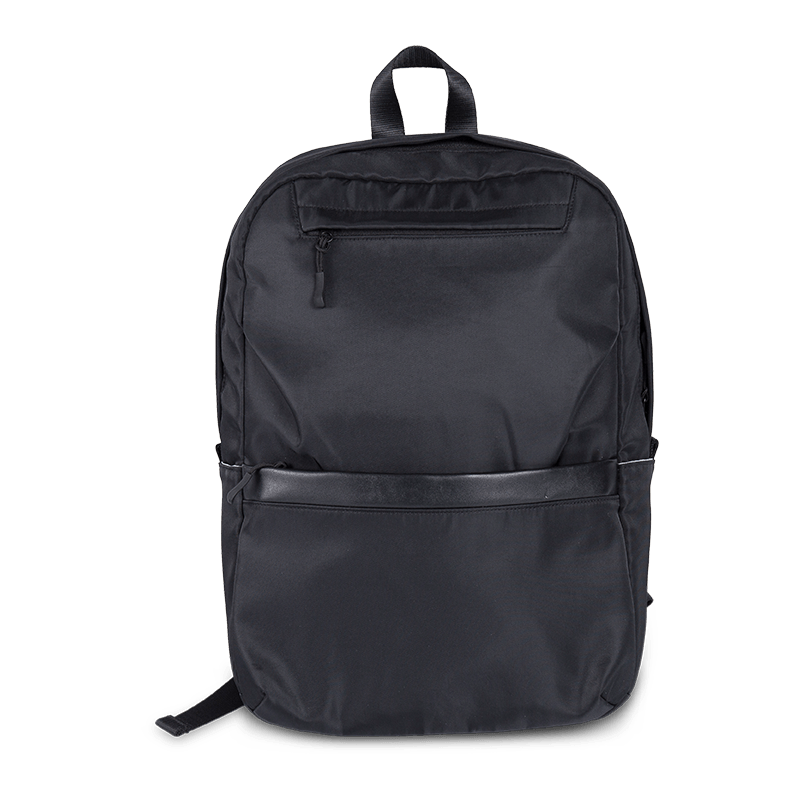
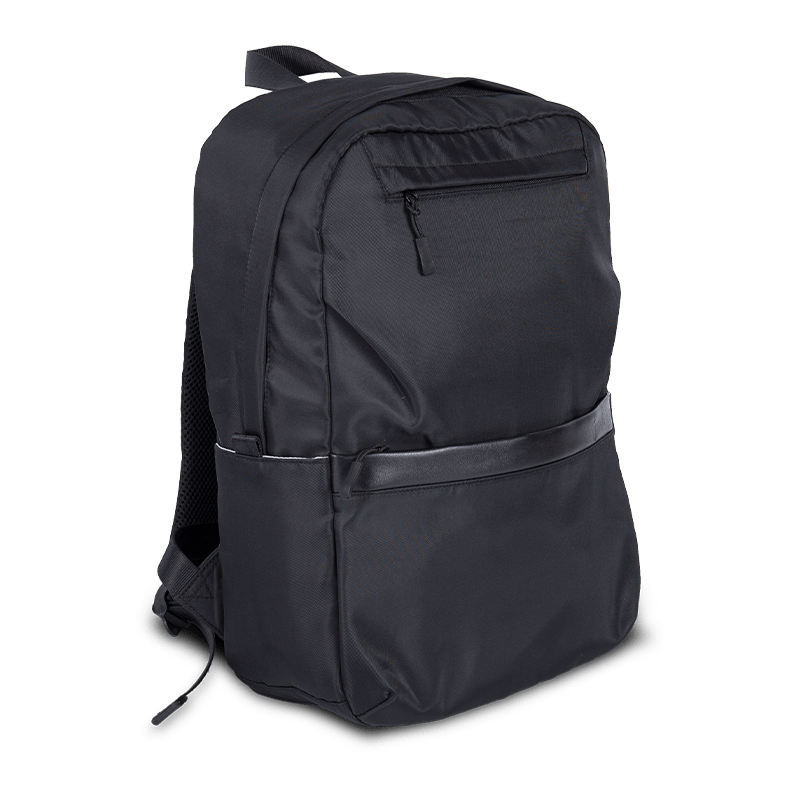
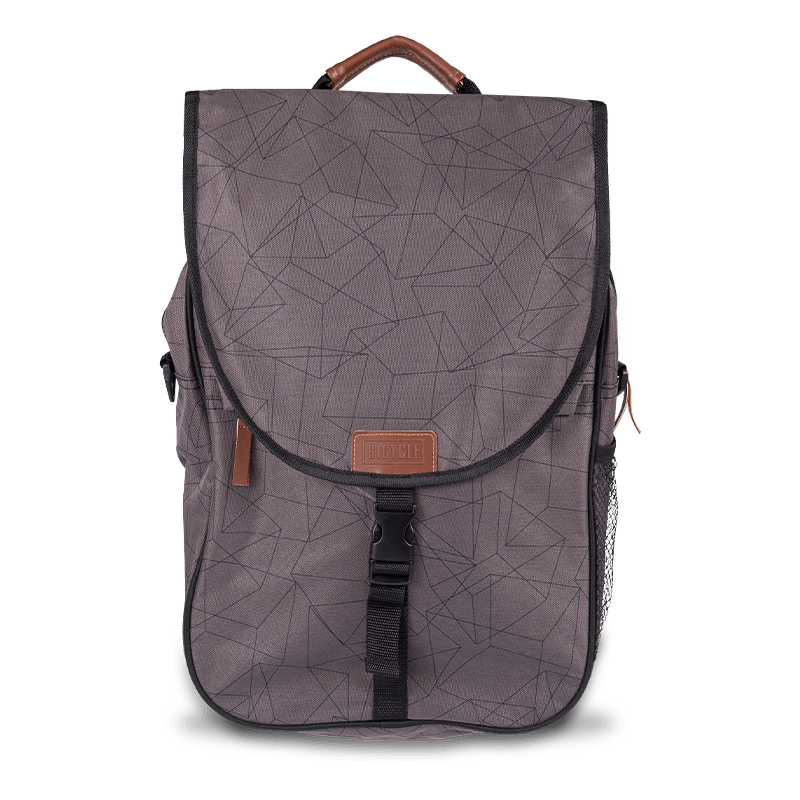
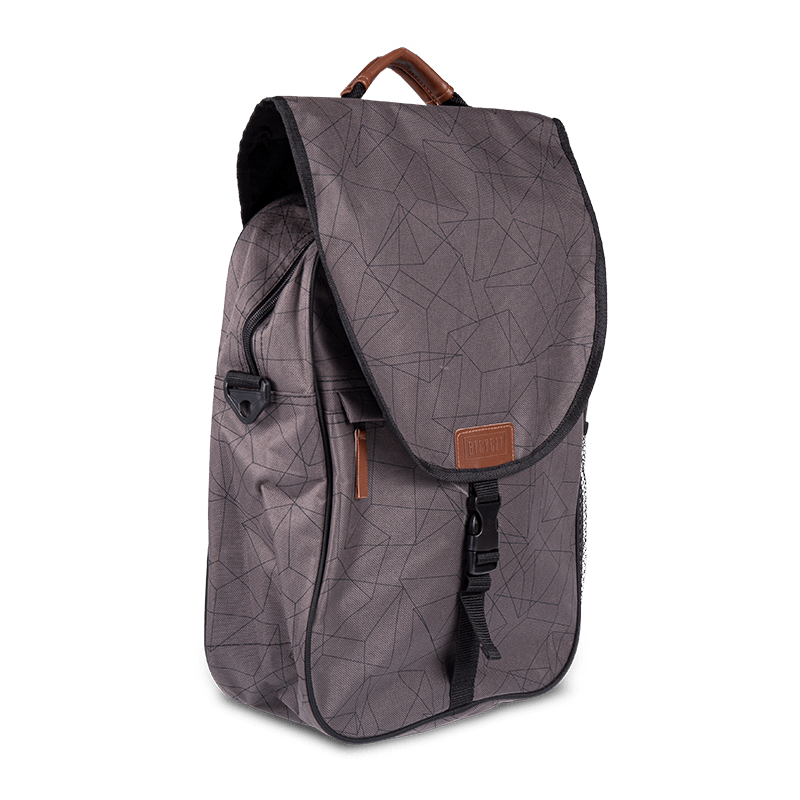
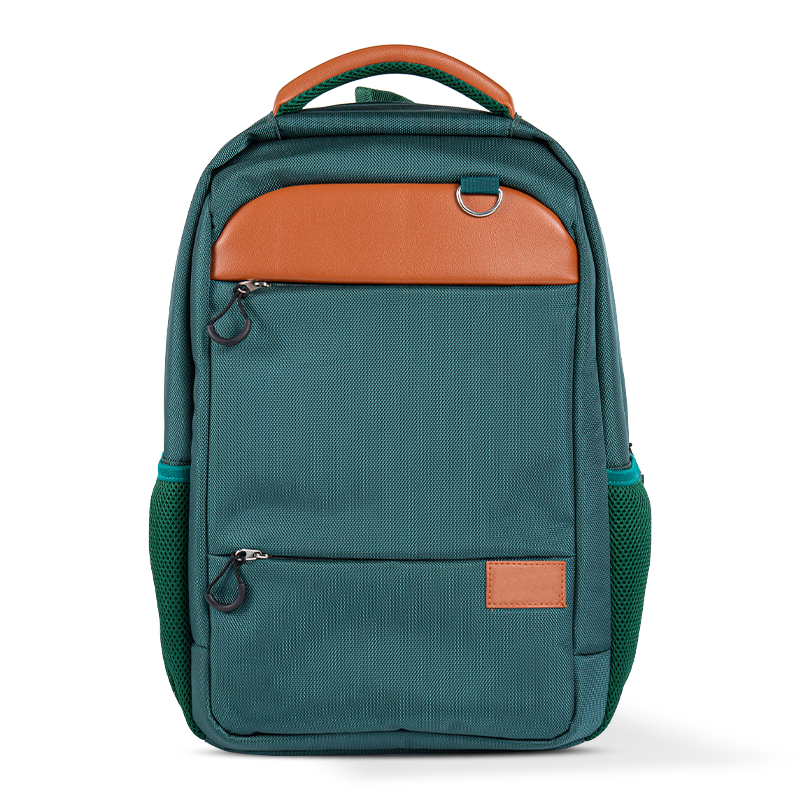
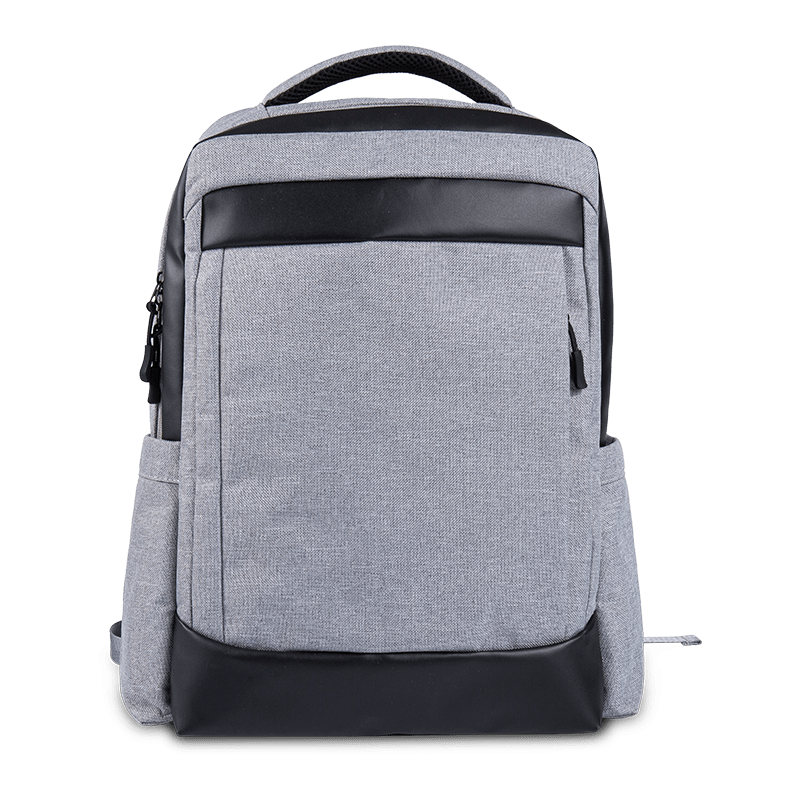
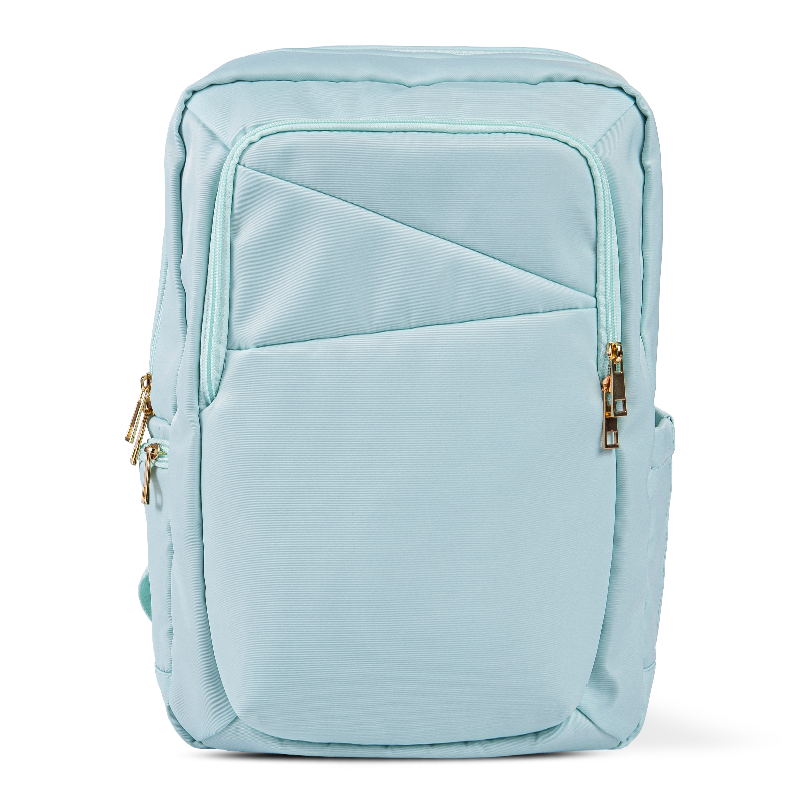
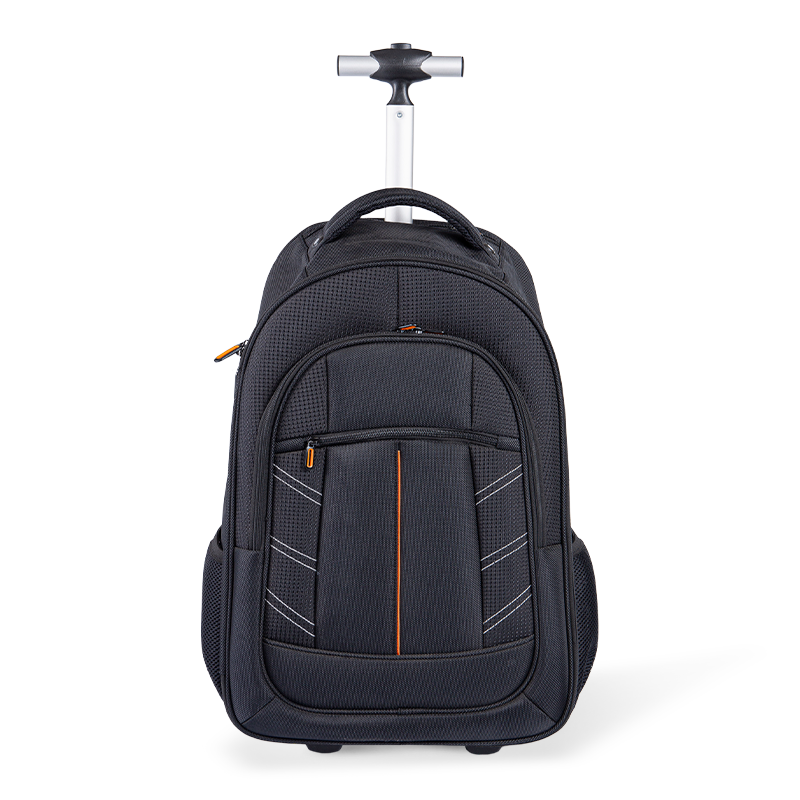
Not every trip calls for hard sides and spinner wheels. For weekend getaways, overnight business trips, or any journey where you're moving fast and light, a structured travel backpack for boarding often outperforms a suitcase on practical grounds.
A boarding backpack clears carry-on rules at most airlines, fits under the seat in front of you (freeing overhead space), and moves with you hands-free through crowded terminals. Multifunctional designs — combining a top carry handle, padded shoulder straps, and a trolley sleeve — give you the handling flexibility of a suitcase with the mobility of a backpack. For travelers taking trains, buses, or navigating cities on foot, this format removes the friction that wheeled luggage introduces on stairs and rough terrain.
The right choice between a carry-on suitcase and a compact travel bag depends on one question: how much of your trip involves rolling a bag versus carrying it? If the answer is mostly rolling, go for the suitcase. If you're splitting time between transit modes, a hybrid travel backpack is the smarter tool.