




 English
 Español
 عربى
عربىContent
- 1 Understanding Polyester: Why Care Matters
- 2 Step 1: The Essential Pre-Storage Cleaning
- 3 Step 2: Shaping and Filling for Structure
- 4 Step 3: The Protective Dust Bag
- 5 Step 4: Choosing the Right Storage Location
- 6 Step 5: Strategic Arrangement and Long-Term Maintenance
- 7 Special Considerations for Specific Styles
- 8 What to Absolutely Avoid
- 9 Conclusion: An Ounce of Prevention
Polyester handbags are a staple in modern wardrobes, prized for their durability, affordability, and resistance to wrinkles and stains. However, like any valued possession, they require proper care to maintain their appearance and longevity. Improper storage can lead to creasing, color transfer, dust accumulation, and even material degradation over time. This comprehensive guide will walk you through the essential steps to store your polyester bags correctly, ensuring they remain in pristine condition for years to come.
Understanding Polyester: Why Care Matters
Before delving into storage techniques, it’s helpful to understand the material. Polyester is a synthetic polymer known for its strength and resilience. It’s less susceptible to moisture and pests than natural fibers like leather or cotton. However, it is not invincible. Polyester can be prone to:
- Color Fading: When exposed to direct sunlight or harsh artificial light for prolonged periods.
- Creasing and Deformation: If crushed under weight or stored in a contorted shape.
- Dust and Grime Accumulation: Which can become ingrained if left unattended.
- Odor Retention: From smoke, food, or mildew if stored in damp conditions.
- Transfer from Other Materials: Especially from darker items or prints that might bleed.
Proper storage mitigates all these risks, preserving your investment.
Step 1: The Essential Pre-Storage Cleaning
Never store a dirty bag. Residual oils, crumbs, or stains can set over time and attract pests.
- Empty Completely: Remove all items, including from interior and exterior pockets. Shake out any debris.
- Spot Clean: For most polyester bags, a gentle spot clean is sufficient. Dampen a soft, white cloth with cool water and a small drop of mild dish soap. Wipe the soiled area gently, then use a second cloth dampened with plain water to rinse the soap away.
- Address the Interior: Vacuum the inside with a soft brush attachment to remove dust and particles.
- Air Dry Thoroughly: This is non-negotiable. Ensure the bag is 100% dry—inside and out—before moving to storage. Any trapped moisture can lead to mildew. Dry it naturally, away from direct heat sources like radiators or direct sunlight, which can cause fading or warping.
Step 2: Shaping and Filling for Structure
A bag that loses its shape in storage is a sad sight. The goal is to support its structure without stressing the seams or fabric.
- Use Acid-Free Tissue Paper: This is the gold standard. Loosely crumple the tissue and fill the bag’s main compartment and pockets to about 60-70% capacity. Avoid using newspaper or colored paper, as the ink can transfer.
- Alternative Fillers: If tissue paper isn’t available, clean, white cotton t-shirts or pillowcases work well. You can also use plain, un-dyed bubble wrap or specialized bag shapers sold online.
- Avoid Overstuffing: The bag should look natural and hold its form, not be stretched or strained.
Step 3: The Protective Dust Bag
The single most important storage accessory for any handbag is a breathable cotton dust bag. The original one that came with your bag is ideal.
- Why Cotton? It allows air circulation, preventing musty odors, while blocking dust and light.
- Avoid Plastic: Never use sealed plastic bags or vinyl covers. These trap moisture and can cause condensation, leading to mildew—a particular threat to any fabric linings or contents.
- No Original Bag? A clean, white pillowcase is a perfect substitute. For added protection, you can place the bag-shape-filled handbag inside its dust bag and then into a pillowcase.
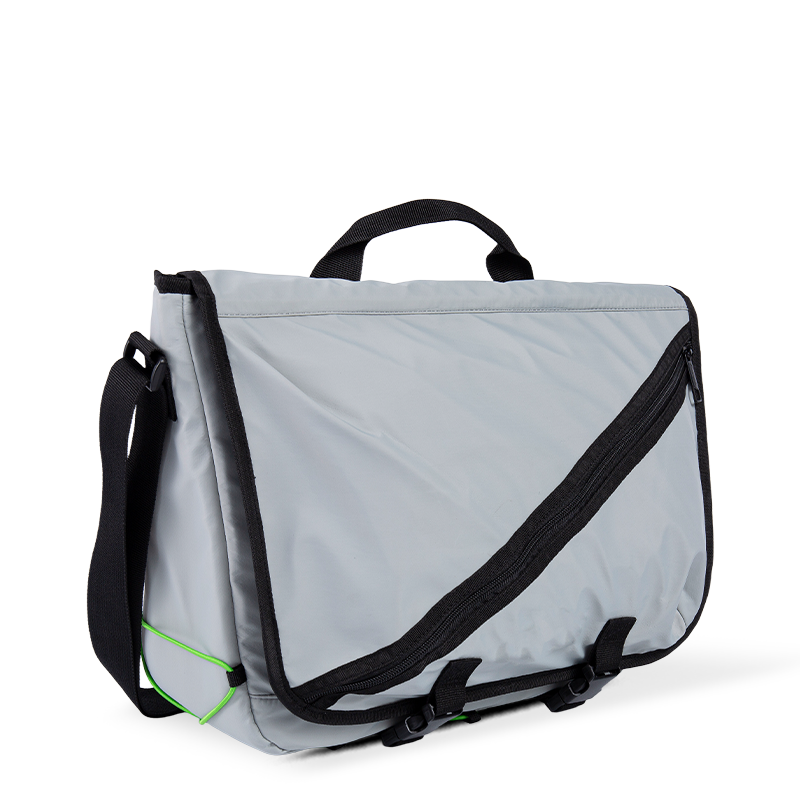
Step 4: Choosing the Right Storage Location
Where you store your bag is as crucial as how you prepare it.
- Climate Control: Store in a cool, dry place with stable temperature and humidity. Attics, basements, and garages are typically poor choices due to extreme temperature fluctuations, dampness, and potential for pest infestation.
- Darkness is Key: Prolonged exposure to light, especially sunlight, is the fastest way to fade your bag’s color. A dark closet interior is ideal.
- Prioritize Elevation: Store bags on a shelf. Never place them directly on a concrete floor, as it can transfer moisture.
- Consider Hanging? Only if designed for it. Most polyester bags should not be hung by their straps for long-term storage. This can stress the straps and seams, causing permanent stretching or distortion. If you must hang, ensure the hook is wide and padded, and don’t hang a heavy bag.
Step 5: Strategic Arrangement and Long-Term Maintenance
- Give Them Space: Avoid cramming bags tightly together. Pressure can cause permanent creases and deform shapes. Allow each bag a little breathing room.
- Heavy on Bottom, Light on Top: If stacking is necessary, place heavier, more structured bags at the bottom and lighter, softer ones on top.
- Rotate Your Collection: If you have many bags, consider rotating them every few months. This prevents any one bag from being compressed in the same position for too long and allows you to check on their condition.
- The Seasonal Check-In: Every 3-6 months, take your stored bags out. Remove them from their dust bags, inspect for any issues (dust, odd smells), let them air out for a few hours, and gently re-fold the stuffing to prevent permanent creases.
Special Considerations for Specific Styles
- Structured Totes & Satchels: Follow the shaping guidelines above meticulously. They rely heavily on their form.
- Soft Pouches & Drawstring Bags: These require less stuffing; just enough to prevent deep, sharp folds. Focus on gentle, rounded folding with tissue.
- Bags with Hardware: If the bag has chains or metal details, you can wrap them in a soft cloth or acid-free tissue to prevent them from scratching the bag’s own fabric or tarnishing.
- Printed or Embellished Bags: Store these separately and with extra care. Turn embellished bags inside-out (if possible and safe for the embellishments) or ensure they are not rubbing against anything else. For delicate prints, place a sheet of acid-free tissue against the printed surface before putting it in the dust bag.
What to Absolutely Avoid
- Mothballs or Strong Chemicals: These odors will permeate the polyester and are very difficult to remove.
- Wire or Thin Hangers: They create pressure points that deform straps.
- Vacuum-Sealing Storage Bags: While great for blankets, they will crush your bag’s shape and prevent breathability.
- Attics/Basements: Reiterating due to the high risk of environmental damage.
- Scented Sachets or Perfume Sprays: Direct contact can stain, and scents can become overpowering and unpleasant over time.
Conclusion: An Ounce of Prevention
Storing your polyester handbags properly is a simple, mindful practice that pays significant dividends. It requires minimal investment—mainly in acid-free tissue and a dedicated, sensible space—but maximizes the lifespan and beauty of your accessories. By following these steps—cleaning, shaping, covering with breathable fabric, and storing in a cool, dark, dry place—you are not just putting a bag away. You are preserving a functional piece of your style, ready to be used and appreciated whenever the occasion arises. Consistent, careful storage ensures that your polyester handbags remain vibrant, structured, and damage-free, season after season.