



 English
 Español
 عربى
عربىContent
- 1 Understanding the Purpose and Structure of Military Backpacks
- 2 Key Materials Used in Military Backpacks
- 3 Load Capacity and Backpack Size Selection
- 4 MOLLE System and Modular Expansion
- 5 Comfort Systems and Ergonomic Design
- 6 Weather Resistance and Environmental Adaptability
- 7 Practical Applications Beyond Military Use
- 8 Maintenance and Long-Term Care
- 9 Choosing the Right Military Backpack for Your Needs
Understanding the Purpose and Structure of Military Backpacks
Military backpacks are designed for sustained use in harsh environments where durability, load management, and modular storage are essential. Unlike casual backpacks, they are engineered to carry heavy gear over long distances while maintaining balance and accessibility. Core design priorities include reinforced stitching, abrasion-resistant fabrics, and structured load-bearing systems that reduce strain during extended missions or outdoor activities.
Modern military backpacks are widely adopted by hikers, survivalists, and tactical professionals due to their reliability. High search interest terms such as tactical backpacks, MOLLE backpacks, and heavy-duty backpacks often reflect this crossover demand from both military and civilian users.
Key Materials Used in Military Backpacks
Material selection directly affects performance, lifespan, and comfort. Most military backpacks use high-denier nylon fabrics such as 500D or 1000D Cordura, known for tear resistance and water repellency. These materials are treated with PU or DWR coatings to protect contents from rain and moisture.
- Nylon Cordura: Excellent abrasion resistance and strength-to-weight ratio
- Polyester blends: Cost-effective with decent durability for moderate use
- Reinforced stitching and bartacks: Prevent seam failure under heavy loads
Zippers and buckles are typically made from YKK or Duraflex components, ensuring reliability even in extreme temperatures. These construction choices are critical for tactical backpacks intended for real-world field use.
Load Capacity and Backpack Size Selection
Choosing the correct backpack size depends on mission duration and load requirements. Military backpacks are generally categorized by capacity, measured in liters. Selecting the appropriate size improves mobility and reduces unnecessary fatigue.
| Capacity Range | Typical Use Case |
| 20–35L | Day patrols, assault packs, hiking |
| 40–60L | 3–5 day missions or camping trips |
| 65L+ | Extended operations and expedition use |
Overloading a backpack beyond its design limits can compromise stitching and reduce comfort. Military-grade load ratings are intended to support heavy-duty use, but proper packing remains essential.
MOLLE System and Modular Expansion
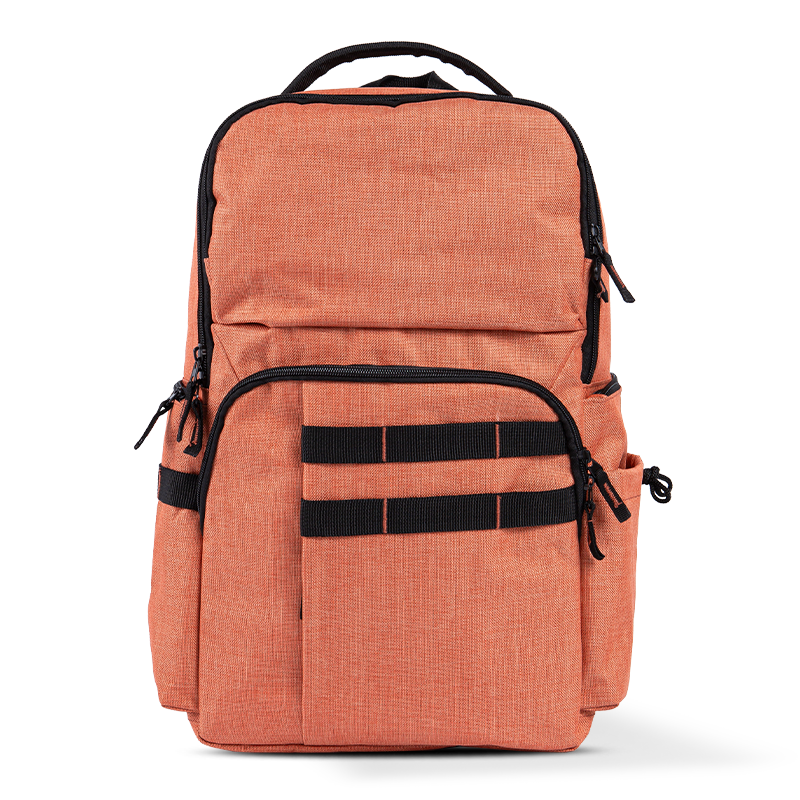
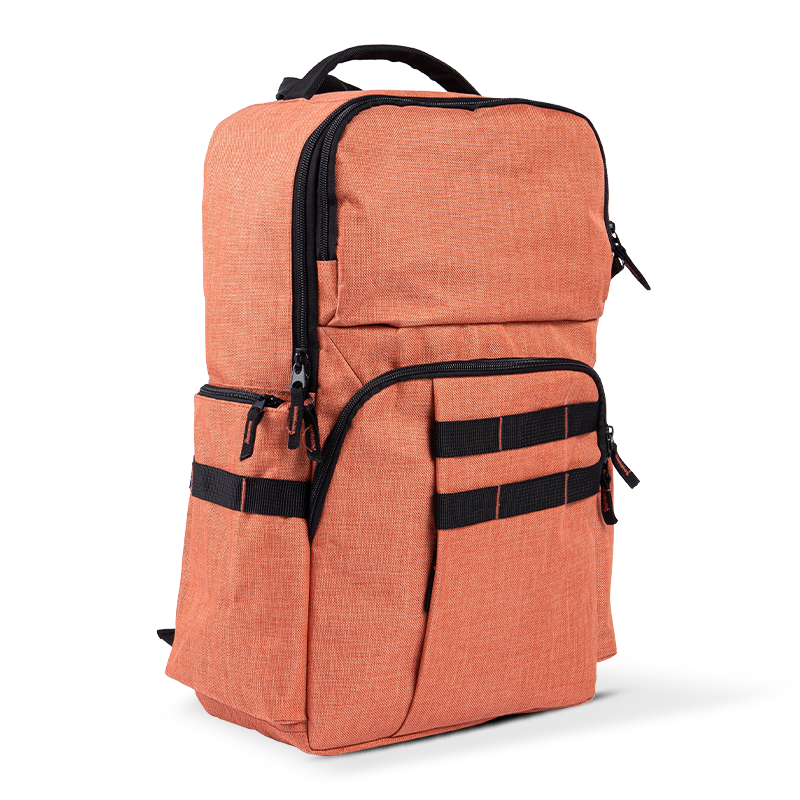
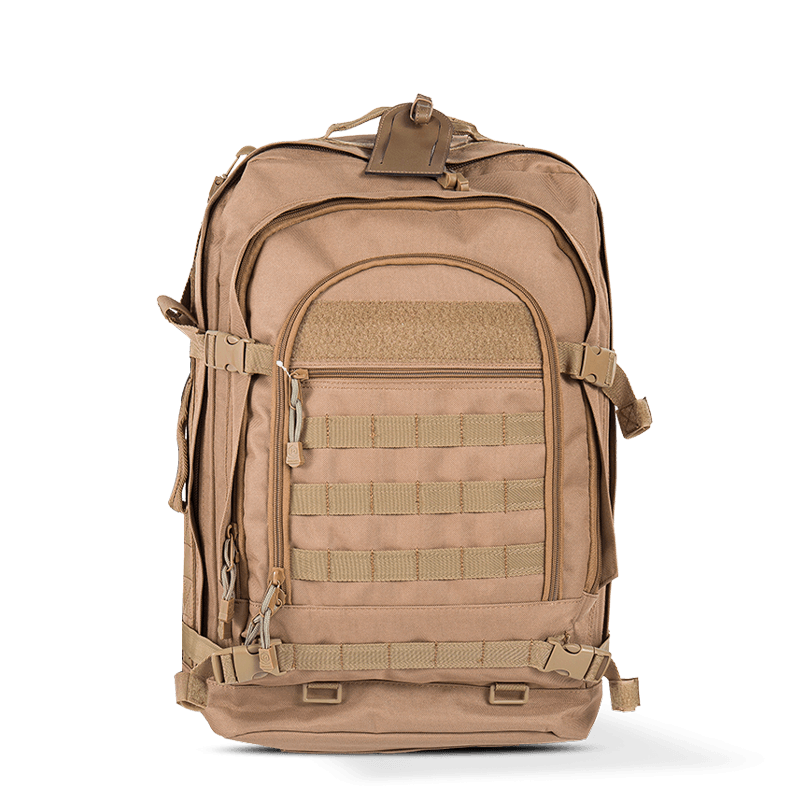
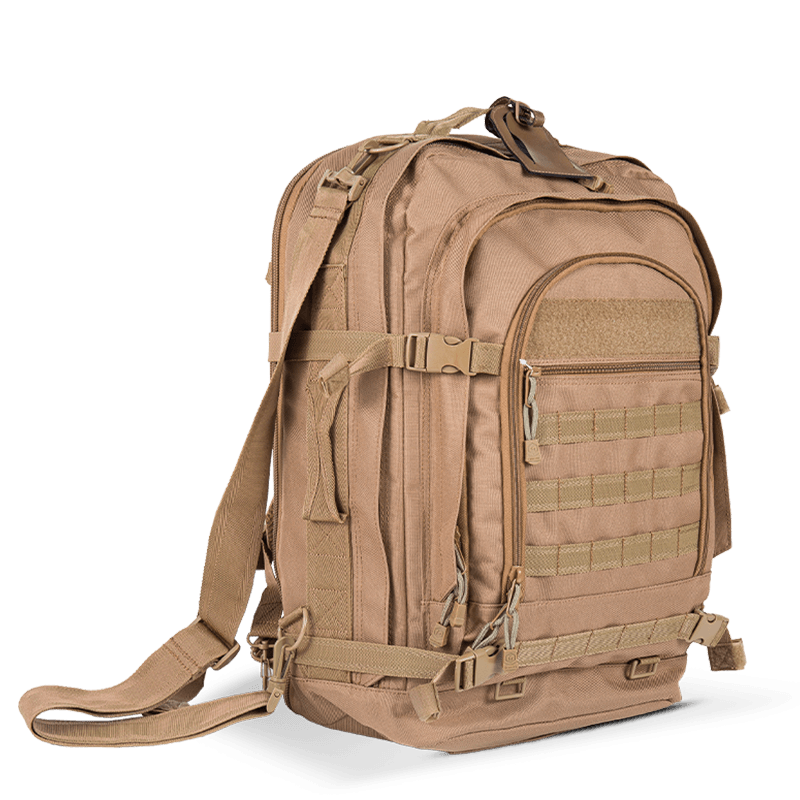
One defining feature of military backpacks is the MOLLE system (Modular Lightweight Load-carrying Equipment). This webbing grid allows users to attach additional pouches, hydration carriers, and utility bags according to mission needs.
MOLLE compatibility increases versatility and is a major reason tactical backpacks dominate search trends. Users can customize layouts without sacrificing balance, making the system ideal for military, law enforcement, and outdoor survival applications.
Common MOLLE Attachments
- First-aid and medical pouches
- Hydration bladder carriers
- Utility and admin organizers
Comfort Systems and Ergonomic Design
Despite their rugged construction, military backpacks prioritize ergonomics. Padded shoulder straps, adjustable sternum straps, and contoured back panels help distribute weight evenly. Ventilated mesh panels improve airflow and reduce heat buildup during long movements.
Advanced models include internal or external frame systems that transfer weight to the hips, significantly improving comfort under heavy loads. These features are essential for long-range patrol backpacks and high-capacity tactical packs.
Weather Resistance and Environmental Adaptability
Military backpacks are built to perform in diverse climates. Water-resistant coatings protect contents during rain, while reinforced bases prevent abrasion on rocky or sandy terrain. Some designs include integrated rain covers for extreme weather conditions.
Color options such as camouflage, coyote brown, and ranger green are chosen for low visibility in outdoor environments. These finishes also align with high-demand keywords like army backpacks and camouflage backpacks.
Practical Applications Beyond Military Use
Military backpacks are widely used in civilian contexts where reliability matters. Outdoor enthusiasts favor them for trekking and camping, while emergency responders rely on their organizational efficiency. Even daily commuters choose smaller tactical backpacks for their durability and storage layout.
Their adaptability, combined with proven construction standards, makes military backpacks a long-term investment rather than a disposable accessory.
Maintenance and Long-Term Care
Proper maintenance extends the lifespan of military backpacks. Cleaning should be done with mild soap and cold water, avoiding harsh detergents that degrade coatings. Air drying is recommended to preserve fabric integrity.
Regularly inspecting seams, zippers, and MOLLE webbing ensures early detection of wear. With proper care, a high-quality tactical backpack can remain functional for many years of demanding use.
Choosing the Right Military Backpack for Your Needs
Selecting a military backpack should be based on intended use, load requirements, and environmental conditions. Evaluating materials, capacity, comfort features, and modular compatibility helps ensure the backpack performs as expected.
By focusing on practical features rather than appearance alone, users can choose a military backpack that delivers reliability, efficiency, and long-term value in both professional and civilian settings.