



 English
 Español
 عربى
عربىContent
What Soft Sided Luggage Is
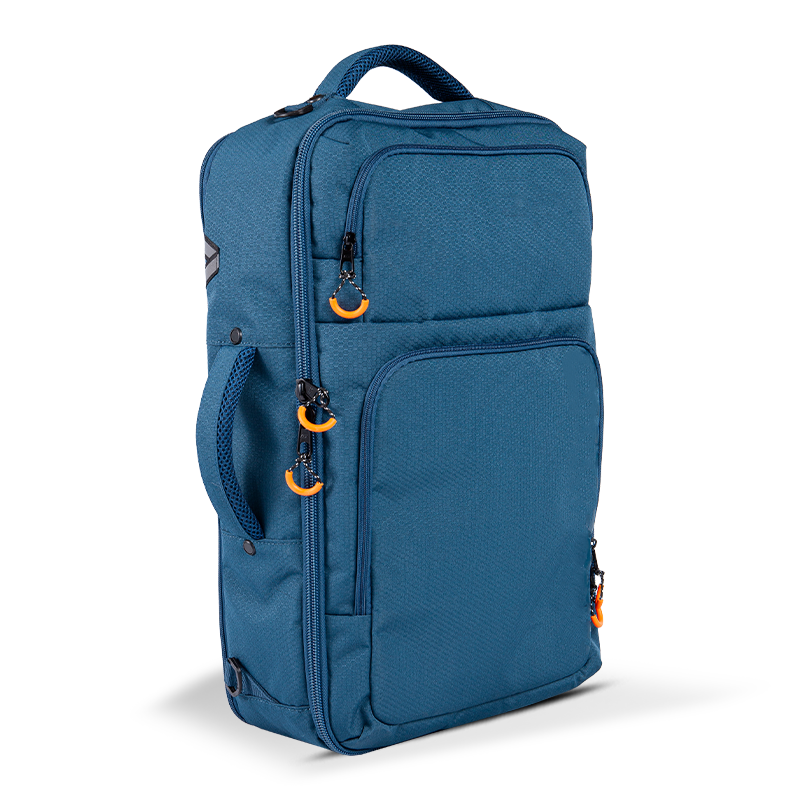
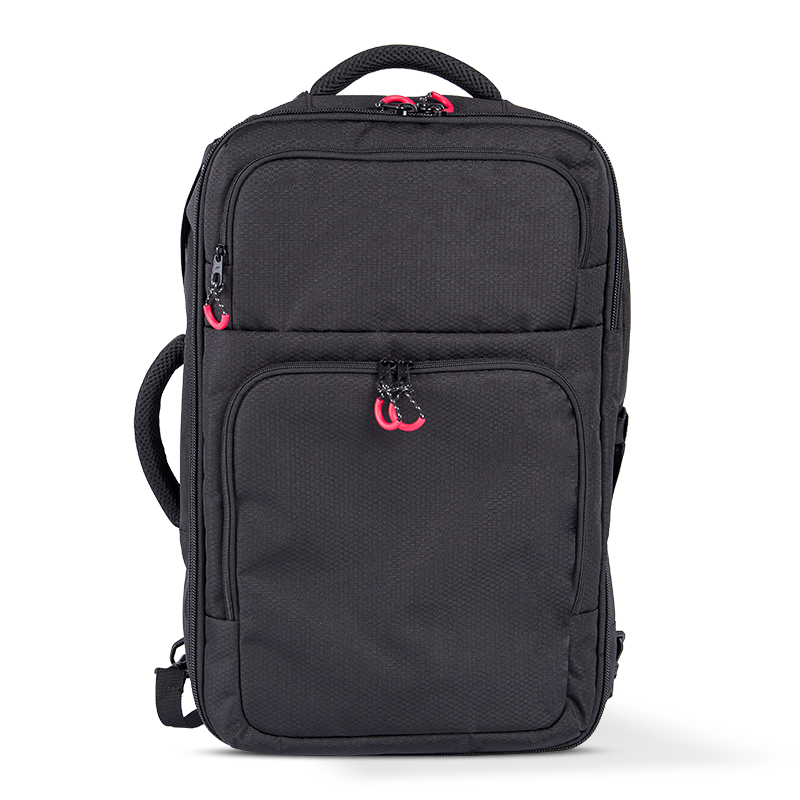
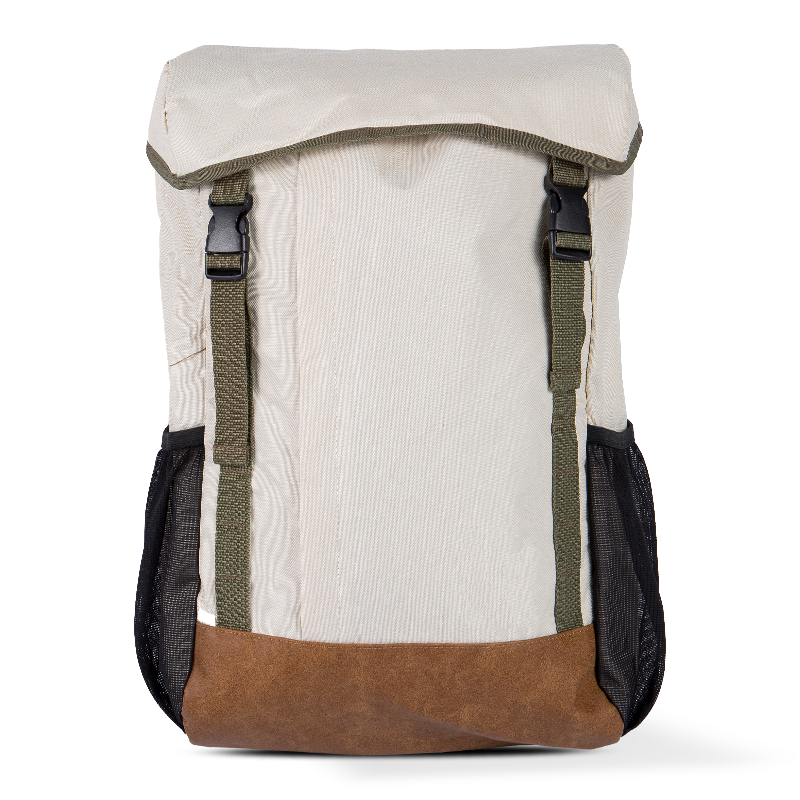
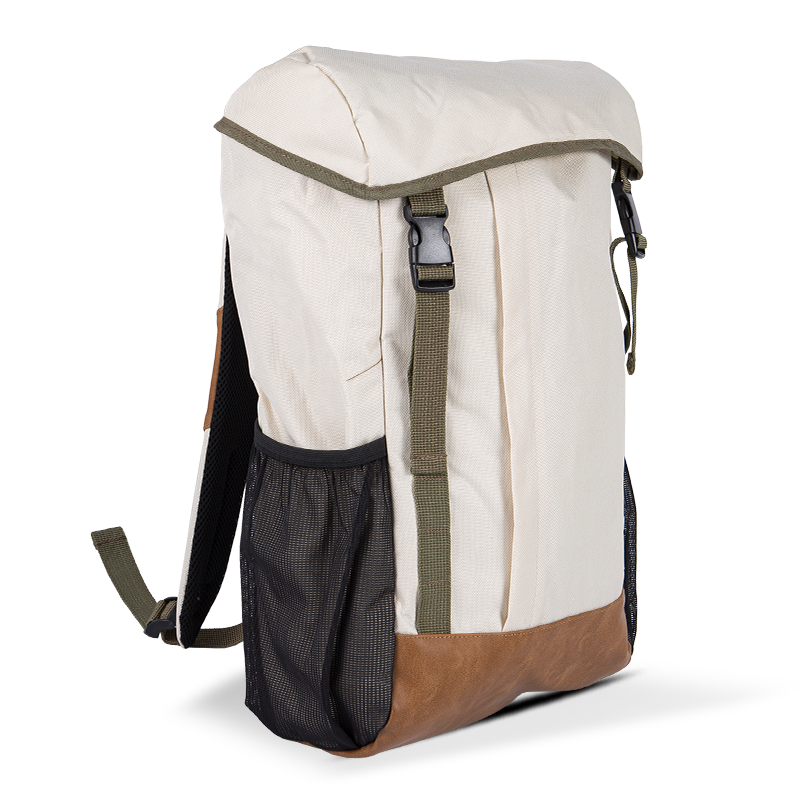
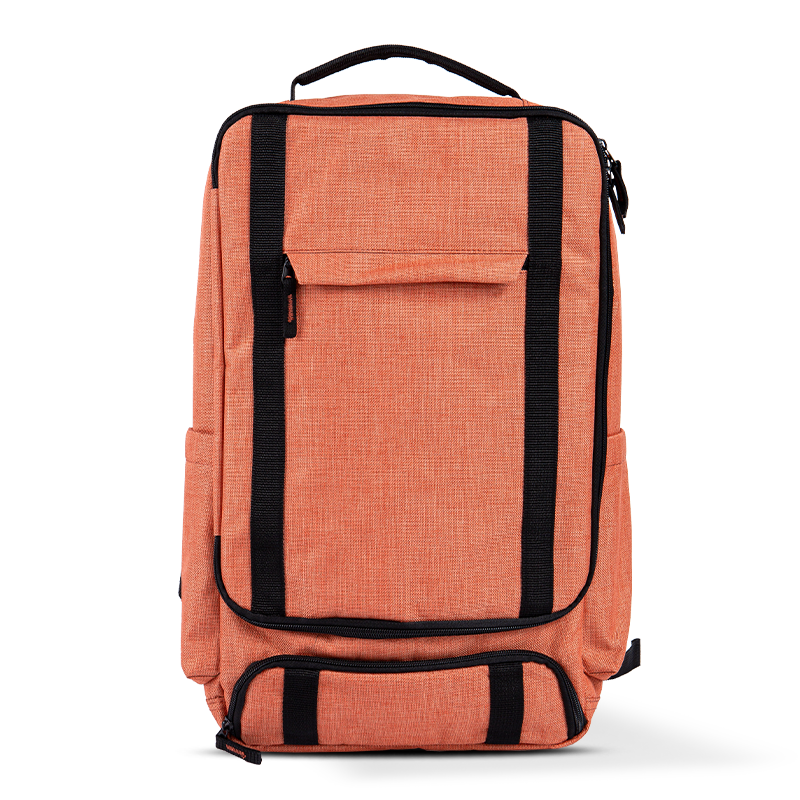
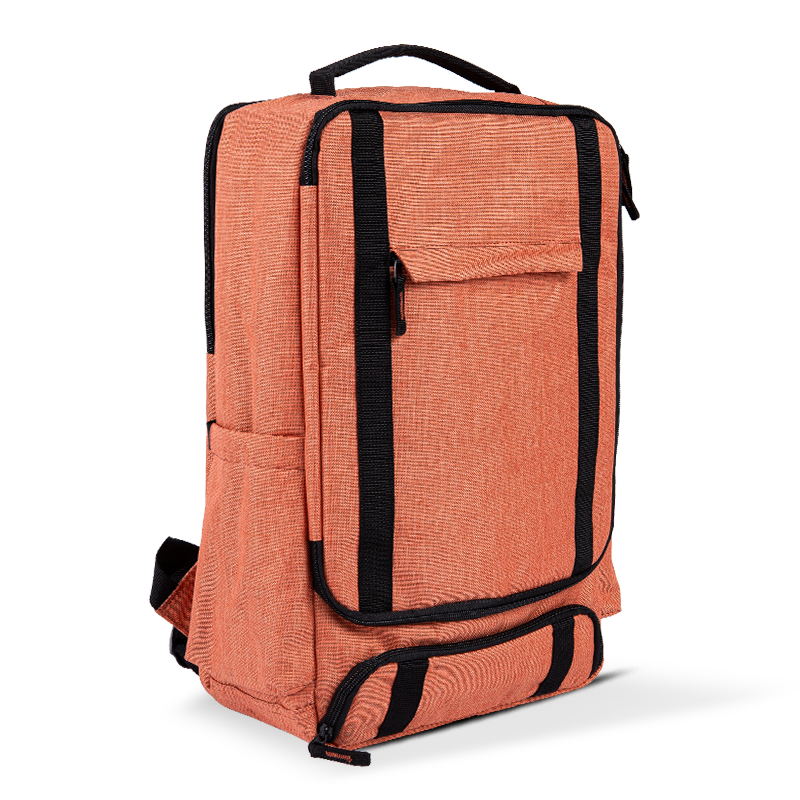
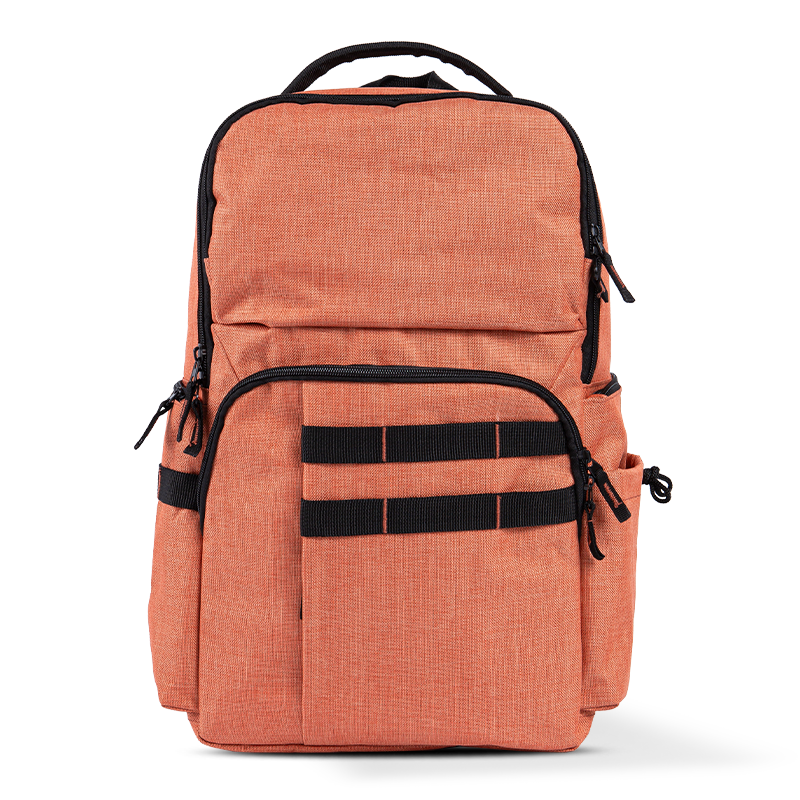
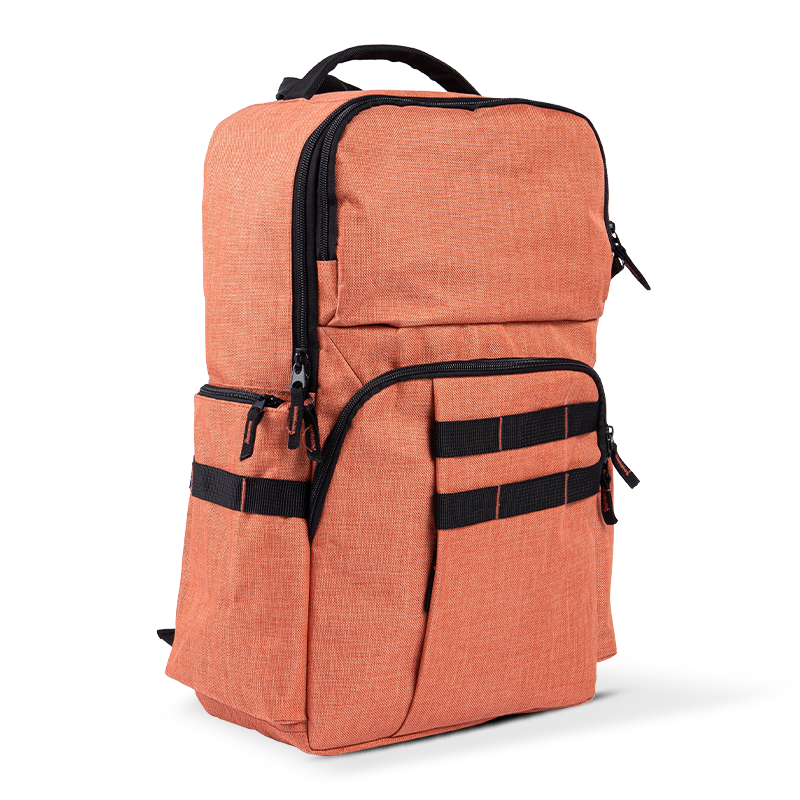
Soft sided luggage refers to travel bags and suitcases made from flexible fabric materials such as nylon, polyester, canvas, or leather, rather than rigid shells. These bags feature a pliable exterior that can expand or compress, typically supported by an internal frame or semi-structured design. Unlike hardshell luggage with molded plastic or polycarbonate cases, soft sided options offer greater flexibility in packing and often include multiple external pockets for easy access to frequently needed items.
The construction typically involves durable fabric stretched over a lightweight frame, with zippers running along the perimeter to allow opening and closing. Most modern soft sided luggage comes with wheels and telescoping handles for easy mobility, though duffel bags and backpack-style soft luggage also remain popular choices for certain types of travel.
Key Materials Used in Soft Sided Luggage
The material composition directly impacts durability, weight, and water resistance. Understanding these materials helps travelers make informed purchasing decisions.
| Material | Durability Rating | Water Resistance | Weight |
|---|---|---|---|
| Ballistic Nylon | Excellent | High | Medium |
| Polyester | Good | Medium | Light |
| Leather | Very Good | Low | Heavy |
| Cordura Fabric | Excellent | High | Light |
Ballistic nylon, originally developed for military flak jackets, offers exceptional tear resistance with a denier rating typically between 1050 and 1680. Cordura fabric, another high-performance option, provides similar durability at lighter weights, making it a preferred choice for premium luggage brands.
Advantages of Choosing Soft Sided Luggage
Soft sided luggage offers several practical benefits that make it the preferred choice for many travelers, particularly those who value versatility and functionality.
Expandability and Flexibility
The fabric construction allows soft sided bags to expand by 15-25% beyond their stated capacity, accommodating souvenirs and extra items acquired during travel. This flexibility proves invaluable when packing irregular-shaped items or when you need to compress the bag to fit into tight overhead compartments.
External Storage Access
Most soft sided luggage features multiple external pockets designed for quick access to laptops, documents, toiletries, and travel essentials without opening the main compartment. Business travelers particularly appreciate this feature, as it allows retrieval of electronics at security checkpoints without unpacking.
Weight Considerations
A typical 22-inch soft sided carry-on weighs between 5-7 pounds, compared to 7-10 pounds for equivalent hardshell luggage. This weight difference becomes significant when airlines impose strict weight limits, leaving more allowance for actual belongings.
Easier Overhead Storage
The compressible nature means soft sided bags can squeeze into crowded overhead bins or tight storage spaces where rigid luggage would not fit, reducing the likelihood of gate-checking your carry-on.
Limitations to Consider
While soft sided luggage offers numerous benefits, understanding its limitations helps set appropriate expectations and informs proper usage.
- Weather vulnerability: Fabric materials offer less protection against rain and moisture compared to hardshell cases, though many modern options include water-resistant coatings
- Puncture susceptibility: Sharp objects can penetrate fabric more easily than hard plastics, making soft luggage less ideal for fragile items
- Cleaning challenges: Stains and dirt are more difficult to remove from fabric surfaces compared to wiping down smooth hardshell exteriors
- Shape retention: Bags may sag or lose structure when partially packed, potentially affecting professional appearance
- Security concerns: Fabric can be slashed, making valuables potentially more vulnerable during checked baggage handling
Common Types of Soft Sided Luggage
Soft sided luggage comes in various formats designed for different travel scenarios and personal preferences.
Wheeled Upright Suitcases
The most common format features two or four spinner wheels with a telescoping handle, available in sizes from carry-on (20-22 inches) to large checked bags (28-32 inches). Four-wheel spinners offer 360-degree maneuverability, while two-wheel designs provide better stability on uneven surfaces.
Duffel Bags
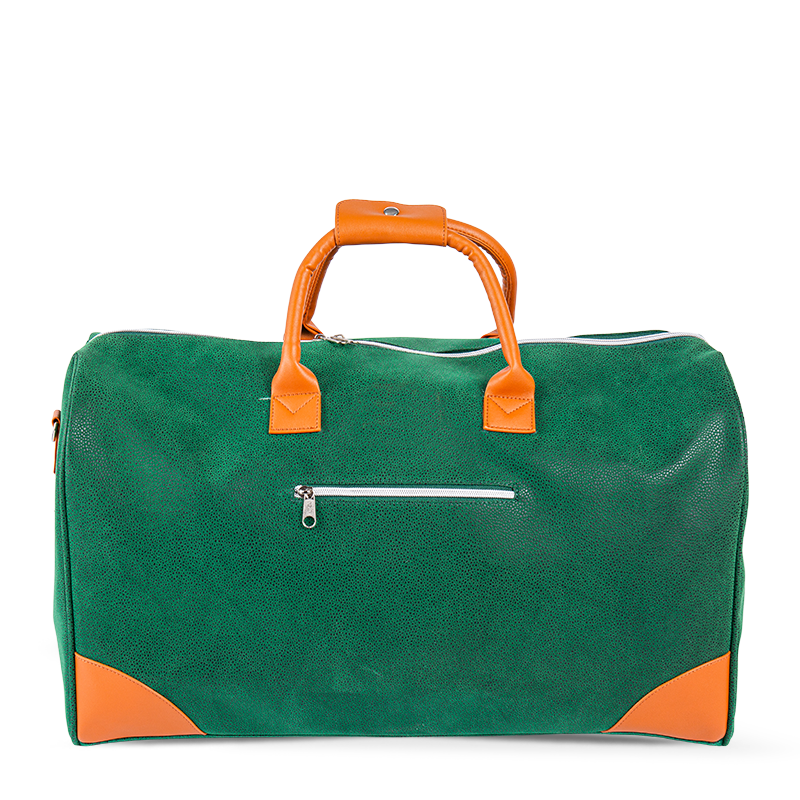
Cylindrical soft bags with carry handles and shoulder straps offer maximum packing flexibility. Wheeled duffels combine the spaciousness of traditional duffels with rolling convenience, making them popular for sports equipment and extended trips.
Garment Bags
Specialized soft luggage designed to transport suits, dresses, and formal wear while minimizing wrinkles. These fold in half or thirds and typically measure 40-45 inches in length when fully extended.
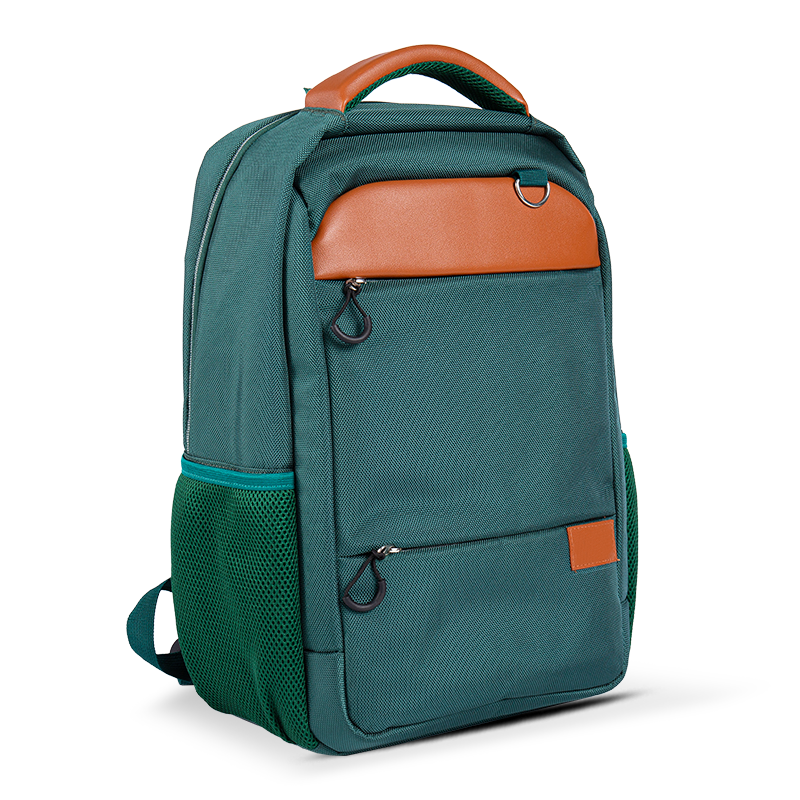
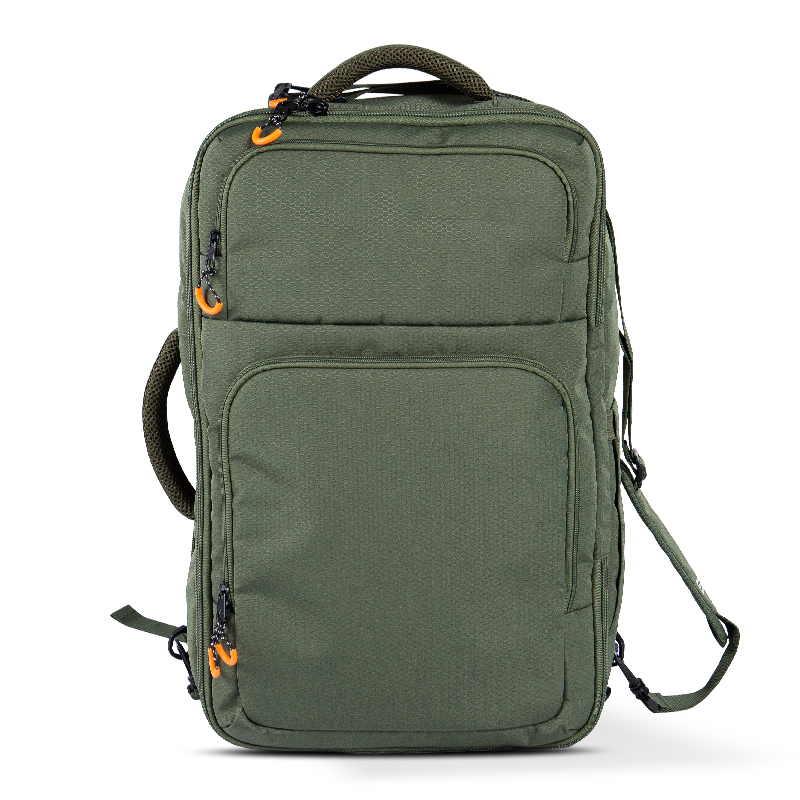
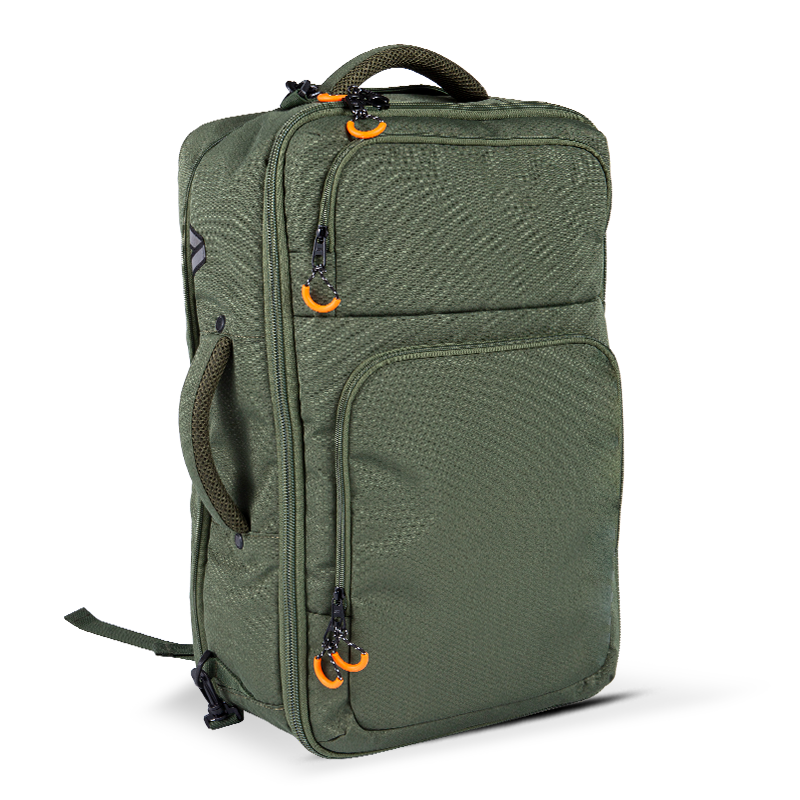
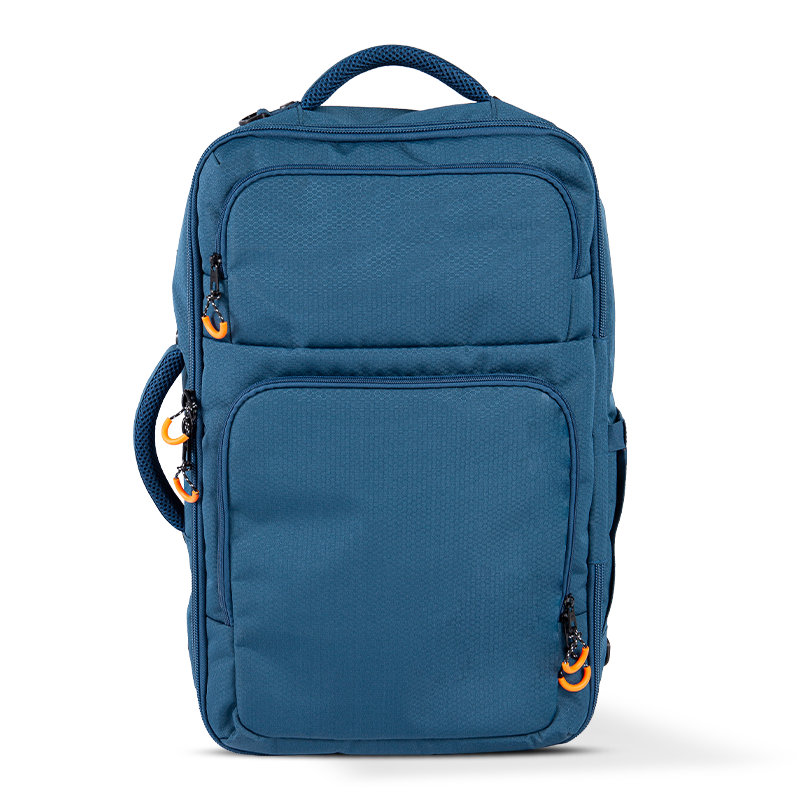
Backpack-Style Luggage
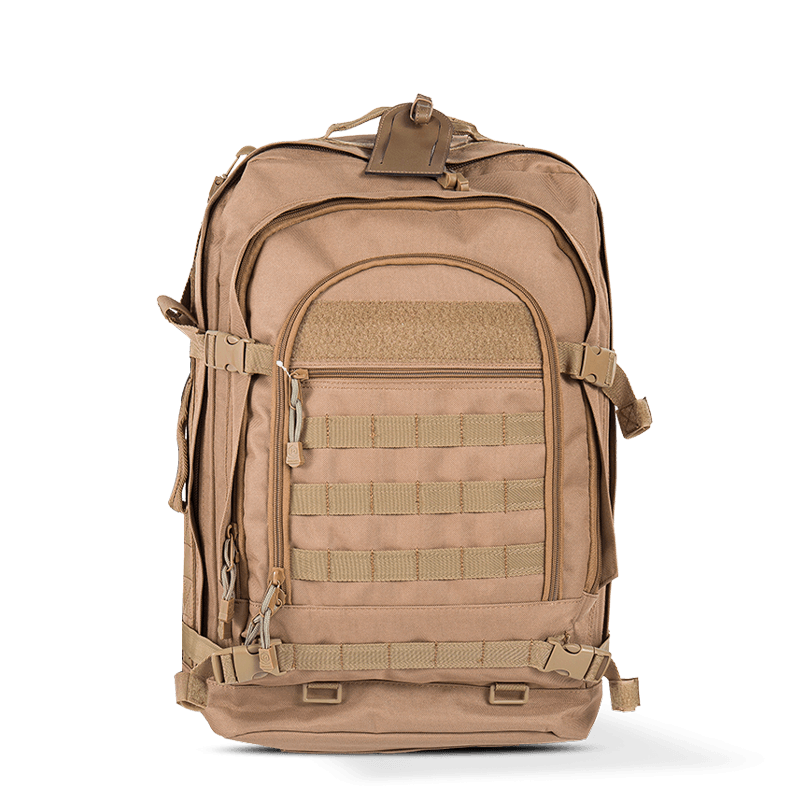
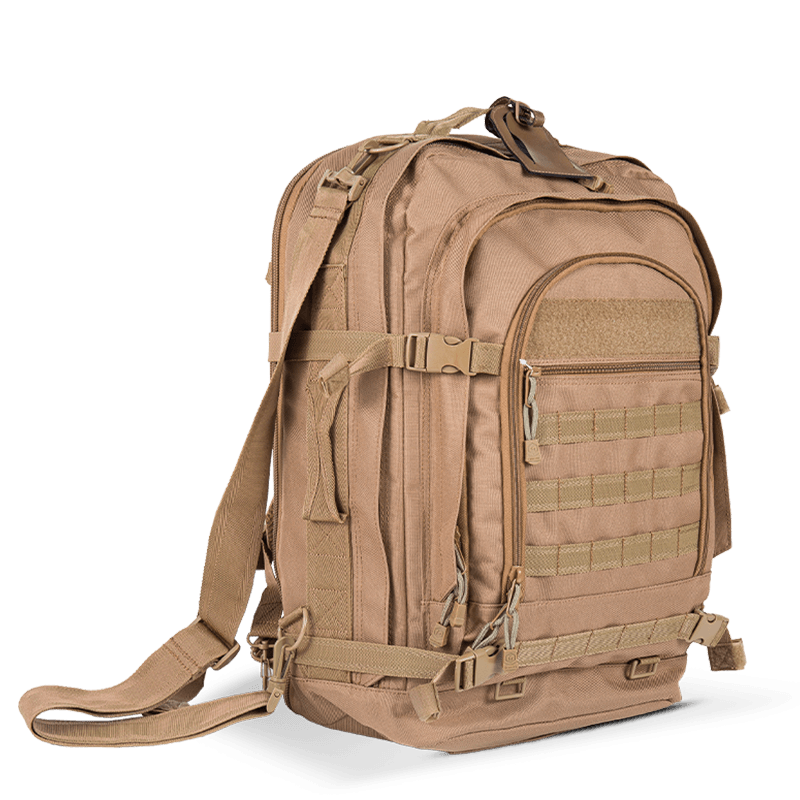
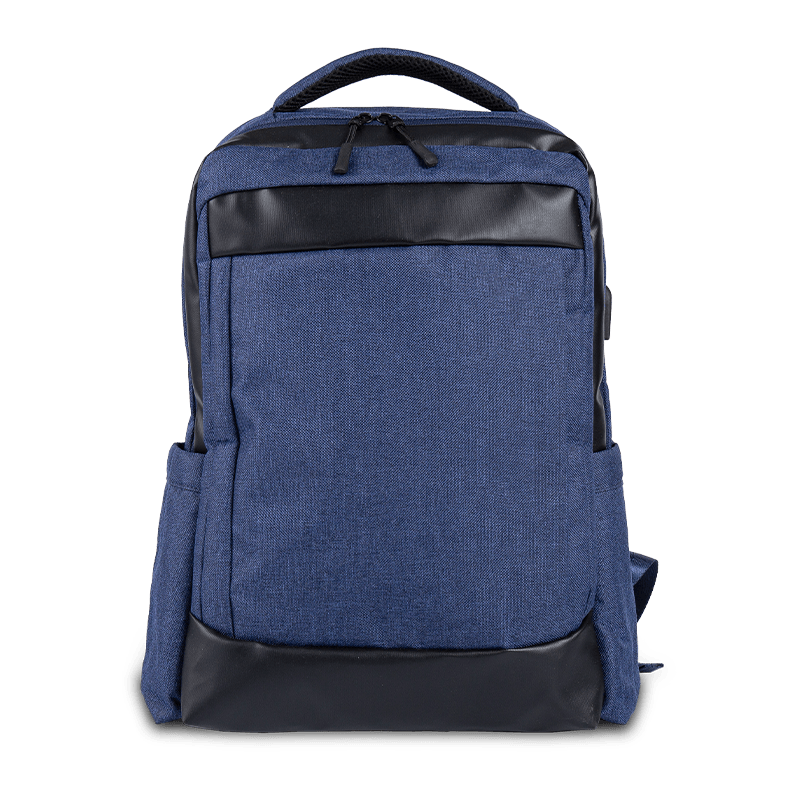
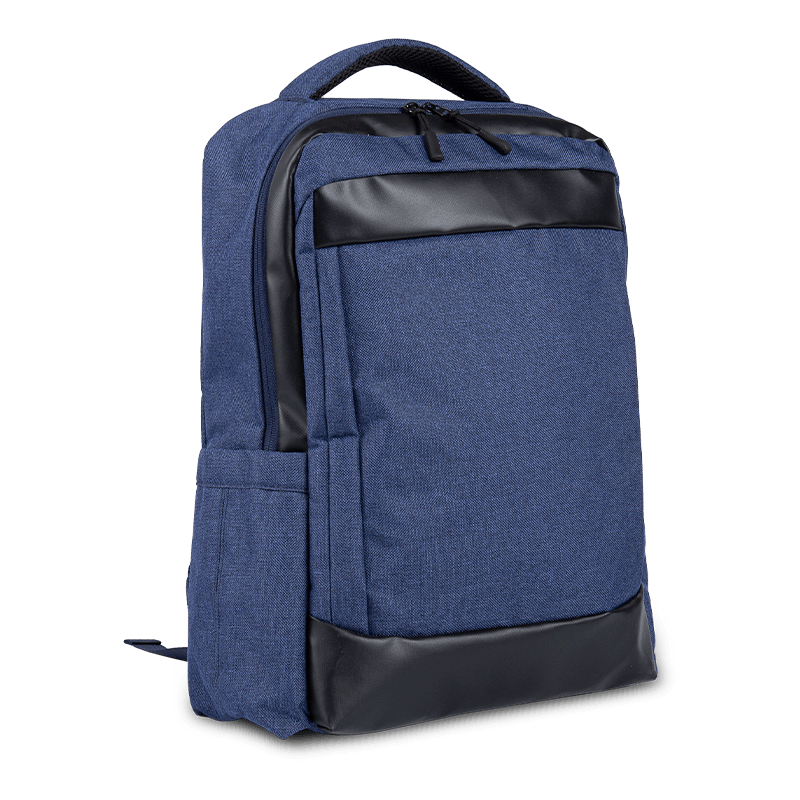
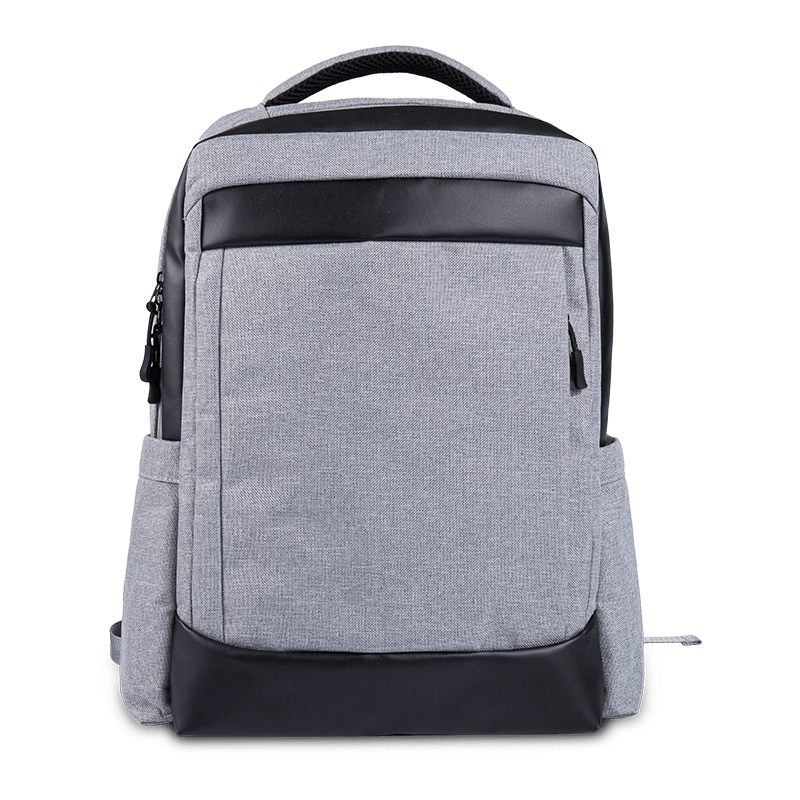
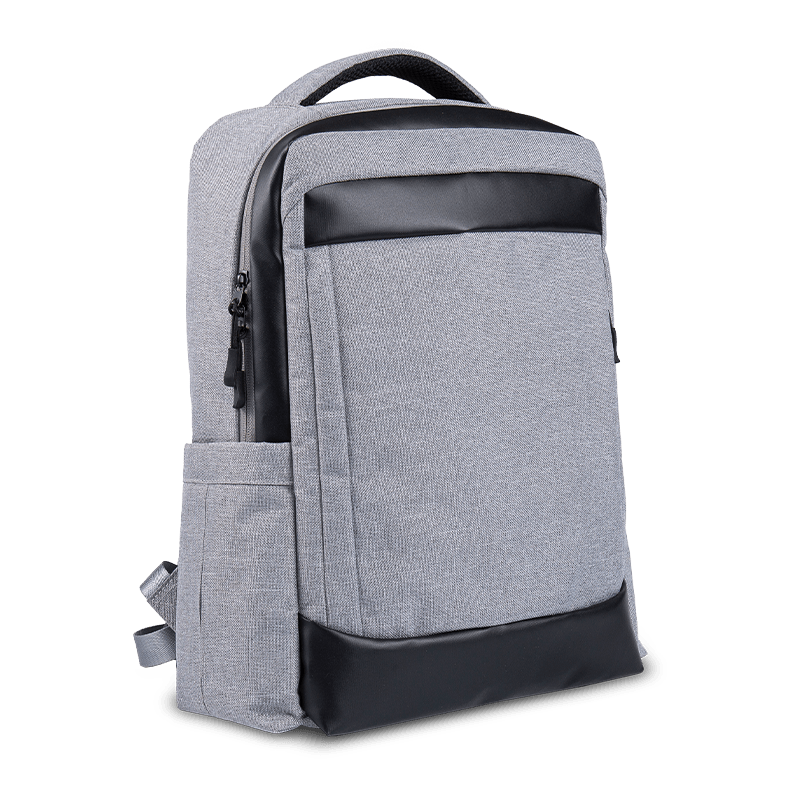
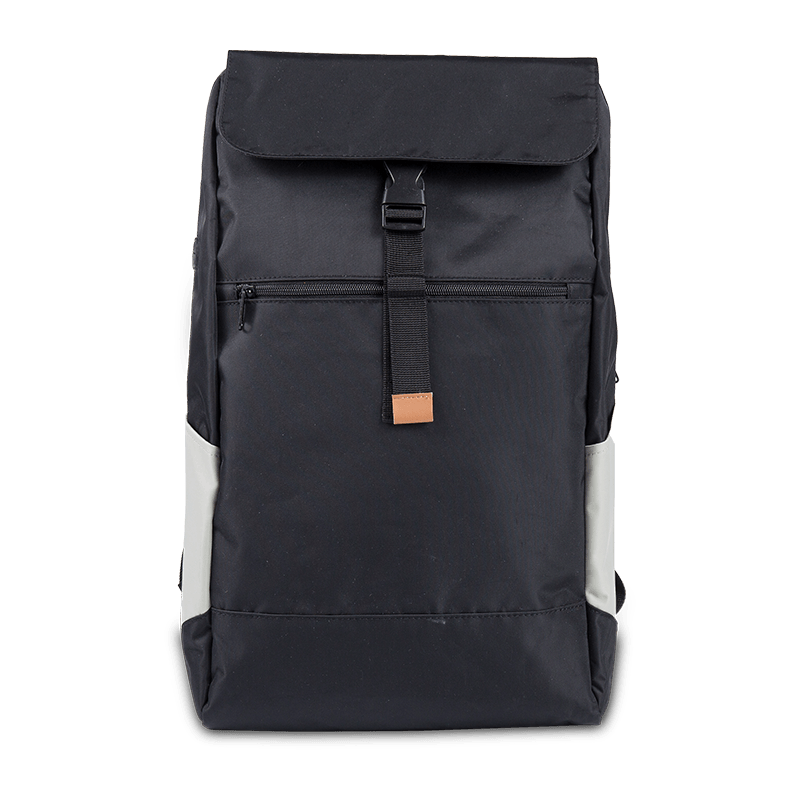
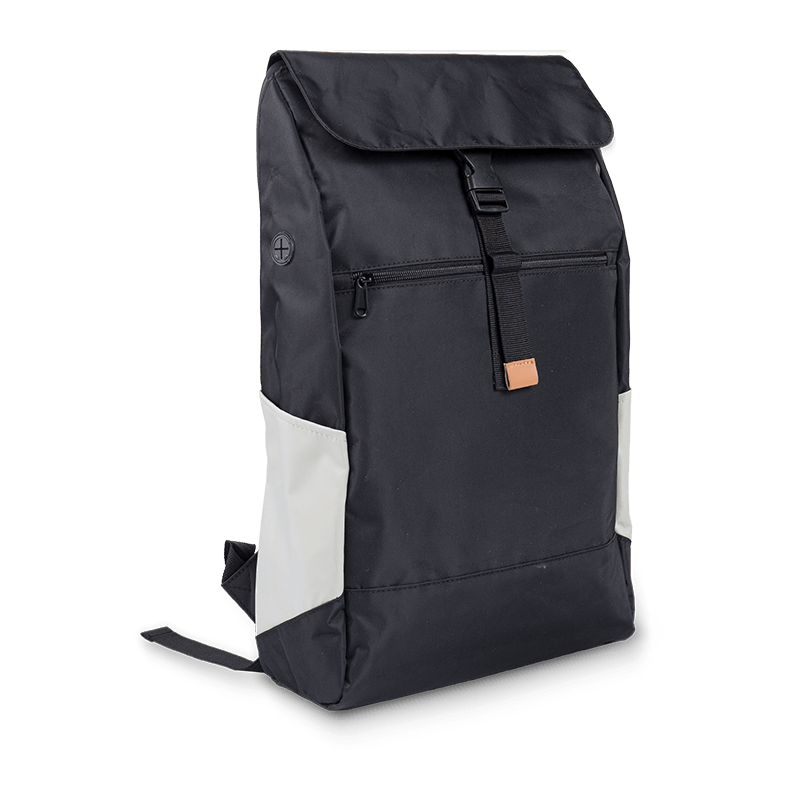
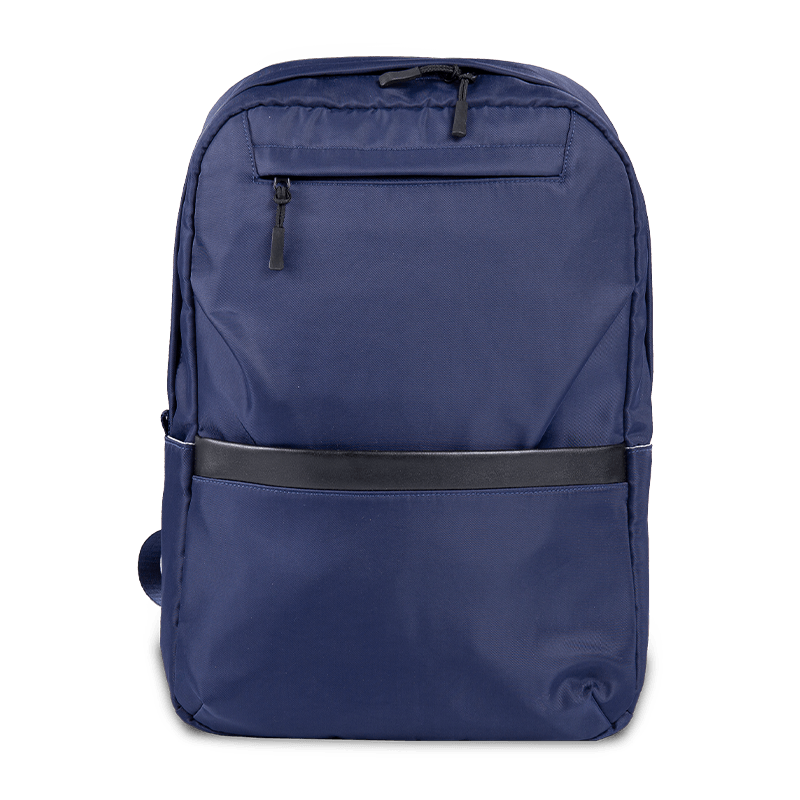
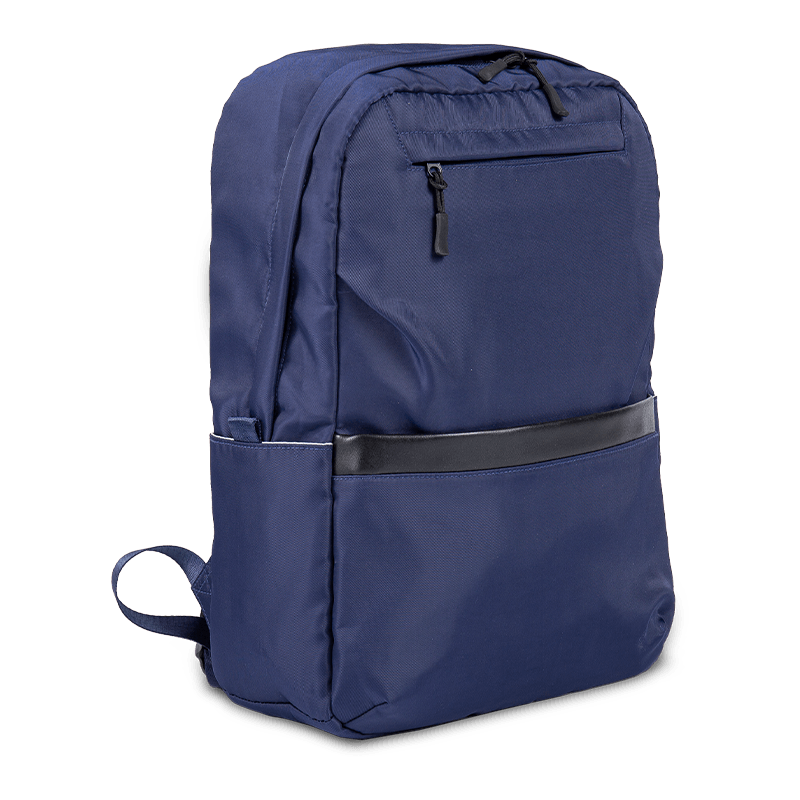
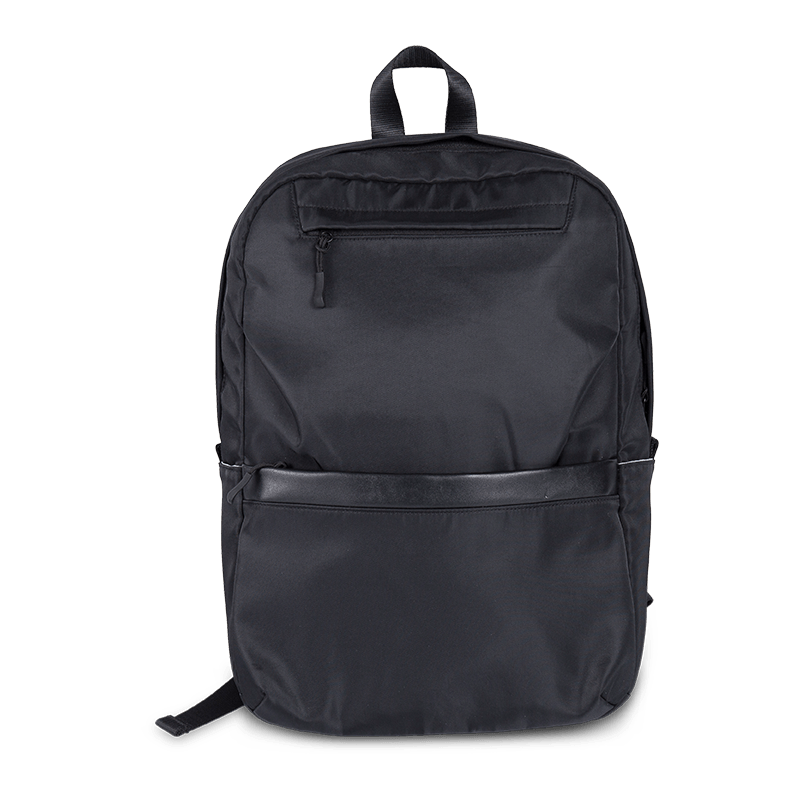
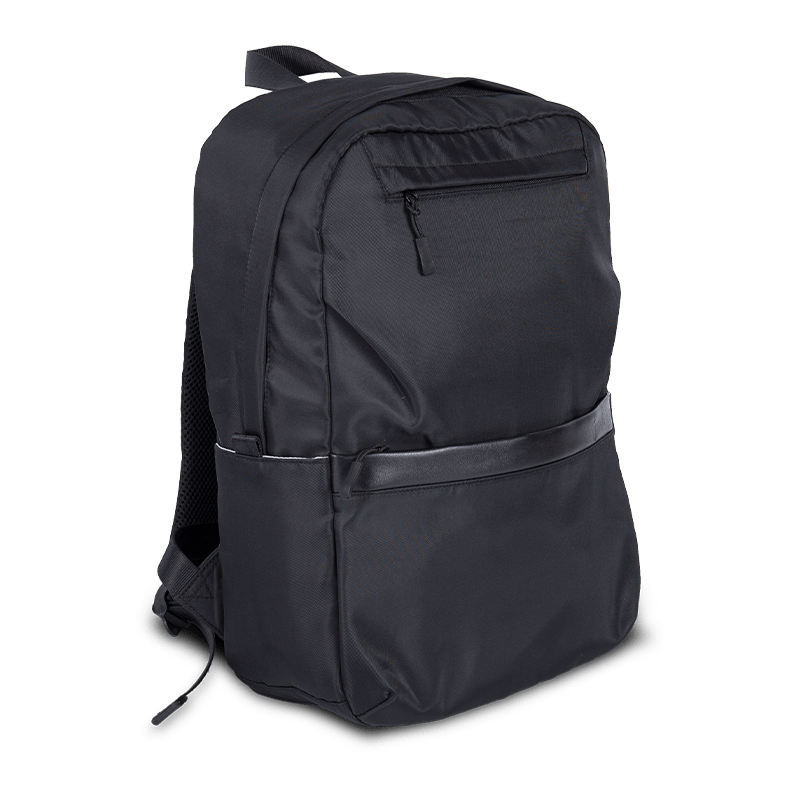
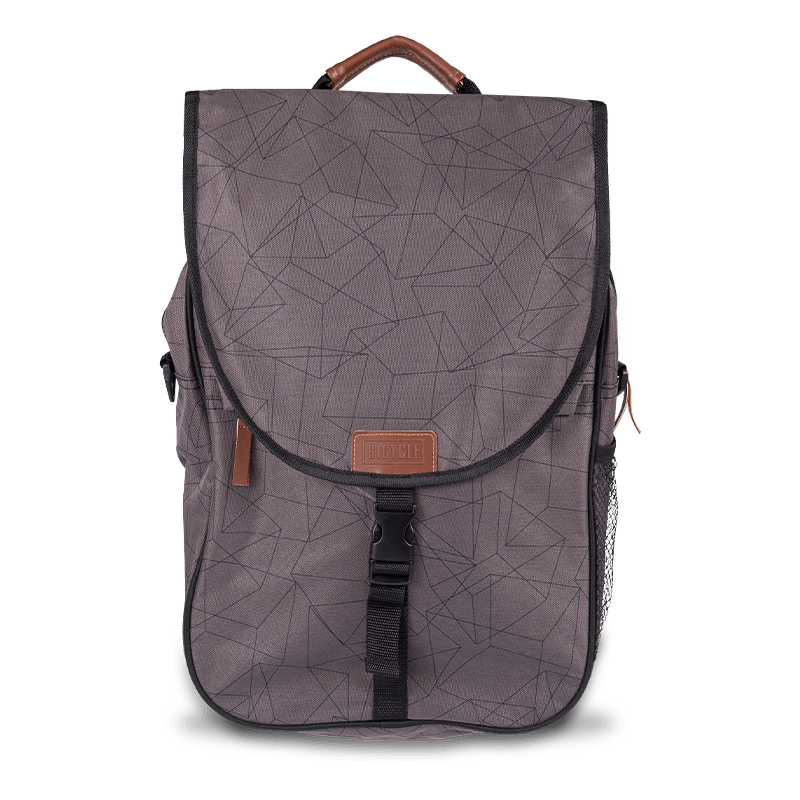
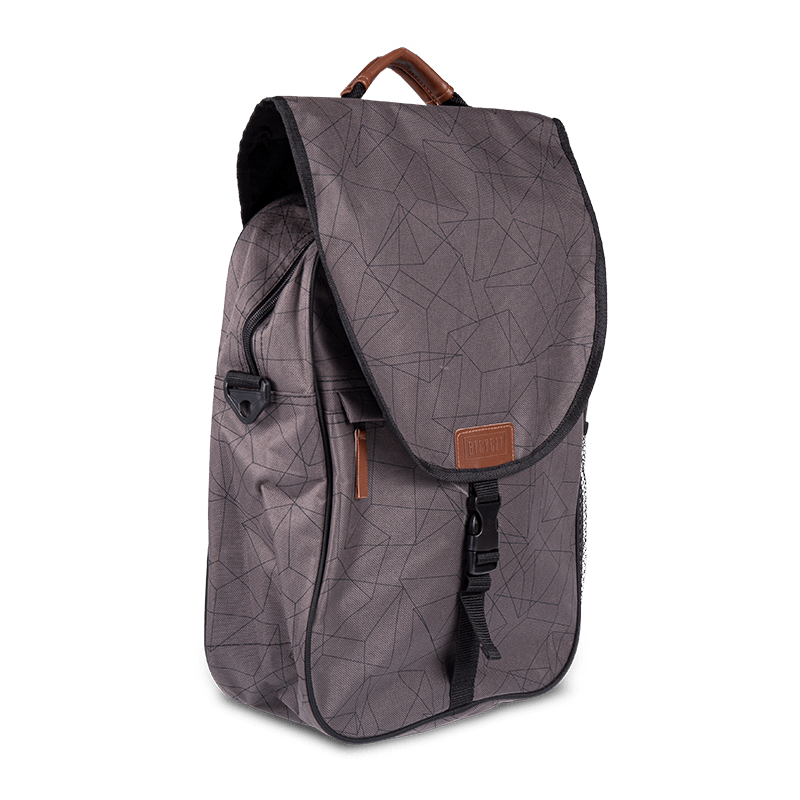
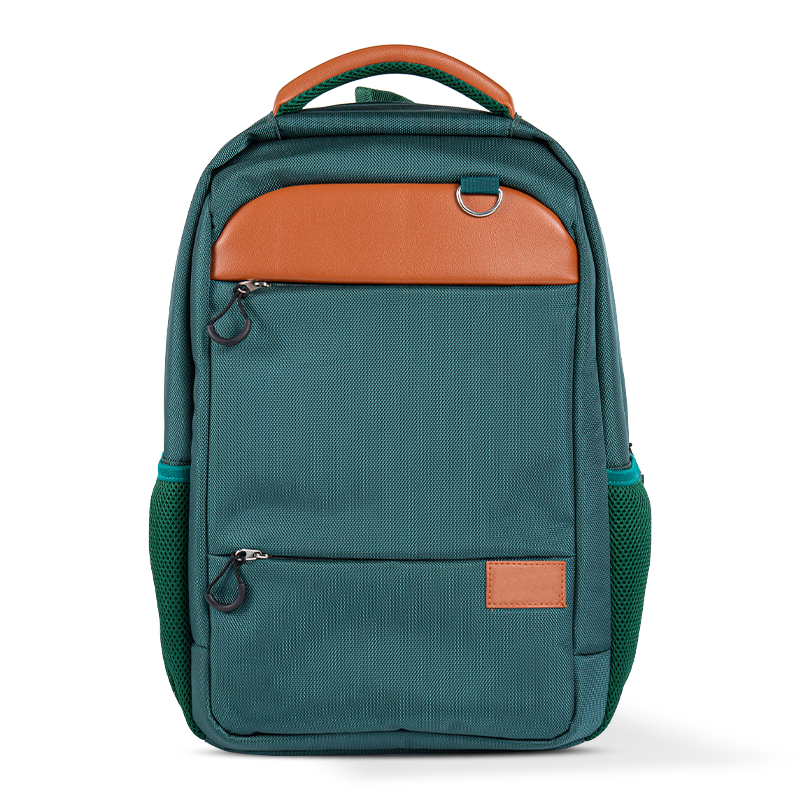
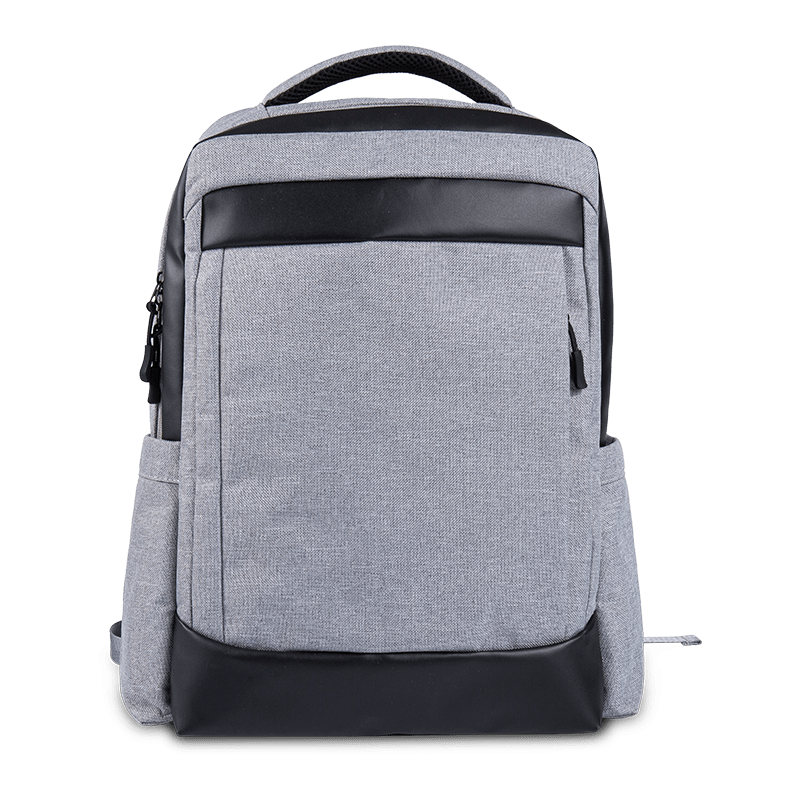
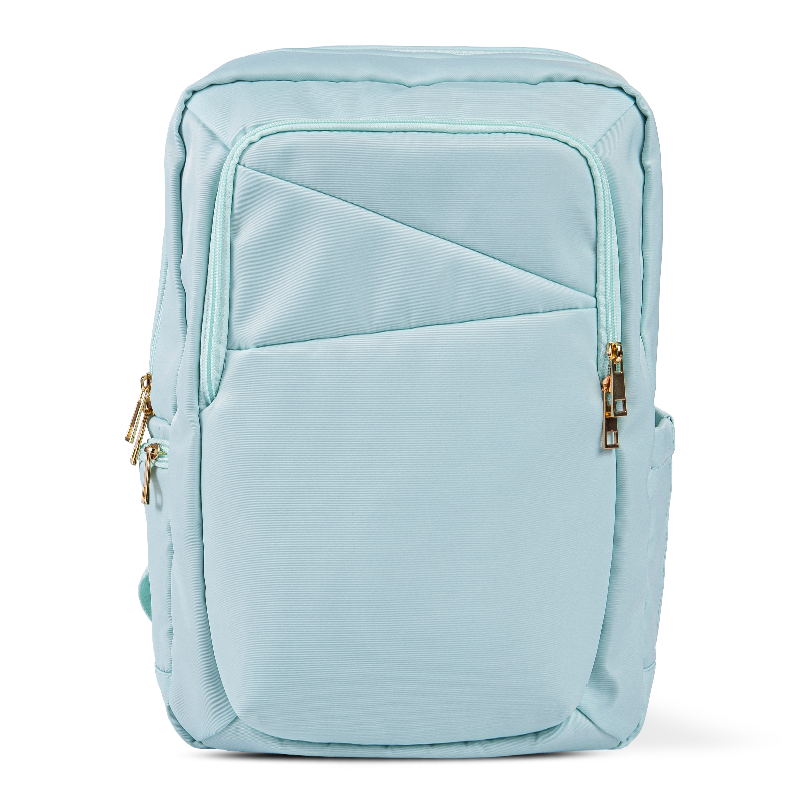
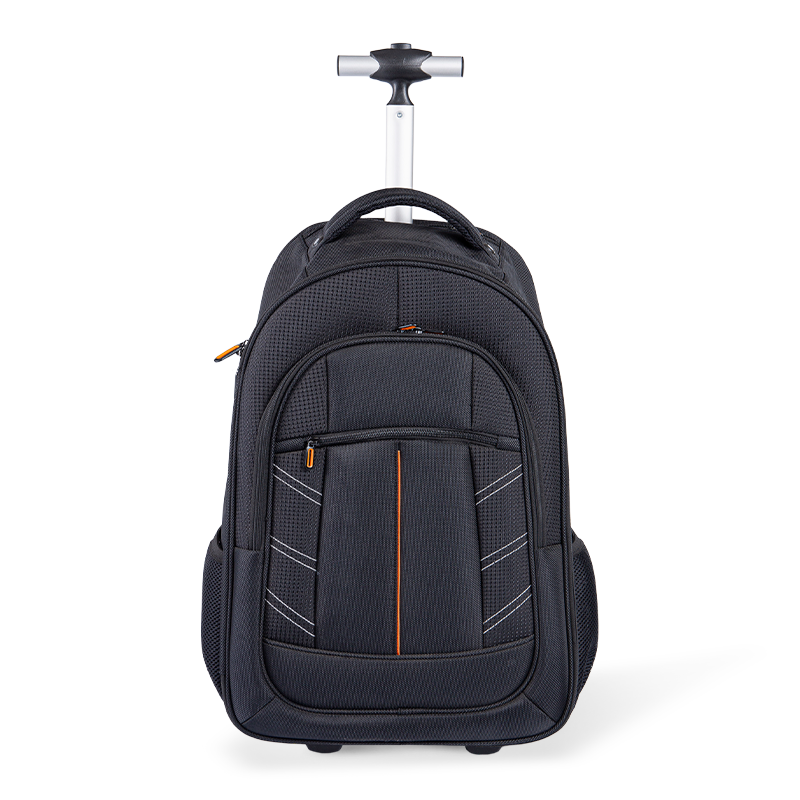
Combining backpack functionality with luggage capacity, these bags suit adventure travelers and those navigating public transportation or cobblestone streets where wheeled luggage proves impractical.
Who Should Choose Soft Sided Luggage
Certain traveler profiles benefit more significantly from soft sided luggage characteristics:
- Frequent business travelers who need quick access to electronics, documents, and professional attire
- Budget-conscious travelers maximizing airline weight allowances, as soft luggage weighs less empty
- Overpacker tendencies who appreciate expandable capacity for return trips
- Carry-on only travelers who need bags that compress to fit full overhead bins
- Those with limited storage space at home, as soft bags collapse when not in use
Conversely, travelers transporting fragile items, expensive electronics, or those visiting destinations with heavy rainfall may find hardshell luggage more suitable for their needs.
Maintenance and Longevity
Proper care extends the lifespan of soft sided luggage significantly, with quality bags lasting 5-10 years under regular use.
Cleaning Methods
Spot clean fabric surfaces with mild detergent and warm water using a soft brush. For stubborn stains, create a paste of baking soda and water, apply to the affected area, let sit for 30 minutes, then scrub gently. Avoid machine washing unless explicitly recommended by the manufacturer, as it can damage internal frames and waterproof coatings.
Storage Recommendations
Store soft luggage in a cool, dry location away from direct sunlight to prevent fabric degradation. Fill bags with tissue paper or bubble wrap to maintain shape during long-term storage. Leave zippers partially open to prevent moisture buildup and musty odors.
Wear Prevention
Avoid overpacking beyond the bag's stated capacity, as this stresses seams and zippers. Regularly inspect and lubricate wheels and handles, tightening loose screws before they cause permanent damage. Apply fabric protector spray annually to maintain water resistance and stain protection.
Price Ranges and Value Considerations
Soft sided luggage spans a wide price spectrum based on materials, brand reputation, and construction quality.
| Price Category | Typical Range | Expected Features | Durability |
|---|---|---|---|
| Budget | $50-$100 | Basic polyester, 2 wheels, limited pockets | 1-3 years |
| Mid-Range | $100-$300 | Ballistic nylon, 4 spinners, expansion zipper | 4-7 years |
| Premium | $300-$600 | Cordura/leather, lifetime warranty, compression system | 8-10+ years |
When evaluating cost-per-use, a $250 mid-range bag used for 50 trips costs $5 per trip, often proving more economical than replacing budget options every 2-3 years. Premium brands like Briggs & Riley and Travelpro offer lifetime warranties that can justify higher initial investment for frequent travelers.