



 English
 Español
 عربى
عربىContent
- 1 What Makes a Hiking Backpack Truly Waterproof and Durable
- 2 Key Waterproofing Technologies Explained
- 3 Materials That Define Long-Term Durability
- 4 How to Evaluate Build Quality Before Buying
- 5 Choosing the Right Capacity for Your Trip Length
- 6 Features That Add Practical Value on the Trail
- 7 Maintaining Waterproofing Over Time
- 8 When to Use a Rain Cover Alongside a Waterproof Pack
- 9 Practical Checklist Before Your Next Purchase
What Makes a Hiking Backpack Truly Waterproof and Durable
A durable waterproof hiking backpack must combine a water-resistant or fully waterproof shell, reinforced seams, and rugged materials that hold up across hundreds of trail miles. Not every pack marketed as waterproof delivers equal protection, and not every durable pack is built for long-distance load-bearing. Understanding the difference before you buy saves you from wet gear and failed zippers mid-trail.
Waterproofing in backpacks generally falls into two categories: water-resistant treatment and fully sealed construction. Water-resistant packs use a Durable Water Repellent (DWR) coating on the outer fabric, which causes rain to bead and roll off. Fully waterproof packs use either a roll-top closure system, taped seams, or a waterproof liner to prevent water from entering regardless of rainfall intensity. For serious hiking, especially in alpine or coastal environments, the distinction matters enormously.
Durability, meanwhile, comes down to materials and construction quality. Packs made from 500D to 1000D nylon or polyester with reinforced stress points and welded or taped seams consistently outlast lighter alternatives in independent gear testing and long-term user reports.
Key Waterproofing Technologies Explained
Manufacturers use several methods to keep water out, and each has practical trade-offs for hikers.
DWR Coatings
DWR treatments are applied to the outer fabric to repel light rain and moisture. They work well for brief showers but degrade over time with use, UV exposure, and washing. Most DWR-treated packs need reapplication after 20 to 30 days of heavy use. While DWR adds minimal weight, it is not suitable as a standalone waterproofing solution for extended trips in wet climates.
Taped and Welded Seams
Standard stitched seams are a primary entry point for water. Packs with taped or welded seams seal these gaps entirely. Seam-taped construction increases water resistance by up to 80 percent compared to untreated seams, according to field testing by gear review organizations. This feature is especially important at the base of the pack where pooling water is most likely to seep through.
Roll-Top Closures
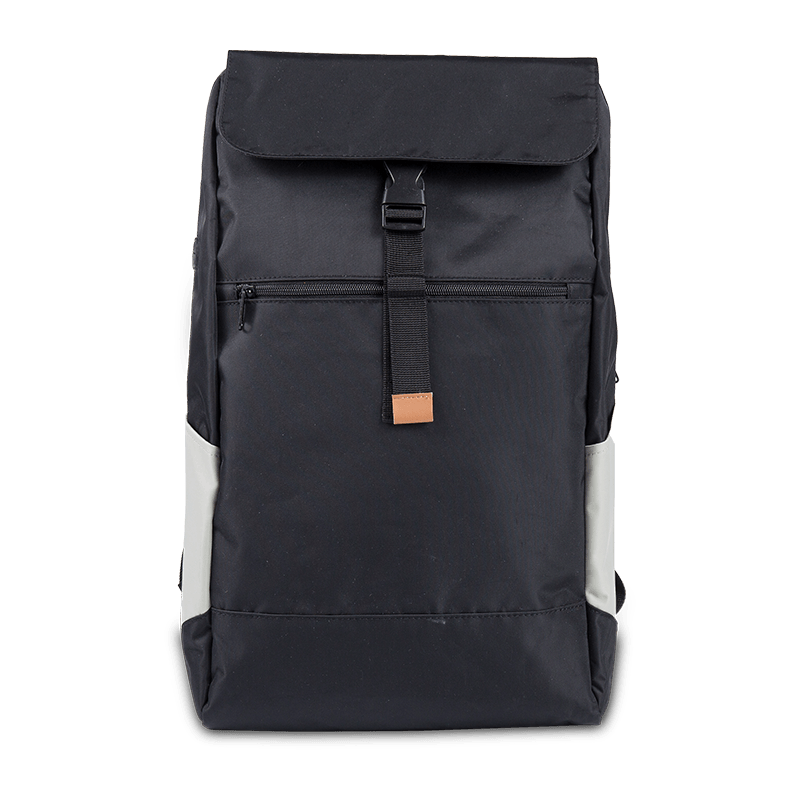
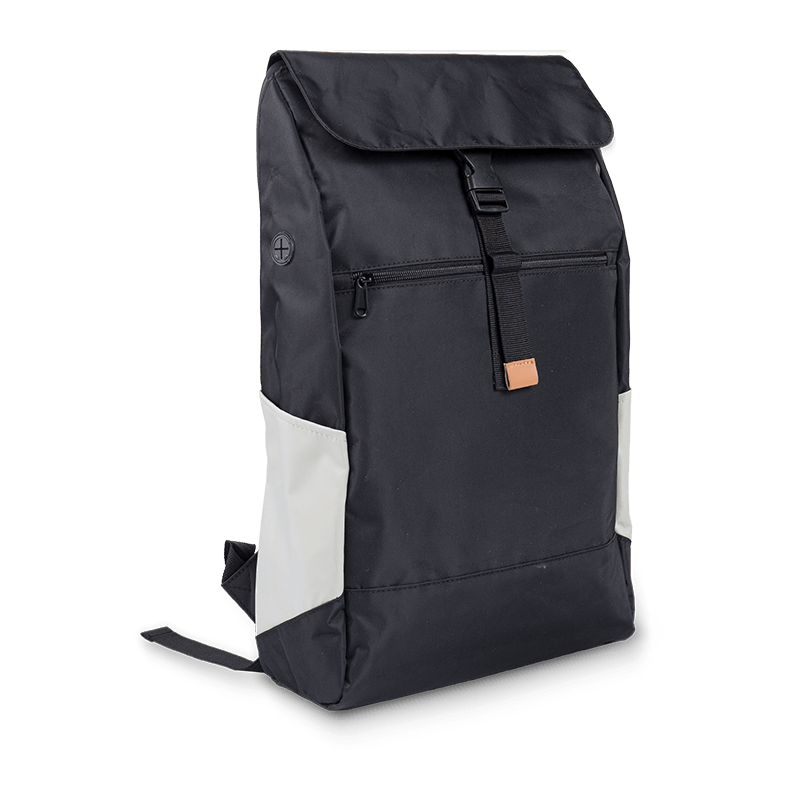
Roll-top closures eliminate zippers at the main compartment, which are a common weak point in waterproofing. When rolled down three or more times and clipped, a roll-top creates a nearly watertight seal. Packs using roll-top systems with welded seams can withstand full submersion in up to one meter of water for 30 minutes, making them the preferred choice for water crossings and kayak approaches to trailheads.
Internal Waterproof Liners
Some packs use a separate waterproof liner bag inside a more conventionally designed outer shell. This approach allows for a traditional zipper and pocket layout while protecting the main compartment contents. It adds slight bulk but makes it easy to access items without removing the liner during breaks.
Materials That Define Long-Term Durability
The fabric of a hiking backpack determines how well it resists abrasion, tearing, and general trail wear. Here is a comparison of the most commonly used materials:
| Material | Denier Range | Abrasion Resistance | Weight | Best Use Case |
|---|---|---|---|---|
| Ripstop Nylon | 70D to 210D | Moderate | Light | Ultralight day hikes |
| Ballistic Nylon | 840D to 1050D | Very High | Heavy | Multi-week expeditions |
| Cordura Nylon | 500D to 1000D | High | Medium | 3-season backpacking |
| TPU-Coated Polyester | 300D to 600D | Moderate to High | Medium | Wet-environment hiking |
| UHMWPE Composite | Varies | Extremely High | Very Light | Technical alpine routes |
For most hikers, 500D Cordura nylon with a polyurethane or TPU coating offers the best balance of durability and weight. Ballistic nylon is significantly heavier but excels in bush-bashing terrain where abrasion from rock and brush is constant.
How to Evaluate Build Quality Before Buying
A high denier fabric does not guarantee a long-lasting pack if construction quality is poor. These are the specific details to inspect:
- Stitching density: Look for 8 to 10 stitches per inch at stress points such as shoulder strap attachments and haul loops. Fewer stitches mean weaker seams under load.
- Bar-tack reinforcement: These dense zigzag stitches should appear at every attachment point. A pack without bar-tacking at the hip belt anchor points will likely fail after 200 to 300 miles of loaded hiking.
- Zipper quality: YKK and Riri zippers are industry benchmarks. Self-repairing zipper coils add longevity. Avoid packs with plastic zipper sliders on main compartment openings.
- Buckle and hardware rating: Hip belt and sternum strap buckles should be rated for at least 45 kg load. Many budget packs use unrated hardware that cracks in cold temperatures.
- Base panel thickness: The bottom of the pack takes the most abuse when set down on rock or gravel. Packs with a double-layer base or a separate reinforced base panel last significantly longer.
Choosing the Right Capacity for Your Trip Length
Pack volume should match the trip duration. Oversized packs invite overpacking, which increases strain on waterproof seams and frame systems. Undersized packs force external attachment of wet gear, reducing waterproofing effectiveness.
Day Hiking: 20 to 35 Liters
For single-day hikes in wet environments, a 20 to 35-liter pack with a roll-top closure and DWR coating is sufficient. At this capacity, a fully waterproof design is often unnecessary unless you are crossing rivers or hiking in persistent rain. A lightweight roll-top daypack typically weighs between 600 g and 1.1 kg, leaving plenty of carry capacity for water, food, and layers.
Weekend Trips: 40 to 55 Liters
Two to three night trips require shelter, a sleeping system, and additional food, pushing volume needs to 40 to 55 liters. At this size, a full internal frame becomes important for load transfer. Waterproofing should be more robust, with seam-taped construction or an integrated waterproof liner to protect sleeping bags and down insulation, which lose insulating value when wet.
Extended Expeditions: 60 to 80 Liters
Week-long or multi-week trips in variable weather demand the most from both durability and waterproofing. Packs in the 65 to 75-liter range with 500D or higher Cordura construction and hip belts rated for 20 kg or more are the standard choice for serious backcountry expeditions. At this level, an additional pack cover provides a useful secondary waterproofing layer even if the pack itself has seam-taped construction.
Features That Add Practical Value on the Trail
Beyond waterproofing and durability, several design features make a meaningful difference in real hiking use:
- Hydration compatibility: A dedicated sleeve for a reservoir and a routed tube port keeps drinking water accessible without opening the main compartment. This reduces the frequency of exposing contents to rain.
- Load lifter straps: These short straps above the shoulder straps transfer weight to the shoulder frame rather than pulling back on the top of the pack. On loads above 10 kg, they reduce shoulder fatigue noticeably over a full day.
- Hip belt pockets: Small zippered pockets on the hip belt provide fast access to snacks, a phone, or a map without stopping to open the main compartment. Waterproof zippers on these pockets prevent moisture entry during rain.
- Trekking pole attachments: Dedicated loops or bungee webbing on the front panel allow secure storage of poles during scrambling sections, reducing pack imbalance.
- Ventilated back panel: Mesh suspended panels or channel systems on the back panel reduce sweat buildup, which can degrade both the pack material and waterproof coatings faster than trail conditions.
- Compression straps: Side compression straps stabilize a partially filled pack and compress the load to reduce movement that stresses seams and attachment points.
Maintaining Waterproofing Over Time
Even the most durable waterproof packs require periodic maintenance to preserve their protective qualities. Neglecting this shortens a pack's effective waterproof lifespan considerably.
Refreshing DWR Coatings
When water no longer beads on the outer fabric but instead soaks in and darkens the material, the DWR coating is failing. This can be restored by washing the pack with a technical fabric cleaner and applying a spray-on or wash-in DWR treatment. Re-treating a pack takes roughly 20 minutes and extends waterproof performance for another season of regular use.
Inspecting Seams and Zippers
After extended trips, check all seam tape for peeling or delamination, particularly at corners and high-flex areas. Seam sealer can be reapplied to any gaps. Zipper maintenance involves occasional cleaning with a soft brush and lubrication with a wax-based zipper lubricant to prevent corrosion and sticky operation in cold conditions.
Storage and Drying
Storing a wet pack compressed or in a sealed bag accelerates mold growth on both the fabric and internal foam padding. Always air-dry packs fully before storage, preferably in indirect sunlight. Avoid storing packs in direct UV exposure for extended periods, as UV degradation reduces tensile strength in nylon by up to 40 percent over two years of direct sunlight exposure.
When to Use a Rain Cover Alongside a Waterproof Pack
A common question is whether a waterproof pack still benefits from an external rain cover. The answer depends on conditions and construction type.
For roll-top packs with fully welded seams, a rain cover adds redundancy but is rarely necessary in standard rain. However, in sustained heavy rain above 50 mm per hour or during stream crossings, a cover adds a meaningful secondary barrier and protects external gear lashed to the pack.
For seam-taped packs with zippered openings, a rain cover is recommended in heavy or prolonged rain, as zippered entry points remain the weakest waterproofing link regardless of zipper quality. A fitted rain cover adds approximately 100 to 200 g to total pack weight, which is a worthwhile trade-off for protection in unpredictable mountain weather.
In all cases, placing sleeping bags and electronics in separate dry bags inside the main compartment provides a final layer of protection that no external waterproofing system can fully replace.
Practical Checklist Before Your Next Purchase
Use this checklist to evaluate any durable waterproof hiking backpack before committing to a purchase:
- Confirm the waterproofing method: DWR only, seam-taped, roll-top, or fully welded
- Check fabric denier: 500D or higher for multi-day durability
- Inspect hardware: rated buckles, YKK-grade zippers, bar-tack reinforcement
- Verify capacity matches your typical trip length
- Test fit with a representative load before buying, especially hip belt position and load lifter angle
- Check warranty terms: lifetime or 10-plus year warranties signal manufacturer confidence in durability
- Confirm whether the pack includes or is compatible with a fitted rain cover
A well-chosen durable waterproof hiking backpack is a decade-long investment. Spending time on material and construction details before buying is far more cost-effective than replacing a failed pack mid-expedition or after only a few seasons of use.