



 English
 Español
 عربى
عربىContent
- 1 What Makes Hard Shell Luggage a Practical Travel Choice
- 2 Common Materials Used in Hard Shell Luggage
- 3 Choosing the Right Size and Capacity
- 4 Mobility Features That Improve Travel Comfort
- 5 Security Features in Hard Shell Luggage
- 6 Interior Organization and Packing Efficiency
- 7 Weight Considerations and Airline Restrictions
- 8 Maintenance and Long-Term Care Tips
- 9 Who Benefits Most from Hard Shell Luggage
What Makes Hard Shell Luggage a Practical Travel Choice
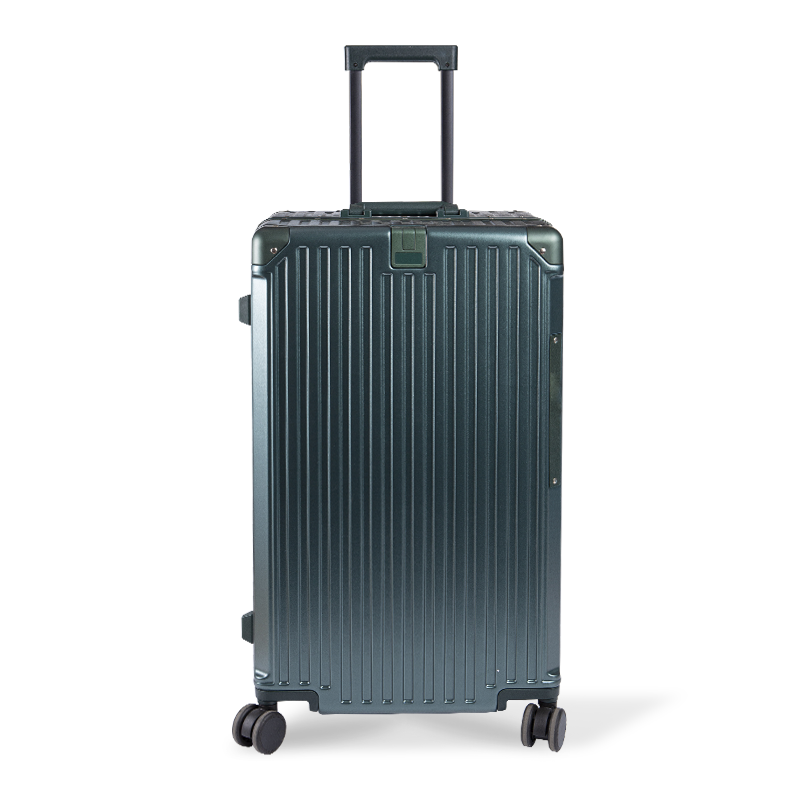
Hard shell luggage is designed with a rigid exterior that protects belongings from impact, moisture, and pressure during travel. Unlike soft bags, the structured shell maintains its shape, making it easier to stack in overhead bins or luggage compartments. This type of luggage is especially popular with air travelers who need dependable protection for electronics, souvenirs, and fragile items.
Modern hard shell suitcases combine durability with lightweight construction. Advances in materials such as polycarbonate and ABS plastic have reduced overall weight while improving resistance to cracks and dents. For travelers who value security, organization, and long-term use, hard shell luggage remains a reliable option.
Common Materials Used in Hard Shell Luggage
Understanding materials helps buyers choose the right balance between strength, flexibility, and cost. Each material offers different performance characteristics depending on travel frequency and handling conditions.
Polycarbonate
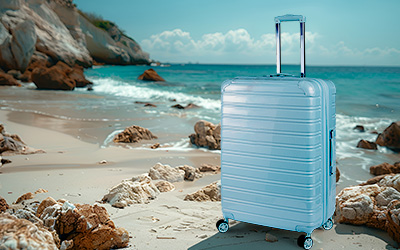
Polycarbonate is considered a premium material in hard shell luggage. It flexes under pressure rather than cracking, making it suitable for frequent flyers. Although usually more expensive, polycarbonate luggage offers excellent impact resistance and long service life.
ABS Plastic
ABS is a budget-friendly material commonly found in affordable hard shell suitcases. It is lightweight and rigid but less flexible than polycarbonate. ABS luggage works well for occasional travelers or short trips where rough handling is less likely.
Aluminum
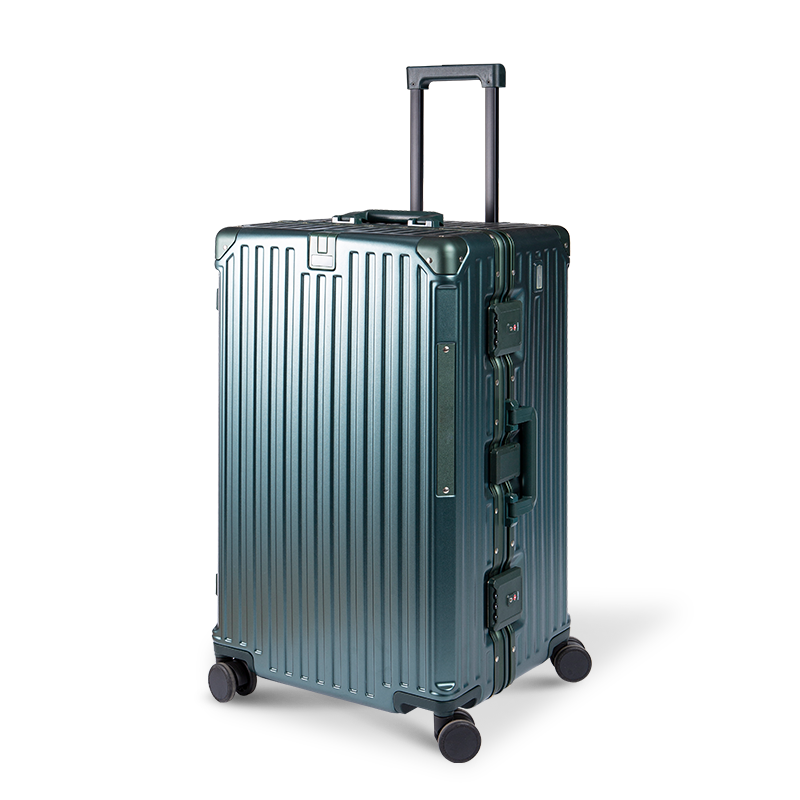
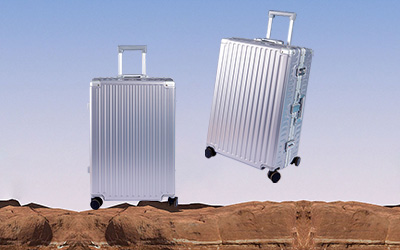
Aluminum hard shell luggage offers unmatched protection and a premium appearance. It resists punctures and provides superior security but is heavier and more expensive. Aluminum cases are often chosen for business travel or transporting valuable equipment.
Choosing the Right Size and Capacity
Hard shell luggage is available in carry-on, medium, and large sizes. Selecting the correct size depends on trip length, airline restrictions, and packing habits. Carry-on hard shell luggage is popular for short trips and business travel, while larger suitcases suit extended vacations.
- Carry-on sizes fit airline cabin requirements and reduce baggage fees.
- Medium sizes balance portability and packing space for week-long trips.
- Large hard shell suitcases provide maximum capacity for long journeys or family travel.
Mobility Features That Improve Travel Comfort
Mobility plays a major role in overall travel experience. Modern hard shell luggage typically includes spinner wheels and ergonomic handles that reduce strain when navigating airports or city streets.
Spinner Wheels
Four-wheel spinner systems allow 360-degree movement, making luggage easier to maneuver in tight spaces. High-quality wheels are quiet, durable, and stable on uneven surfaces.
Telescopic Handles
Adjustable telescopic handles improve comfort by accommodating different user heights. Aluminum handles with multiple locking positions offer better stability and control.
Security Features in Hard Shell Luggage
Security is a key reason travelers choose hard shell suitcases. Rigid exteriors are more resistant to slashing, and built-in locks add another layer of protection.
- TSA-approved combination locks allow inspection without damage.
- Reinforced corners protect against forced entry and impact.
- Zipperless aluminum frames provide added tamper resistance.
Interior Organization and Packing Efficiency
A well-designed interior maximizes space and keeps items organized. Hard shell luggage often includes compression panels, divider walls, and zippered compartments that prevent shifting during transit.
Compression systems are especially helpful for reducing bulk and fitting more items without exceeding weight limits. Separate compartments also make it easier to organize clothing, shoes, and accessories.
Weight Considerations and Airline Restrictions
Lightweight hard shell luggage helps travelers stay within airline weight limits. Although hard cases are traditionally heavier than soft bags, newer designs focus on reducing material thickness without sacrificing strength.
| Luggage Size | Average Weight | Best Use |
| Carry-On | 3–4 kg | Short trips |
| Medium | 4–5.5 kg | One-week travel |
| Large | 5.5–7 kg | Extended stays |
Maintenance and Long-Term Care Tips
Proper care extends the lifespan of hard shell luggage. Cleaning the exterior with mild soap and water removes scuffs and stains. Avoid harsh chemicals that can weaken the shell material.
Storing luggage in a cool, dry place prevents warping and discoloration. Periodically checking wheels, handles, and locks ensures smooth performance before each trip.
Who Benefits Most from Hard Shell Luggage
Hard shell luggage suits travelers who prioritize protection, security, and organized packing. Business travelers appreciate the professional appearance and structured interior, while vacationers benefit from durability and weather resistance.
For frequent flyers, investing in high-quality hard shell luggage reduces replacement costs over time. Occasional travelers can still benefit from affordable models that offer essential protection and convenience.