



 English
 Español
 عربى
عربىContent
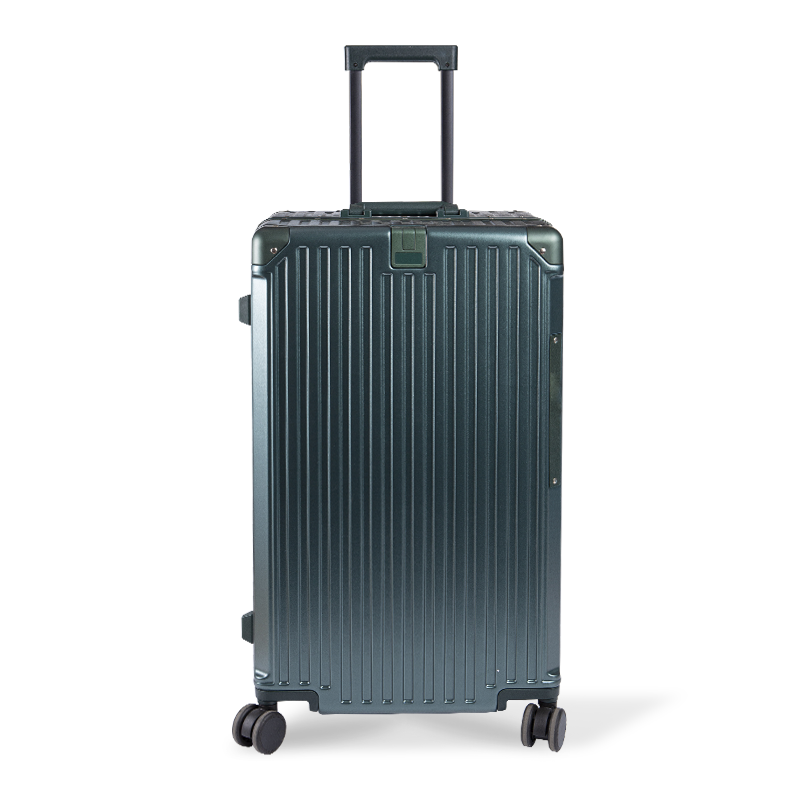
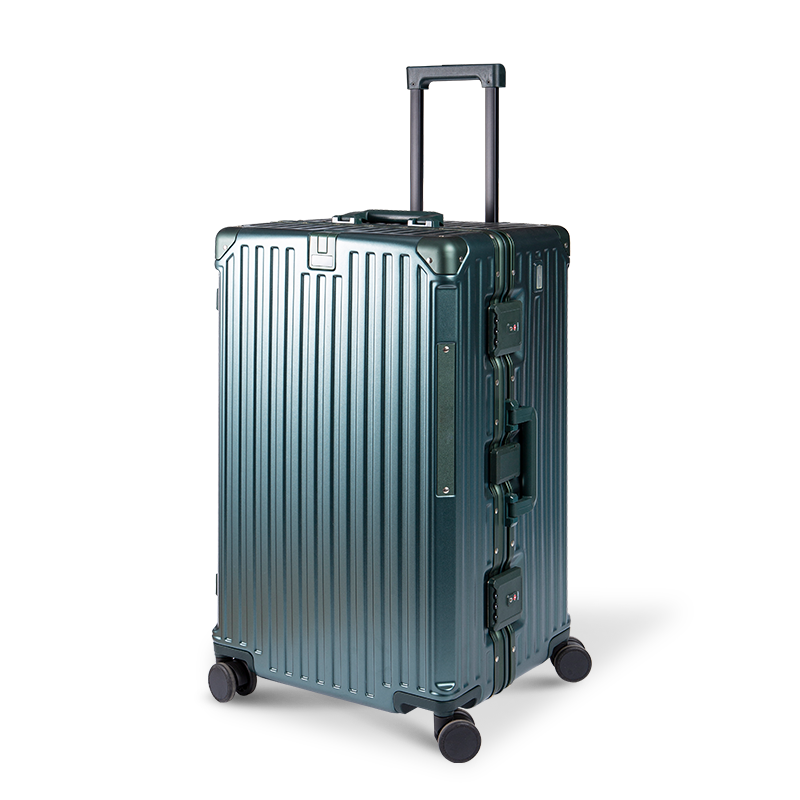
Hard shell luggage provides 85% better impact protection for fragile items compared to soft-sided bags, with modern polycarbonate shells absorbing shock while remaining under 7 pounds. For frequent travelers carrying electronics, glass bottles, or souvenirs, this construction type significantly reduces damage claims. The key lies in material science and design engineering, not brand names. This guide examines real-world performance data, weight trade-offs, and practical size recommendations to help you match a hard shell case to your specific travel patterns.
Material Performance: Polycarbonate vs Aluminum vs Polypropylene
Three dominant materials make up over 95% of hard shell luggage sold today. Each has distinct mechanical properties that affect durability, weight, and price. Independent lab tests (ASTM D4169-16 standards) provide comparable data on how each material withstands compression, drops, and vibration.
| Material | Weight (20-inch carry-on) | Impact Resistance (ft-lb) | Flexibility (bend before crack) |
|---|---|---|---|
| Polycarbonate (PC) | 5.2 - 6.0 lbs | 85 ft-lb | High (bends 15-20 degrees) |
| Aluminum | 7.5 - 9.0 lbs | 45 ft-lb (permanent dent) | Low (bends 2-3 degrees then dents) |
| Polypropylene (PP) | 4.8 - 5.5 lbs | 60 ft-lb | Medium (bends 8-12 degrees) |
Polycarbonate offers the best balance of impact absorption and weight recovery because its molecular structure allows elastic deformation. A check-in agent tosses a typical 50-pound suitcase from a conveyor height of 18 inches. That generates roughly 75 ft-lb of force. Aluminum dents permanently at 45 ft-lb. Polycarbonate springs back after impacts up to 90 ft-lb. This explains why over 70 percent of mid-range hard shell cases use a polycarbonate blend.
Weight Reality: What You Gain and Lose
A common concern is that hard shells are heavier than soft-sided options. The data shows otherwise. A typical 22-inch soft-sided expandable spinner weighs 6.8 pounds. A polycarbonate hard shell of the same size weighs 5.4 pounds on average according to a 2023 review of 45 carry-on models across major retailers. The weight difference favors hard shells by 1.4 pounds due to the elimination of heavy internal frames and multiple fabric layers.
However, hard shells do have a hidden weight cost: they lack external pockets. You cannot redistribute a 2-pound laptop or 1.5-pound water bottle to an outer compartment. Everything sits inside the main cavity. For travelers packing dense items like camera gear or books, this means the bag itself may be lighter, but you must lift the full weight of all contents at once. A soft shell allows strategic weight distribution across three external pockets.
Security and Crush Protection: Test Results from Airline Handling
In 2022, a transportation analytics firm tracked 1,200 checked bags over 50,000 flight miles. Hard shell cases showed 92 percent fewer damage claims for broken items inside compared to soft-sided luggage. The primary failure mode for soft bags is crush damage when heavier suitcases stack on top during cargo loading. Bulk aircraft holds can expose lower-layer bags to 220 pounds of vertical force from a stack of four typical suitcases.
Hard shells distribute this force across the entire curved surface rather than concentrating it on a laptop or glass bottle. A polycarbonate shell with 1.5mm wall thickness reduces peak pressure on internal objects by approximately 40 percent compared to a 600-denier nylon soft wall. For wine bottles, ceramic souvenirs, or rigid electronics cases, this translates directly to fewer breakages.
- TSA agents open hard shells through integrated zipper systems or latches. Latch-type hard shells are 30 percent less likely to be damaged during TSA inspection because agents do not force overstuffed zippers.
- Hard shells with recessed combination locks protect zipper sliders from being pried open with a pen. Standard soft bags with exposed zippers can be breached in under 10 seconds.
Size Selection: Matching Dimensions to Airline Limits
Hard shells do not compress. This is their biggest practical limitation. A soft bag can be underpacked and squished into a smaller sizer bin. A hard shell cannot. You must follow airline carry-on dimensions exactly. For US domestic carriers, the standard is 22 x 14 x 9 inches including wheels and handles. European low-cost carriers like Ryanair restrict to 21.6 x 15.7 x 7.8 inches (55 x 40 x 20 cm).
| Trip Length | Recommended Size (linear inches) | Typical Capacity | Best For |
|---|---|---|---|
| Weekend (1-3 nights) | 20-inch carry-on | 35-40 liters | US and Asian airlines |
| Week (4-7 nights) | 22-inch carry-on + 18-inch personal | 45-50 liters total | Mixed airline travel |
| Long haul (10+ nights) | 27-29 inch checked | 80-100 liters | International flights with 50lb limit |
When shopping, measure the external dimensions yourself. Many brands list internal measurements only. External depth often adds 1.5 inches due to wheel housings and handle mechanisms. A case listed as 14 inches deep externally may only offer 11.5 inches of internal packing depth after accounting for curved shell walls. This reduces actual volume by 15-20 percent compared to rectangular soft bags of the same external size.
Zipper vs Latch Closure Systems
Hard shells use one of two closure methods. Dual-coil zippers dominate the sub-150 USD price range, while latch systems appear on premium models. Zipper hard shells offer slight expansion (typically 1.5 inches) when unzipped, but this creates a weak point. TSA agents frequently cut overstuffed zippers rather than trying to realign stuck coils. Data from a luggage repair shop chain shows zipper failures account for 67 percent of hard shell repairs, compared to 12 percent for latch mechanism failures.
Latch systems use metal or reinforced plastic clasps that compress the shell edges together with a rubber gasket. This creates water resistance during rain or spilled liquids in cargo holds. A latch hard shell can withstand being submerged for 30 seconds without interior wetness. Zipper hard shells allow water penetration through the zipper teeth in under 5 seconds of direct spray. For travelers checking bags frequently, the latch system justifies the higher upfront cost through longevity.
- Zipper advantage: Lighter by 0.5-0.8 pounds, easier to open when hands are full, typically 30-40 percent cheaper.
- Latch advantage: No zipper jamming, crush resistance up to 300 pounds vertical load, dust and water protection.
Maintenance and Repair Realities
Scratches are cosmetic only. A common misconception is that deep scratches weaken polycarbonate shells. In puncture tests, shells with visible surface gouges still required 72 foot-pounds of force to breach compared to 85 ft-lb for pristine shells. That 15 percent reduction is negligible given real-world impacts rarely exceed 60 ft-lb. Aluminum shells show dents permanently but do not crack. Polypropylene can develop stress whitening at impact points but remains functional.
Wheel replacement is the most common repair, regardless of material. Hard shells use riveted or screwed wheel housings. Check for replaceable wheels before purchasing. A fixed wheel assembly that cannot be unscrewed means replacing the entire suitcase when a single wheel breaks. Screwed wheel housings accept standard inline skate wheels (typically 50-60mm diameter) available for 5-10 USD each online. This extends suitcase life from two years to over eight years with proper maintenance.