



 English
 Español
 عربى
عربىContent
A soaked backpack in the backcountry is more than an inconvenience — it can mean ruined electronics, wet sleeping gear, or a genuine safety risk. But not all packs marketed as "waterproof" deliver equal protection. Understanding how waterproof hiking backpacks are actually engineered helps you cut through the marketing and invest in gear that performs when conditions turn extreme.
Fabric: Where Waterproofing Starts
The shell material is the first line of defense. Entry-level packs use nylon or polyester treated with a DWR (Durable Water Repellent) coating, which causes water to bead and roll off under light rain. DWR degrades over time from UV exposure, abrasion, and washing — so a pack that starts water-resistant may not stay that way.
True waterproof backpacks step up to fabrics where water resistance is built into the material itself. Two dominant options are:
- TPU-coated nylon (e.g., 420D constructions) — a thermoplastic polyurethane layer bonded to the base fabric. Flexible, abrasion-resistant, and capable of withstanding full submersion when combined with proper seam and closure engineering.
- PVC-coated fabrics — the material behind whitewater-grade dry bags. Heavier, stiffer, but highly resistant to punctures and extreme water pressure. Common in packs designed for canyoneering and packrafting.
- Dyneema Composite Fabric (DCF) — ultra-strong fibers laminated between Mylar layers. Naturally waterproof and extremely light, but requires taped seams and commands a significant price premium.
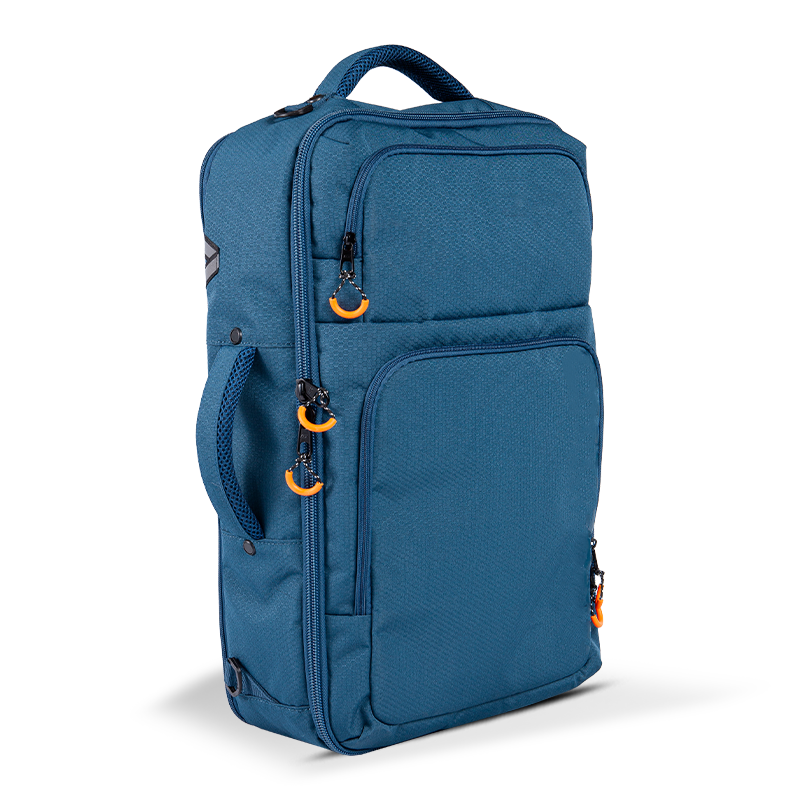
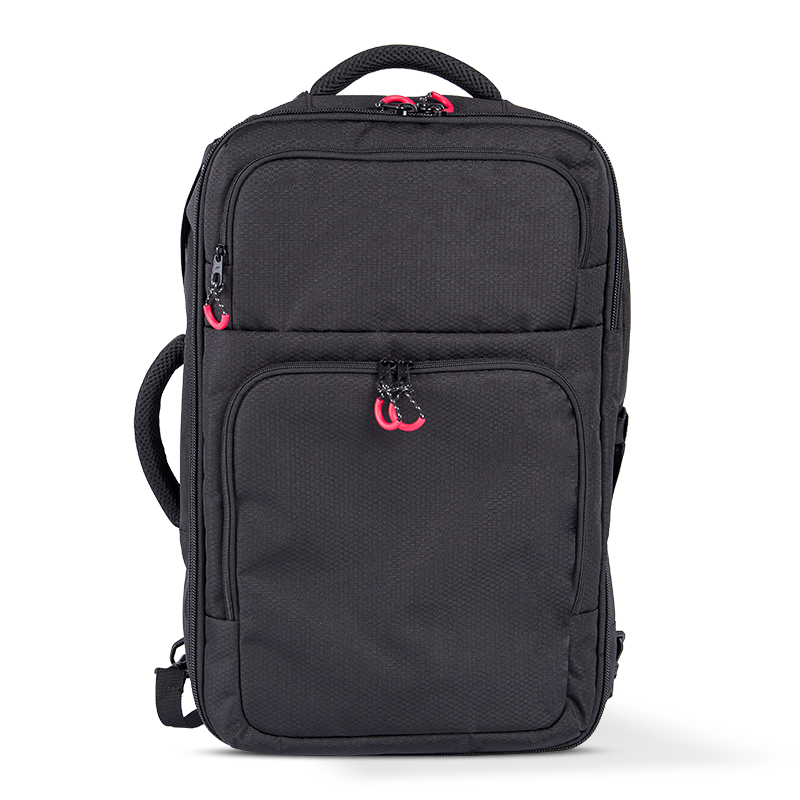
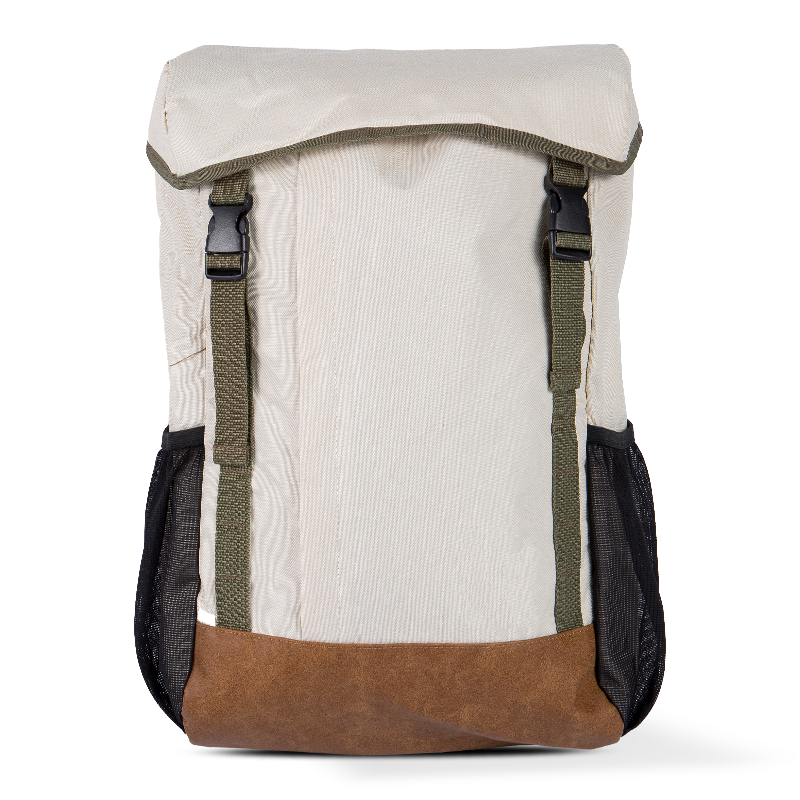
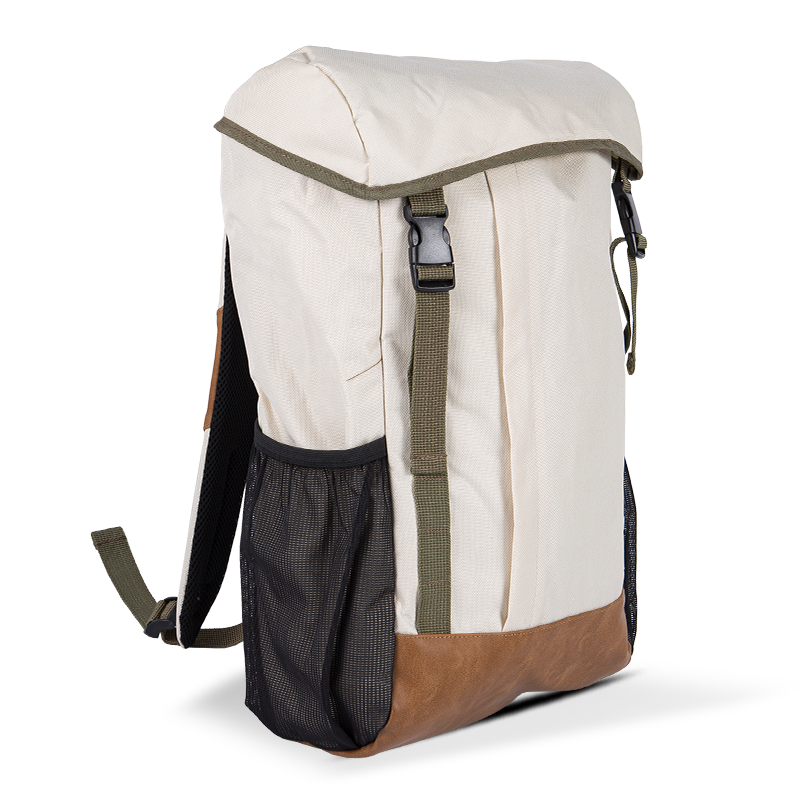
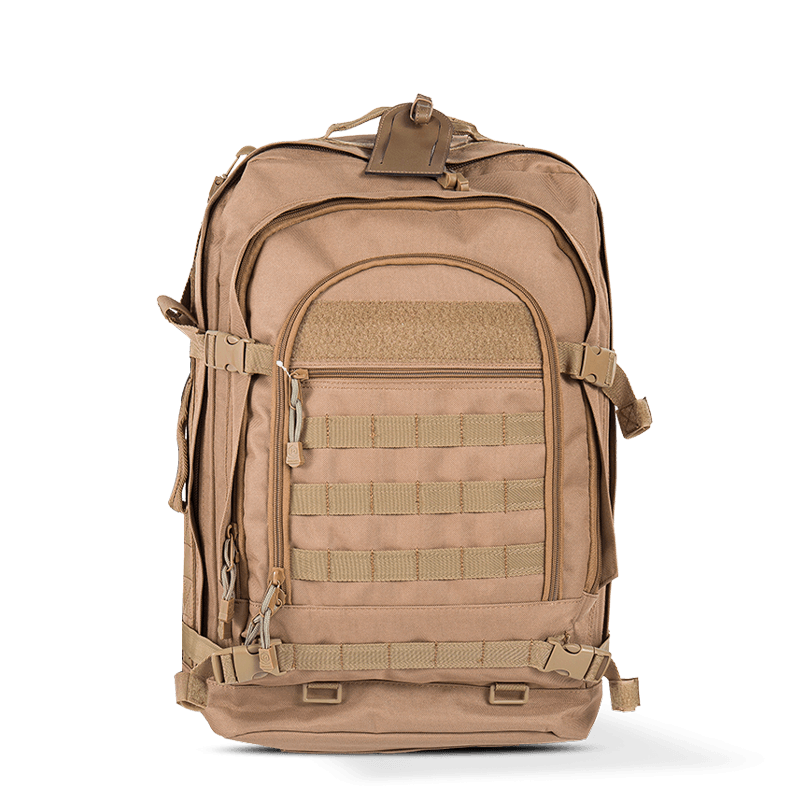
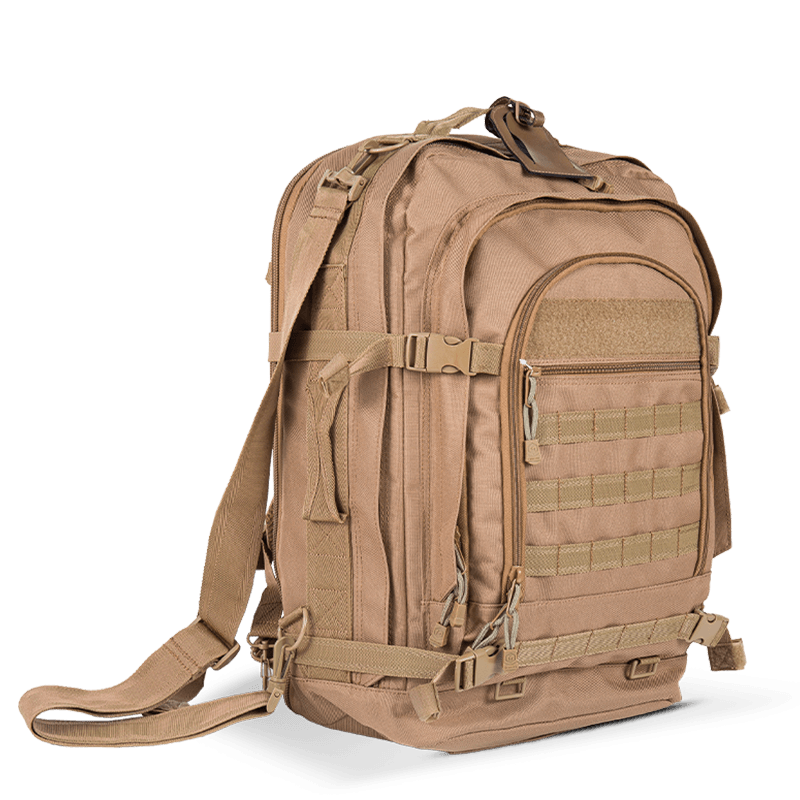
For hikers looking for a range of weatherproof options across different activity levels, our outdoor backpacks cover constructions from DWR-treated shells to fully sealed systems.
Seam Construction: The Weakest Link
A waterproof fabric means nothing if the stitching lets water through. Standard sewn seams leave thousands of needle holes — each one a potential entry point under sustained rain or pressure.
High-performance waterproof packs address seams in two ways:
- Seam taping — a heat-bonded waterproof tape applied over stitched seams from the inside. Found on most serious hiking packs. Critical quality check: full seam taping covers every seam; partial taping only covers high-stress points.
- Welded seams — panels are thermally or ultrasonically bonded, eliminating stitching entirely. Found on premium dry-style packs. Welded seams withstand significantly higher water pressure and remain watertight even after years of use.
Some packs rated for submersion down to 3–4 meters for up to 30 minutes rely entirely on welded construction — a standard common in kayaking and whitewater gear that is increasingly crossing over into expedition hiking.
Closures and Zippers: Sealing the Opening
The closure system is where many "waterproof" packs actually fail. Standard zippers are not waterproof — water finds its way through the teeth under any meaningful rain or wind.
Two closure types deliver genuine protection:
- Roll-top closures — the main compartment opening is sealed by rolling the collar down several times and clipping it. Creates an airtight, submersion-resistant seal with no mechanical failure points. The standard on serious dry bags and increasingly on expedition packs.
- Waterproof zippers — fabric-coated or gasket-sealed zippers (drysuit-quality) that block water penetration. Used on packs where easy access matters more than absolute submersion protection. Look for zippers rated IP67 or equivalent.
A pack with waterproof fabric but standard zippers is, at best, water-resistant — not waterproof. This is one of the most common sources of mislabeling in the outdoor industry.
Structural Features That Perform in Extreme Conditions
Beyond waterproofing, packs engineered for extreme outdoor use share several structural characteristics:
- Reinforced high-wear zones — base panels and attachment points use heavier denier fabric to resist abrasion against rock and terrain.
- Airflow back panels — even fully waterproof packs benefit from channeled back panels that reduce contact area and manage sweat, maintaining comfort over long carries.
- Load management systems — padded, adjustable hip belts and torque-stabilizing shoulder straps transfer weight to the hips rather than the shoulders. A poorly fitting pack creates safety risks regardless of waterproofing level.
These same structural principles apply across categories. Our travel backpacks and military backpacks are built with comparable load management and reinforcement for multi-day, high-demand use.
Matching Waterproof Engineering to Your Actual Conditions
The right level of waterproofing depends on your environment:
| Condition | Recommended Protection |
|---|---|
| Day hikes, variable weather | DWR-treated nylon + rain cover |
| Multi-day in wet climates | TPU-coated fabric + seam taping + roll-top |
| Canyoneering / packrafting | PVC or welded TPU + roll-top, rated for submersion |
| Expedition / alpine | Full seam-welded construction + waterproof zippers |
For most hikers who aren't crossing rivers or facing sustained downpours, a quality DWR-treated pack with a pack liner for electronics offers the best balance of comfort, weight, and protection. Reserve fully waterproof constructions for conditions that genuinely demand them — the added weight and single-compartment design carry real trade-offs for everyday trail use.
Explore our full range of outdoor backpacks to find the construction level matched to your terrain.