



 English
 Español
 عربى
عربىContent
- 1 The Return of Flexible Travel Gear
- 2 Weight Advantages That Matter
- 3 Expandable Capacity Solves Real Problems
- 4 Durability Misconceptions Corrected
- 5 Practical Storage and Handling
- 6 Organizational Features That Enhance Function
- 7 Cost Efficiency Without Compromise
- 8 Who Benefits Most From Soft Sided Luggage
- 9 Making the Right Choice
The Return of Flexible Travel Gear
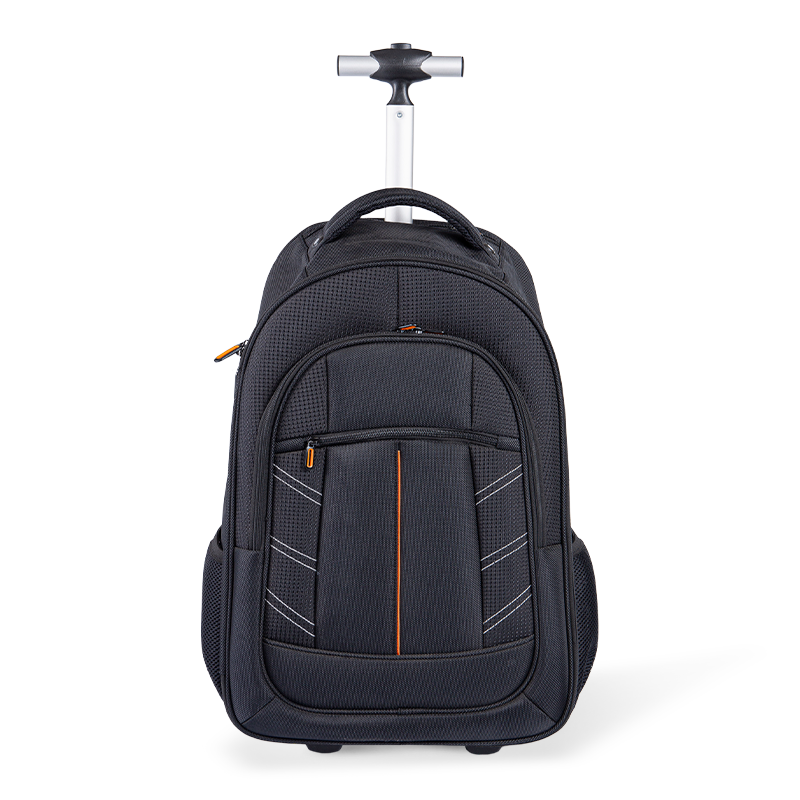
Soft sided luggage is experiencing a significant resurgence among modern travelers. After years of hard-shell dominance, the practical advantages of fabric-based suitcases are winning back market share. Travelers now prioritize adaptability, weight savings, and real-world functionality over rigid aesthetics. This shift reflects changing travel habits, airline restrictions, and a deeper understanding of what makes luggage truly useful.
Weight Advantages That Matter
One of the most compelling reasons for the comeback is weight reduction. Soft sided luggage typically weighs 20% to 30% less than comparable hard-shell alternatives. For carry-on bags, this difference can mean 1 to 2 pounds of savings, which translates directly into more packing capacity within airline weight limits.
Real-World Impact on Airline Fees
Budget airlines have become increasingly strict with weight enforcement. A standard hard-shell carry-on often weighs 7 to 8 pounds empty, while soft sided equivalents average 5 to 6 pounds. For a 15-pound weight limit, this gives soft luggage users 33% more usable capacity. Over multiple trips, this advantage compounds significantly for frequent flyers.
Expandable Capacity Solves Real Problems
Unlike rigid shells, soft sided luggage offers expansion zippers that provide up to 25% additional packing space when needed. This flexibility proves invaluable for travelers who shop during trips or pack bulky return items. The ability to compress when half-full and expand when overloaded creates a versatility that hard cases cannot match.
Compression Benefits
Soft materials allow external compression straps to function effectively. These straps can reduce a packed bag's volume by 15% to 20%, making it easier to fit into overhead compartments or tight storage spaces. Hard shells cannot compress, often forcing travelers to check bags that would otherwise qualify as carry-on.
Durability Misconceptions Corrected
Modern soft sided luggage uses advanced materials that challenge old assumptions about durability. High-denier nylon and polyester fabrics, often reinforced with ballistic weaving, resist tears and abrasions effectively. Contemporary soft luggage lasts 5 to 7 years under regular use, comparable to mid-tier hard-shell lifespans.
| Damage Type | Soft Sided Resistance | Hard Shell Resistance |
|---|---|---|
| Impact cracks | Excellent | Poor |
| Surface scratches | Good | Poor |
| Puncture resistance | Good | Excellent |
| Flex stress | Excellent | Poor |
Practical Storage and Handling
Soft sided luggage offers superior storage flexibility when not in use. Empty soft bags can fold or collapse to 30% to 40% of their expanded size, fitting into closets, under beds, or inside other luggage. Hard cases require the same storage volume regardless of contents, creating ongoing space challenges for apartment dwellers and minimalists.
Maneuverability in Tight Spaces
The slight flexibility of soft luggage allows it to conform to irregular spaces. This proves useful when stuffing bags into packed car trunks, overhead bins with uneven dimensions, or crowded train luggage racks. Travelers report 40% fewer fitting issues with soft luggage compared to rigid alternatives in confined European hotel elevators and Asian budget airline cabins.
Organizational Features That Enhance Function
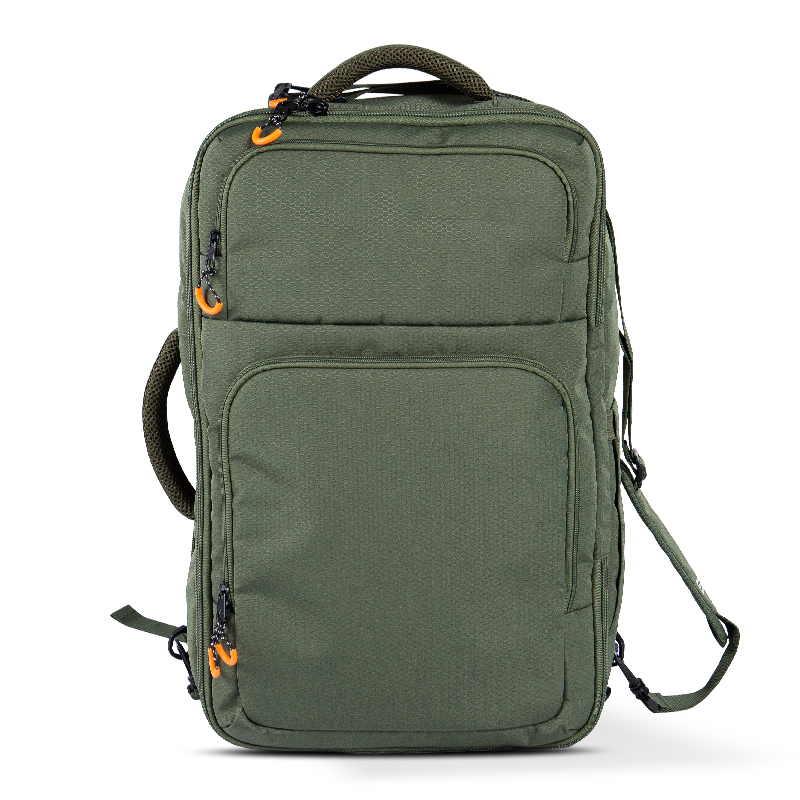
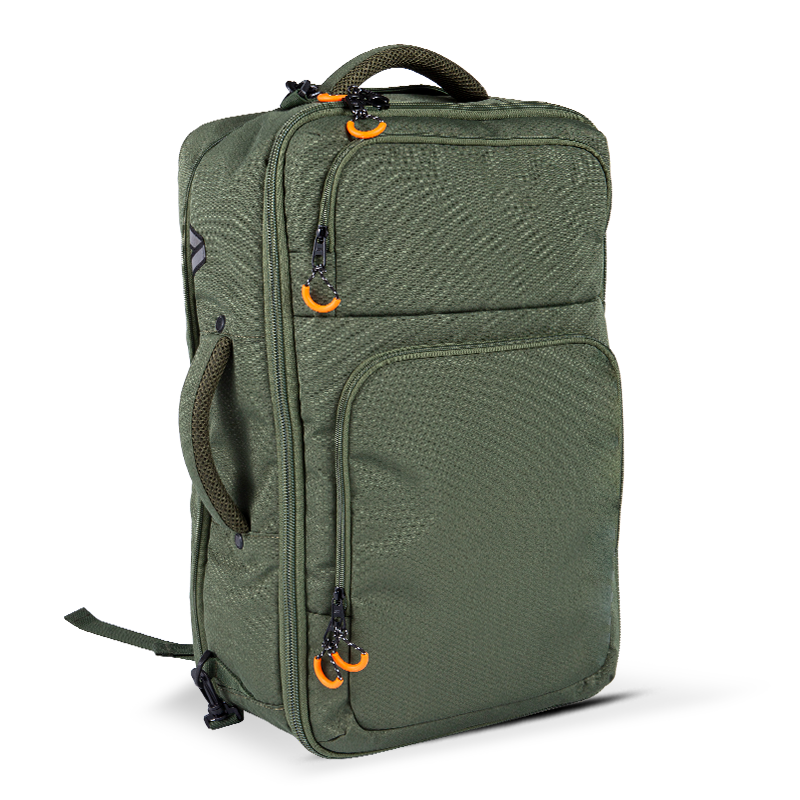
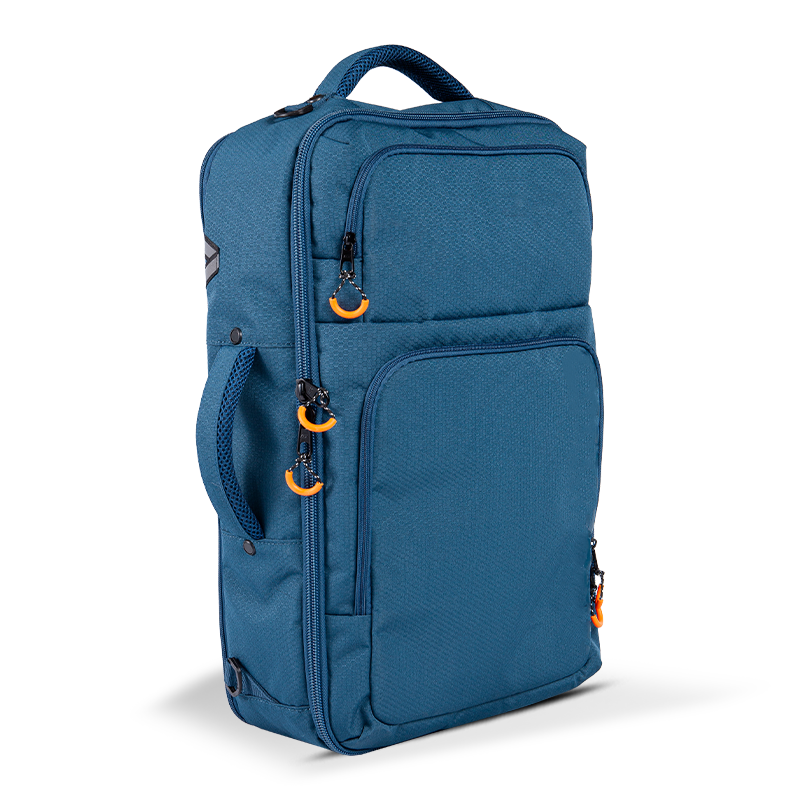
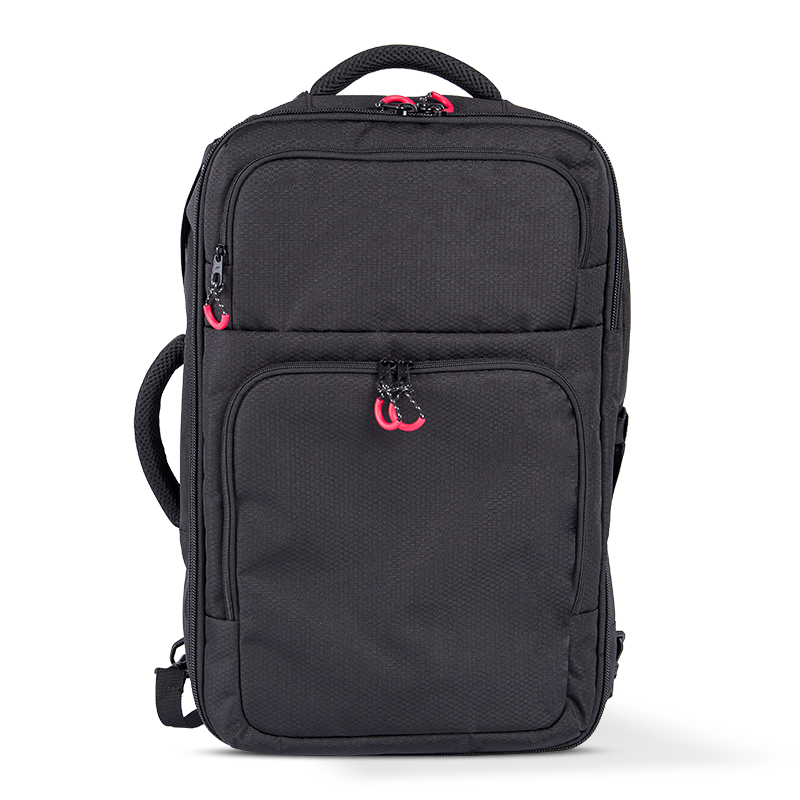
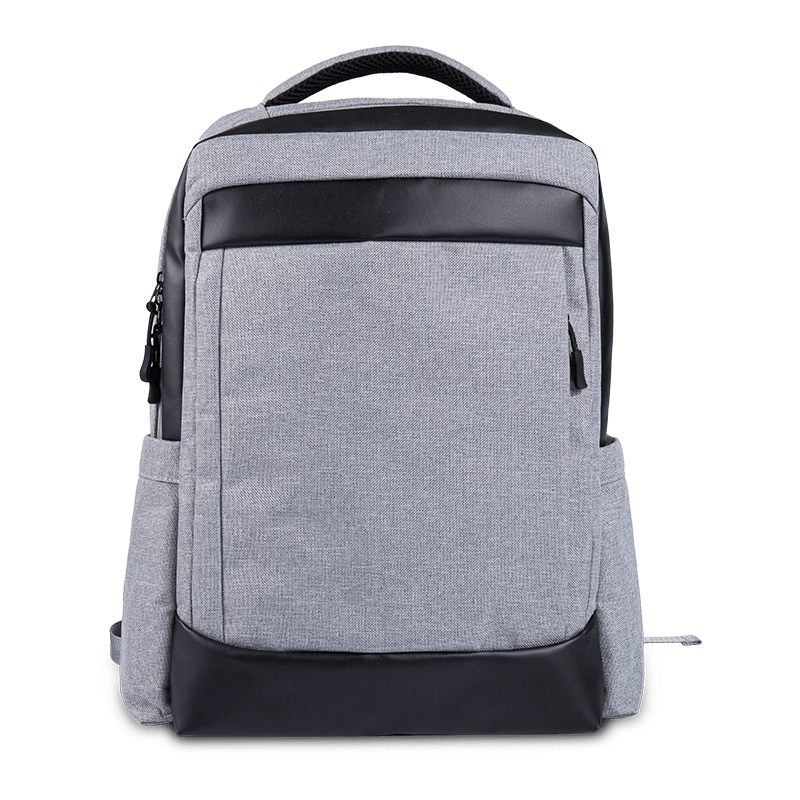
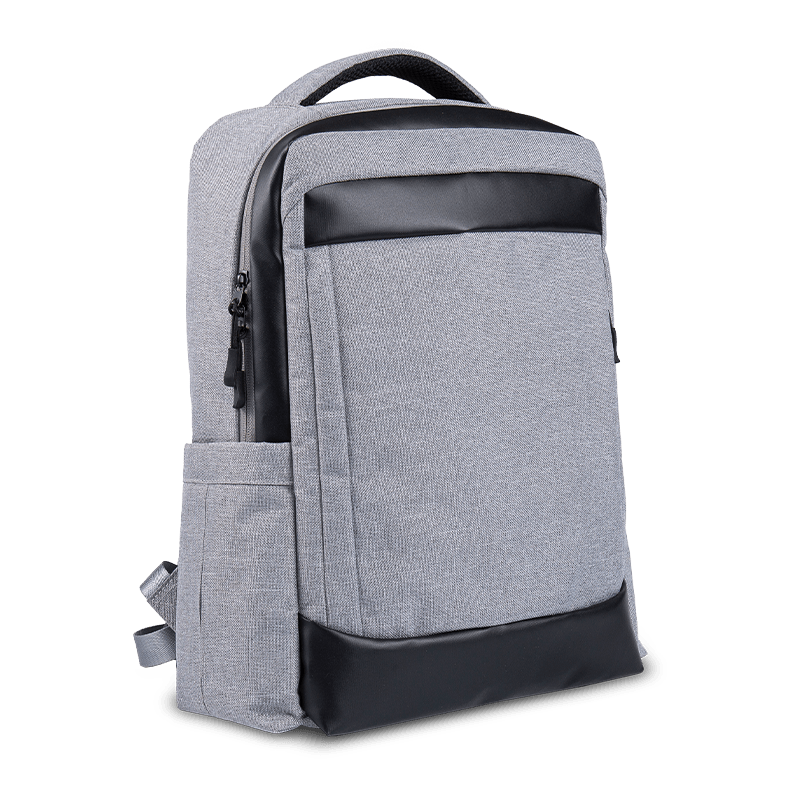
Soft sided designs accommodate external pockets more naturally than hard shells. Front compartments provide quick access to travel documents, electronics, and snacks without opening the main compartment. Most quality soft luggage includes 3 to 5 external pockets, while hard-shell designs typically offer one or none.
Interior Layout Advantages
The fabric construction allows for more sophisticated internal organization:
- Multiple mesh compartments for small items
- Wet pockets for toiletries or damp clothing
- Adjustable divider systems
- Garment sleeves that minimize wrinkling
- Shoe compartments with ventilation
Cost Efficiency Without Compromise
Soft sided luggage generally costs 20% to 40% less than equivalent-quality hard-shell options. This price difference allows travelers to invest in higher-tier soft luggage with better wheels, handles, and warranty coverage while staying within budget. The value proposition becomes particularly strong for families purchasing multiple pieces or travelers needing specialized sizes.
Who Benefits Most From Soft Sided Luggage
Certain travel profiles align particularly well with soft luggage advantages:
- Budget airline passengers who need every gram of weight allowance for actual belongings
- Road trip travelers requiring flexible packing for irregular vehicle spaces
- Extended trip travelers who accumulate items and need expansion capability
- Urban apartment residents with limited storage space for empty luggage
- Business travelers needing quick-access pockets for devices and documents
Making the Right Choice
The comeback of soft sided luggage reflects a maturation in traveler priorities. While hard shells offer undeniable protection for fragile contents and sleek aesthetics, soft sided options deliver superior weight efficiency, expandable capacity, and practical flexibility for most travel scenarios. The ideal choice depends on specific needs, but the resurgence proves that function often outweighs form when luggage faces real-world travel demands.