



 English
 Español
 عربى
عربىContent
- 1 The Verdict: Matching Luggage to Your Travel Reality
- 2 Understanding the Core Differences
- 3 Durability Under Real-World Conditions
- 4 Storage and Packing Efficiency
- 5 Mobility and Handling Experience
- 6 Comparative Analysis for Travel Scenarios
- 7 Travel Style Recommendations
- 8 Cost Considerations and Value
- 9 Final Decision Framework
The Verdict: Matching Luggage to Your Travel Reality
If you prioritize flexibility and frequent packing, soft shell luggage wins. If you prioritize protection for fragile items and weather resistance, hard shell luggage is superior. The average traveler replaces luggage every 7 years, making this decision a long-term investment in your travel comfort.
Understanding the Core Differences
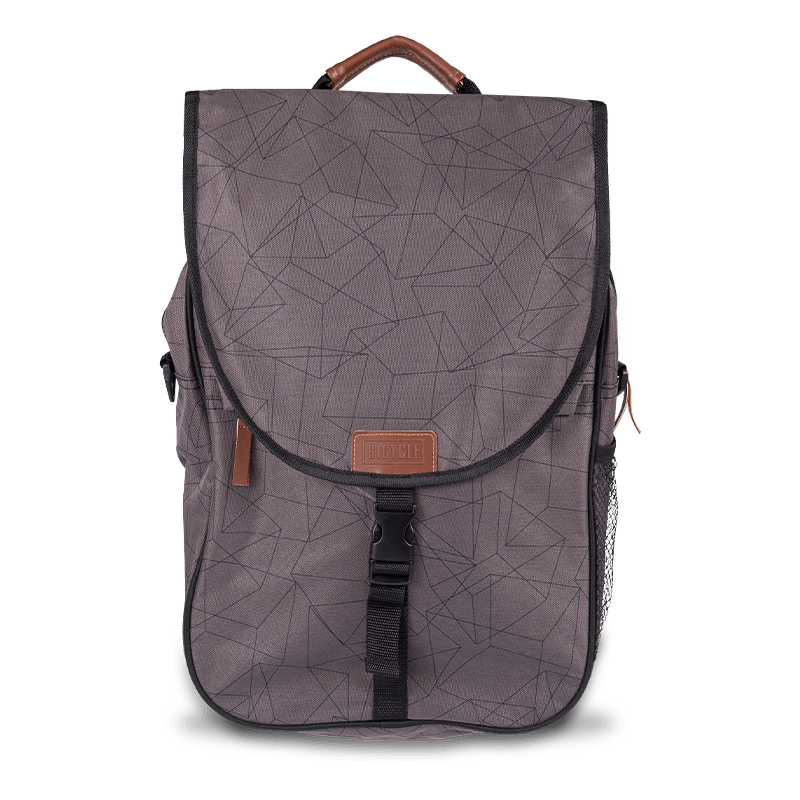
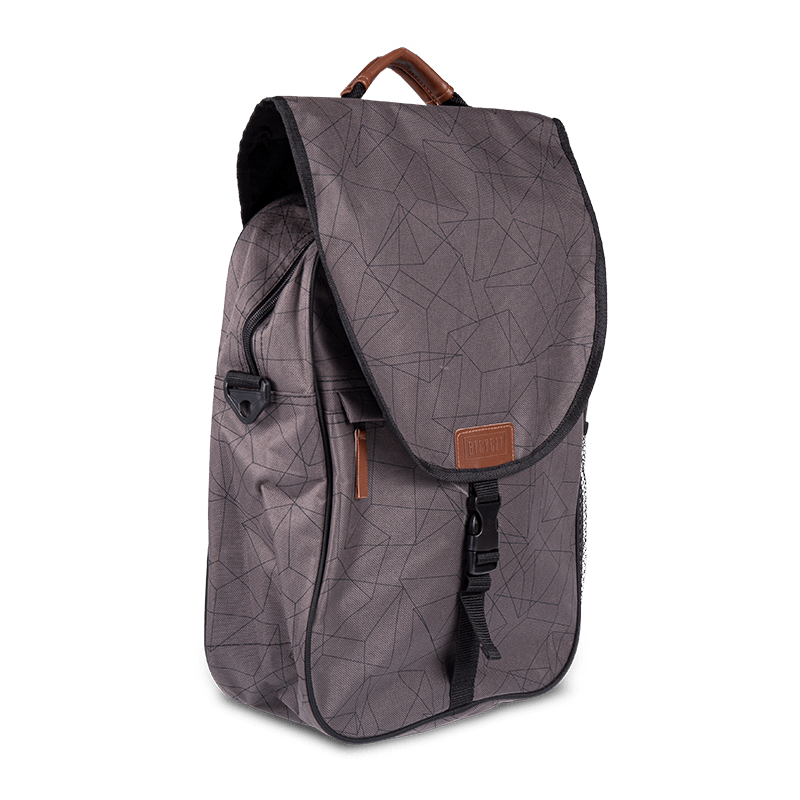
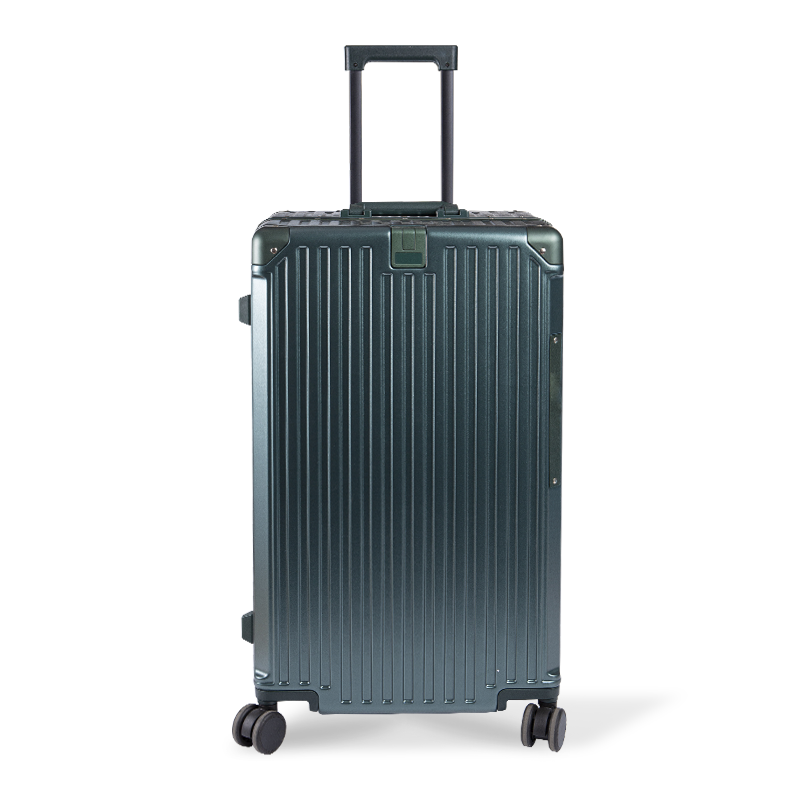
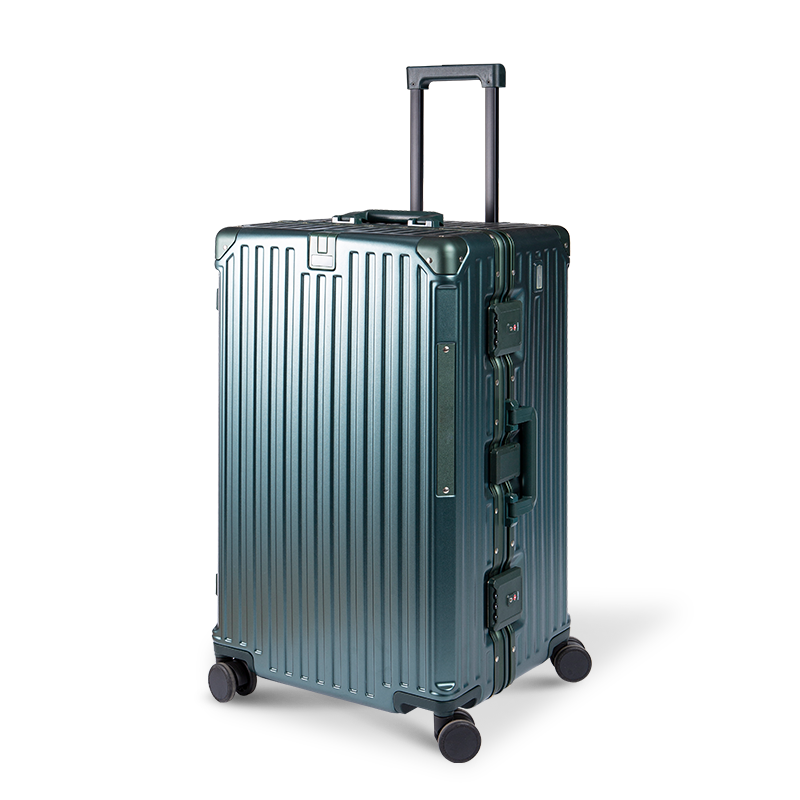
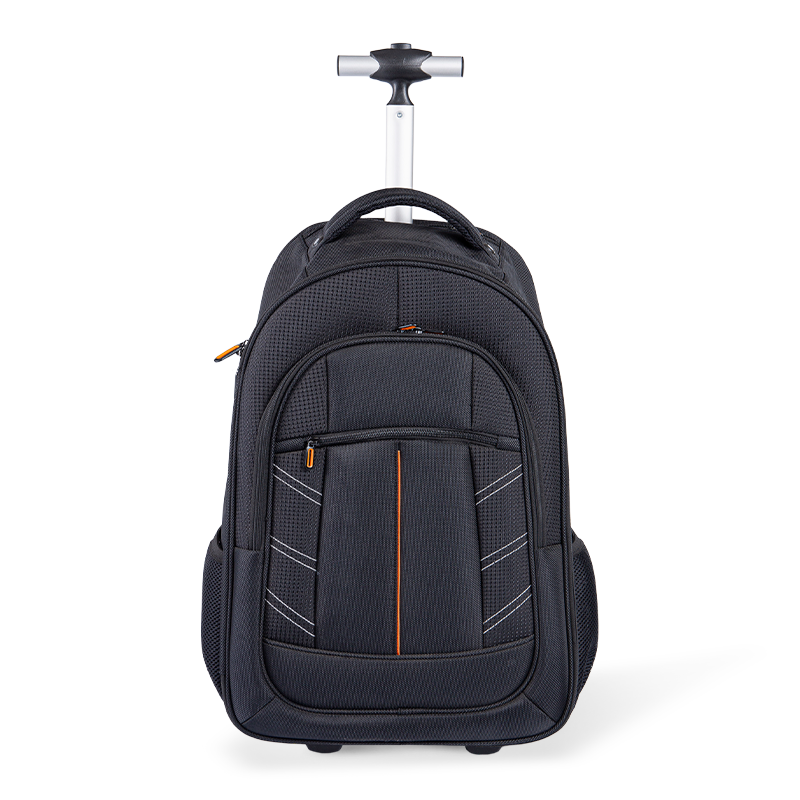
The fundamental distinction lies in construction materials and structural philosophy. Soft shell luggage typically uses ballistic nylon, polyester, or canvas with internal frames, offering give and external pockets. Hard shell luggage employs polycarbonate, ABS, or aluminum, creating a rigid protective cocoon around your belongings.
Weight considerations immediately separate the two categories. A typical 22-inch carry-on soft shell weighs 6 to 7 pounds empty, while an equivalent hard shell ranges from 7 to 10 pounds. On airlines with strict 15-pound carry-on limits, this difference determines whether you pack that extra pair of shoes or face gate-checking fees.
Durability Under Real-World Conditions
Impact Resistance and Longevity
Hard shell luggage excels at protecting contents from crushing forces. In baggage handler stress tests, polycarbonate shells withstand impacts up to 200 pounds per square inch without cracking. However, they show wear differently—scratches and scuffs appear immediately, while soft shells hide damage until tears emerge.
Soft shell bags absorb impacts through fabric give but suffer from abrasion. High-denier nylon (1680D or higher) resists tearing for approximately 500,000 rub cycles in Martindale testing, equivalent to years of airport conveyor exposure. The weak points are zippers and corner reinforcements, which bear stress during overpacking.
Weather Protection Capabilities
Hard shells offer inherent water resistance. Rain runs off sealed seams and rigid surfaces, keeping interiors dry during tarmac delays. Soft shells require water-resistant coatings that degrade over time—typically losing effectiveness after 20 to 30 washes or two years of regular use.
Storage and Packing Efficiency
Expandability vs. Fixed Capacity
Soft shell luggage typically expands 2 to 3 inches, increasing capacity by 20 to 25 percent. This flexibility proves invaluable when returning with souvenirs or layered clothing for variable climates. Hard shells offer fixed dimensions—beneficial for meeting strict airline size requirements but unforgiving when overpacking.
Organizational Features
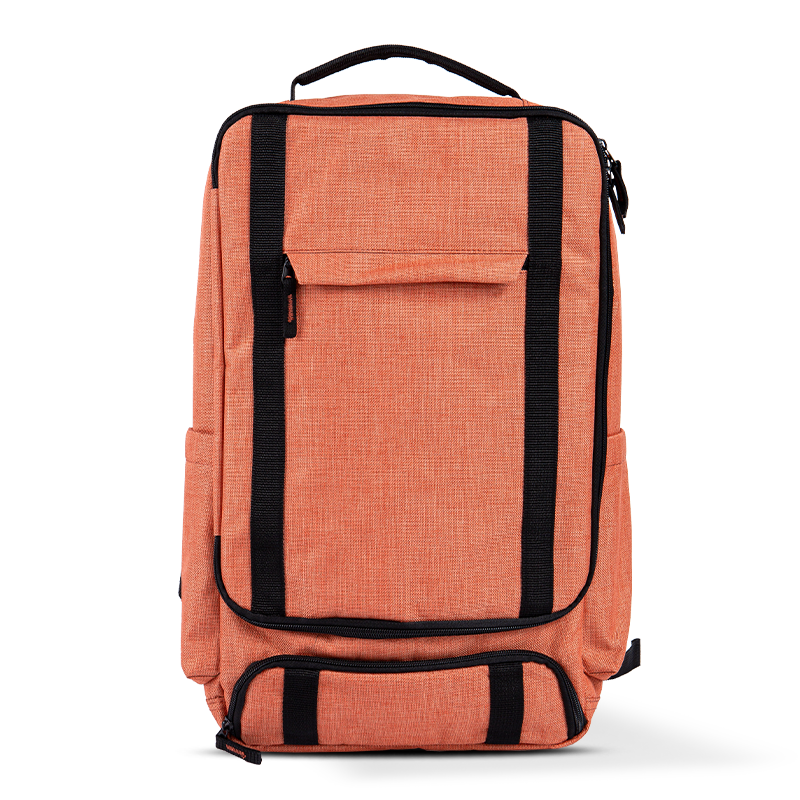
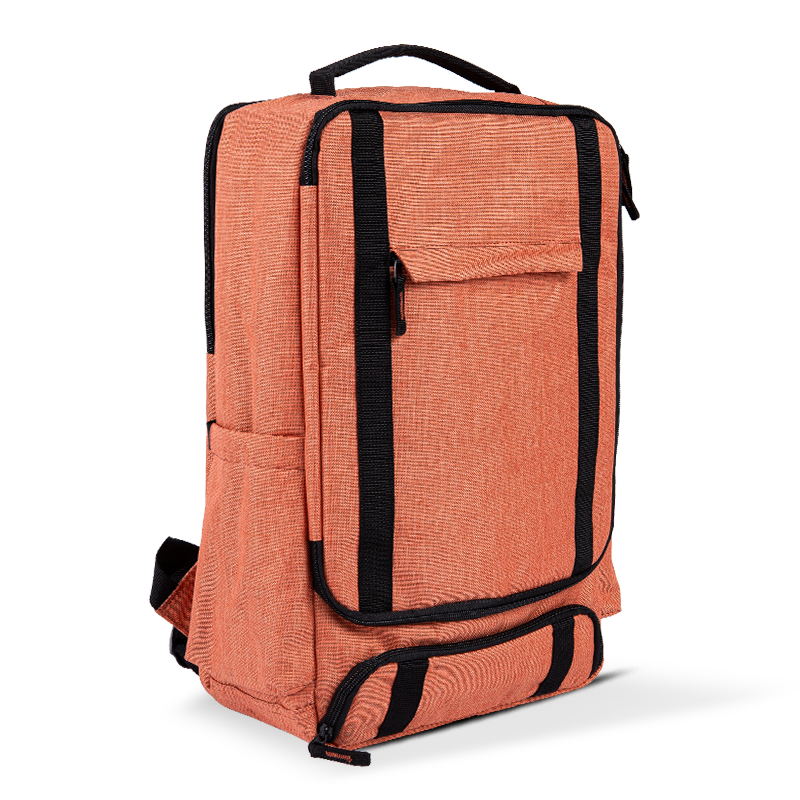
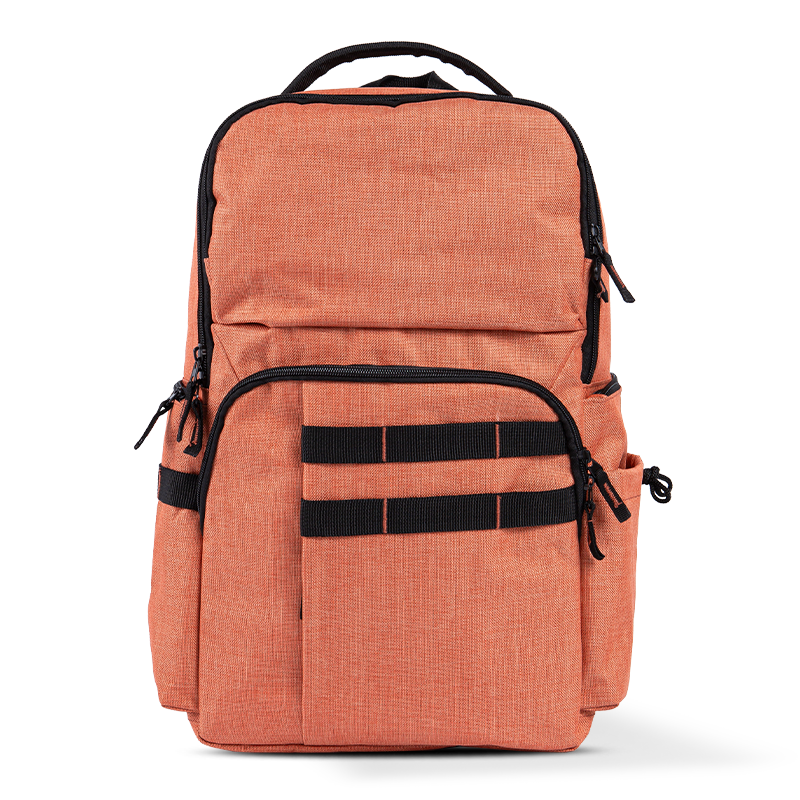
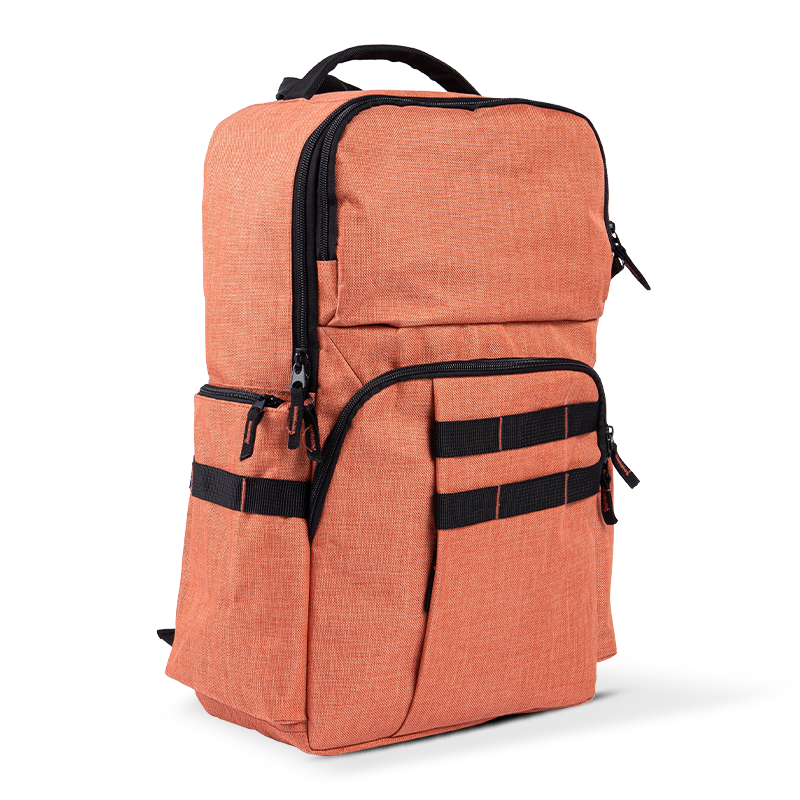
External pockets give soft shells a decisive advantage for accessibility. Front compartments accommodate laptops, travel documents, and last-minute items without opening the main cavity. Hard shells require full opening, though modern designs include 70/30 split openings to minimize disruption in tight spaces.
Mobility and Handling Experience
Both categories offer spinner wheels and telescoping handles, but weight distribution differs. Hard shells center mass within the frame, creating stable rolling on smooth surfaces. Soft shells with external pockets can shift weight unevenly, causing tip-over on carpeted airport terminals or cobblestone streets.
Handle durability varies significantly. Soft shells integrate handles into fabric reinforcement points, which can tear under loads exceeding 50 pounds. Hard shell handles mount directly to the rigid frame, supporting 75 to 100 pounds consistently.
Comparative Analysis for Travel Scenarios
| Feature | Soft Shell | Hard Shell |
|---|---|---|
| Average Weight (Carry-on) | 6-7 lbs | 7-10 lbs |
| Expandability | Up to 25% | None |
| External Pockets | Multiple | Rare |
| Impact Protection | Moderate | High |
| Weather Resistance | Coating-dependent | Inherent |
| Typical Lifespan | 5-7 years | 7-10 years |
Travel Style Recommendations
Choose Soft Shell When
- You travel with irregularly shaped items or sports equipment
- Frequent access to documents and electronics during transit is necessary
- You prioritize lightweight construction for international weight limits
- Storage space at home is limited—soft shells compress for closet storage
Choose Hard Shell When
- Transporting fragile souvenirs, electronics, or business attire
- Traveling through regions with heavy rainfall or snow
- You prefer luggage that maintains a pristine appearance longer
- Security concerns favor tamper-evident rigid construction
Cost Considerations and Value
Entry-level soft shells start at $50 to $80, while quality hard shells begin at $120 to $150. Premium soft shells with high-denier fabric and reinforced corners range from $200 to $300. Premium polycarbonate hard shells from established manufacturers typically cost $250 to $400.
Cost-per-year analysis favors hard shells for frequent travelers. A $300 hard shell used twice monthly for 8 years costs approximately $1.56 per trip. A $150 soft shell requiring replacement after 4 years under the same usage costs $1.56 per trip as well, but with less protection and more frequent shopping efforts.
Final Decision Framework
Evaluate your primary travel patterns against these criteria:
- Analyze your typical load—do you carry fragile items or mostly clothing?
- Calculate your weight sensitivity based on preferred airlines' restrictions
- Assess your environment—urban smooth surfaces or varied terrain?
- Consider your organizational needs—quick access or maximum protection?
Many experienced travelers maintain both types: soft shells for road trips and flexible packing scenarios, hard shells for air travel with valuable contents. Your perfect solution might be a hybrid approach rather than an exclusive commitment to either category.