



 English
 Español
 عربى
عربىContent
What Exactly Is Hard Shell Luggage?
Roughly 25 million suitcases get damaged during air travel every year. That number isn’t an abstract statistic — it’s the reason baggage carousels always have a few cases duct-taped to hold them together. Hard shell luggage is built to be the survivor.
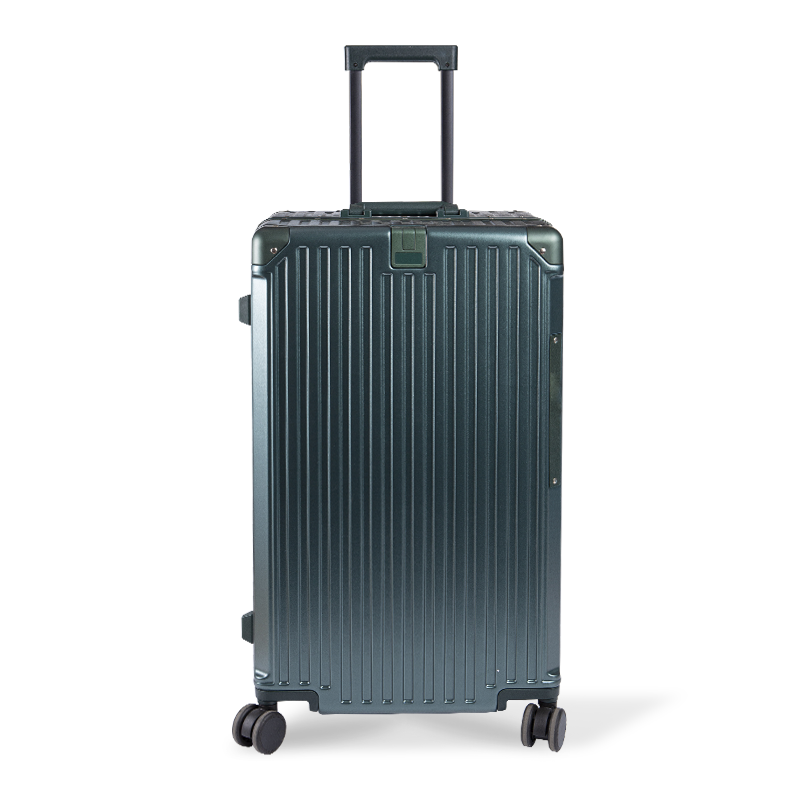
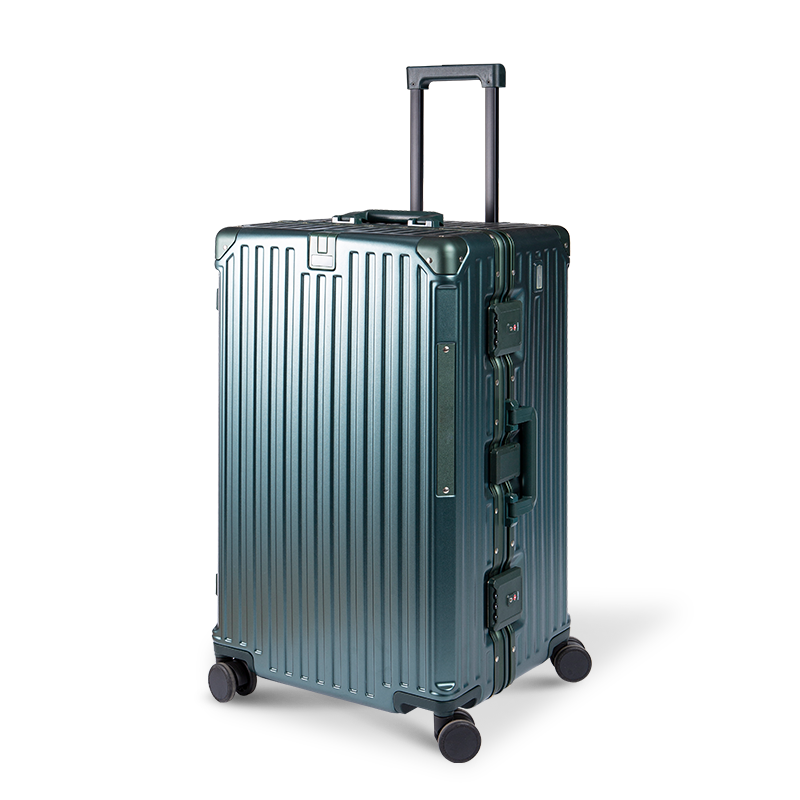
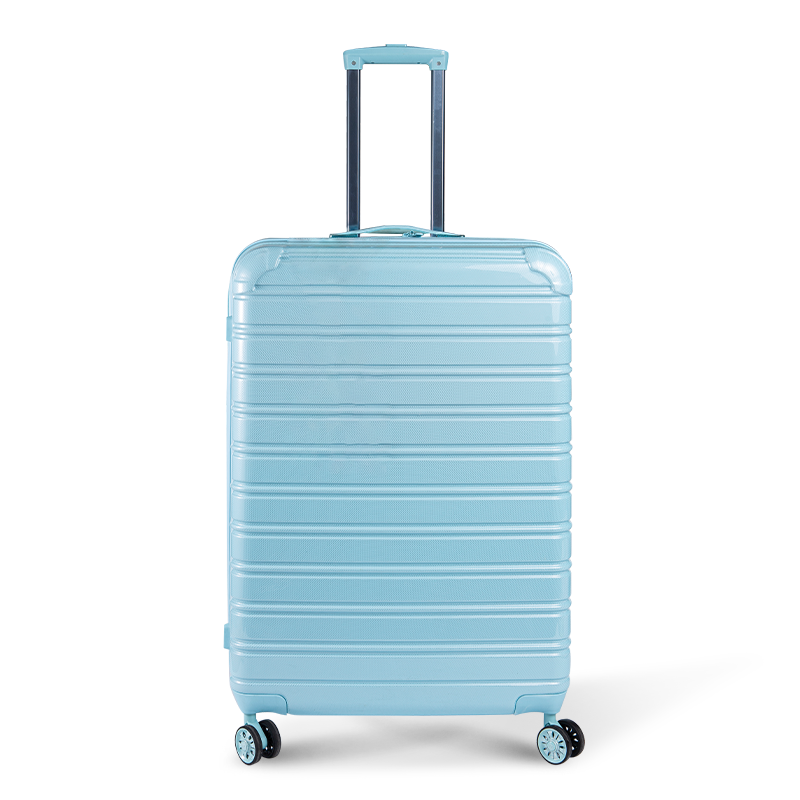
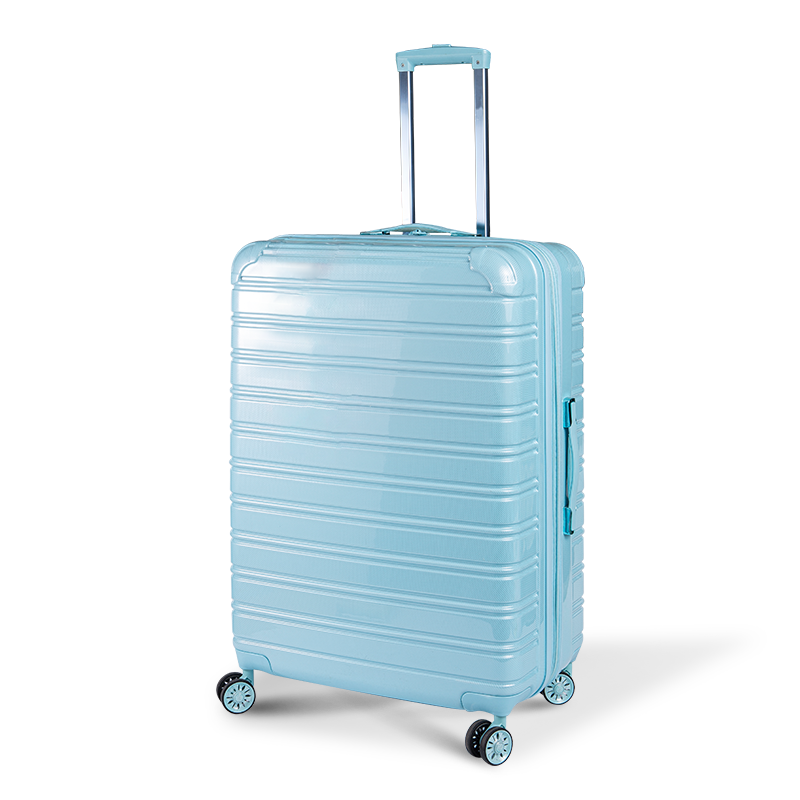
A hard shell suitcase uses a rigid exterior, typically made from polycarbonate, ABS, aluminum, or polypropylene, instead of fabric. The shell absorbs and deflects impact, shielding the contents from crushing, piercing, and water. Most models split into two clamshell halves with a zipper or latch closure and use four multi-directional spinner wheels. The core promise: you land with your belongings intact.
Hard Shell vs. Soft Shell: The Real Trade-offs
Protection tops the list of reasons travelers switch to hard shells. A soft shell bag can tear on a protruding conveyor belt spike and soak through in a downpour. A rigid case will dent at worst. That difference matters when you carry electronics, gifts, or documents. Yet hard shells aren’t universally better. They demand a clear look at weight, packing style, and storage.
| Aspect | Hard Shell | Soft Shell |
|---|---|---|
| Impact protection | High – rigid shell disperses force | Moderate – contents can be crushed |
| Water resistance | Excellent – sealed surfaces | Low – fabric absorbs moisture |
| Weight | Heavier (aluminum) or very light (polycarbonate) | Lighter on average for same size |
| Exterior pockets | Rare – only some front-opening models | Multiple external compartments |
| Packing capacity | Fixed volume, no overstuffing | Flexible – can expand with compression |
| Storage at home | Can nest inside larger sizes | Bulky when empty |
If you live out of your suitcase and want quick access to a laptop or snacks, a soft side’s external pockets win. For anyone who checks a bag and cringes at the thought of a shattered bottle of duty-free perfume, hard shell is the safer bet. The good news: modern materials have closed the weight gap so much that a polycarbonate hard side often weighs less than a comparable ballistic-nylon soft case.
Material Matters: Polycarbonate, ABS, Aluminum, and Polypropylene
Not all hard shells are created equal. The shell material dictates durability, weight, scratch resistance, and price. Choosing the wrong one means either paying for toughness you don’t need or accepting cracks that could have been avoided.
ABS (Acrylonitrile Butadiene Styrene)
ABS is the entry-level workhorse. It’s inexpensive and lightweight, making it common in budget-friendly lines. The downside: ABS is brittle under heavy stress. A sharp drop onto a corner in cold weather can cause cracks rather than dents. For infrequent, gentle travel — car trips, short domestic flights — ABS works. For regular check-in luggage, look elsewhere.
Polycarbonate
Polycarbonate offers the best balance of strength and weight. It flexes on impact and snaps back into shape, absorbing force without shattering. High-quality polycarbonate luggage often adds a scratch-resistant coating. The material costs more, but it’s the standard for mid-range to premium hard shells. If you fly multiple times a year, polycarbonate pays for itself in longevity.
Polypropylene
Polypropylene is tough and extremely lightweight, similar to polycarbonate but often more resistant to chemicals and temperature extremes. It’s not as flexible, so it can crack under extreme stress, but manufacturers use ribbed designs to compensate. It’s a solid middle ground — lighter than ABS, more affordable than top-tier polycarbonate.
Aluminum and Aluminum-Magnesium Alloy
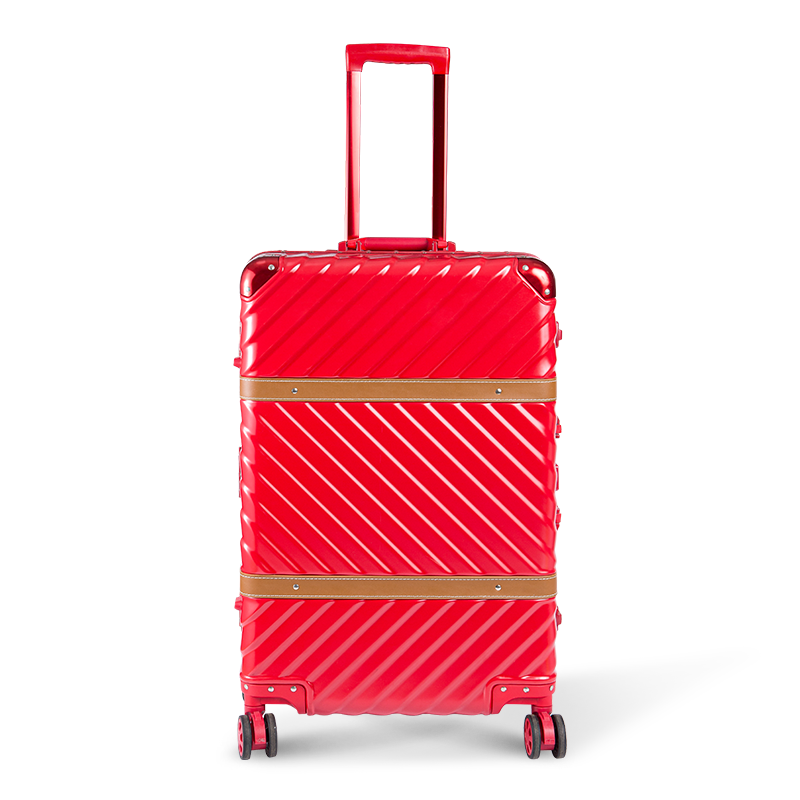
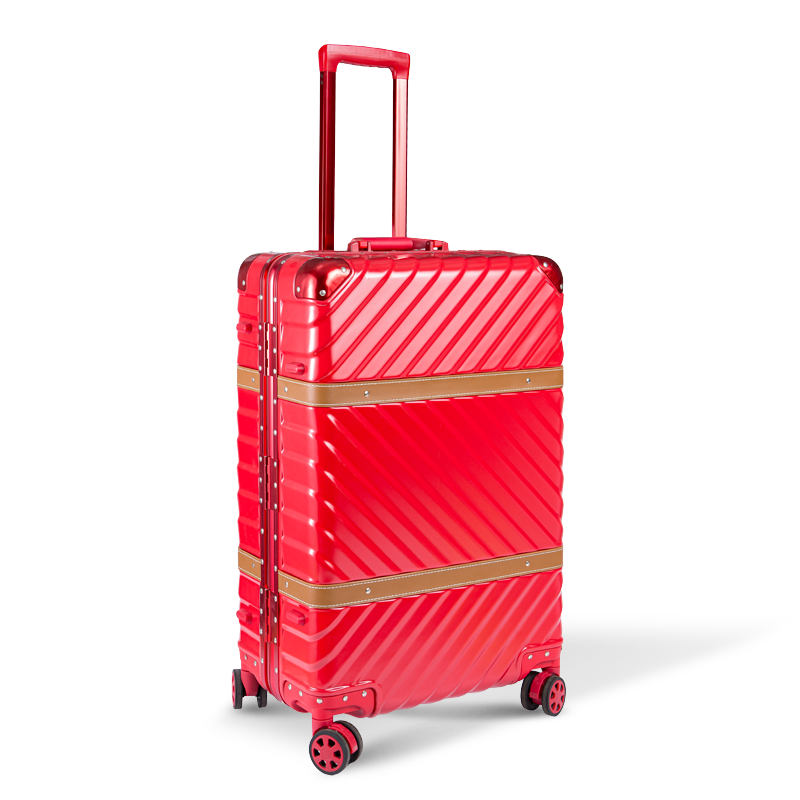
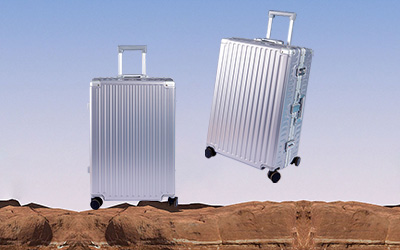
Aluminum cases offer unmatched structural protection and a classic look. They use reinforced corners and locking latches instead of zippers. An aluminum shell won’t crack, but it will dent. Weight is the main trade-off — aluminum luggage often weighs 10–14 lbs empty, cutting into airline weight limits. Aluminium-magnesium alloy models, like the ones featured in our all-aluminum-magnesium collection, resist corrosion and dents better than pure aluminum, but they still add heft. Choose aluminum if you prioritize physical protection and aesthetics above all else.
| Material | Weight | Durability | Scratch Resistance | Cost |
|---|---|---|---|---|
| ABS | Light | Low – cracks under impact | Low | Low |
| Polycarbonate | Very light | High – flexible and impact-absorbent | Moderate (coating helps) | Mid to high |
| Polypropylene | Very light | Medium – rigid but can crack | Moderate | Mid |
| Aluminum | Heavy | Very high – dents instead of cracking | Low (shows scratches easily) | High |
How to Choose the Right Hard Shell Case
Material dictates a lot, but five additional factors turn a good case into the right case for your travels.
Size and weight: Always check your preferred airline’s carry-on and checked baggage limits. A polycarbonate 20-inch carry-on often weighs under 6.5 lbs, while a 28-inch aluminum checked case might eat up 12 lbs of your 50 lb allowance. Lighter shells leave more weight for your belongings. Start by exploring the full spectrum of hard shell luggage options to understand the design variations before narrowing down.
Wheels: Quad spinner wheels are now standard. Look for double-spinner designs with metal ball bearings if you often roll over cobblestones or carpets. Single-spinner setups save weight but sacrifice smoothness.
Closure system: Zippers are lighter and simpler; choose models with an anti-theft zipper that locks into place. Latch closures on aluminum cases offer better security and create a water-resistant seal, but they add weight.
Interior organization: A simple clamshell with compression straps suits minimalists. If you separate clean and dirty clothes, look for a split divider system with a zippered partition and multiple pockets.
Warranty: Reputable hard shells carry warranties from 5 years to lifetime. Read the fine print — some cover airline damage, most don’t. A solid warranty signals the manufacturer’s confidence in the shell material.
Common Misconceptions About Hard Shell Luggage
Myths persist despite the material advances of the last decade. Clearing them up saves you from buying the wrong bag.
"Hard shells are always heavier." Not anymore. A 28-inch polypropylene case can weigh under 8 lbs — lighter than many soft-side expandable bags. Only aluminum frames remain substantially heavier.
"They crack easily." Cheap ABS cases can crack. Polycarbonate and polypropylene are engineered to flex, not shatter. Airlines handle millions of these bags daily without failure. The real risk is choosing the wrong plastic at the bottom of the price curve.
"You can’t fit as much inside." The clamshell design compresses clothes evenly on both sides. Without fabric bulge, packed volume often matches a soft bag of the same external dimensions. Expansion limitations only matter if you frequently overpack.
"They show every scratch." Glossy finishes scratch fast. Matte, brushed, or diamond-textured surfaces hide marks and stay presentable longer. Consider scratch-resistant textured finishes available on modern spinners, such as those in our vintage removable-spinner line, which trade high-gloss for long-term appearance.
Care and Maintenance Tips
Hard shell luggage lasts longer with minimal effort. The rigid surface simplifies cleaning, but certain habits prevent premature wear.
- Wipe down the shell with a damp cloth and mild soap after trips. Salt, airport grime, and sunscreen degrade plastic coatings over time.
- Inspect wheels and retract them when checking in — protruding spinners are the most common breakage point.
- Lubricate wheel bearings and zipper tracks twice a year with silicone spray; avoid oil-based lubricants that attract dirt.
- Store the case in a dust bag or nestable position. Avoid stacking heavy items on top, which can warp the lid over months.
- For aluminum cases, apply a thin coat of car wax to help surfaces resist minor scratches and oxidation.
The Bottom Line
Hard shell luggage has evolved from clunky, heavy trunks into precision-engineered travel gear. The right case — built from polycarbonate, polypropylene, or even aluminum alloy — protects your gear, slides effortlessly beside you, and outlasts season after season of rough handling. Match the material to your travel frequency, keep weight in check, and you’ll never stuff a torn suitcase into an overhead bin again.