




 English
 Español
 عربى
عربىContent
- 1 The Immediate Advantage of Smart Carry On Luggage
- 2 Size Regulations That Guarantee Cabin Compatibility
- 3 Material Strength and Weight: Engineering for Durability
- 4 Internal Organization That Works Like a Mobile Drawer
- 5 Silent Mobility and Ergonomic Handling
- 6 Security Features and Quick Access Points
- 7 Packing Techniques for a Compact Carry On Travel Bag
The Immediate Advantage of Smart Carry On Luggage
Choosing the right carry on suitcase directly eliminates baggage claim waits and reduces the risk of lost luggage. A compact carry on travel bag enforces disciplined packing, speeds up your exit from the airport, and keeps everything within arm’s reach during transit. The moment you decide to travel with only cabin baggage, you gain control over your schedule and sidestep the anxiety of the conveyor belt.
Size Regulations That Guarantee Cabin Compatibility
The single most critical specification for any carry on luggage is the external dimension. Most major full-service airlines enforce a maximum of 22 x 14 x 9 inches (56 x 36 x 23 cm), including wheels and handles. Low-cost carriers, however, often demand smaller profiles, sometimes restricting depth to as little as 7.8 inches. Before purchasing a compact carry on travel bag, checking the size chart of your preferred airline prevents expensive gate-check surprises.
| Airline | Maximum Dimensions (inches) | Typical Weight Limit |
|---|---|---|
| Delta Air Lines | 22 x 14 x 9 | No strict limit |
| Ryanair | 21.6 x 15.7 x 7.8 | 22 lbs (10 kg) |
| Emirates | 22 x 15 x 8 | 15 lbs (7 kg) |
Material Strength and Weight: Engineering for Durability
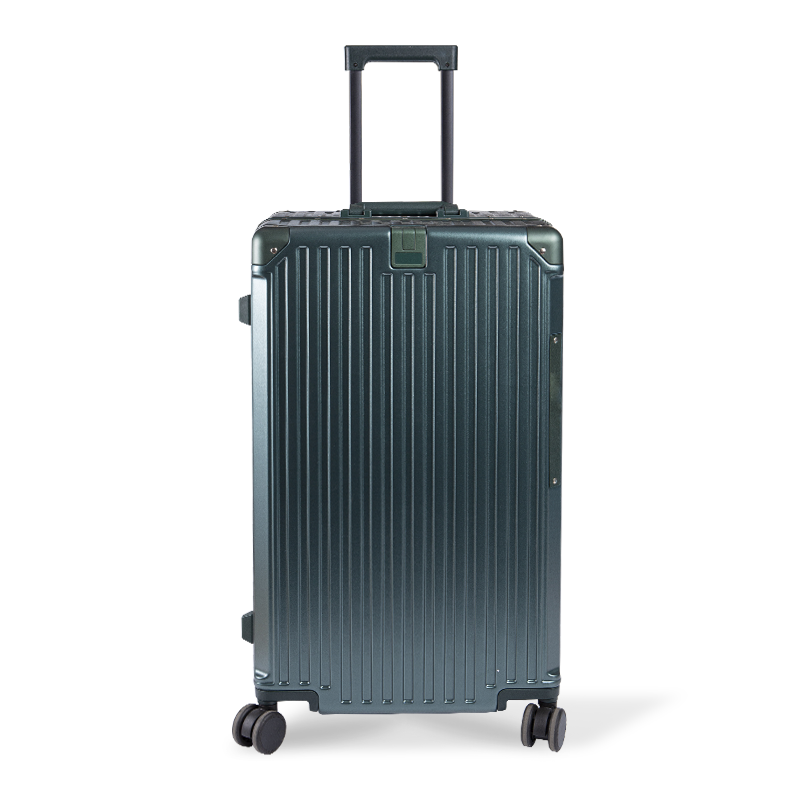
A carry on suitcase must survive constant overhead bin compression and rough sidewalks. Advanced 100% polycarbonate shells provide high impact resistance and will flex under pressure instead of cracking; laboratory drop tests often see these shells survive impacts from 1.2 meters without structural failure. For those who prefer softside options, ballistic nylon offers exceptional tear resistance while weighing less. An empty compact carry on travel bag should ideally stay under 5.5 lbs (2.5 kg), preserving most of the typical weight allowance for packed contents rather than the container itself.
Internal Organization That Works Like a Mobile Drawer
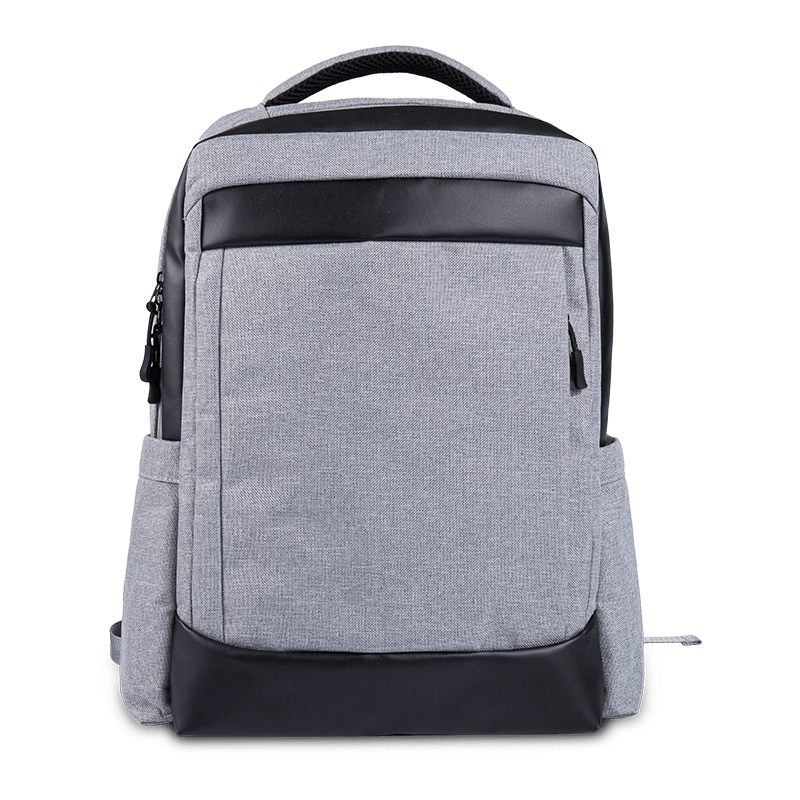
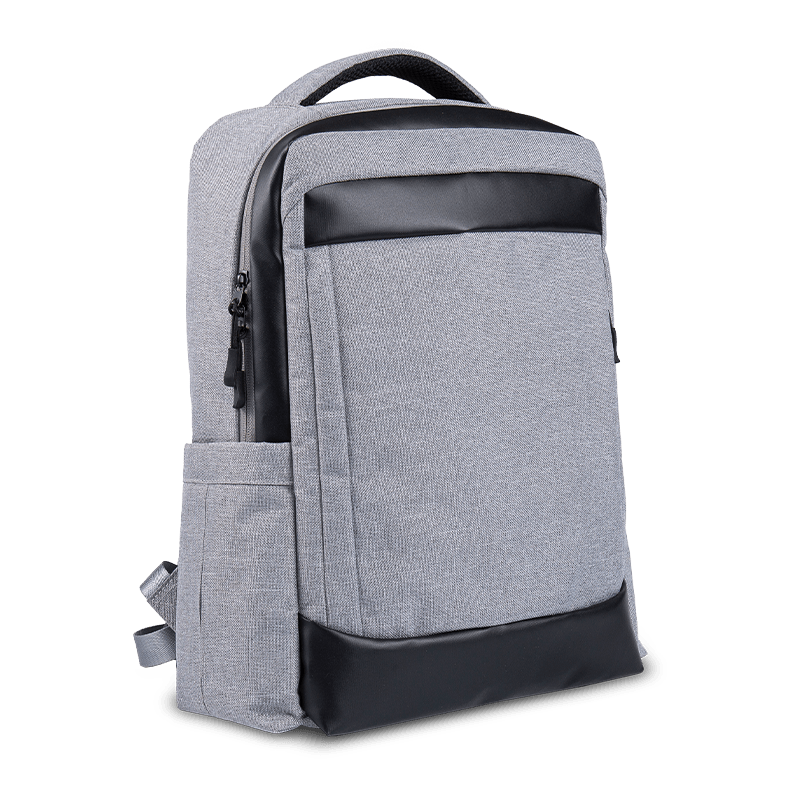
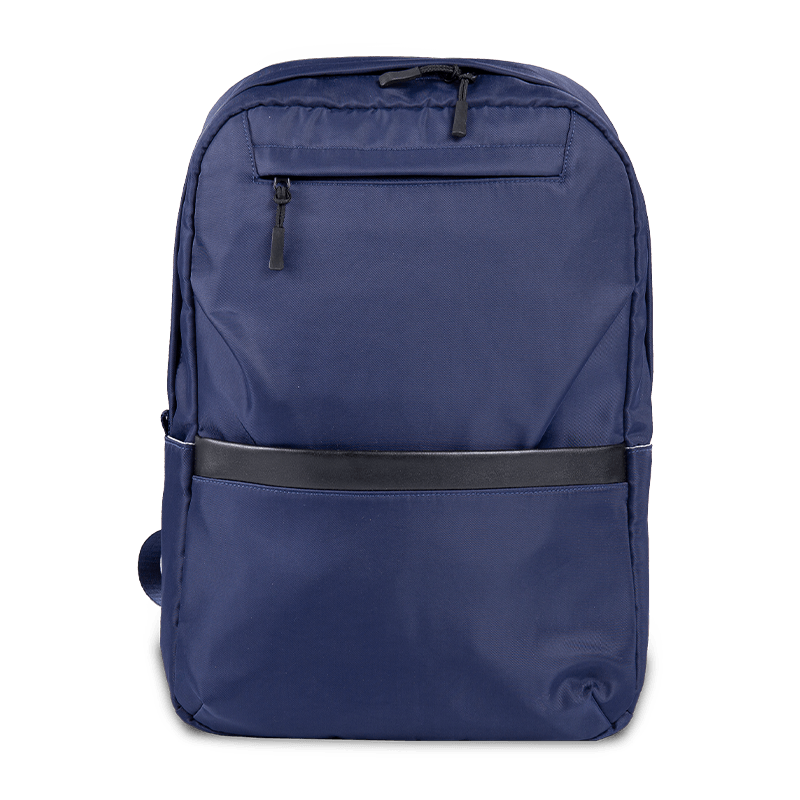
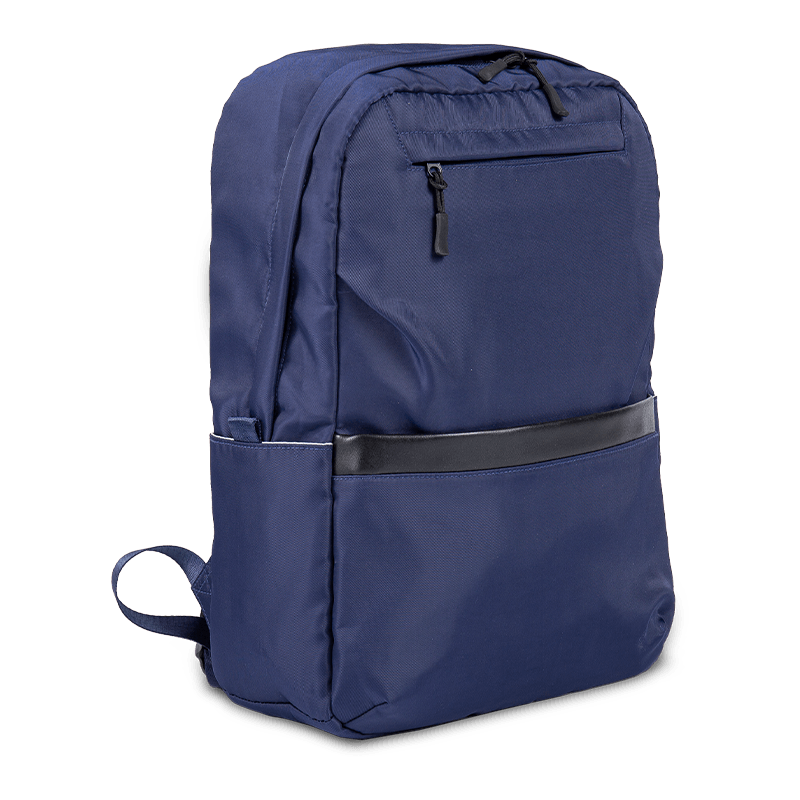
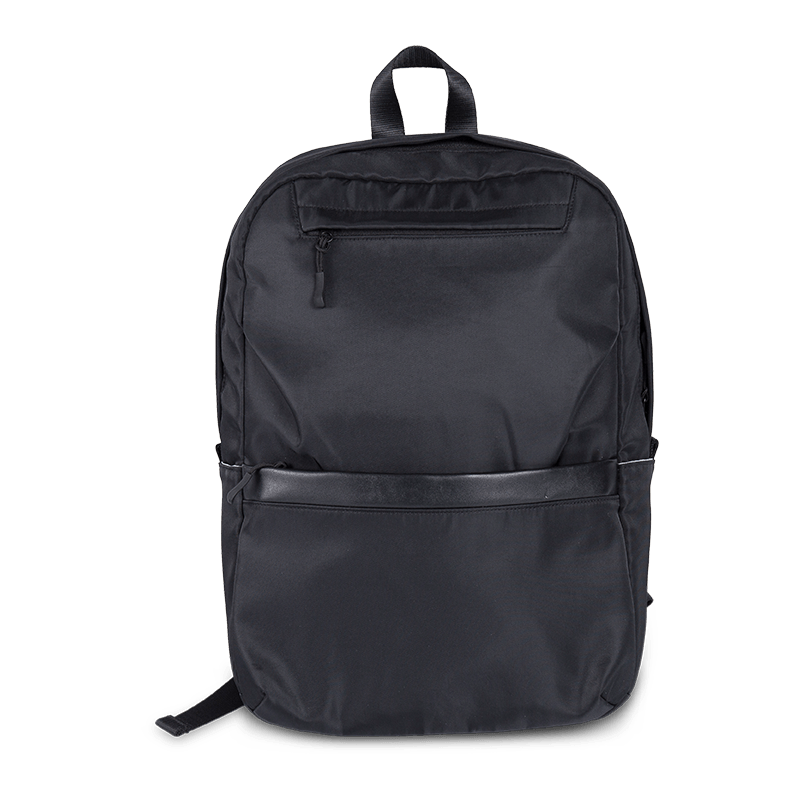
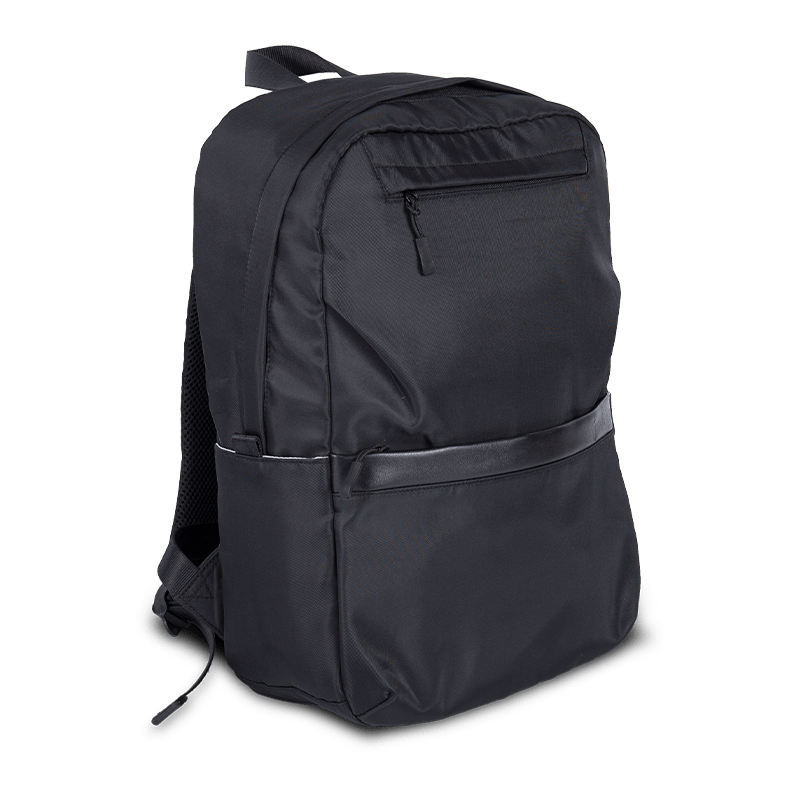
Thoughtful compartment design transforms a simple container into a highly functional carry on luggage piece. Dedicated padded laptop sleeves that hold a 15-inch device eliminate the need for a separate briefcase. Compression straps flatten soft items, minimizing wrinkles and freeing up to 20% more volume. Zippered mesh pockets keep toiletries visible, which accelerates security screening. A separate, sealed shoe compartment on the bottom isolates dirt, while lined quick-access pockets protect valuables.
Modular Packing Systems
Pairing a compact carry on travel bag with packing cubes creates a customizable interior. Cubes act like drawers: one for tops, one for bottoms, one for undergarments. This keeps folded garments neat even after repeated rummaging and makes unpacking at the hotel a five-minute task.
Silent Mobility and Ergonomic Handling
Wheels and handles determine how a carry on suitcase feels during a dash through terminals. Dual spinner wheels encased in protective housings roll smoothly over carpet and uneven pavement, with noise levels often kept below 60 decibels. An ergonomic telescopic handle with multiple locking stages lets users of different heights keep their wrist in a neutral position, reducing fatigue. Sturdy top and side grab handles with reinforced stitching are essential for quickly hoisting the bag into an overhead bin without strain.
Security Features and Quick Access Points
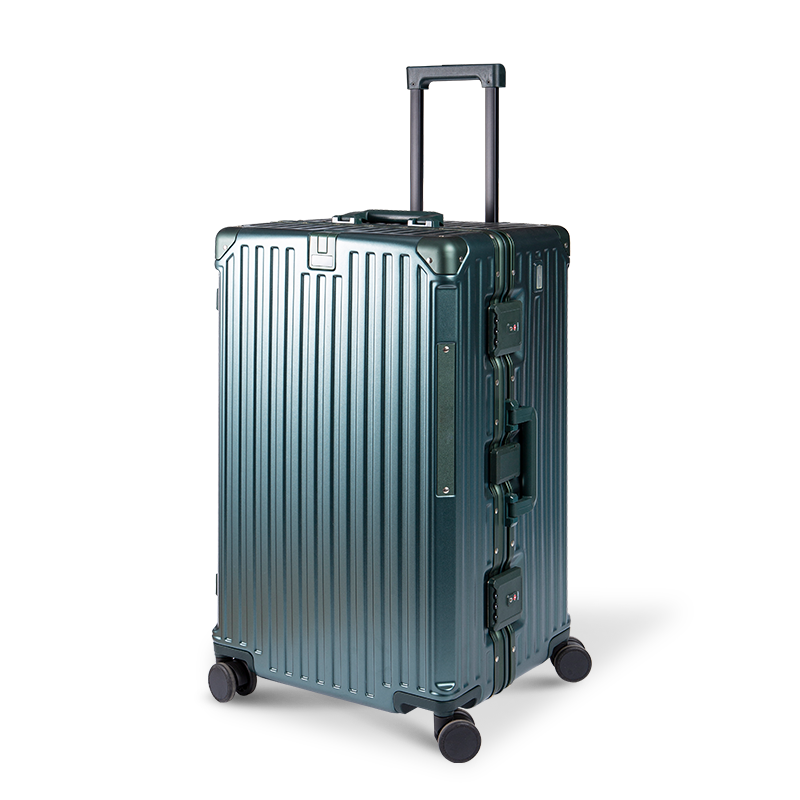
A built-in TSA-approved combination lock protects your carry on luggage while allowing authorities to inspect it without breakage. Front pockets lined with RFID-blocking material shield credit cards and passports from electronic pickpocketing. A well-placed side-access compartment for a power bank and charging cable means you can refuel your phone during the boarding wait without opening the main compartment and exposing everything.
Packing Techniques for a Compact Carry On Travel Bag
Maximizing every cubic inch of a compact carry on travel bag requires a deliberate strategy. The following methods consistently help travelers fit more while keeping items accessible.
- Roll clothing instead of folding. Rolling can reduce volume by up to 30% and prevents deep creases.
- Fill empty cavities. Tuck socks, chargers, and rolled belts inside shoes.
- Use the flat-lay method for formal wear. Stack blazers and dress shirts with dry cleaner tissue paper, then place them on top of the rolled items.
- Wear the bulkiest items. Jackets, heavy boots, and sweaters should be worn during the flight to save space inside the carry on suitcase.
- Organize tiny essentials in the lid pockets. Documents, pens, and medications belong where they can be reached without unpacking.