



 English
 Español
 عربى
عربىContent
Most travelers pick their suitcase based on looks. That's a mistake. The shell type — soft or hard — determines how your bag handles airline abuse, overhead bin fights, and overpacking emergencies. If you're leaning toward a soft shell suitcase, here's exactly what you need to know before buying.
What Is Soft Shell Luggage, Really?
Soft shell luggage is built around a woven fabric exterior — typically high-density nylon or Oxford polyester ranging from 600D to 1800D. Unlike hard-shell cases made from ABS or polycarbonate, the fabric shell flexes under pressure rather than holding rigid shape. That flexibility is both its greatest strength and its most misunderstood limitation.
Modern soft shell luggage collections use water-resistant coatings and reinforced frame corners to close the gap with hard-shell durability — while keeping the weight advantage that fabric naturally provides.
The Real Advantages of Soft Sided Luggage
Packing flexibility is the top reason frequent flyers choose soft sided luggage. A fabric shell can expand 2–4 cm beyond its stated capacity, absorbing that extra sweater or souvenir you picked up on day three. Hard shells simply cannot do this — their volume is fixed by the mold.
Soft bags also compress into tight overhead bins. If you've ever watched someone wrestle a rigid case sideways into a full compartment, you understand the value. A soft suitcase yields slightly, fitting where hard cases won't.
Weight is the third factor. Fabric construction typically saves 0.5–1.5 kg compared to a polycarbonate case of the same size. On airlines with strict 7 kg carry-on limits, that margin is the difference between paying a fee and walking through the gate.
| Factor | Soft Shell Suitcase | Hard Shell Suitcase |
|---|---|---|
| Weight | Lighter (saves 0.5–1.5 kg) | Heavier |
| Packing capacity | Expandable, flexible | Fixed by shell shape |
| Overhead bin fit | Compresses to fit | Rigid, may not fit |
| Fragile item protection | Moderate | Superior |
| Exterior pockets | Yes — quick-access pockets | Rarely |
| Water resistance | Coated fabric (good) | High (rain/puddles) |
Who Should Choose Soft Shell Luggage?
Soft sided luggage suits three types of travelers particularly well. Carry-on travelers benefit most — the lightweight build and bin-friendly compression solve the two biggest pain points on short-haul flights. Road trippers and bus travelers appreciate that soft bags squeeze into trunk corners and luggage racks without fighting for space. Shoppers who travel love that an expandable soft case has room for what they bring home.
Hard shell luggage wins if you're checking fragile equipment (cameras, glassware) or traveling routes where bags sit on wet tarmacs for extended periods. For everything else, soft shell is usually the smarter, lighter, more practical choice.
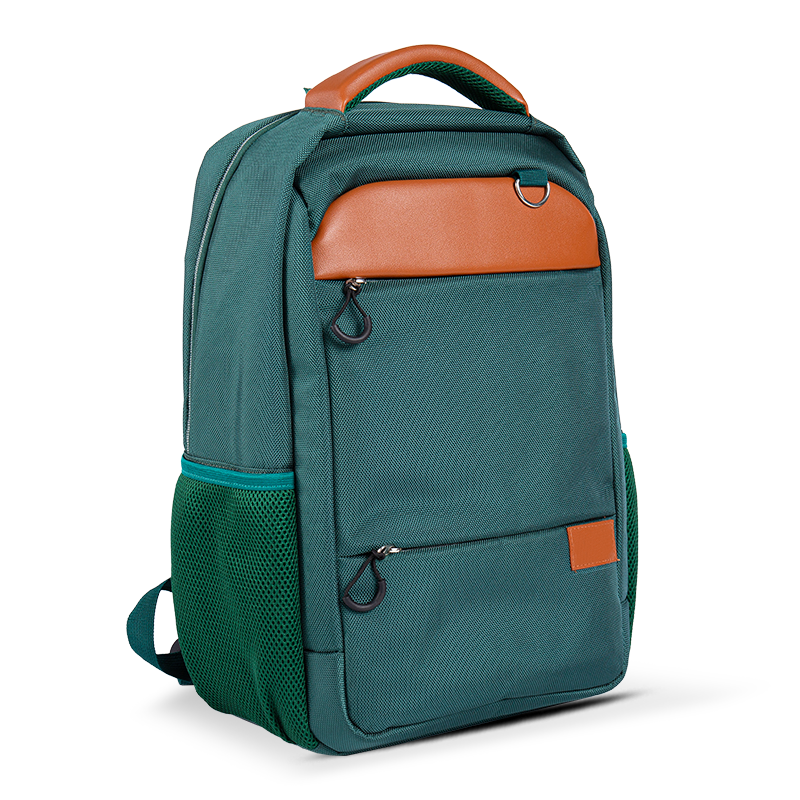
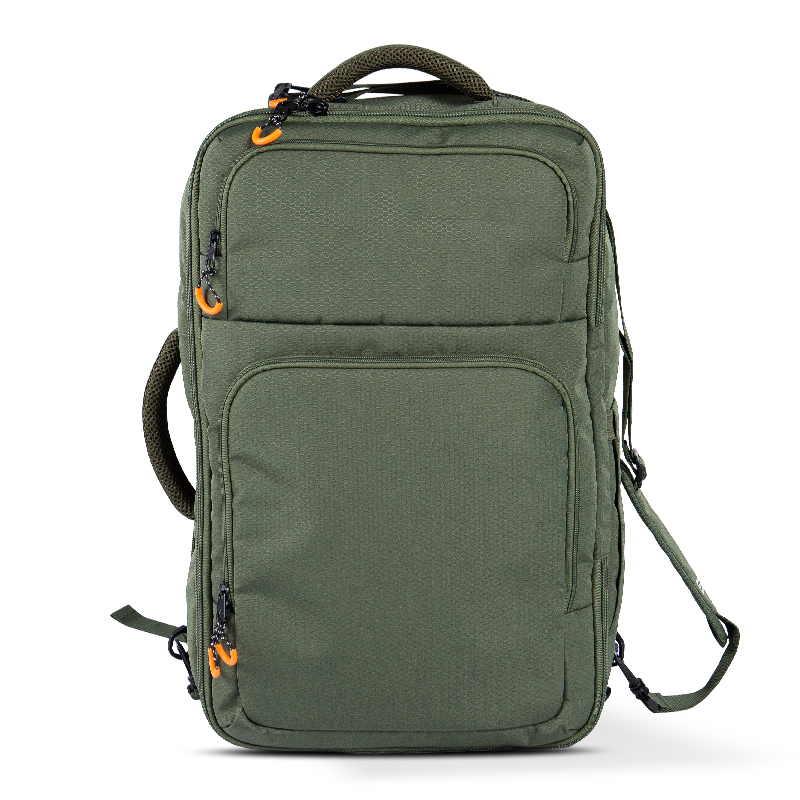
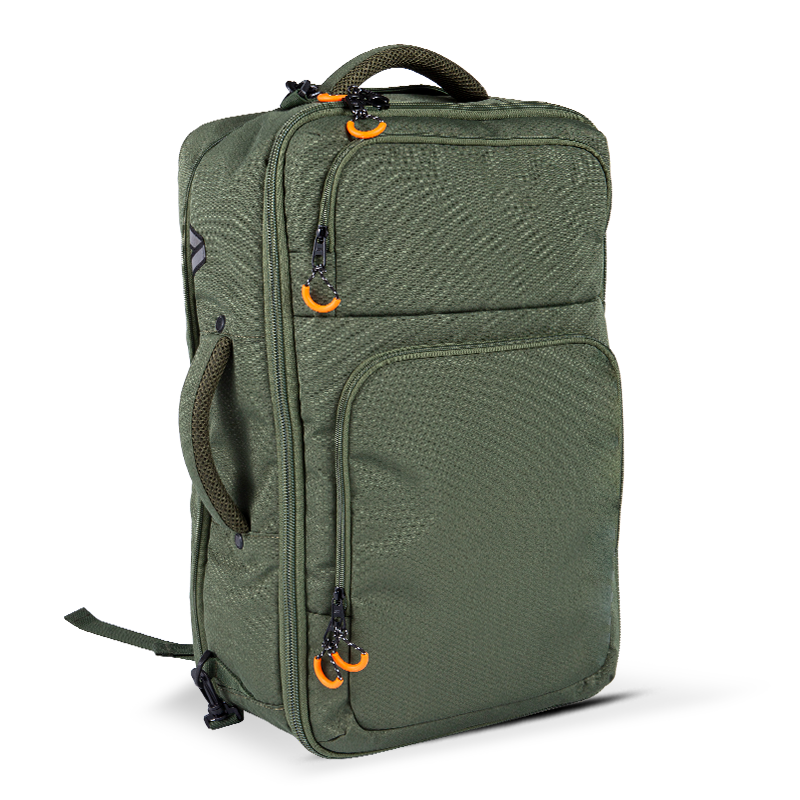
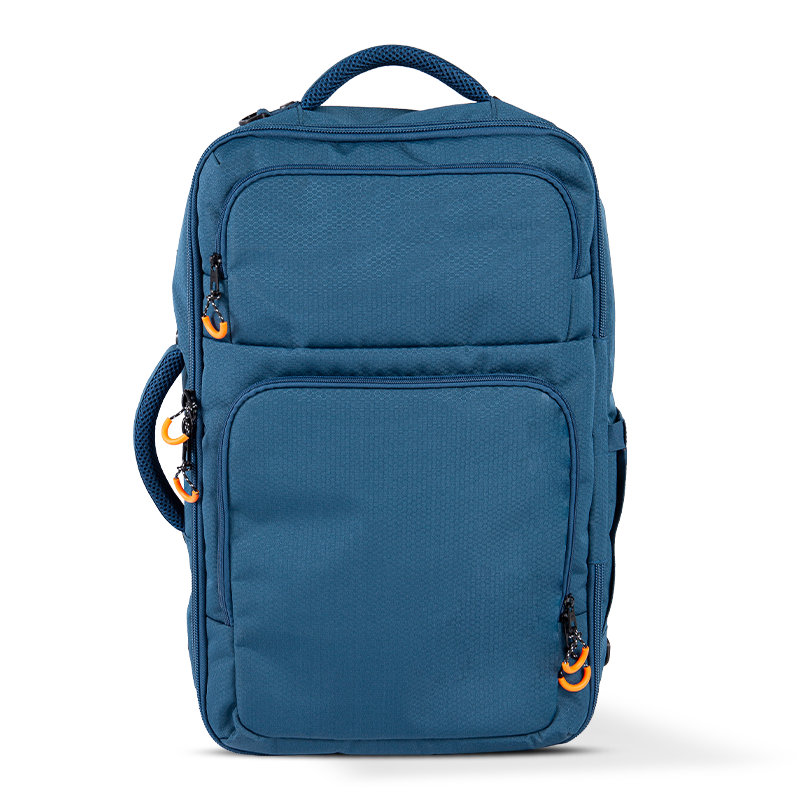
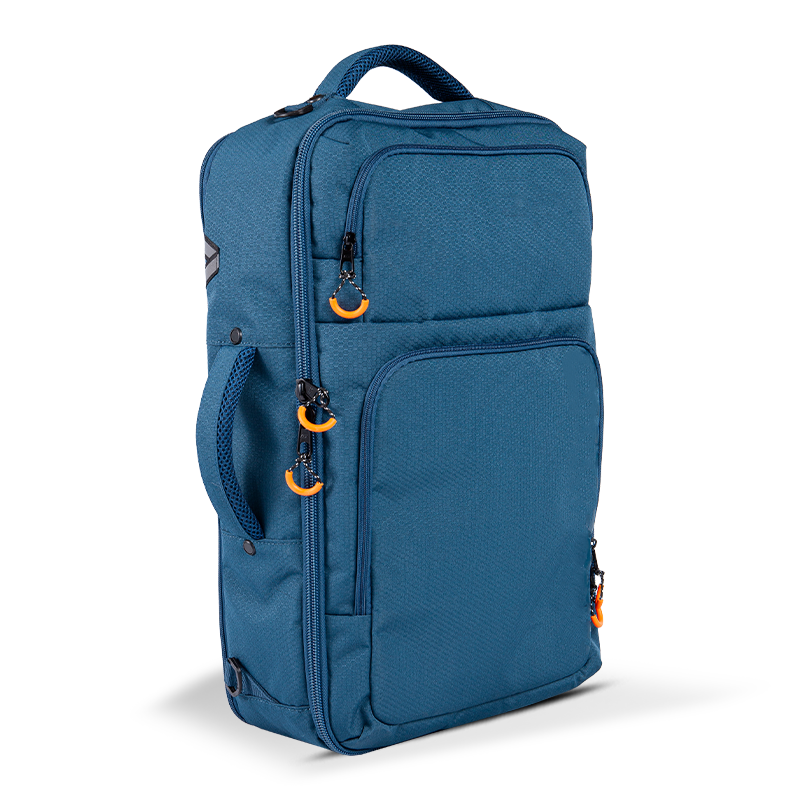
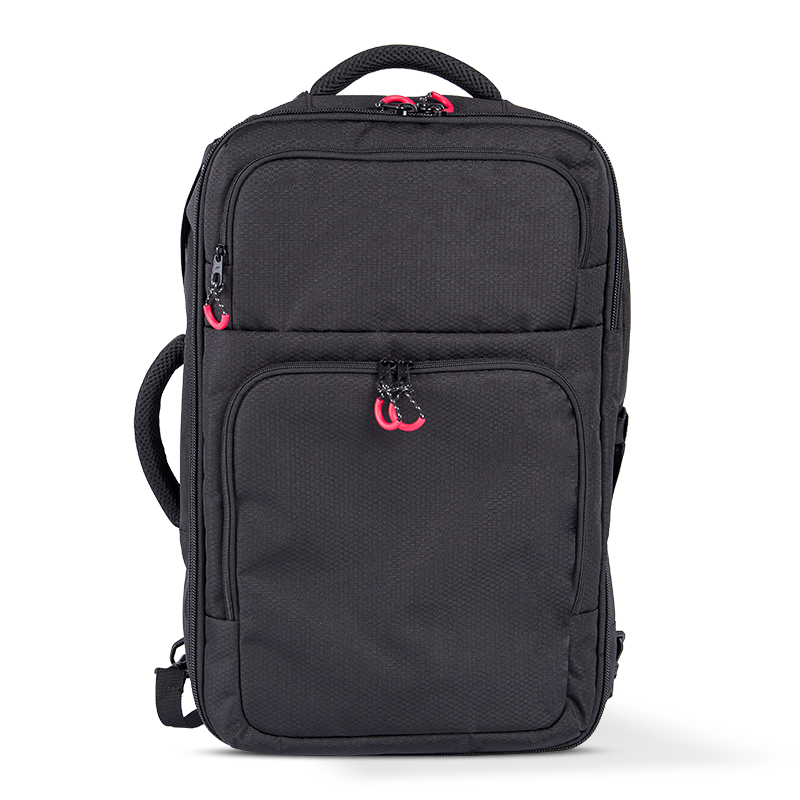
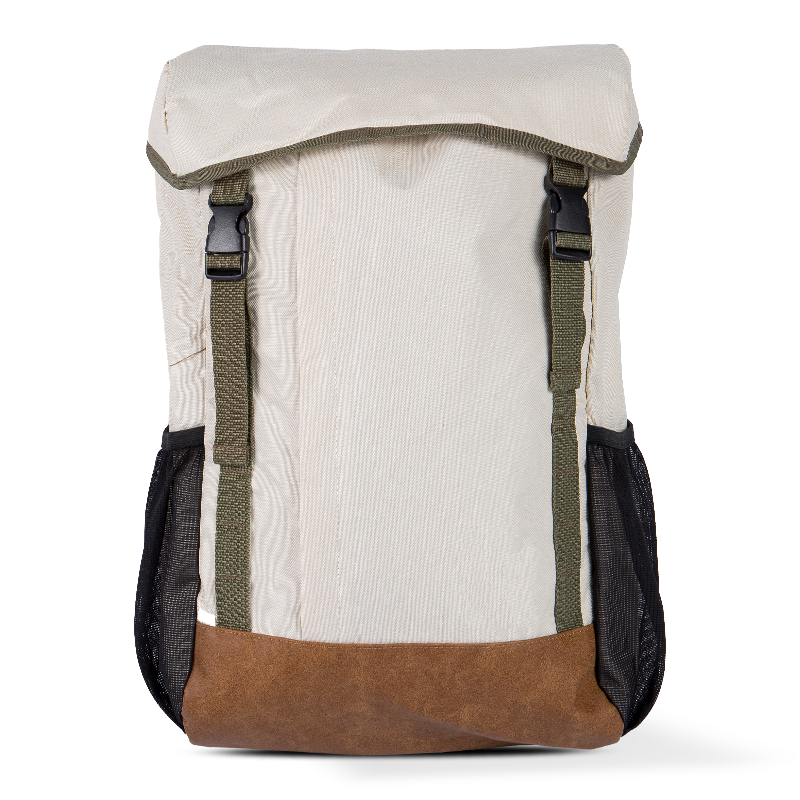
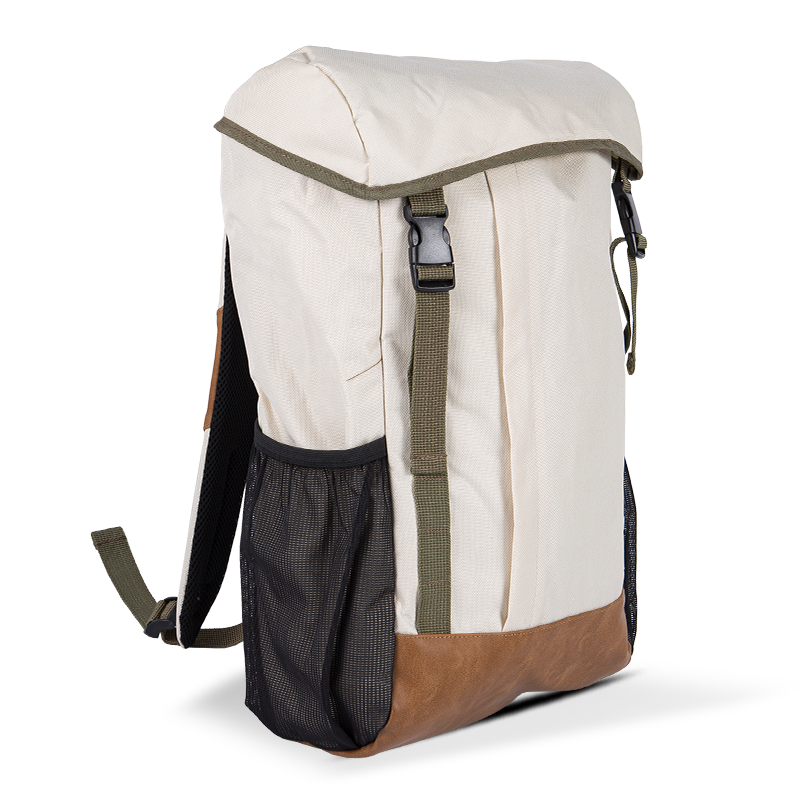
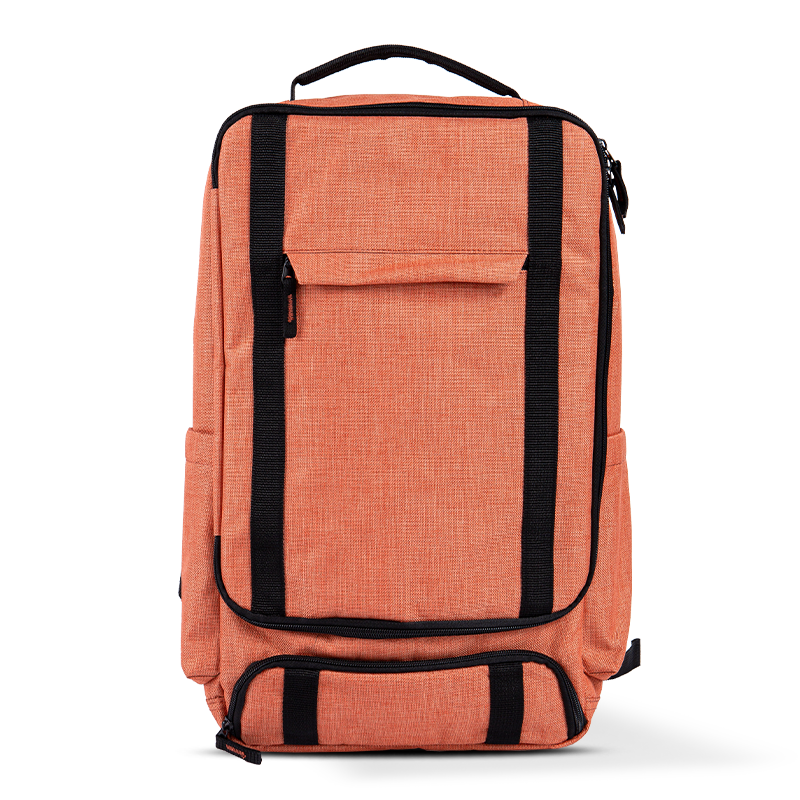
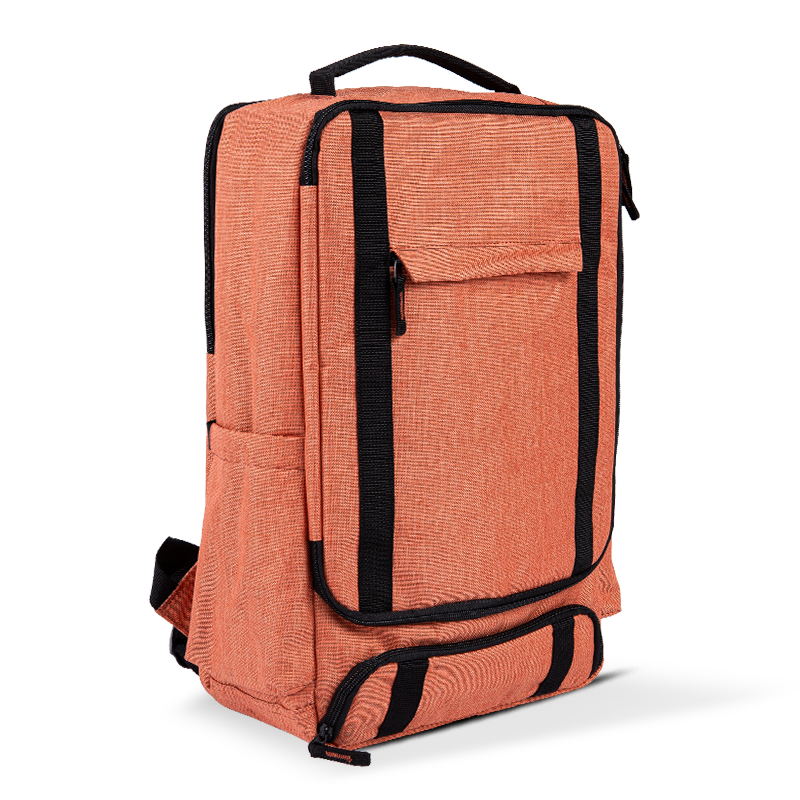
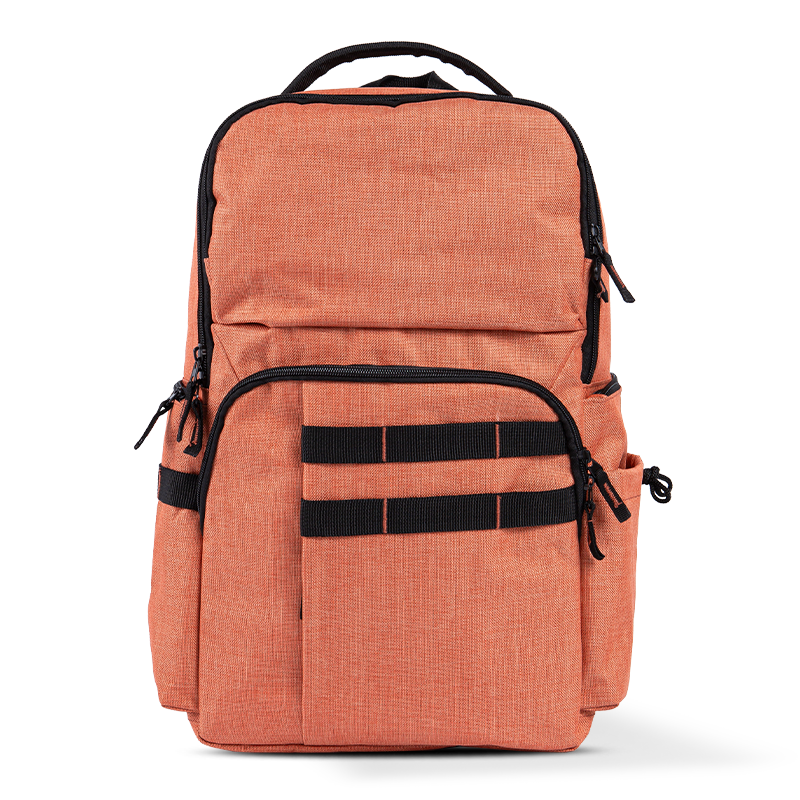
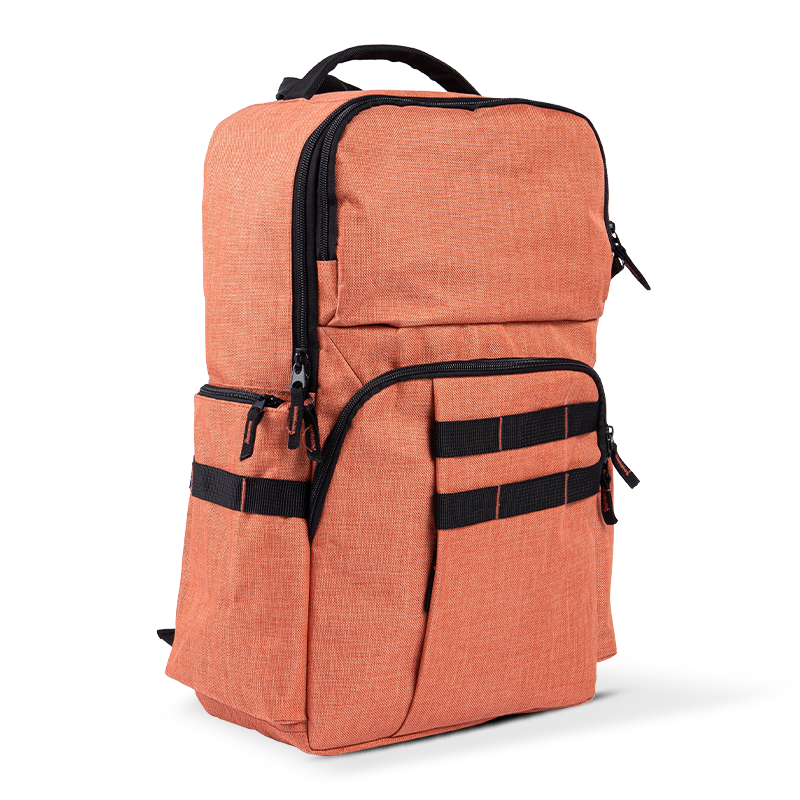
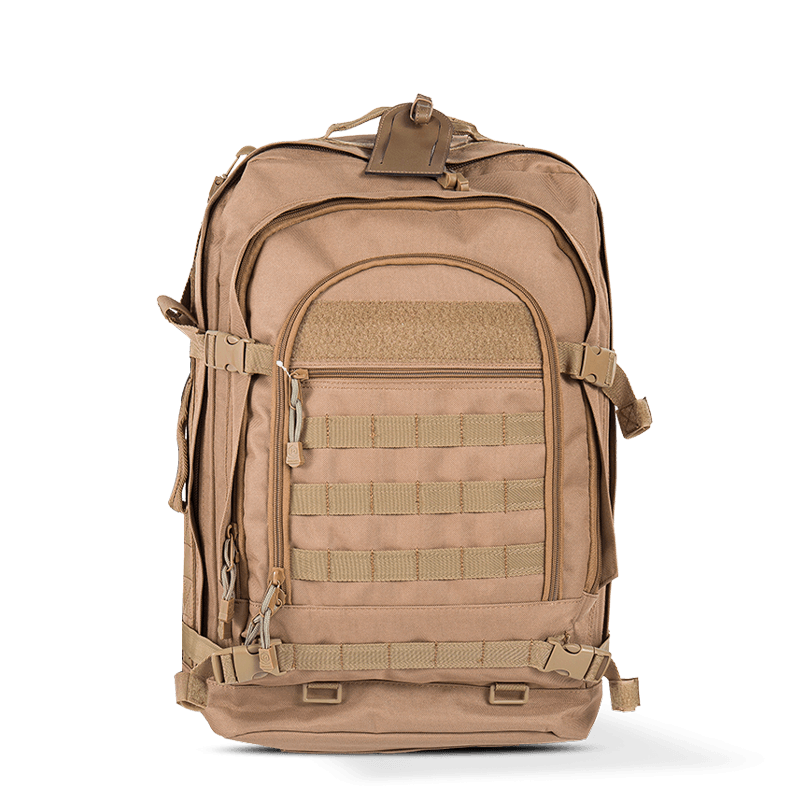
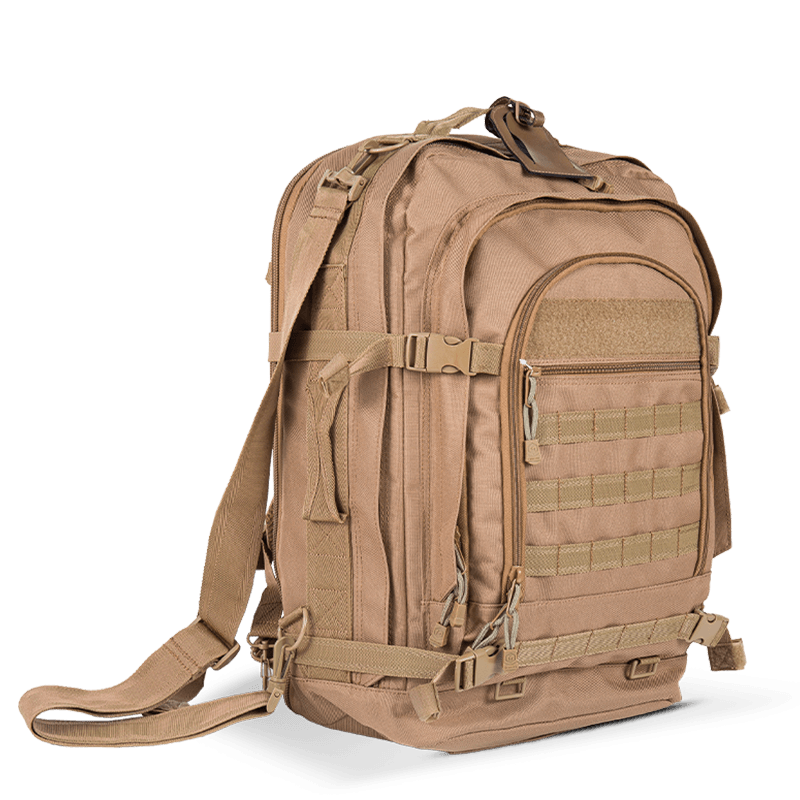
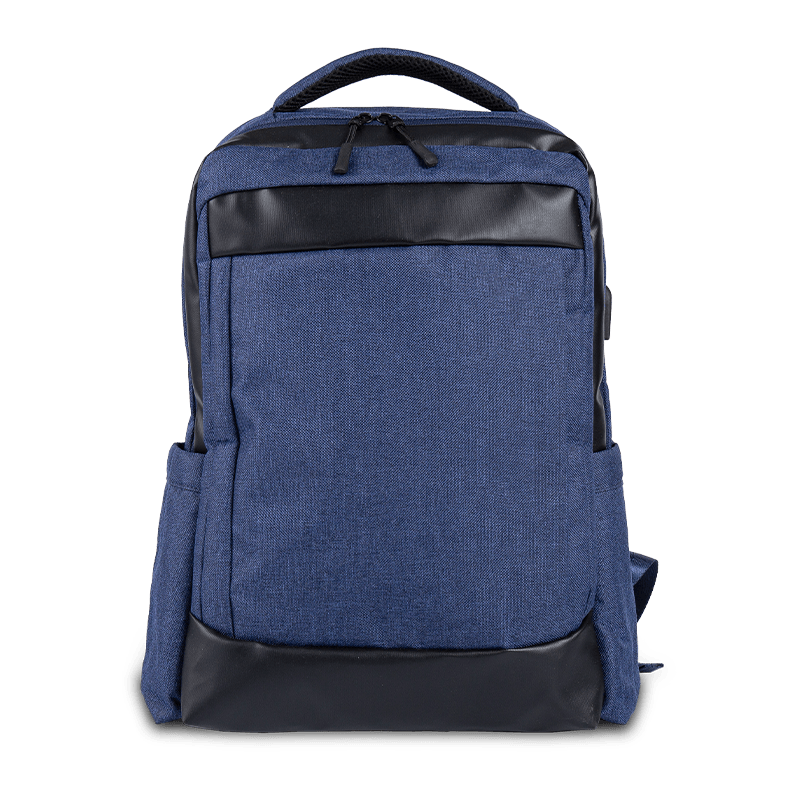
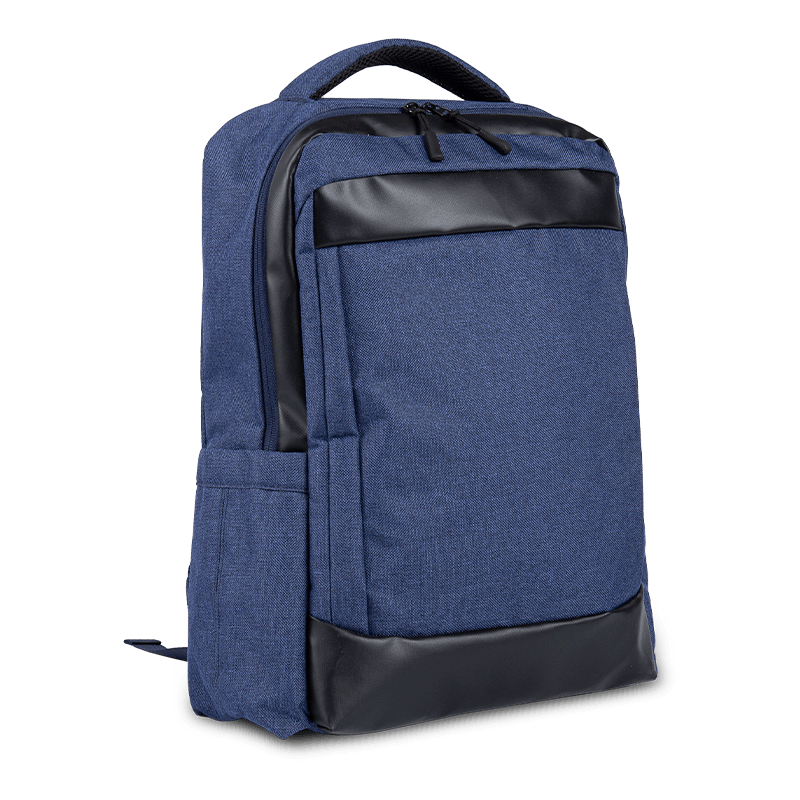
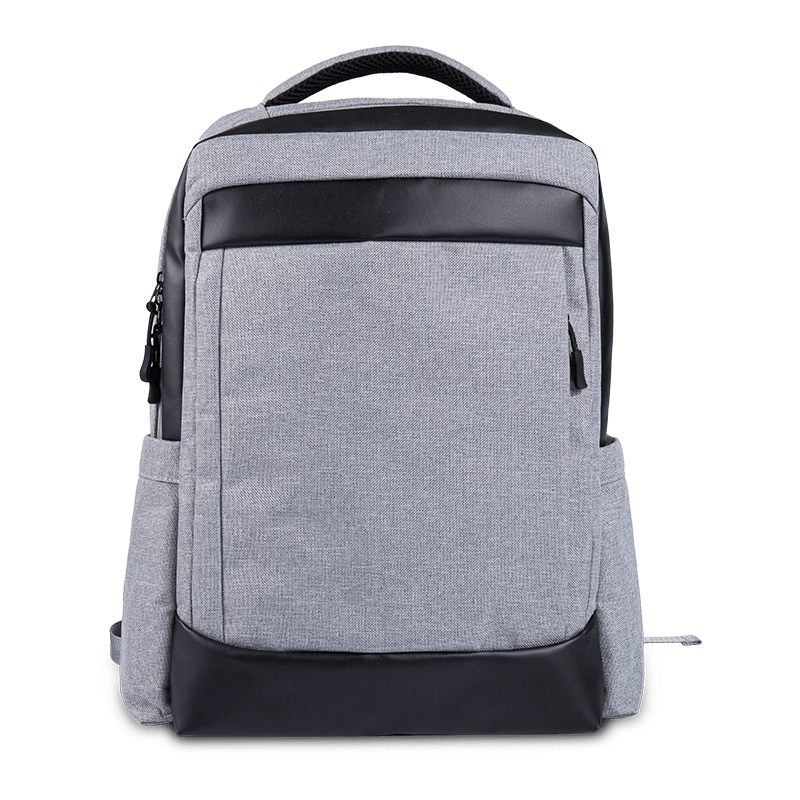
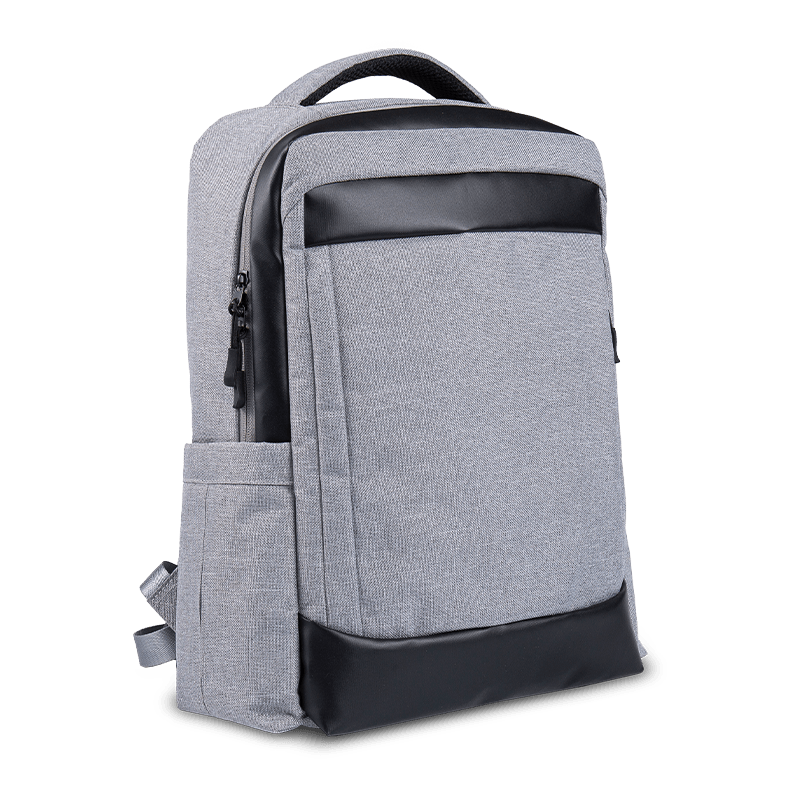
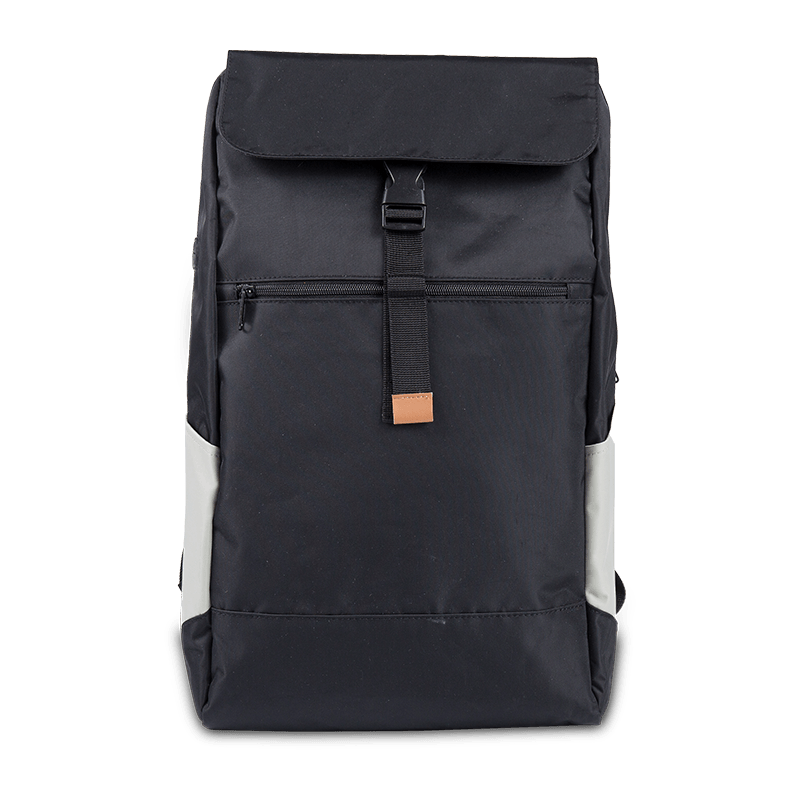
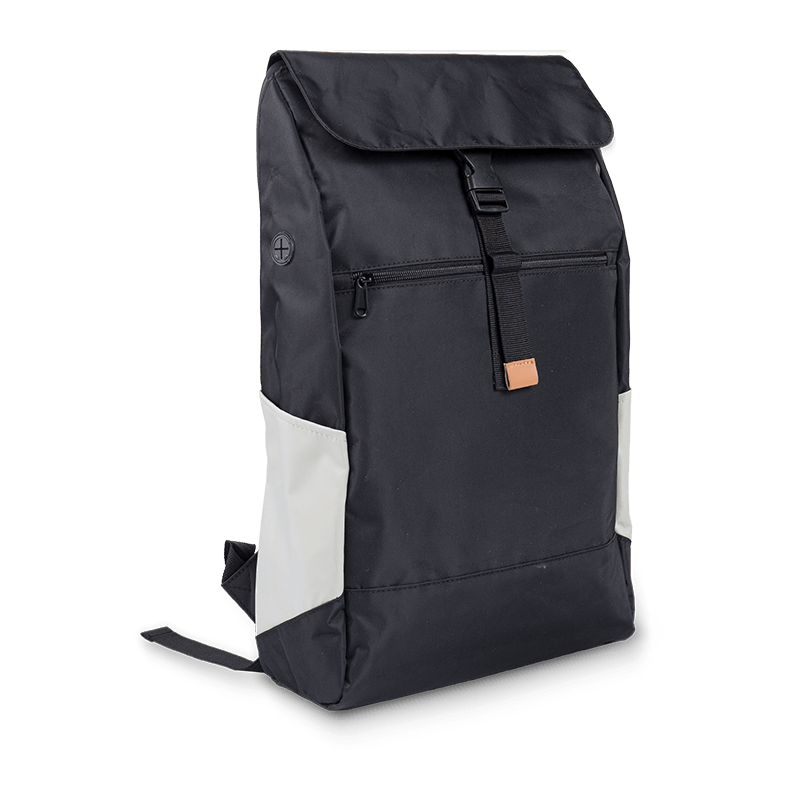
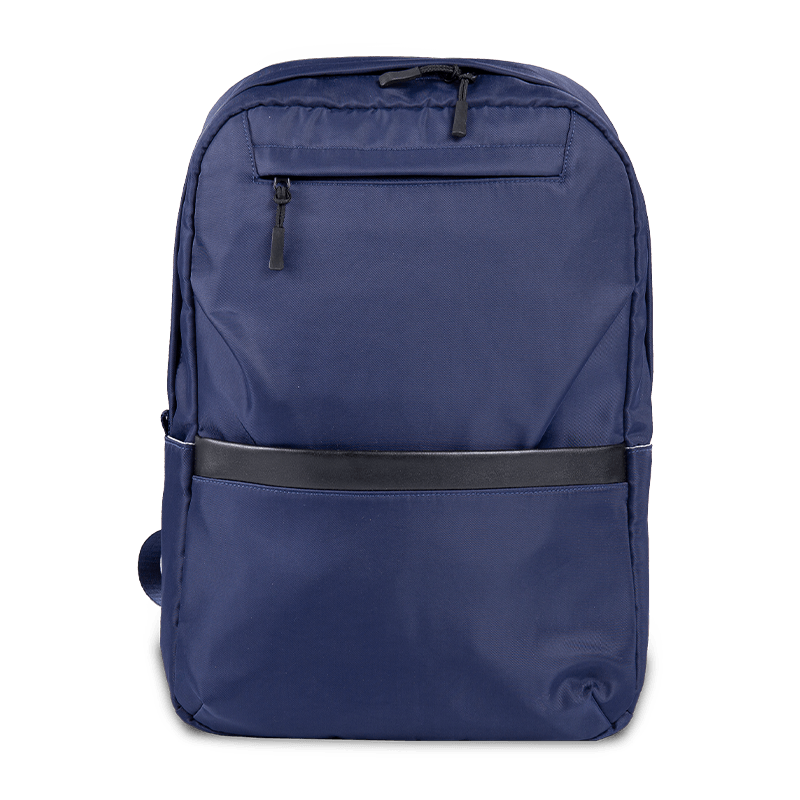
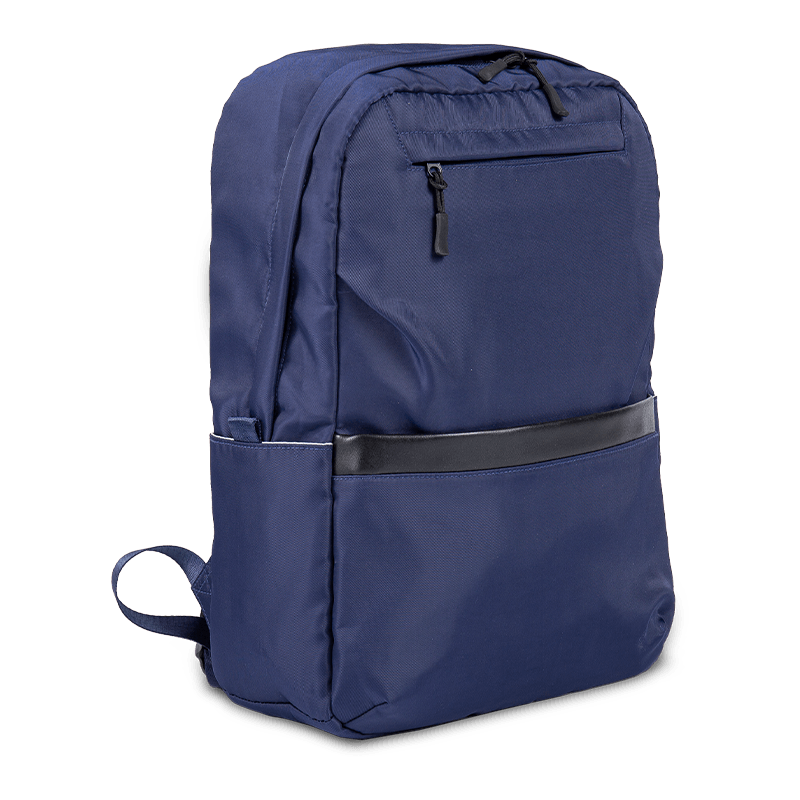
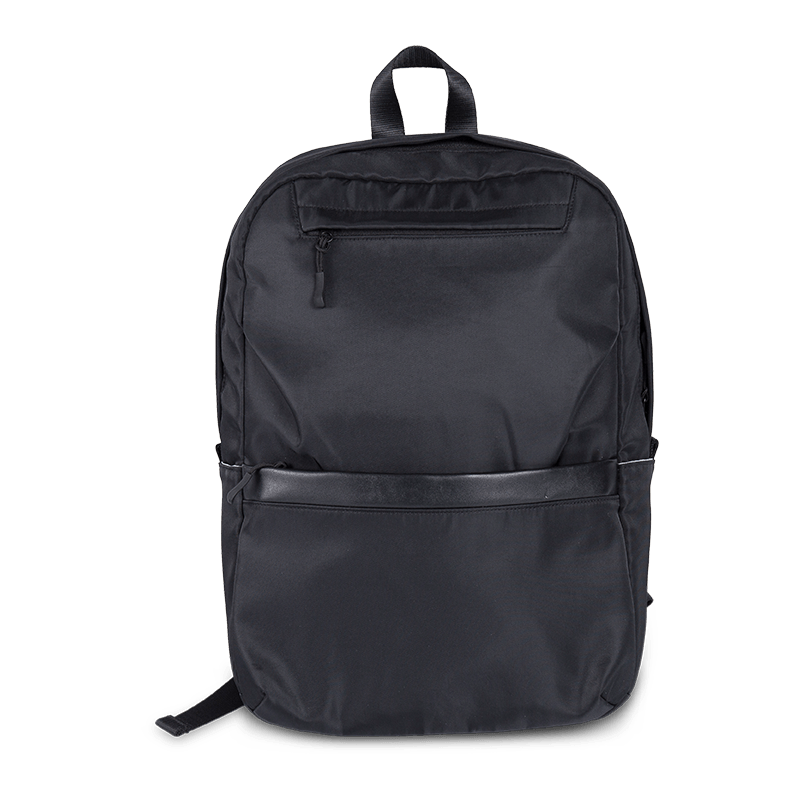
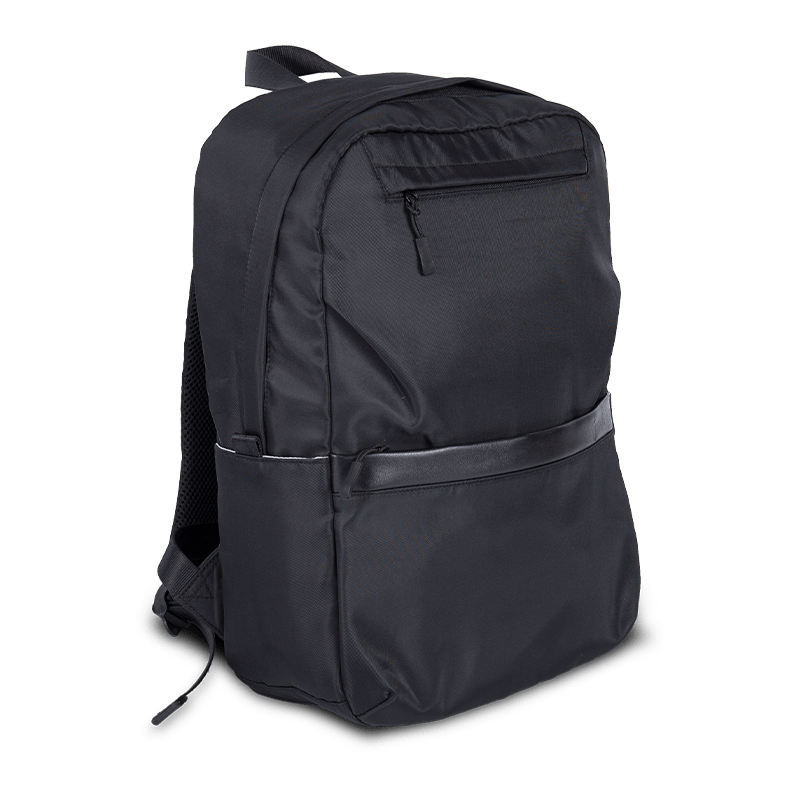
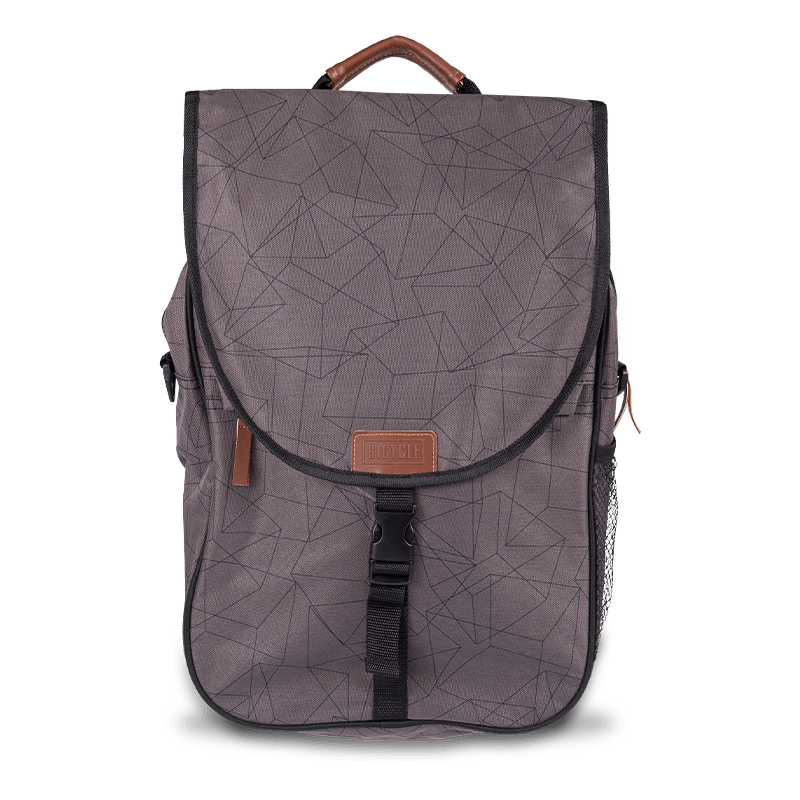
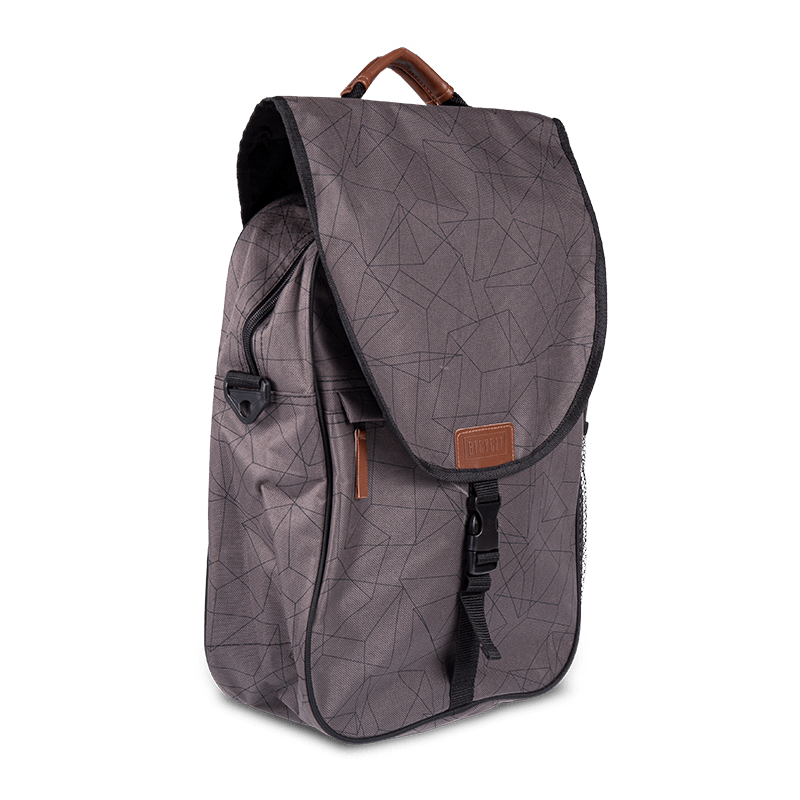
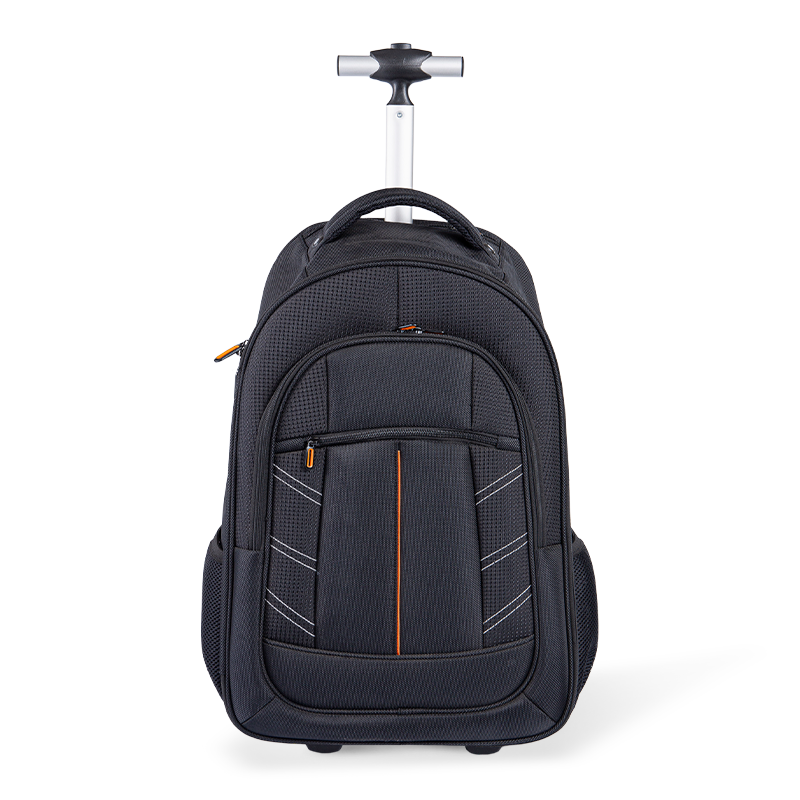
Pair your carry-on soft suitcase with a compact travel backpack and you can skip checked baggage entirely on most domestic routes.
What to Check Before You Buy
Not all soft shell luggage is equal. Here are the specs that actually matter:
- Fabric denier: Look for 1200D or higher Oxford polyester for checked bags. 600D works well for carry-ons with lighter loads.
- Zipper quality: YKK zippers or equivalent are the industry standard. Cheap zippers fail under heavy packing — check that coil width is at least 5mm on main compartments.
- Wheel system: 360° spinner wheels on double ball bearings roll silently and handle uneven pavement. Four-wheel spinners outperform two-wheel rollers for airport maneuvering.
- Telescopic handle: Multi-stage aluminum handles with at least two height stops prevent back strain on longer walks. Test the locking mechanism — it should click firmly at each position.
- Water-resistant coating: A DWR (Durable Water Repellent) coating on the fabric handles light rain. It won't make the bag waterproof, but it buys you time in a downpour.
If you travel frequently for business, the business travel bag range pairs well with a soft shell checked case — matching a structured carry-on with a flexible main bag covers most trip lengths efficiently.
Size Guide: Getting the Dimensions Right
Soft shell suitcases are sold in standard sizes, but airline rules vary. Here's a practical breakdown:
- 20-inch (cabin/carry-on): Fits most airline overhead bins. Ideal for trips up to 5 days. Typical capacity: 35–45 liters.
- 24-inch (medium checked): The most versatile size. Handles 7–14 day trips. Capacity: 65–75 liters. Stays under most 23 kg weight limits when packed sensibly.
- 28–30 inch (large checked): Long-haul or family travel. Capacity up to 100+ liters. Worth choosing an expandable model to handle the return trip.
One practical tip: if you regularly travel internationally, a 20-inch soft carry-on plus a 26-inch checked bag covers most itineraries without ever paying oversize fees. Several Oxford fabric luggage sets in 20/26/30-inch combinations are designed exactly for this kind of modular packing strategy.
Caring for Your Soft Sided Luggage
Fabric bags are easier to maintain than most people assume. Spot-clean the exterior with a damp cloth and mild detergent after each trip. For deeper cleaning, most nylon exteriors handle a gentle hand wash. Let the bag dry fully before storing — moisture trapped inside causes odor and can degrade the zipper pulls over time.
Store soft suitcases upright, loosely packed with a fabric insert or old clothing to hold their shape. Avoid storing them compressed under weight, which creases the fabric and weakens the frame corners over repeated trips.
The Bottom Line
Soft shell suitcases offer better packing flexibility, lighter weight, and easier storage than hard-shell alternatives — and they've improved significantly in durability as materials have advanced. For carry-on travel, weekend trips, and anyone who tends to bring back more than they packed, a quality soft sided bag is almost always the right call. Focus on fabric denier, zipper quality, and wheel construction, and you'll have a bag that handles years of use without drama.
Browse the full luggage and suitcase collection to compare soft shell and hard shell options across all sizes.