



 English
 Español
 عربى
عربىContent
Your checked bag comes off the carousel with a dented corner, a broken zipper pull, and something inside rattling that wasn't rattling before. Sound familiar? That's the moment most travelers wish they'd gone with a rigid-shell suitcase built to take the hit. This guide cuts through the noise and gives you the exact criteria to pick the right hard shell bag for your travel style.
ABS+PC vs. Aluminum: Two Very Different Hardside Constructions
The shell material is the single biggest decision, and the difference between options is larger than most shoppers expect.
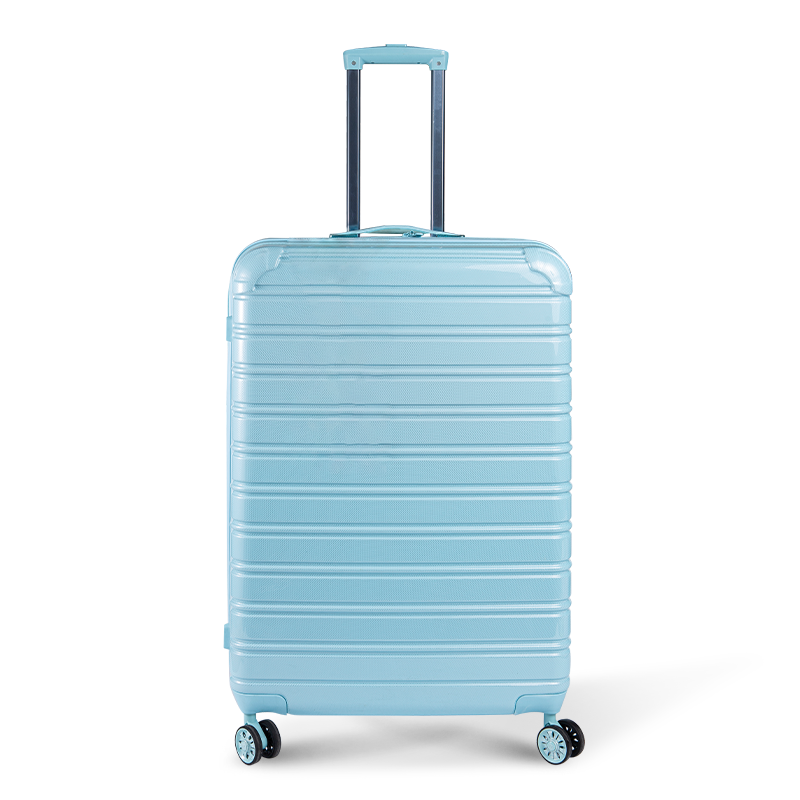
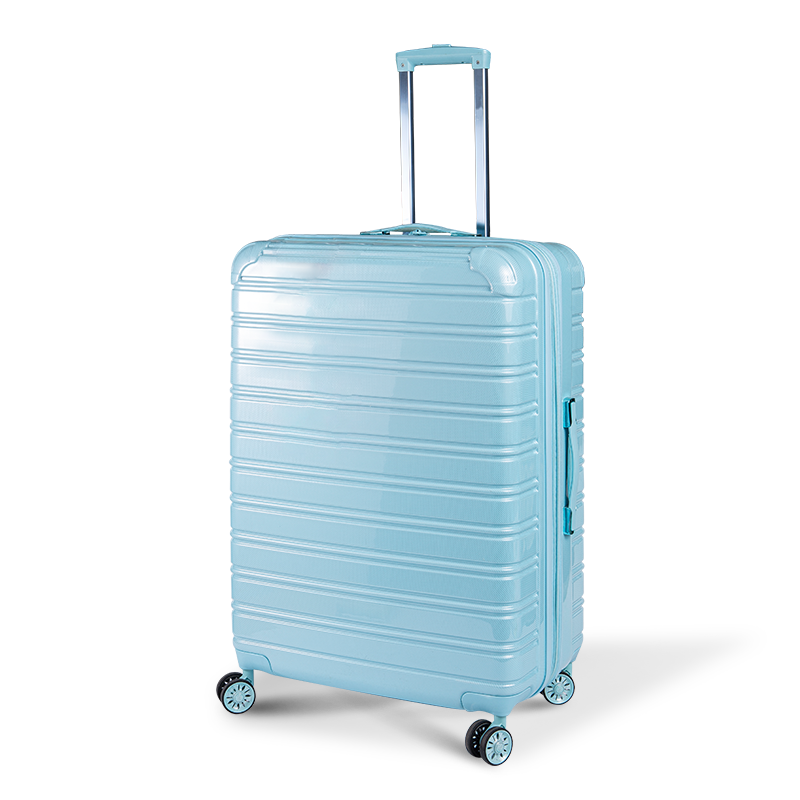
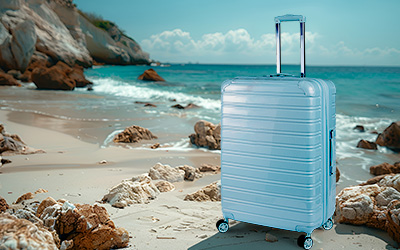
ABS+PC (polycarbonate blend) is the most common construction in modern hard shell luggage. The ABS layer adds structural rigidity; the PC layer provides flex — meaning the shell can absorb an impact and spring back rather than crack. It's lighter than aluminum, typically more affordable, and available in the widest range of sizes (20-inch cabin carry-ons up to 29-inch large checked bags). For most travelers, this is the right call.
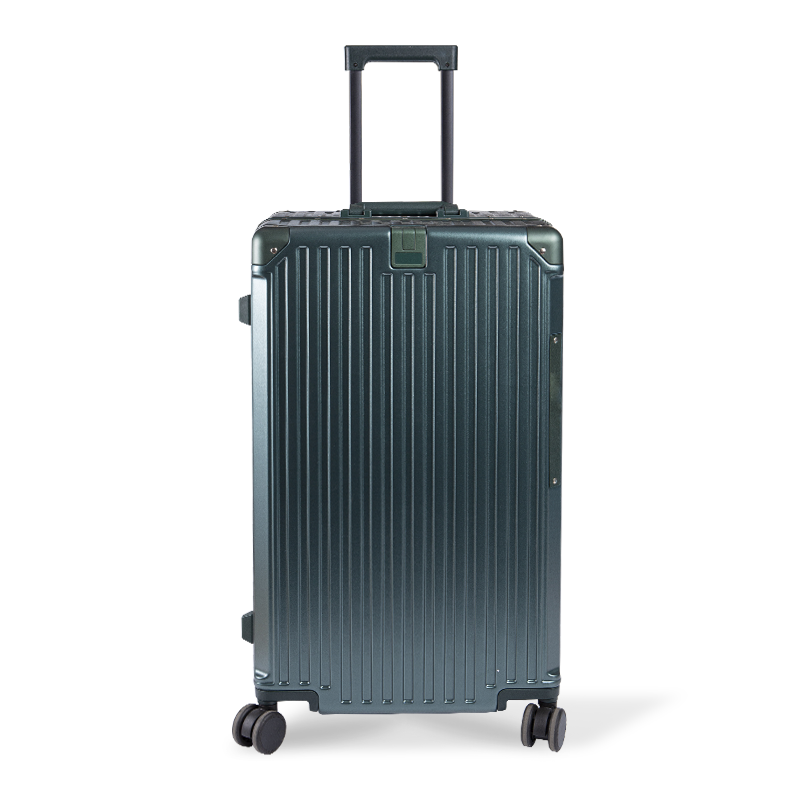
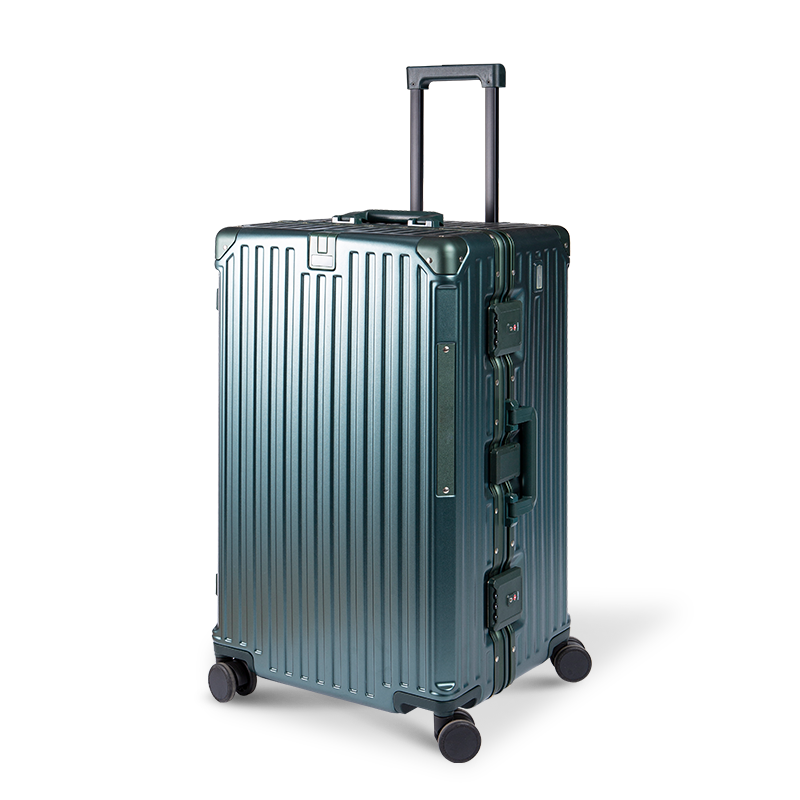
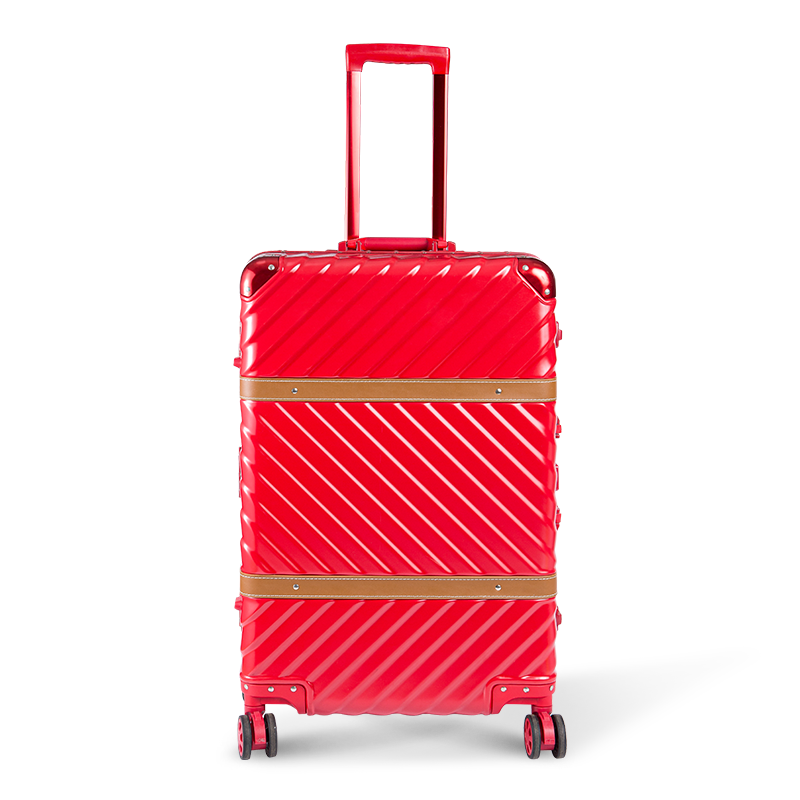
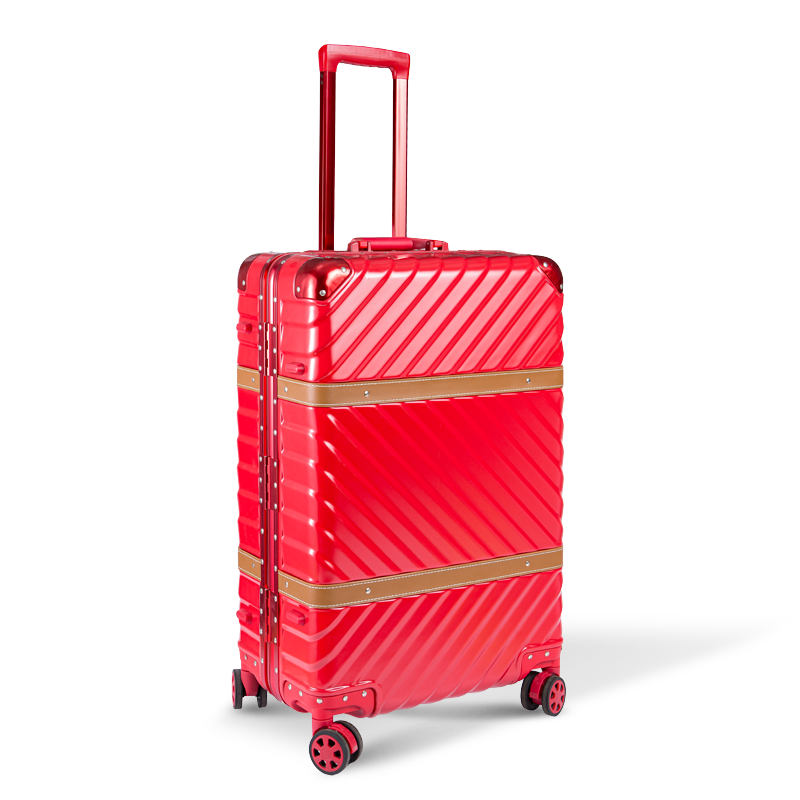
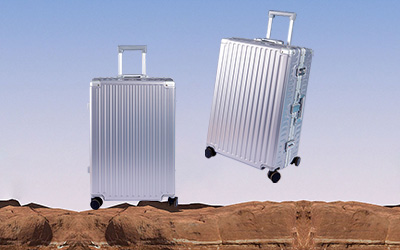
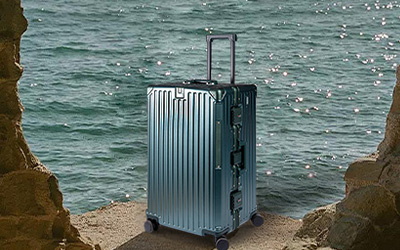
Aluminum-magnesium alloy shells are heavier but deliver a premium feel and superior corner protection. They're ideal for business travelers who check fragile equipment, frequent international fliers who want maximum security, or anyone who values the aesthetics of a metal case. The trade-off: they weigh more, which eats into airline weight allowances. If you're often pushing the 23 kg checked bag limit, that extra kilogram matters.
| Feature | ABS + PC | Aluminum-Magnesium Alloy |
|---|---|---|
| Weight | Lighter | Heavier |
| Impact resistance | Good (flex-back) | Excellent (rigid) |
| Price range | Mid-range | Premium |
| Best for | Everyday travelers | Business / frequent fliers |
Picking the Right Size: What Each Dimension Actually Means
Size charts feel abstract until you're standing at a check-in desk. Here's a grounded breakdown based on real-world use:
- 20-inch: The standard carry-on. Fits most airline overhead bin requirements. If you travel for 3–5 days and pack efficiently, this is all you need — and you skip baggage fees entirely.
- 24-inch: The most popular checked size. Holds 7–10 days' worth of clothes comfortably. Heavy enough to manage, light enough to lift into a car trunk without strain.
- 26-inch: A step up for longer trips or travelers who need extra room for gifts, equipment, or shopping on the way home.
- 29-inch: Maximum checked bag territory. Built for extended international travel, family trips, or relocation moves. Pair it with a 20-inch carry-on bag to maximize your total packing allowance on most airlines.
Five Features That Separate Good Hard Shell Suitcases from Great Ones
1. Spinner vs. Two-Wheel Rollers
Four 360° spinner wheels let you push the bag beside you rather than dragging it — which matters at 6 a.m. in a crowded terminal. Look for wheels made with a double-layer construction: the inner core handles load, the outer rubber ring handles noise. Ultra-quiet spinners are not just a marketing term; the difference between a squeaking bag and a smooth-rolling one becomes very obvious on hard airport floors.
2. Lock Type
For checked bags on U.S.-bound or U.S.-departing flights, a TSA-recognized combination lock is the practical choice. Security agents can open and re-seal the bag without cutting anything. A standard 3-digit combination lock works well for domestic and regional travel. For higher-security needs — laptops, valuables — consider aluminum cases with built-in TSA combination locks.
3. Telescopic Handle Stability
A handle that wobbles at extension is a slow frustration that compounds over every trip. The handle should lock cleanly at two or three height positions, resist side-to-side flex, and feel solid when pushing the bag sideways. This is one of those components you can only evaluate by testing in person or reading detailed reviews — photos won't tell you anything.
4. Clamshell vs. Top-Opening Interior
Almost all modern hardside suitcases open clamshell-style, splitting the case 50/50 at the middle. This means two full packing halves — typically one with a zip-mesh divider for clothes and one with cross-straps to compress and secure them. The result is better access and easier packing than a top-opening design.
5. Scratch Resistance and Finish
A brushed or textured matte finish hides scratches far better than a high-gloss shell. After two or three trips through baggage handling, a glossy case looks worn. A textured surface looks intentional. This is especially worth considering if you're buying a premium aluminum case you expect to use for years.
When to Choose Hard Shell — and When Not To
Go hardside when you're checking bags on flights, transporting fragile items (souvenirs, electronics, bottles), traveling in wet climates, or want the ease of a wipe-clean exterior. Hard shell suitcases also stack cleanly on cruise ships and in hotel storage — they hold their shape under weight where fabric bags compress and tip over.
Consider soft shell luggage when you're carry-on only and need a bag that can compress into a tight overhead bin, or when you frequently overpack and need the exterior flexibility to close a stuffed bag. Soft cases typically offer exterior pockets too — a real convenience for quick-access items that hard shells simply can't match.
For a deeper dive into the durability and protection differences, see our guide to hard shell luggage protection and long-term durability.
The Bottom Line on Buying Hardside Luggage
Most travelers are best served by an ABS+PC hardside luggage set: a 20-inch carry-on and a 24-inch checked bag. That covers the majority of trips without overpacking or overspending. If you check bags regularly on international routes or travel with equipment, stepping up to an aluminum-magnesium alloy case is a worthwhile long-term investment. Either way, prioritize spinner wheel quality, handle stability, and lock type over color or brand name — those are the details you'll notice on every single trip.