



 English
 Español
 عربى
عربىContent
- 1 Why Soft Sided Luggage Outperforms Hard Shell for Most Travelers
- 2 Key Features to Look for in Soft Sided Luggage
- 3 Soft Sided vs. Hard Shell: A Practical Comparison
- 4 Best Uses for Soft Sided Luggage by Trip Type
- 5 How to Care for Soft Sided Luggage
- 6 Fabric Technologies Shaping the Next Generation of Soft Luggage
Why Soft Sided Luggage Outperforms Hard Shell for Most Travelers
Soft sided luggage consistently earns higher marks among frequent flyers for one practical reason: it adapts where hard shell bags cannot. When overhead bins are packed tight or trunk space is limited, a soft bag can compress slightly to fit — a flexibility that rigid cases simply don't offer. According to a 2023 travel gear survey by Consumer Reports, 62% of respondents who travel more than six times per year preferred soft sided designs for carry-on use.
Beyond flexibility, modern soft sided bags use ballistic nylon, ripstop polyester, or high-denier fabrics that withstand abrasion, moisture, and rough handling. Many mid-range and premium models now match — or exceed — the durability claims of entry-level hard shell alternatives, making the "soft means fragile" assumption largely outdated.
Key Features to Look for in Soft Sided Luggage
Not all soft bags are built equally. The difference between a bag that lasts two trips and one that lasts two decades usually comes down to a handful of construction details.
- Fabric denier rating: Look for 900D or higher for checked bags. Carry-on bags can function well at 600D if the weave is tight.
- Zipper quality: YKK zippers are the benchmark. Double-pull zippers on main compartments add both security and convenience.
- Spinner wheels: Four multidirectional wheels reduce strain on long terminal walks. Recessed wheel housings protect against breakage during baggage handling.
- Expandability: A 2–3 inch expansion panel on checked bags can add 15–20% more packing capacity — useful for return trips with souvenirs.
- Interior organization: Divider panels, compression straps, and mesh pockets prevent clothes from shifting and reduce wrinkles.
- Handle system: A telescoping handle with multiple height settings and a padded top grab handle make maneuvering through crowds easier.
Soft Sided vs. Hard Shell: A Practical Comparison
Choosing between soft and hard luggage depends largely on how and where you travel. The table below summarizes the trade-offs across the most common decision factors.
| Factor | Soft Sided Luggage | Hard Shell Luggage |
|---|---|---|
| Flexibility | High — compresses to fit tight spaces | None — fixed rigid structure |
| Weight | Generally lighter | Heavier shells add to base weight |
| Water resistance | Varies; DWR-coated fabrics perform well | Excellent — sealed shell repels water |
| Organization | More external pockets and compartments | Typically minimal external pockets |
| Impact protection | Moderate — fabric absorbs some shock | High — ideal for fragile items |
| Price range | Broad — budget to premium options | Mid to premium pricing common |
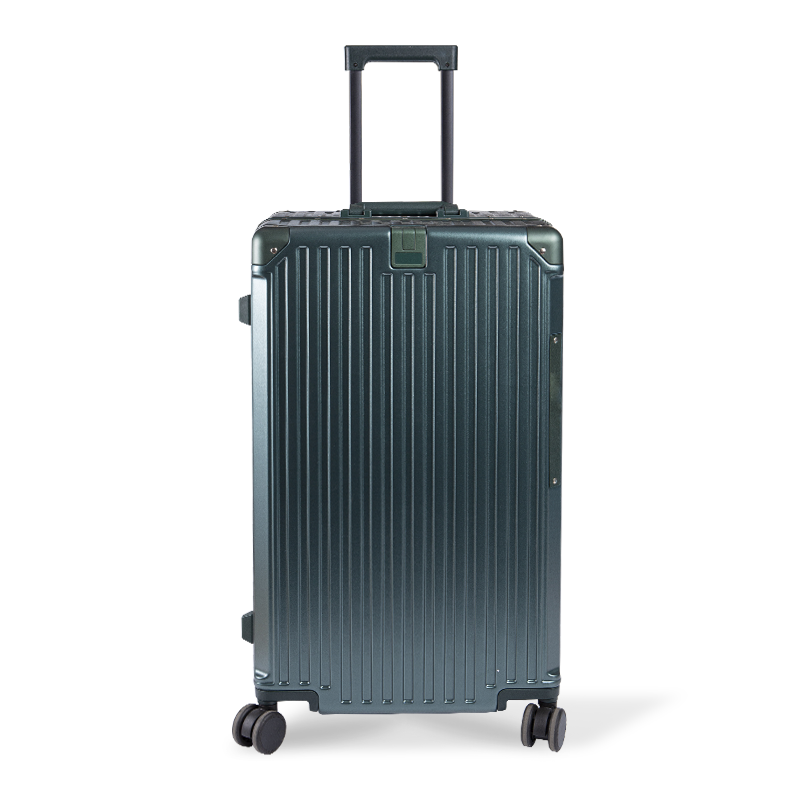
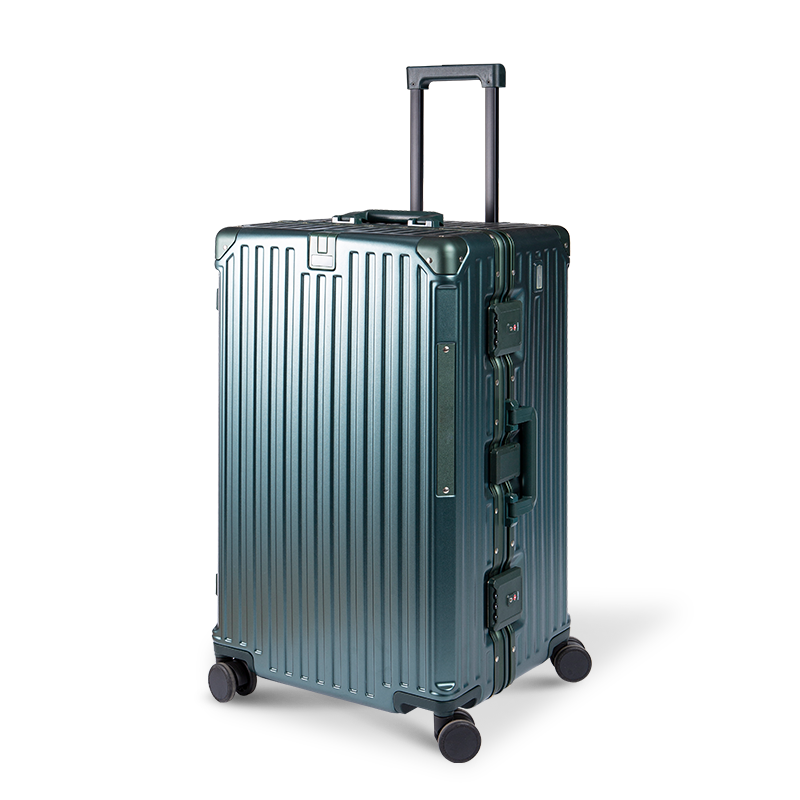
For travelers who pack light and move quickly through airports, soft sided luggage is typically the more practical choice. Hard shell cases make more sense when transporting electronics, glassware, or other items that need rigid protection.
Best Uses for Soft Sided Luggage by Trip Type
The versatility of soft bags makes them suitable for a wide range of travel scenarios, but they genuinely excel in certain contexts.
Business Travel
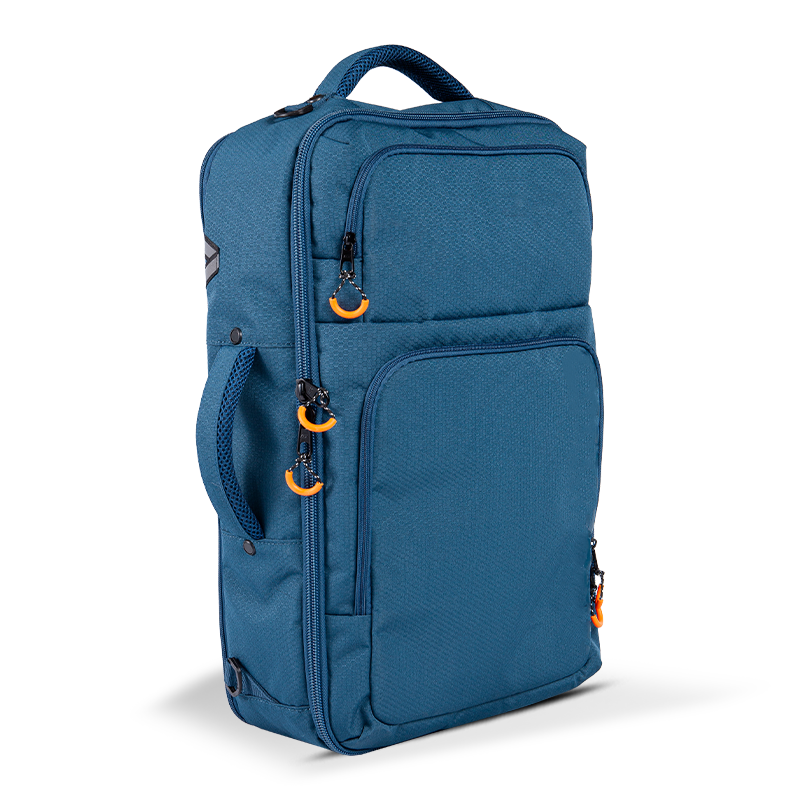
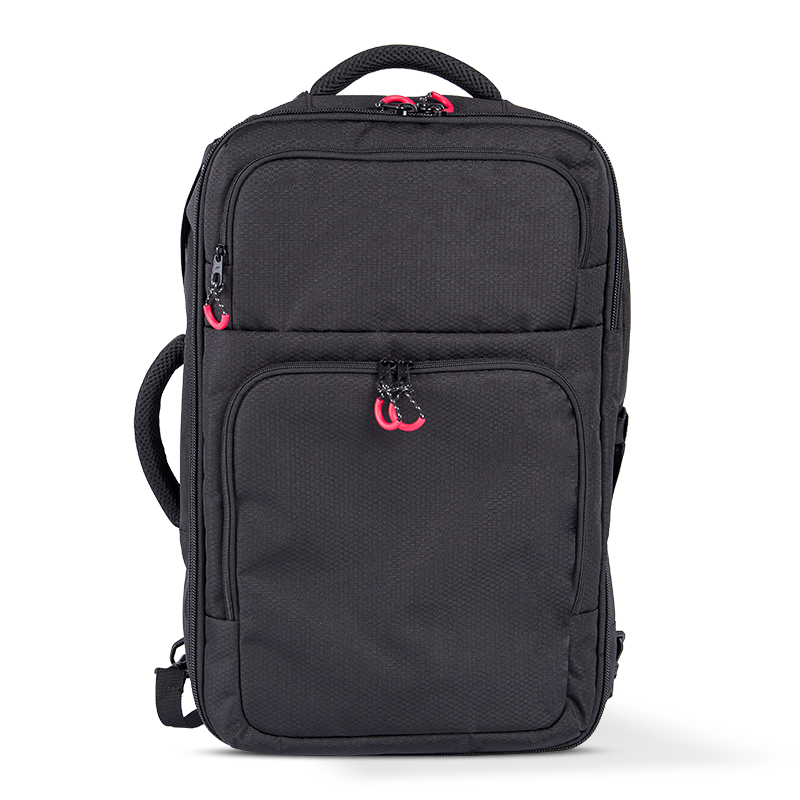
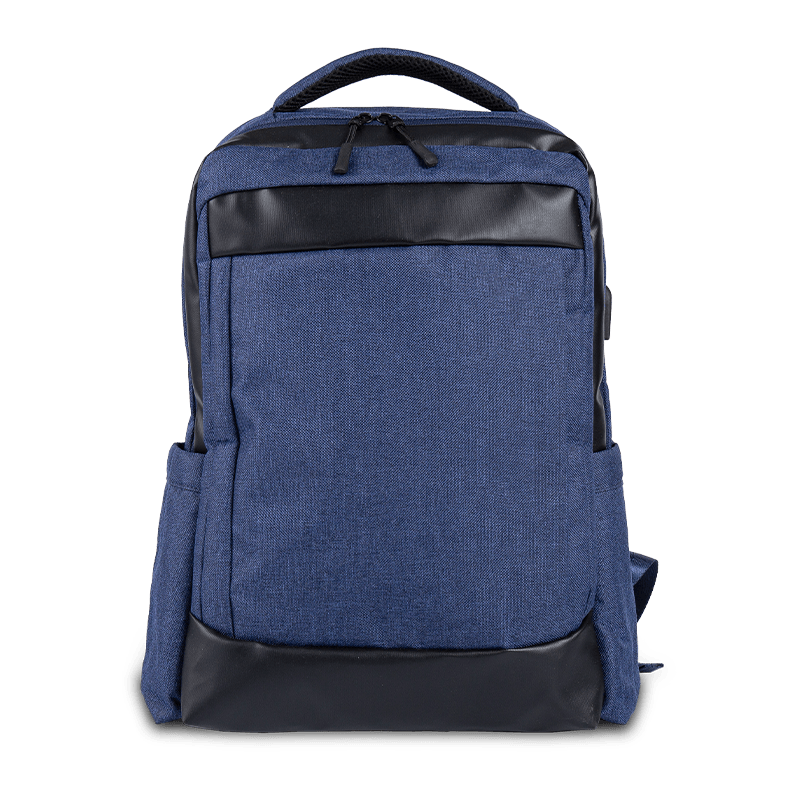
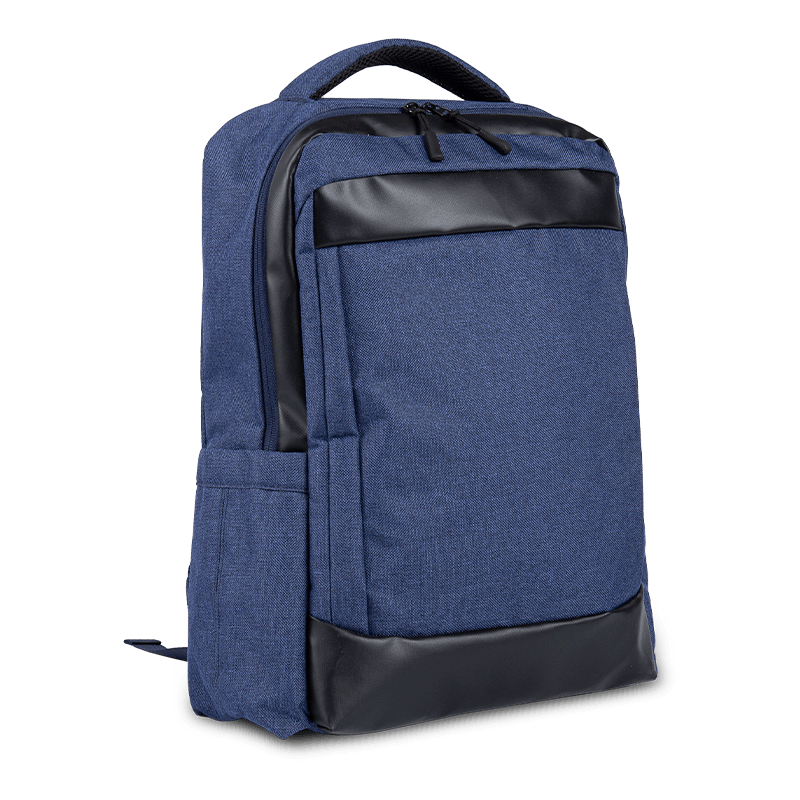
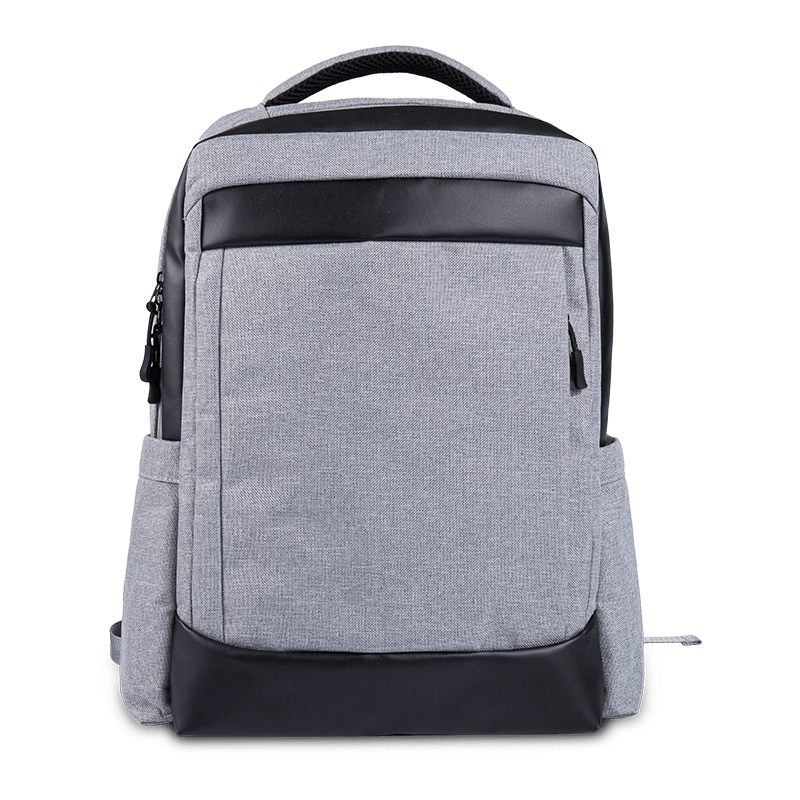
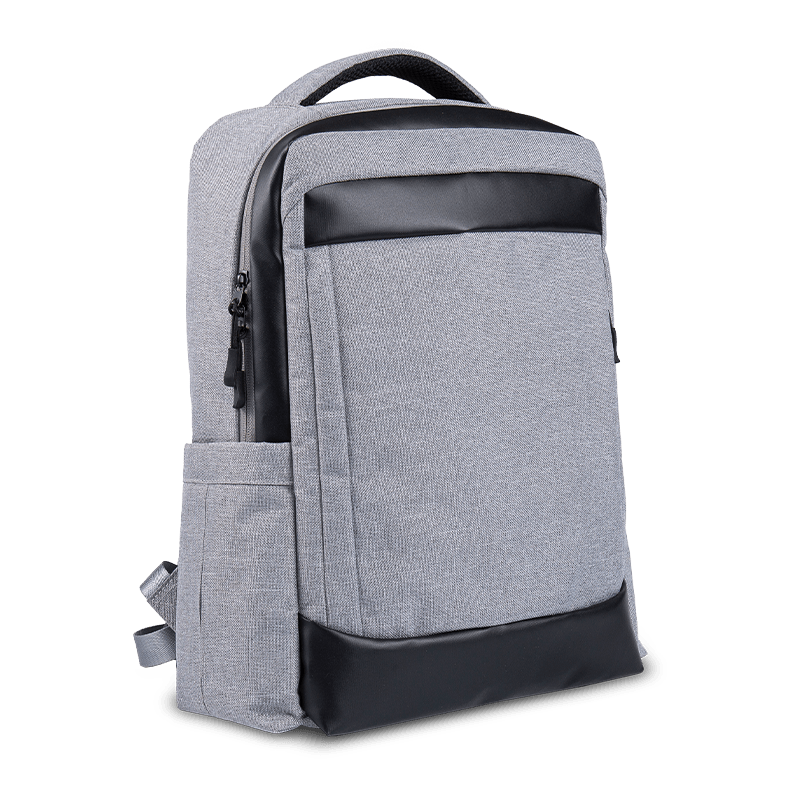
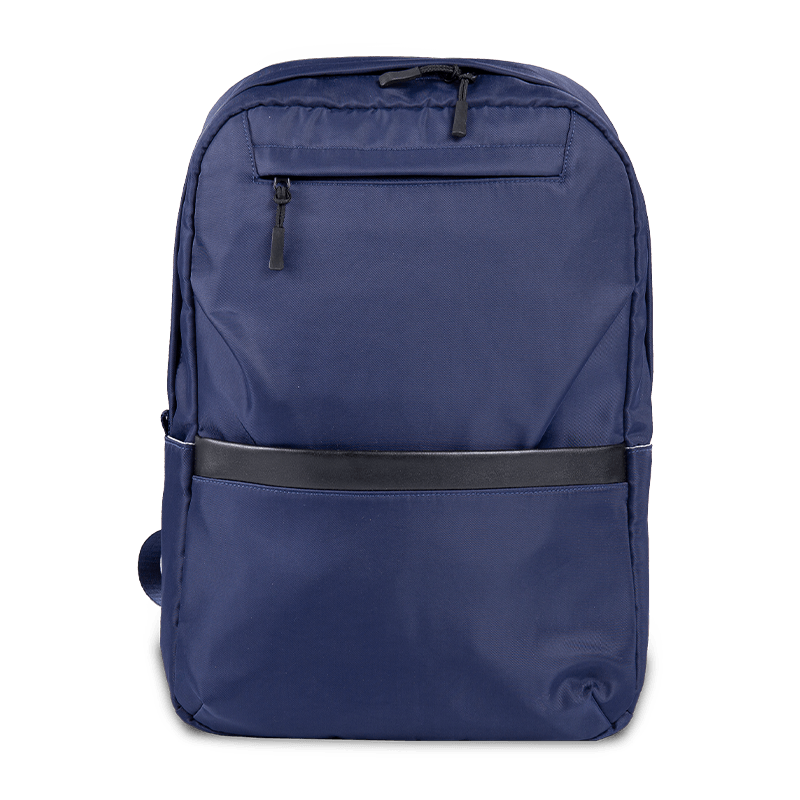
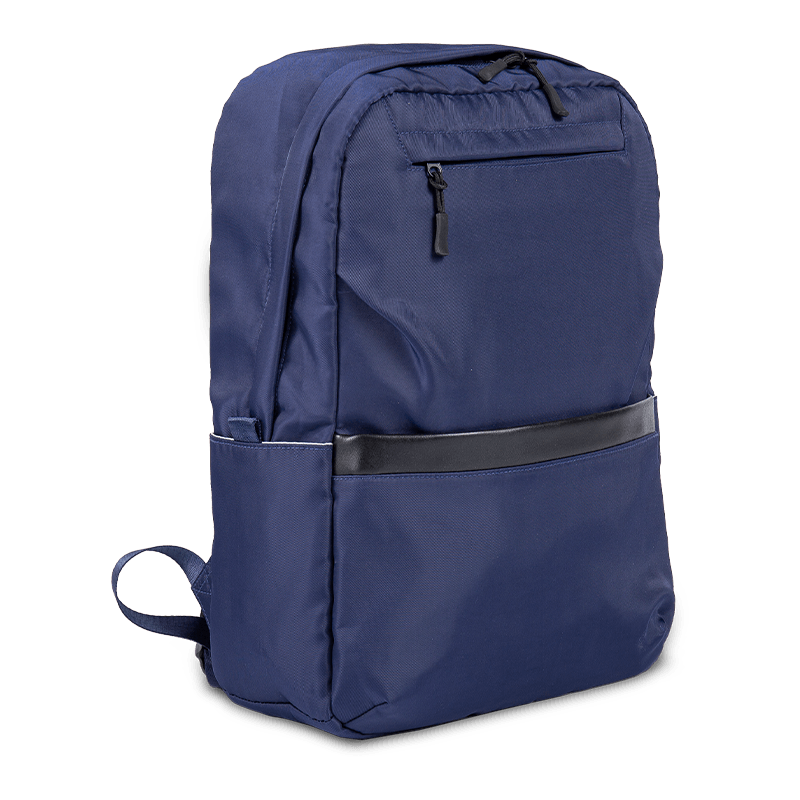
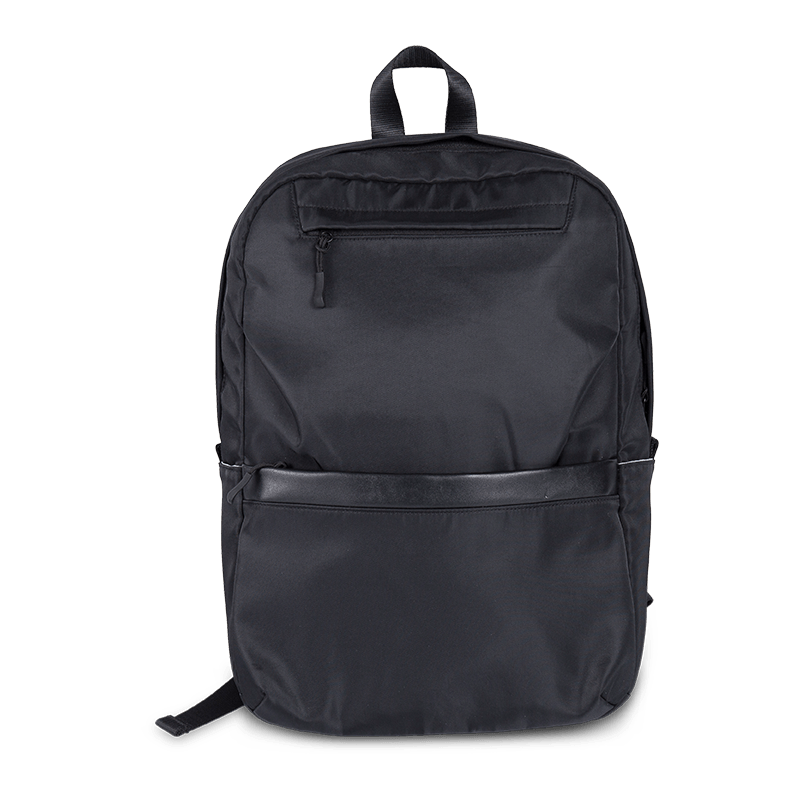
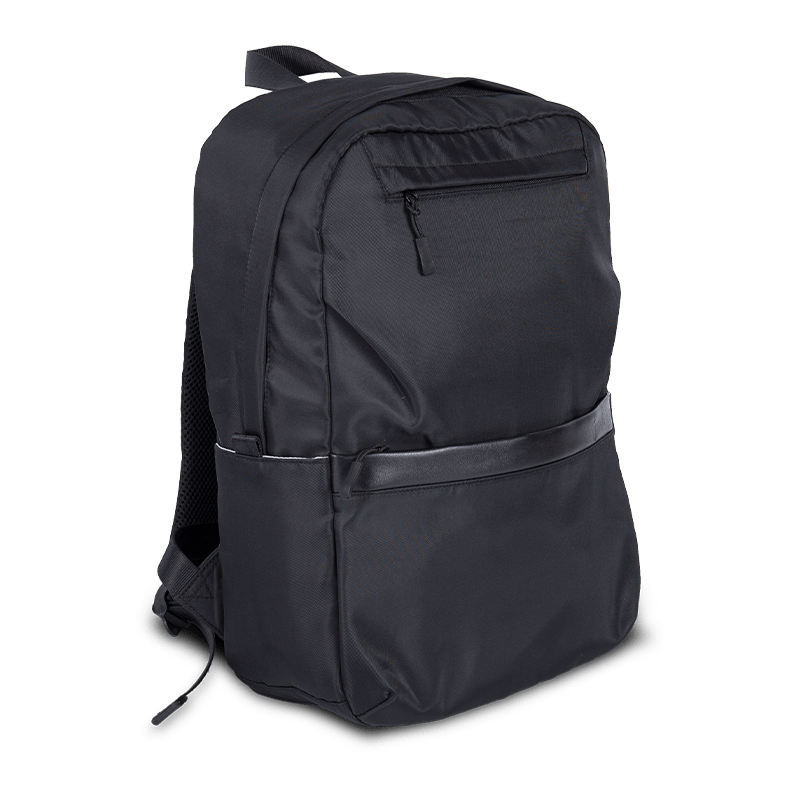
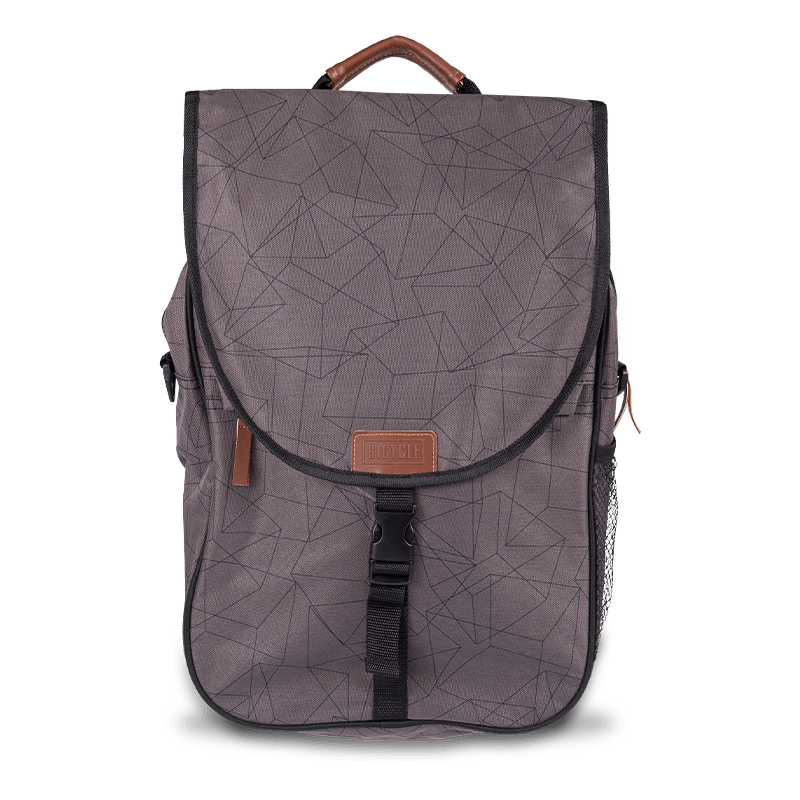
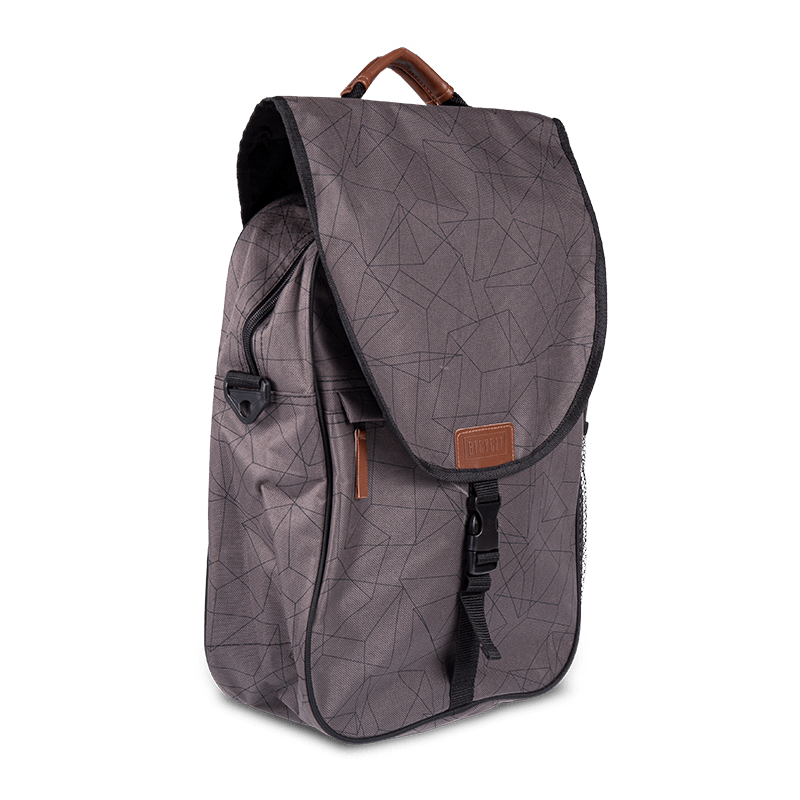
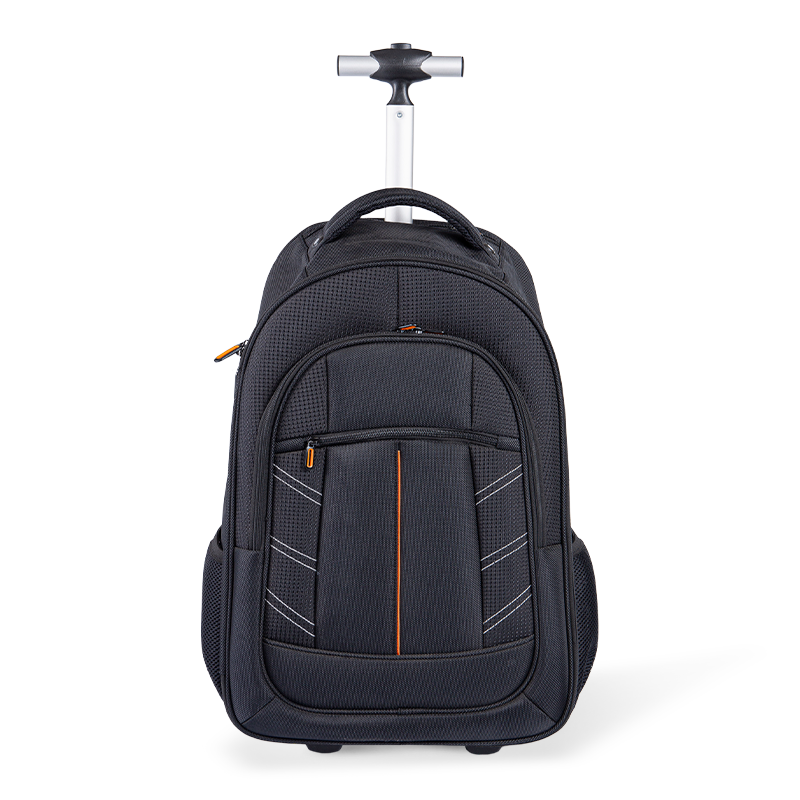
Soft sided carry-ons with dedicated laptop sleeves and quick-access front pockets streamline security checkpoints and fit easily under seats when overhead bins are full. Many business-oriented soft bags include a built-in suiter pocket that keeps dress shirts and blazers wrinkle-free for trips up to five days.
Weekend and Short Trips
A soft sided duffel or underseat bag is often the most efficient option for one- to three-night trips. Without rigid panels, these bags store flat at home and take up minimal closet space between uses.
Extended Travel and Backpacking
Travelers spending weeks on the road — moving between hostels, trains, and budget carriers — benefit from the lightweight nature of soft bags. When airlines enforce strict weight limits (often 20 kg or 44 lbs for checked baggage), every ounce saved on the bag itself translates directly into more room for belongings.
Family Travel
Soft checked bags with expandable panels accommodate the reality of family packing: you always bring more home than you left with. The external pockets also provide convenient access to snacks, documents, and kids' essentials without unpacking the entire bag.
How to Care for Soft Sided Luggage
Proper maintenance significantly extends the lifespan of soft luggage. Follow these practices to keep your bag performing well over years of use.
- Spot-clean fabric regularly using a mild detergent and a soft brush. Avoid submerging the entire bag, as interior frames and hardware may rust or degrade.
- Lubricate zippers every few months with a zipper lubricant or beeswax product. Stiff or gritty zippers are the most common failure point on soft luggage.
- Re-apply DWR coating if water no longer beads on the fabric surface. A spray-on DWR product restores water resistance after repeated washing or heavy use.
- Store upright in a dry location away from direct sunlight, which can fade and weaken fabric fibers over time.
- Inspect wheels and handles after every trip. Loose screws on spinner wheels are easy to tighten and prevent more significant damage later.
Fabric Technologies Shaping the Next Generation of Soft Luggage
Material innovation is pushing the boundaries of what soft sided bags can do. Several advances are now standard in mid-range and premium lines.
- Recycled PET fabrics: Many brands now produce bags from recycled plastic bottles, achieving comparable strength to virgin polyester with a significantly reduced carbon footprint. Tumi, Samsonite, and Away all offer at least partial recycled-content lines.
- RFID-blocking pockets: Built-in lined pockets that block electronic skimming of passport chips and credit cards have become a standard feature in business travel bags.
- TSA-approved built-in locks: Integrated combination locks with TSA master-key access have largely replaced padlocks on quality soft sided designs, streamlining the security screening process.
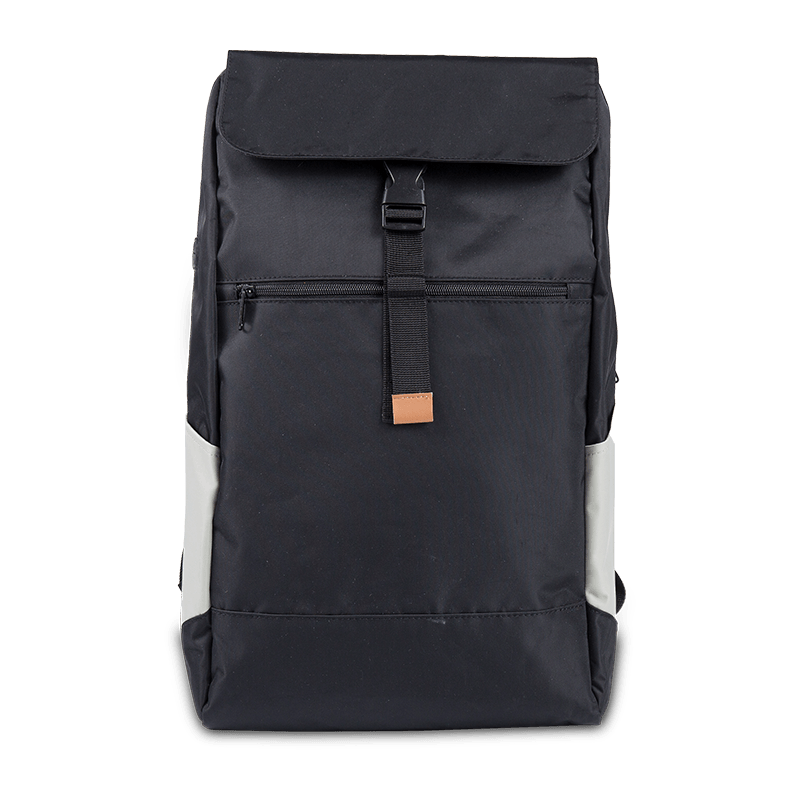
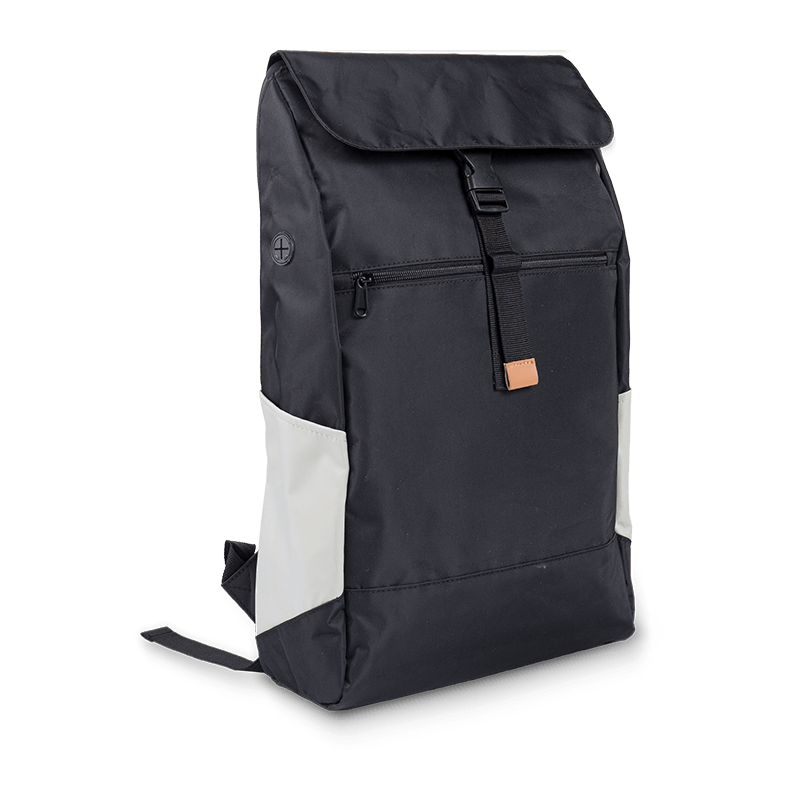
- USB charging ports: External ports connected to an internal power bank slot allow travelers to charge devices without opening the bag — increasingly common on carry-on soft bags.
As these technologies become more accessible, the performance gap between budget and premium soft luggage continues to narrow, giving travelers more quality options at every price point.