



 English
 Español
 عربى
عربىContent
- 1 What Hard Shell Luggage Actually Means — and Why It Matters
- 2 Polycarbonate vs ABS vs Aluminum: The Material Breakdown
- 3 Spinner Wheels, TSA Locks, and the Features That Actually Affect Daily Use
- 4 Choosing the Right Size: Carry-On, Medium, and Large Checked
- 5 Hard Shell vs Soft Shell: When Each Makes Sense
What Hard Shell Luggage Actually Means — and Why It Matters
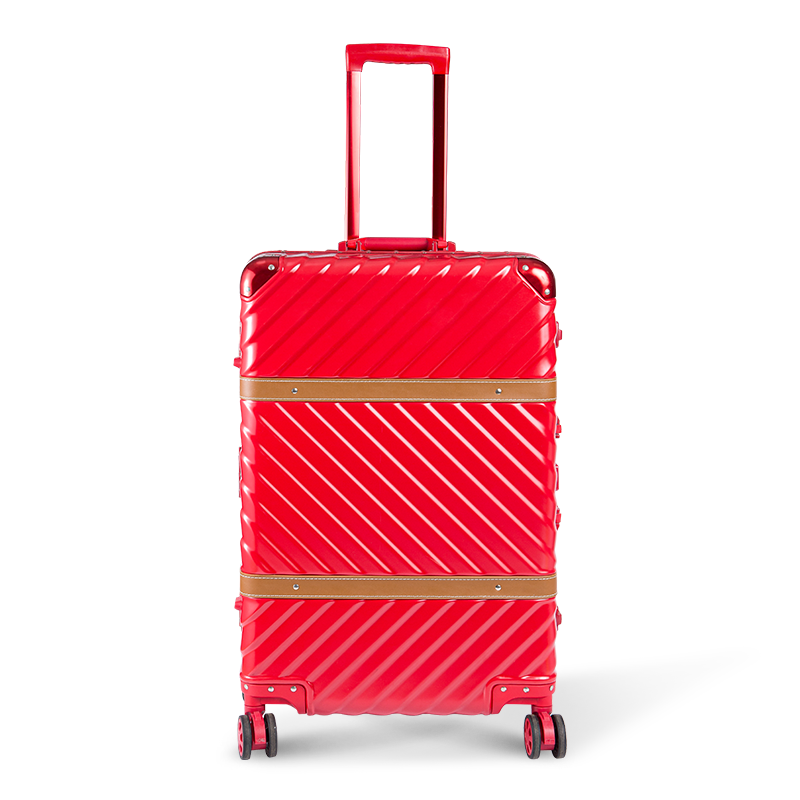
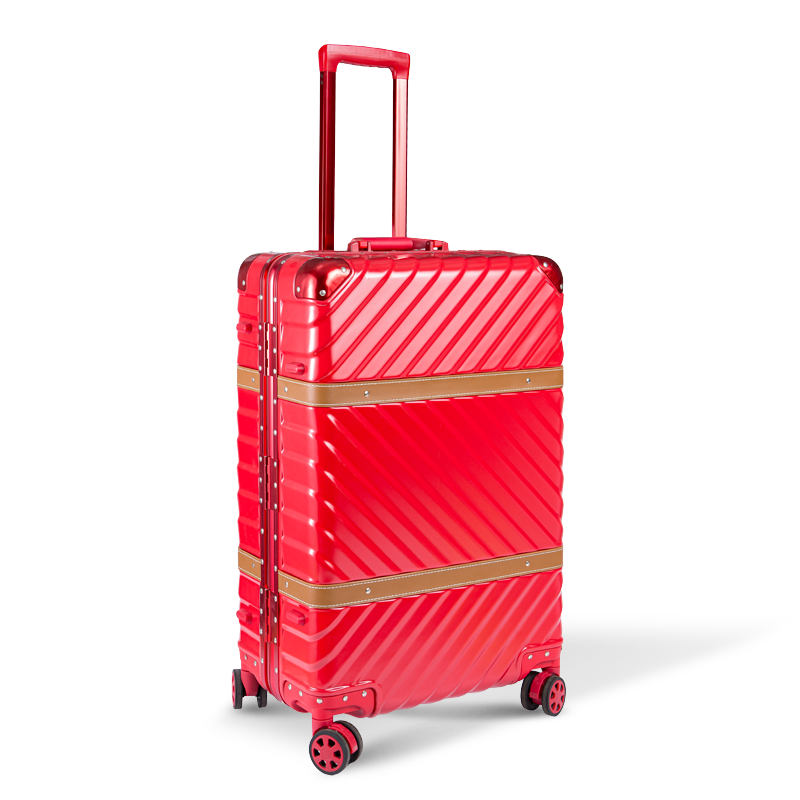
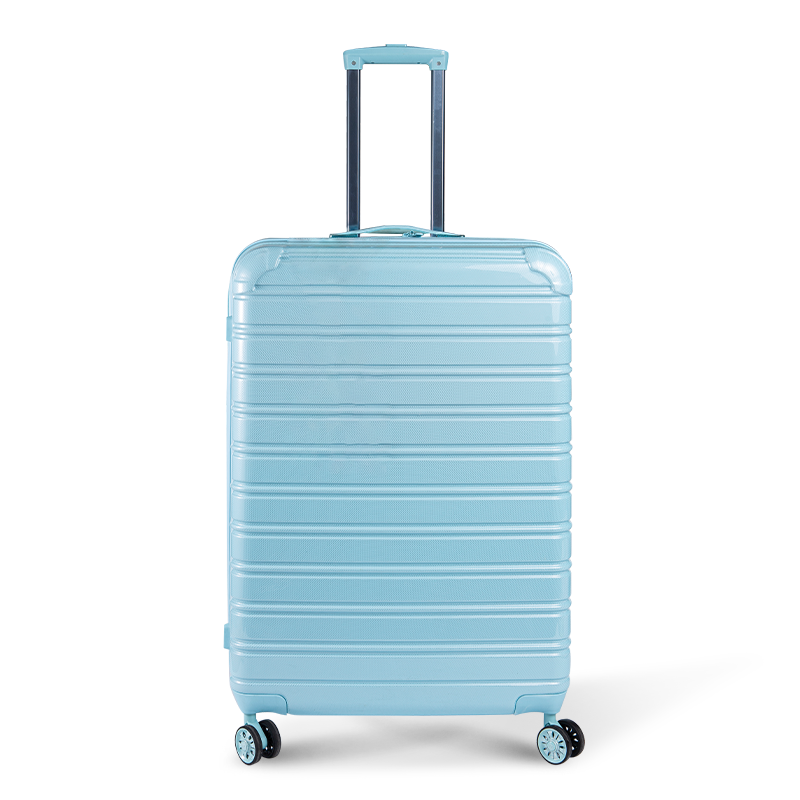
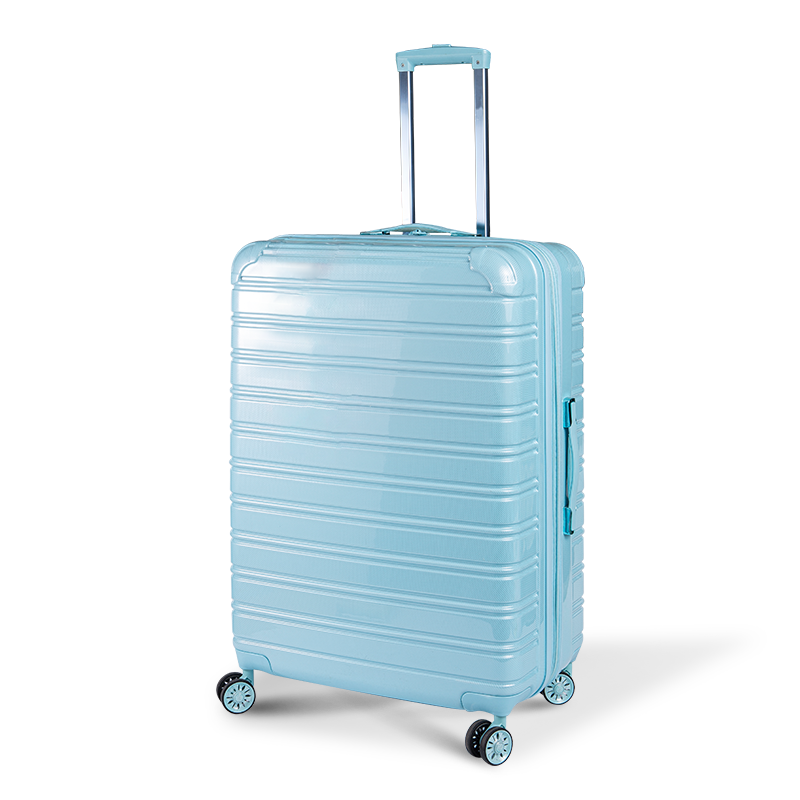
Hard shell luggage refers to suitcases with a rigid outer casing, typically molded from thermoplastic materials rather than fabric. Unlike soft-sided bags that flex under pressure, a hard shell maintains its shape throughout the journey — protecting the contents inside from impact, compression, and moisture.
The distinction matters more than most travelers realize. Airport baggage systems apply significant mechanical stress to checked bags: conveyor belts, sorting chutes, and cargo loading can generate forces that crush or deform soft-sided luggage. A rigid shell absorbs and distributes that impact rather than transferring it to your belongings.
Hard shell cases also offer a measurable advantage in wet conditions. Most hard shells are fully water-resistant along the outer casing, with the only vulnerability being the zipper seam — a weakness shared with soft luggage but more easily sealed in rigid designs. For travelers moving through rain, snow, or humid cargo holds, this matters.
Polycarbonate vs ABS vs Aluminum: The Material Breakdown
The shell material is the single most important factor in hard shell luggage performance. Three materials dominate the market, each with a distinct trade-off profile.
| Material | Weight | Impact Resistance | Flex Recovery | Typical Price Range |
|---|---|---|---|---|
| Polycarbonate (PC) | Light | Excellent | High — flexes and returns | $$–$$$ |
| ABS Plastic | Moderate | Good | Low — cracks under stress | $–$$ |
| Aluminum | Heavy | Very High | None — dents permanently | $$$$ |
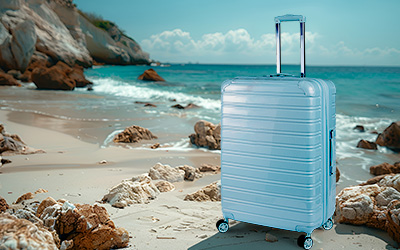
Polycarbonate is the preferred choice for most travelers. Its ability to flex under impact and return to its original shape — rather than cracking or denting — makes it far more durable in real baggage-handling environments. A pure PC shell can absorb drops and strikes that would split an ABS case or permanently dent aluminum.
Many manufacturers blend PC with ABS to reduce cost while maintaining reasonable performance. These PC/ABS hybrid shells are common in mid-range luggage and represent a practical compromise — better than pure ABS, lighter than aluminum, and more affordable than 100% polycarbonate.
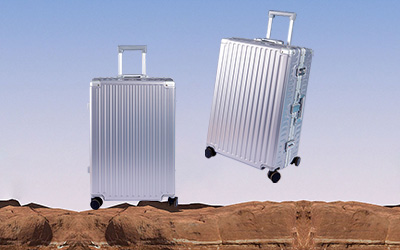
Aluminum luggage occupies a premium niche. Its weight penalty — often 1.5–2 kg heavier than equivalent polycarbonate — is significant when airlines enforce strict checked baggage allowances. However, aluminum offers unmatched rigidity and a distinctive aesthetic that appeals to frequent business travelers willing to accept the trade-off.
Spinner Wheels, TSA Locks, and the Features That Actually Affect Daily Use
Beyond the shell material, a handful of hardware features determine how a hard shell suitcase performs on the ground.
Wheel System
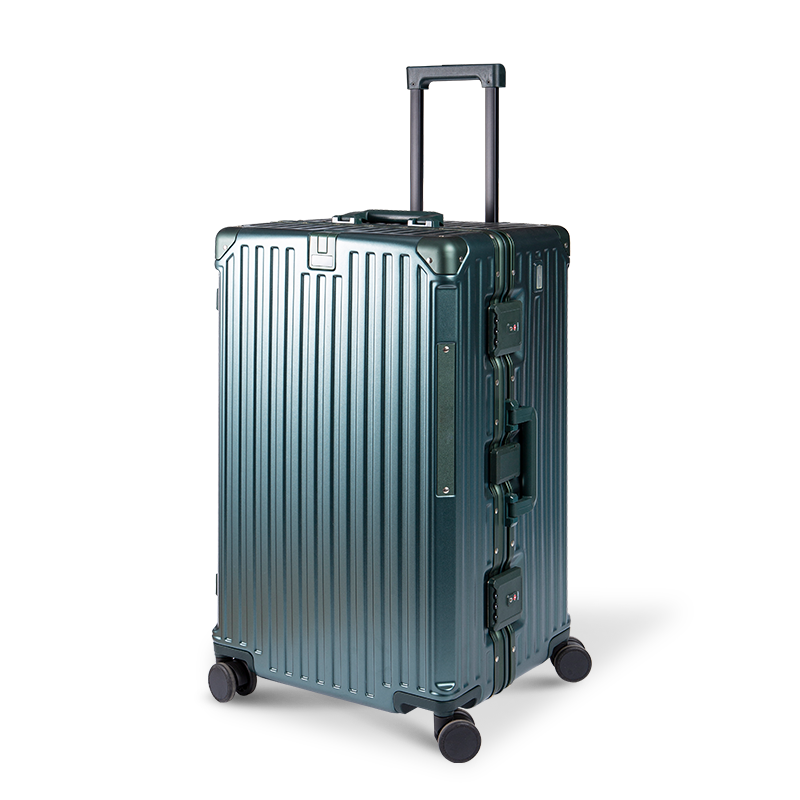
Four-wheel spinner systems have become the standard for hard shell luggage, replacing older two-wheel inline designs. Spinners allow full 360-degree rotation, meaning the bag rolls alongside you rather than being dragged behind — a meaningful ergonomic advantage in crowded airports. The quality gap between wheels is significant: budget cases use plastic wheel housings that crack on rough surfaces, while premium cases use Japanese Hinomoto or German Hinomoto-equivalent wheels that roll silently and last for years of heavy use.
When evaluating wheels, look for double-spinner wheels (two wheels per corner housing) over single-wheel spinners. Double wheels distribute load more evenly, handle uneven pavement better, and last longer under repeated stress.
TSA-Approved Locks
TSA-approved combination locks — integrated directly into the zipper pull or the case frame — are now standard on most hard shell luggage sold in North American markets. These locks use a universal key system (TSA master keys) that allows security agents to inspect the bag without cutting the lock. For international travelers, it's worth noting that TSA locks are only recognized by U.S. Transportation Security Administration and a small number of partner agencies. In other countries, security personnel may still cut non-native lock systems.
Zipper vs Frame Closure
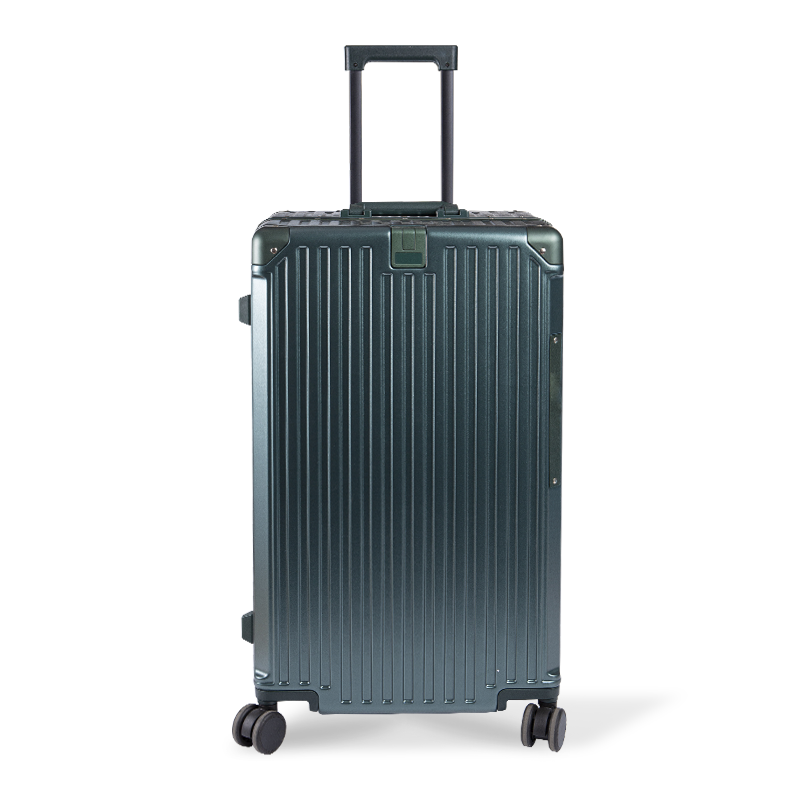
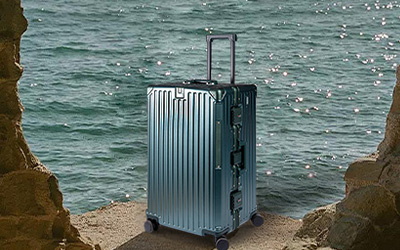
Most hard shell suitcases use zipper closures. However, a minority of premium and aluminum cases use a frame-and-latch closure system — a hinged metal frame that clamps shut. Frame closures are significantly more tamper-resistant than zippers (which can be opened with a ballpoint pen in seconds) and provide a more weatherproof seal. They are heavier and add cost, but for travelers checking valuables or operating in high-risk transit environments, the added security is worth considering.
Choosing the Right Size: Carry-On, Medium, and Large Checked
Hard shell luggage is sold across three standard size categories. The right choice depends on trip length, airline restrictions, and packing habits — not just raw volume.
- Carry-on (20–22 inches / ~35–40L): Designed to fit in overhead bins on most major airlines. Dimensions are tightly regulated — IATA's recommended guideline is 56 × 45 × 25 cm — but individual airline limits vary, with budget carriers often stricter. Hard shell carry-ons are particularly popular because their rigid exterior holds their shape in overhead bins without collapsing onto adjacent bags.
- Medium checked (24–25 inches / ~60–75L): The most versatile option for trips of 5–10 days. Light enough to stay within most 23 kg checked baggage allowances while offering significantly more packing space than carry-on sizes.
- Large checked (28–32 inches / ~90–130L): Suited for extended travel or travelers packing for multiple climates. At full capacity, these cases frequently approach or exceed standard weight limits — a practical constraint that matters more than the volume itself.
One consideration specific to hard shell designs: unlike soft-sided luggage, most hard shell cases cannot be compressed to fit additional items. The internal volume you see listed is the effective maximum. Some models include a two-stage expansion zip (typically adding 10–15% capacity), but this is the exception rather than the rule.
Hard Shell vs Soft Shell: When Each Makes Sense
Hard shell luggage is not universally superior — the choice depends on how and where you travel.
Hard shell advantages:
- Superior protection for fragile or rigid items (electronics, glass, cameras)
- Easier to clean — wipe-clean exterior versus fabric that absorbs stains
- More resistant to moisture and casual water exposure
- Cannot be compressed or overstuffed by baggage handlers
Soft shell advantages:
- External pockets allow quick access to documents, chargers, or jackets
- Can be compressed slightly if overpacked, offering more flexibility
- Generally lighter at equivalent price points
- More resistant to permanent cosmetic damage (scratches show immediately on hard shells)
For frequent flyers who check bags regularly, hard shell polycarbonate luggage offers the most durable long-term investment. For road warriors who carry on exclusively and need external pocket access, a premium soft shell may serve better. Many experienced travelers maintain both — a hard shell checked bag and a soft-sided carry-on — to get the benefits of each format.