



 English
 Español
 عربى
عربىContent
Last summer, a client who sells travel gear told us about a two-week trip across Europe. His 60-liter hiking pack triggered an overweight bag fee on the first flight, and he spent the rest of the trip shifting clothes into a shopping bag to make weight. That story captures the most common travel backpack mistake: choosing volume before checking dimensions. A good travel backpack is not the biggest one you can carry. It is the one that fits within airline limits, fits your torso, and lets you live out of it for days without back pain.
For over three decades, our factory has designed and produced travel backpacks for export markets across Europe, North America, and the Middle East. We have seen which design details fail after heavy mileage and which features travelers actually use. This guide condenses that experience into a practical checklist.
Size and Capacity: Match the Backpack to the Trip
For most travelers, 35 to 45 liters is the practical sweet spot. A 35-liter pack is small enough for a weekend and large enough for a week if you pack carefully. A 45-liter pack gives extra room for bulkier shoes or a warmer jacket without turning into a checked suitcase. Below 25 liters, you will struggle with even a short trip unless you are a very disciplined packer. Above 50 liters, you usually cannot use the pack as carry-on, and a full load becomes harder to carry.
What capacity do you actually need?
Capacity should follow the trip type and your packing style. The table below gives a starting point, not a hard rule.
| Trip type | Capacity range | Best suited for |
|---|---|---|
| Weekend city break | 20-30 L | Light packing, no laptop, easy storage in hostels |
| One-week carry-on | 35-45 L | Laptop, toiletries, mixed outfits, compression packing cubes |
| Long-term travel | 40-50 L | Multi-season clothing; check airline size limits carefully |
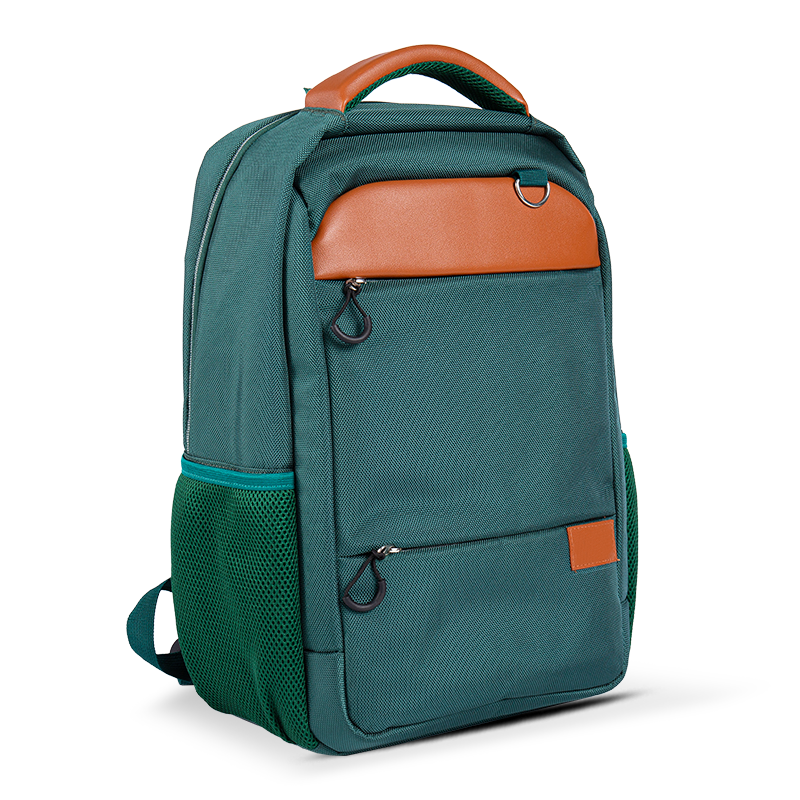
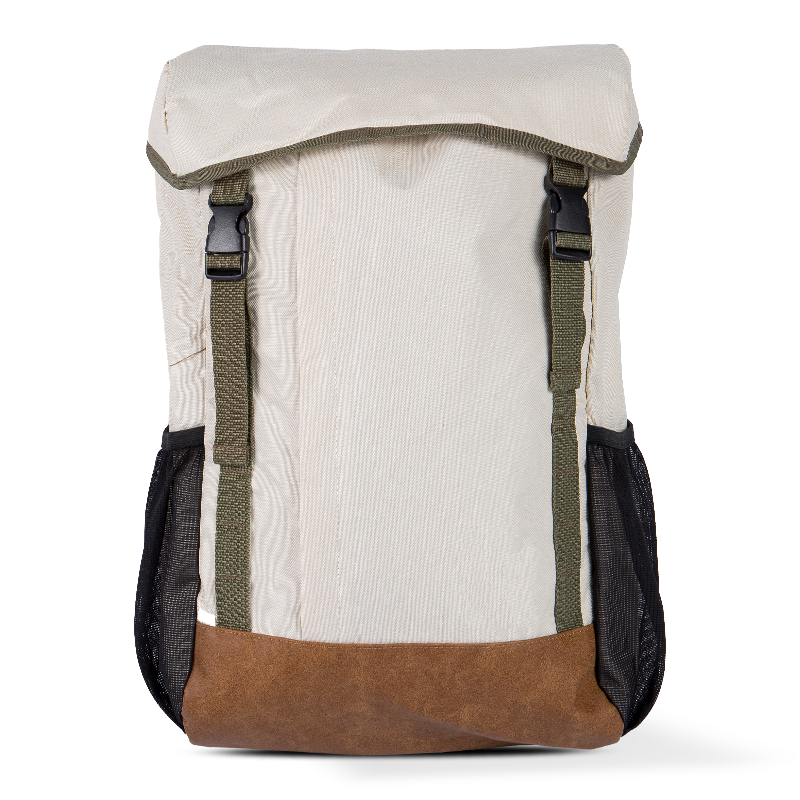
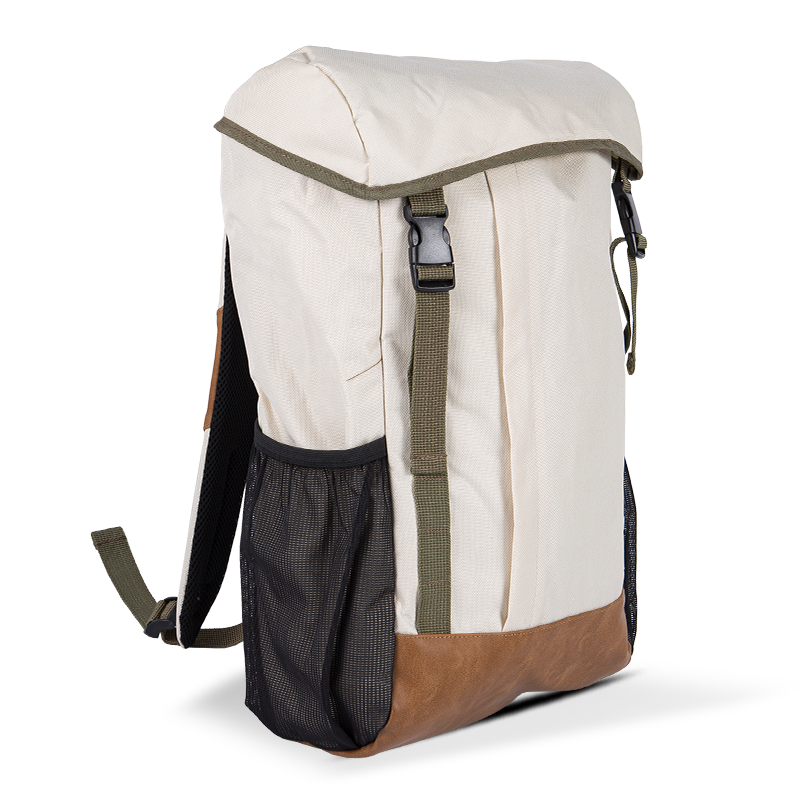
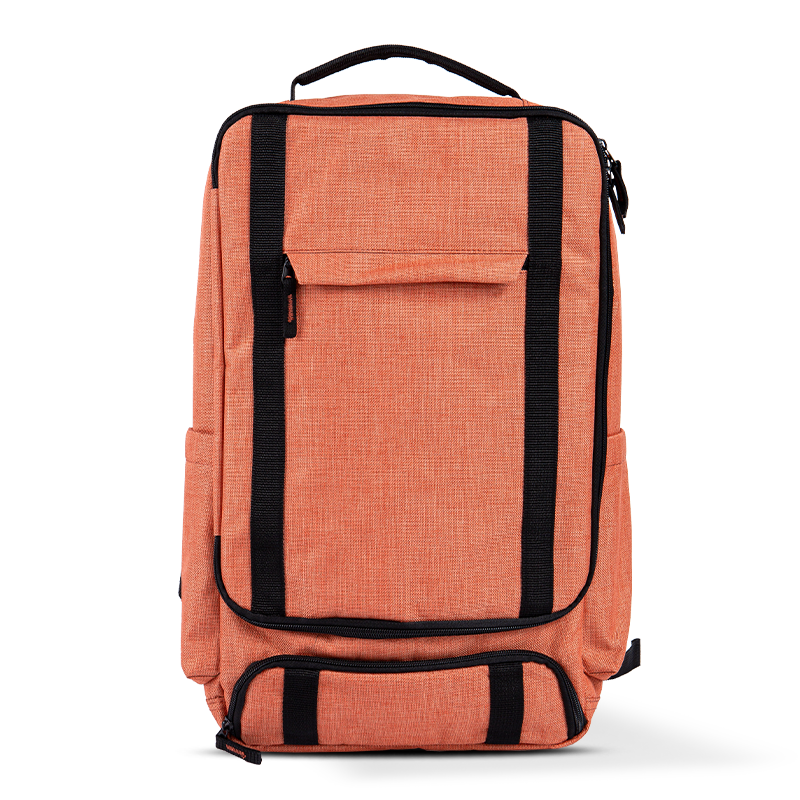
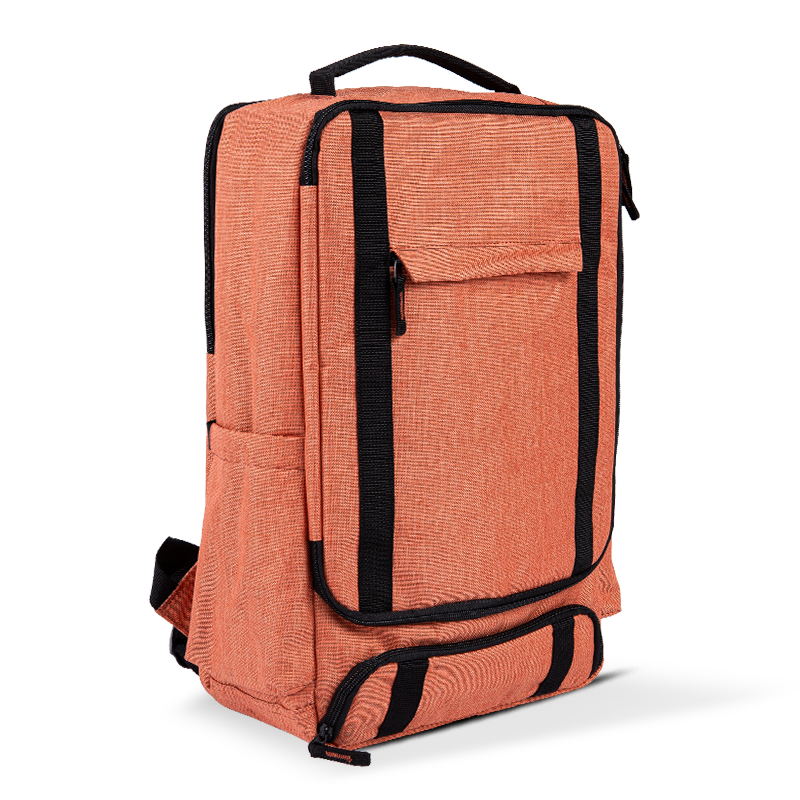
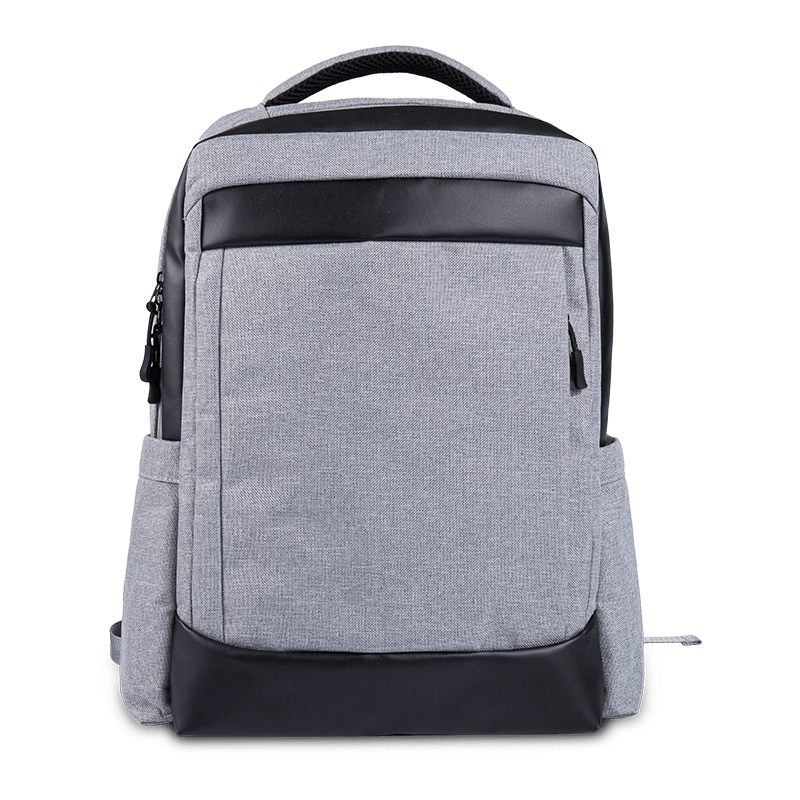
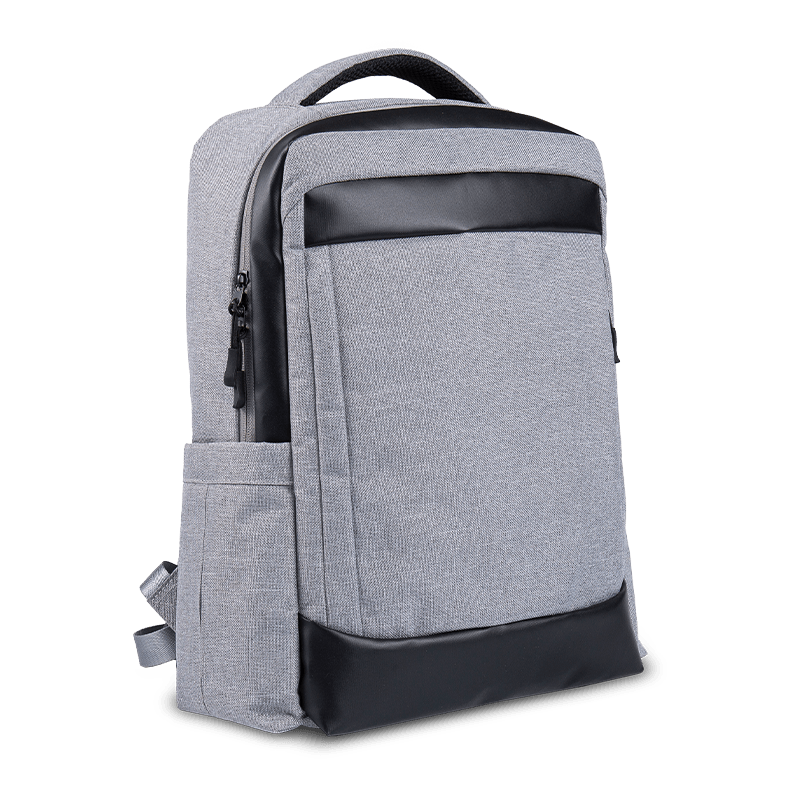
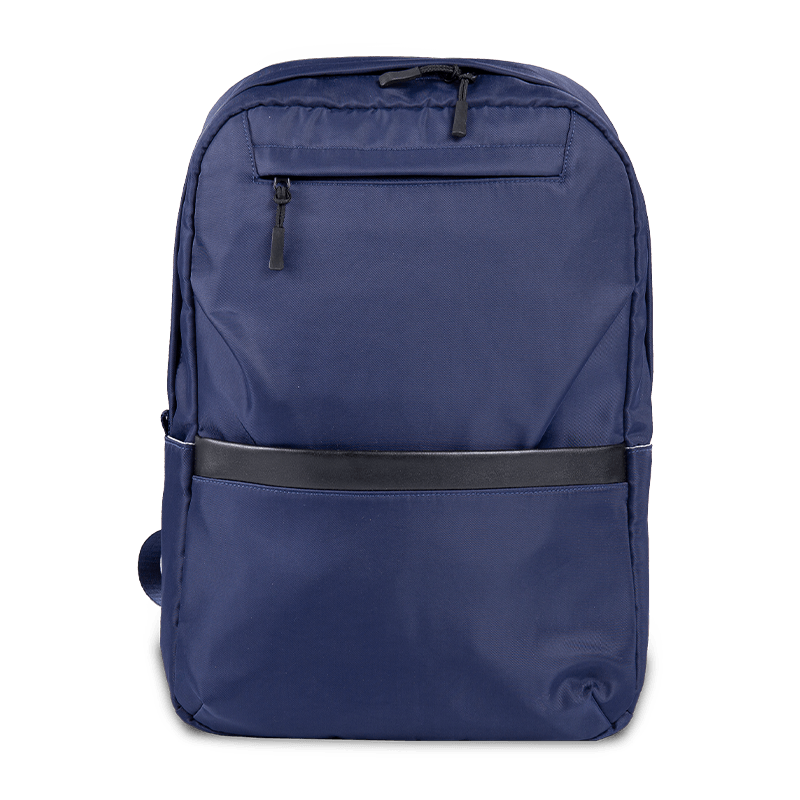
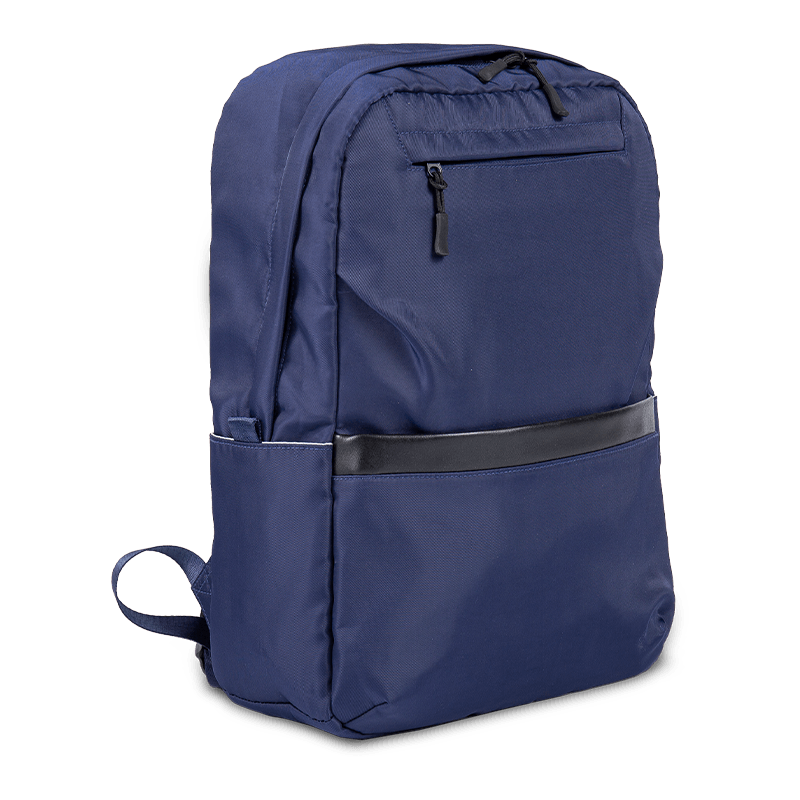
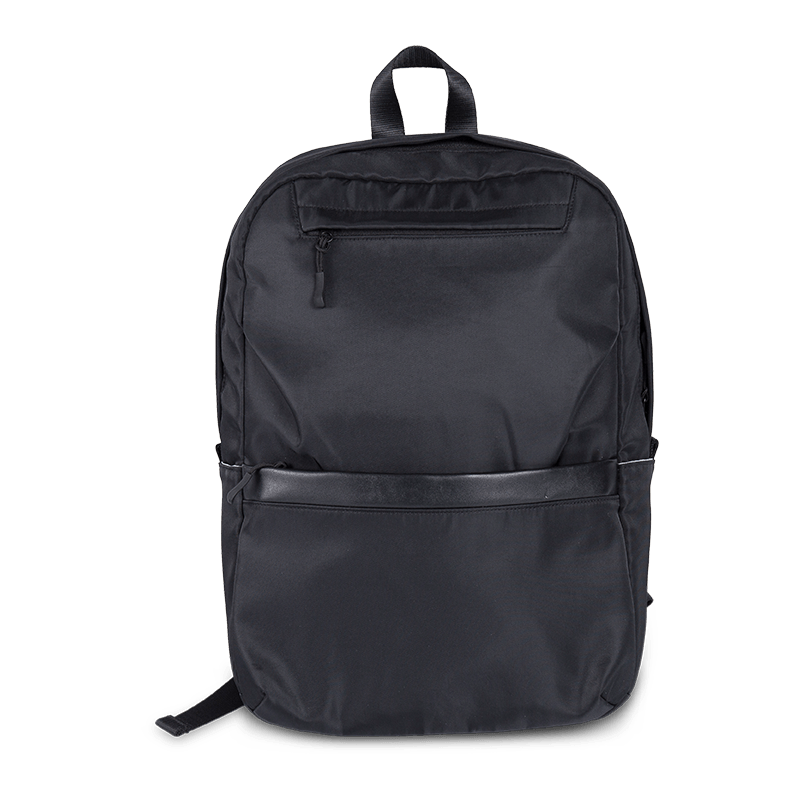
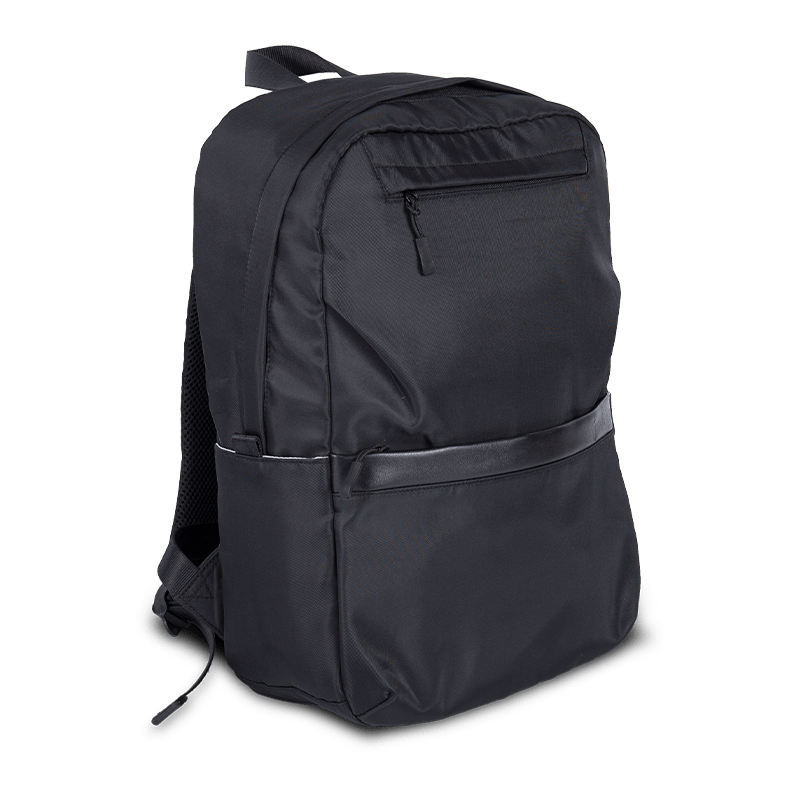
One thing we have noticed in our own travel-backpack line is that buyers often overestimate the volume they need. A well-designed 40-liter pack with compression straps can carry the same clothing as a loose 50-liter pack, and it fits overhead bins more easily. If you prefer a simple exterior and a roomy main compartment, a large-capacity men's travel backpack in a Japanese style is a practical choice for trips in the 35-45 liter range.
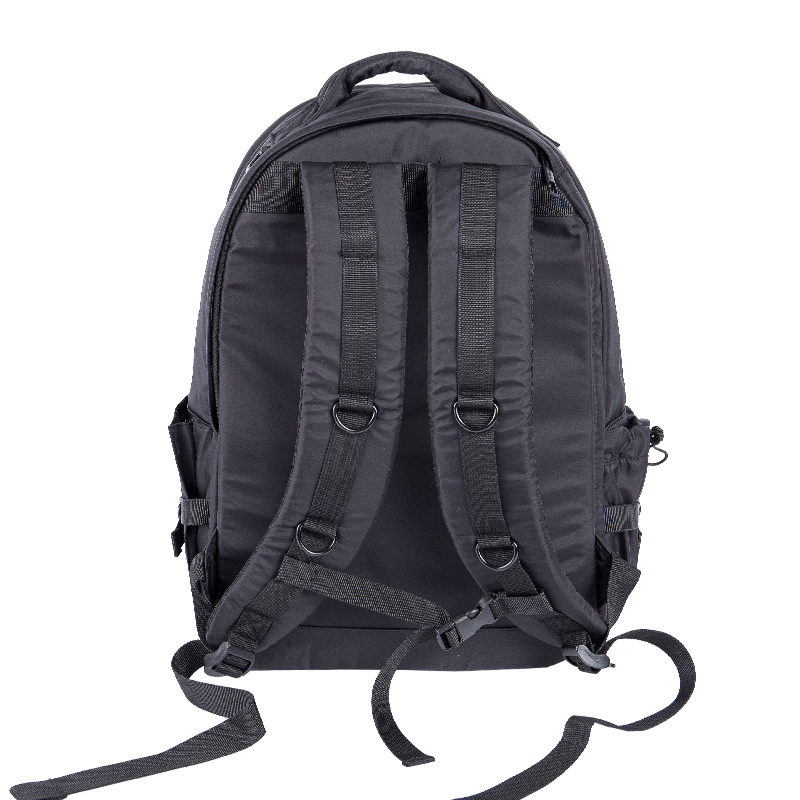 Men’s Large-Capacity Japanese-Style Travel Backpack Suppliers, Company - Pinghu Huacheng is Wholesale Men’s Large-Capacity Japanese-Style Travel Backpack Suppliers and Company in China, Dimensions: 310mm x 430mm x 105...View Product →
Checking carry-on limits
Most international airlines allow a carry-on bag around 55 x 35 x 23 cm, but the exact number varies. Some European budget carriers allow only 40 x 30 x 20 cm for a personal item. A soft travel backpack can compress slightly to fit a bin, while a pack with a rigid frame or heavy backpanel may not. Weight is also a limit. If your airline enforces a 7 kg carry-on weight, an empty backpack over 1.5 kg already uses a large part of that allowance.
A practical trick is to pack your backpack at home and then measure it with a tape measure, including the straps and any external pockets. Many packs look small until you notice the water bottle pocket pushing outward.
Fabric, Water Resistance, and Durability
Fabric choice determines whether your backpack still looks presentable after a dozen flights. In our experience, the best travel backpack fabrics are tightly woven nylons or polyester with a polyurethane coating. That combination resists abrasion and light rain without adding much weight.
Fabric types and what they mean
- Nylon: the most common choice for travel backpacks. It is lightweight, abrasion-resistant, and can be coated for water resistance. A 600-1000D nylon feels tough without being stiff.
- Polyester: slightly less expensive and a bit less abrasion-resistant than nylon, but perfectly durable for urban travel.
- Oxford fabric: a textured nylon or polyester blend often used in business travel bags. It is easy to clean and accepts printed or coated finishes well.
- Recycled PET (RPET): made from plastic bottles. It has become a practical option for buyers who want lower environmental impact without sacrificing durability.
When comparing fabrics, ignore marketing terms and look at the denier number. A 300D fabric is light but less abrasion-resistant; a 600D fabric is a good balance for city and airport use. Heavy 1000D nylon is extremely tough but can feel stiff and weighs more.
Waterproof vs water-resistant
Do not confuse a water-resistant coated backpack with a fully waterproof one. Water-resistant handles light rain and accidental splashes; waterproof means sealed seams, waterproof zippers, or a roll-top closure. For city and airport travel, water-resistant is usually enough. For hiking in heavy rain, look for a built-in rain cover or pack contents in dry bags.
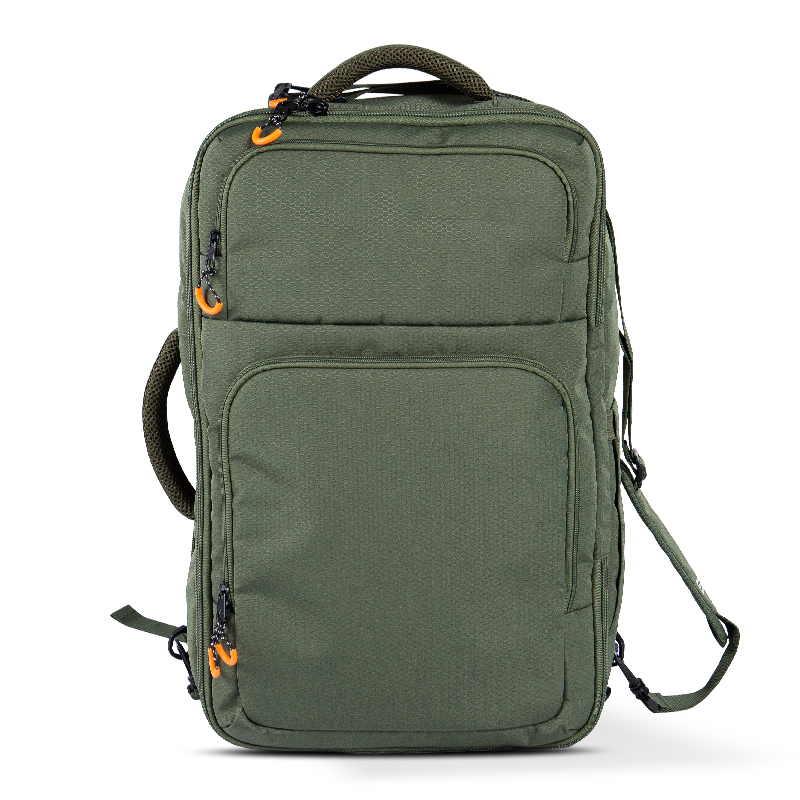
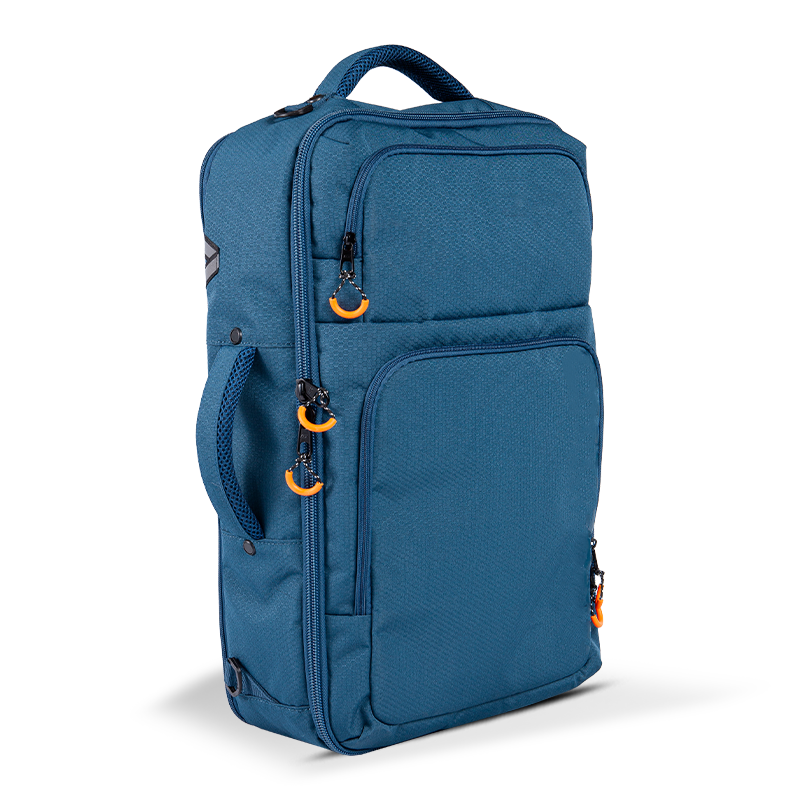
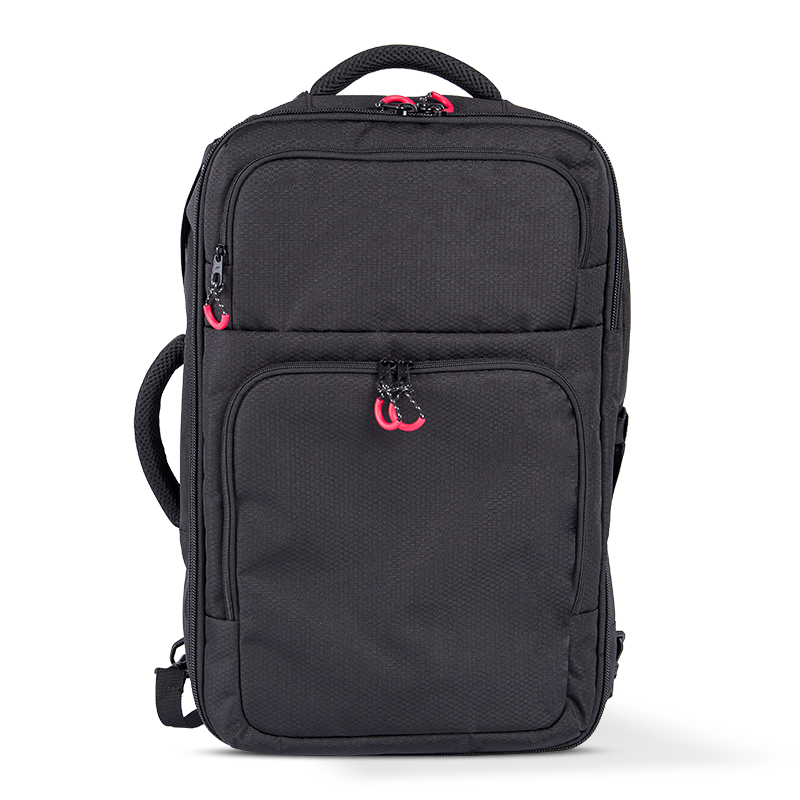
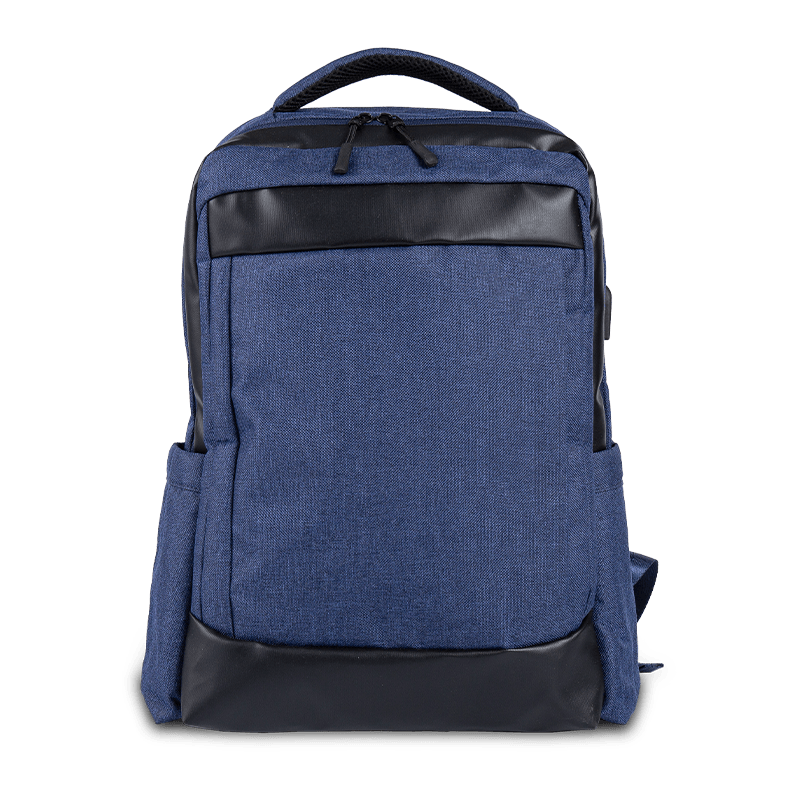
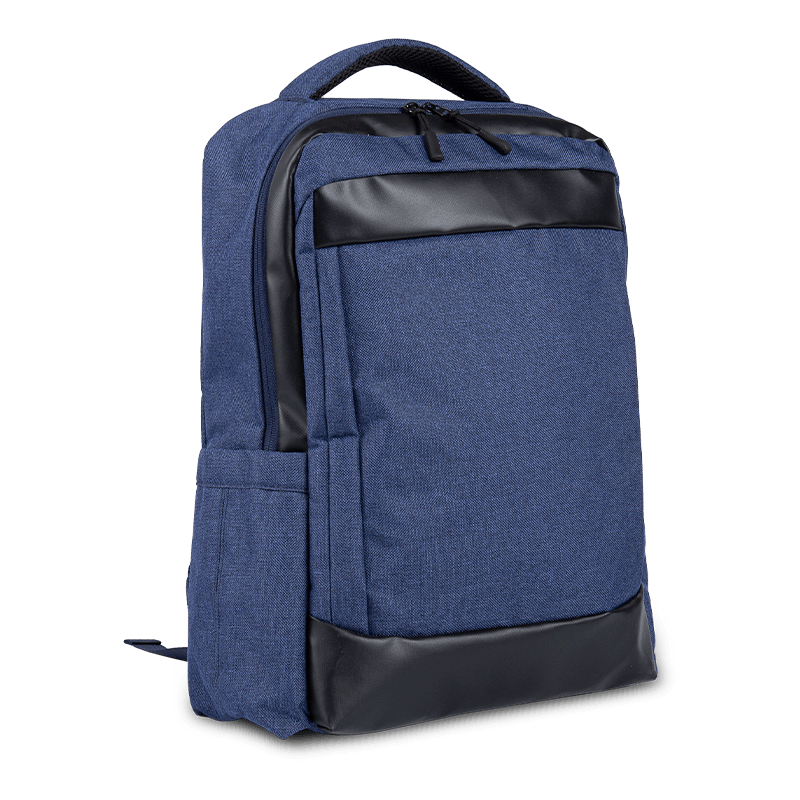
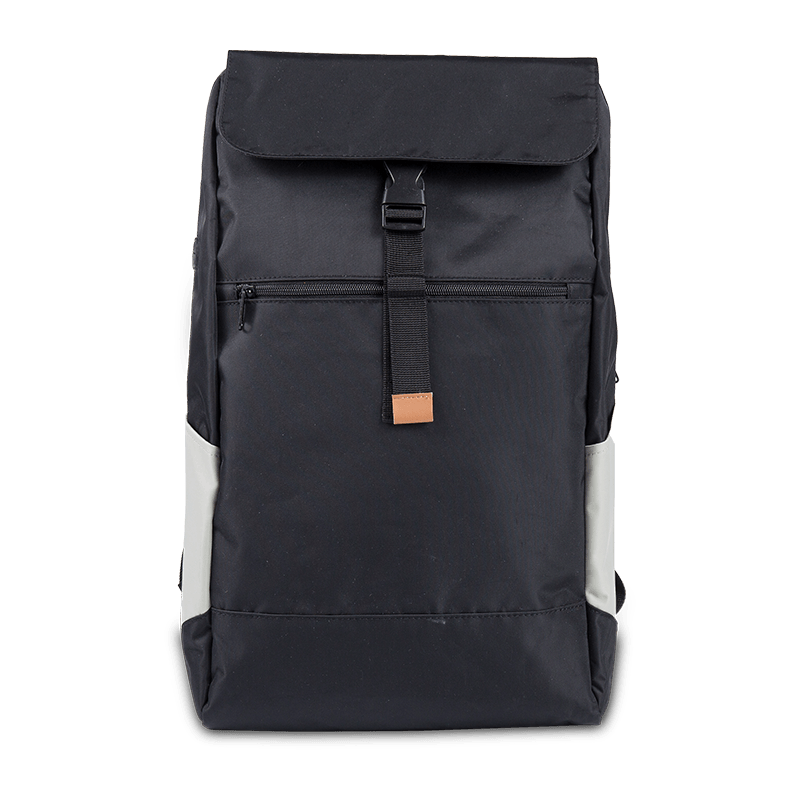
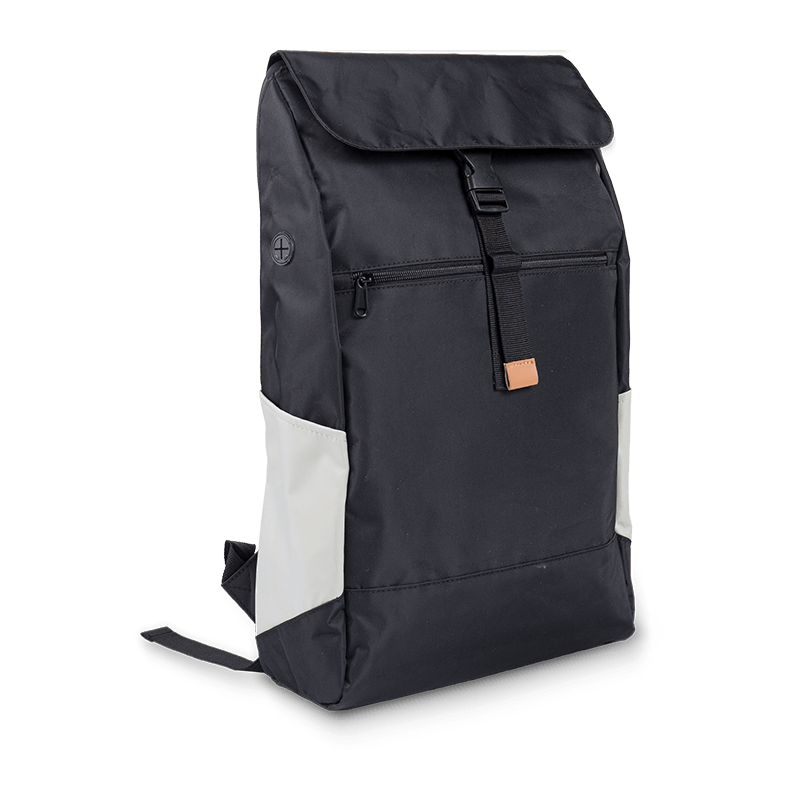
An example from our own range: our waterproof business travel backpack with a hand-carry boarding design protects a laptop and documents while allowing quick access at security. It is a practical middle ground between a backpack and a briefcase.
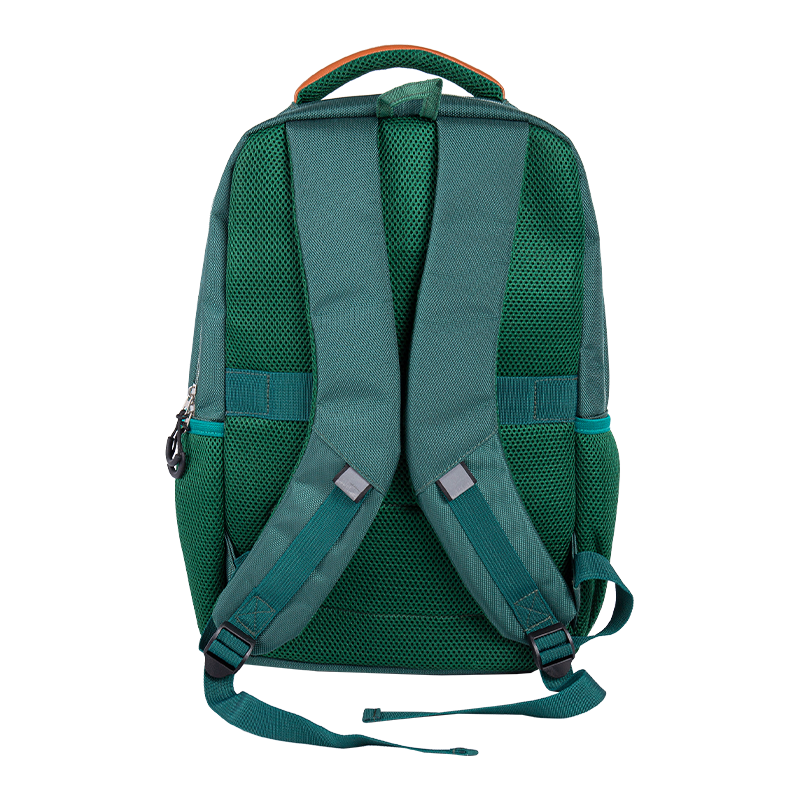 Business Multifunctional Waterproof Hand-Carry Travel Boarding Bag Suppliers, CoHuacheng is Wholesale Business Multifunctional Waterproof Hand-Carry Travel Boarding Bag Suppliers and Company in China, Material: Oxford...View Product →
Comfort, Fit, and Weight Distribution
A travel backpack hurts when the load is not supported correctly. Our testers find that the most common pain points are narrow shoulder straps, a flat backpanel that traps heat, and no hip belt for heavier loads. If you expect to walk more than 20 minutes with a full pack, comfort becomes more important than any other feature.
Back panel and shoulder straps
Look for shoulder straps with at least 1-2 cm of firm foam, an adjustable sternum strap, and a backpanel with a slight gap or channel for airflow. A lumbar pad also helps distribute weight. Avoid packs with straps that are too widely spaced for your shoulders; you should be able to adjust them so they do not dig into your neck.
Hip belts and load management
For loads above 7-10 kg, a hip belt transfers weight from shoulders to pelvis. It does not need to be a heavy climbing belt; a padded but removable belt is enough for airport distances and city walking. Compression straps on the sides also keep contents from shifting, which improves balance and reduces fatigue.
A hip belt also helps older travelers or anyone with a history of shoulder pain. It should sit on your hip bones, not across your stomach, so adjust it before walking a long distance.
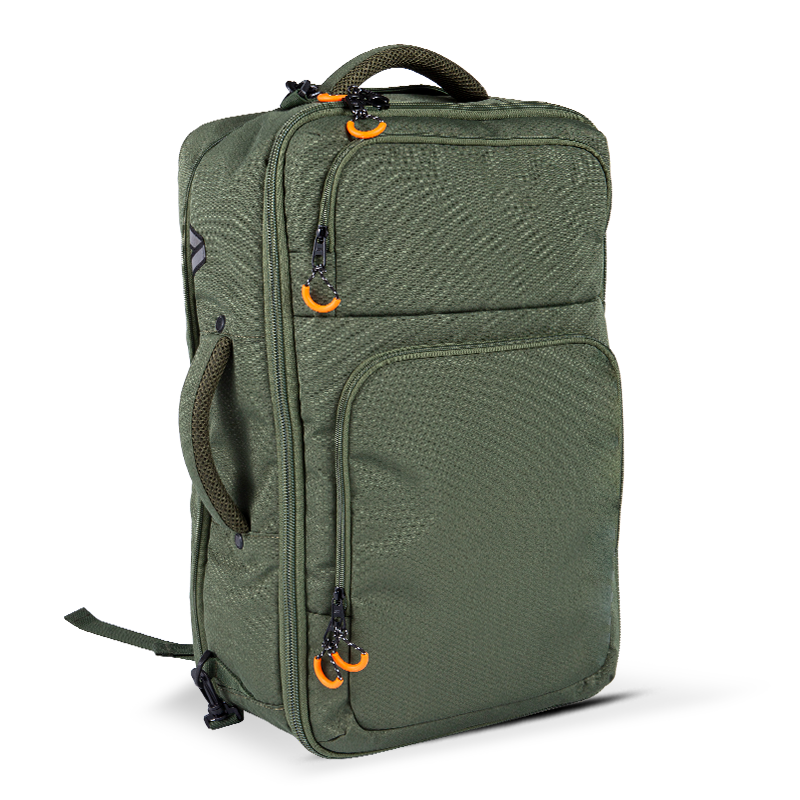
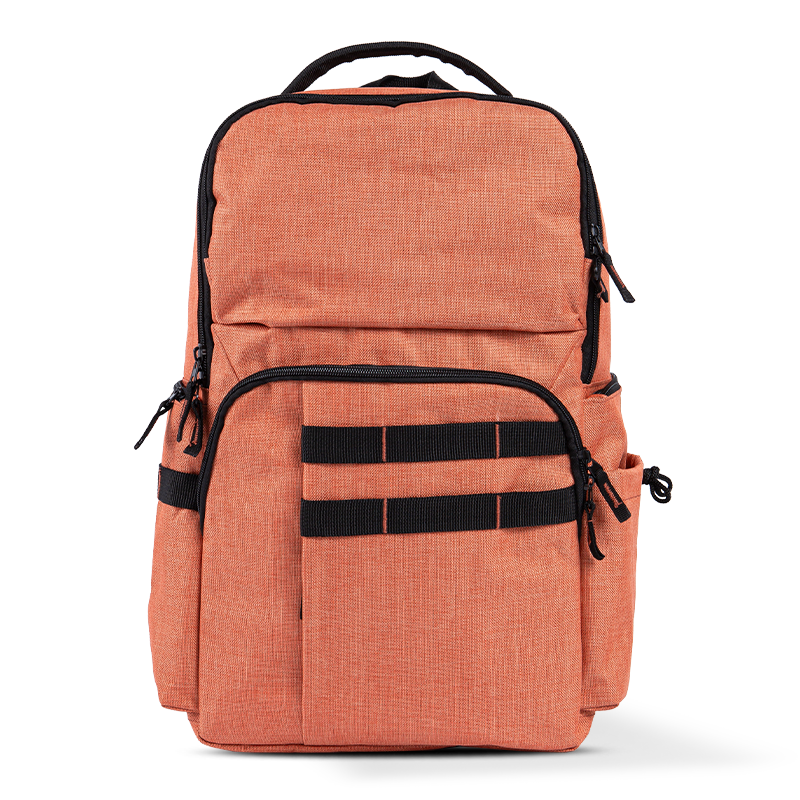
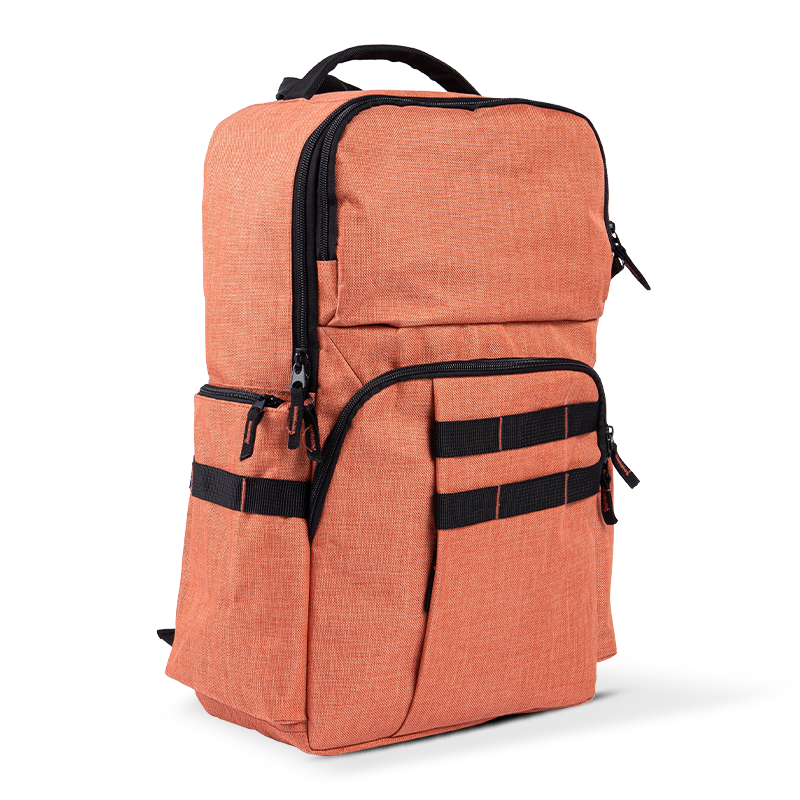
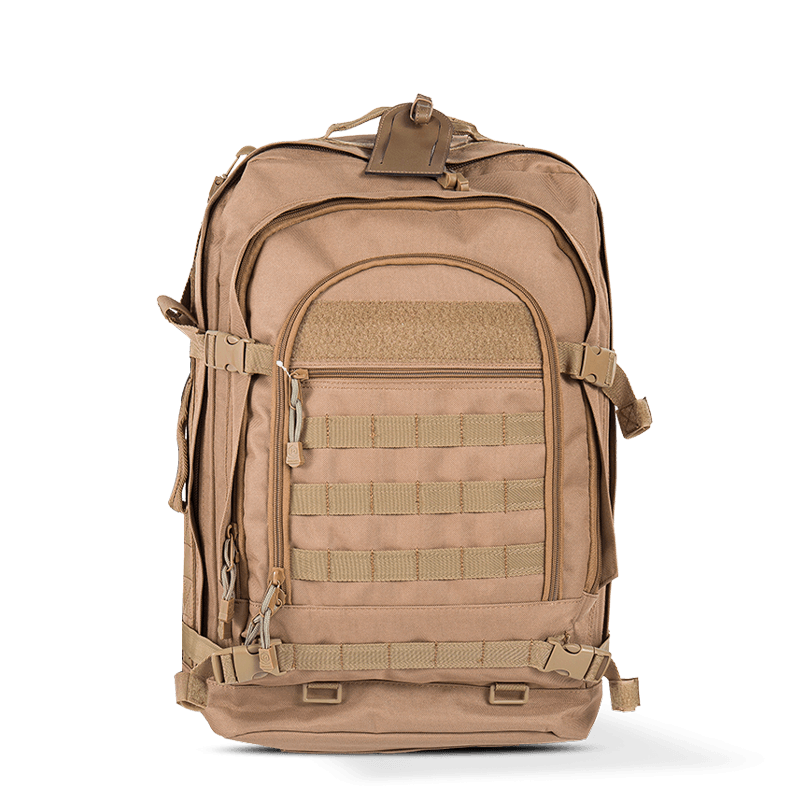
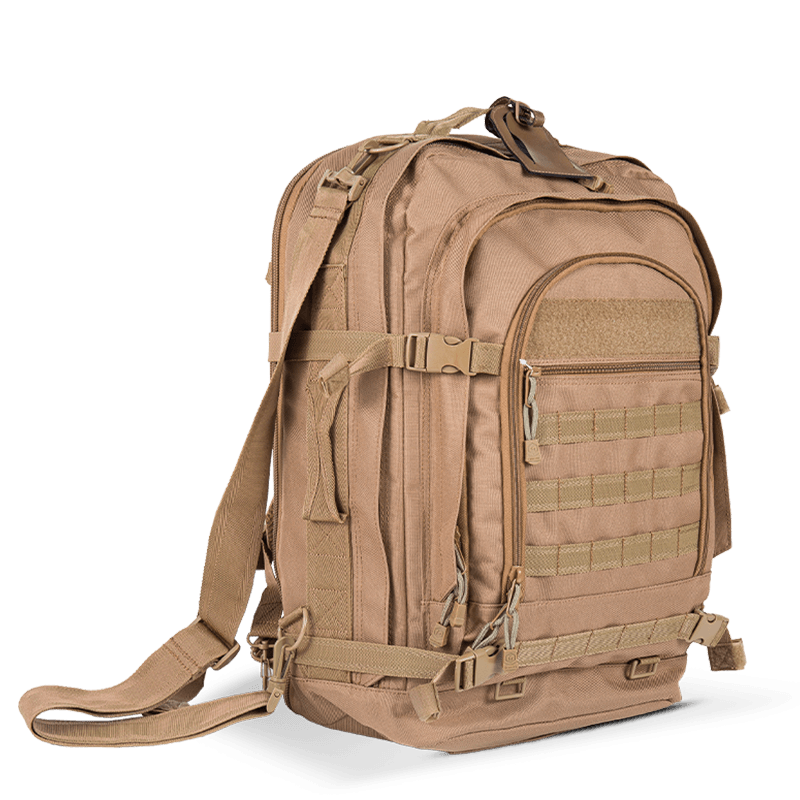
One configuration that works well for mixed use is a multifunctional outdoor travel backpack with a dedicated laptop pocket. It gives you hiking comfort, city access, and a safe place for electronics.
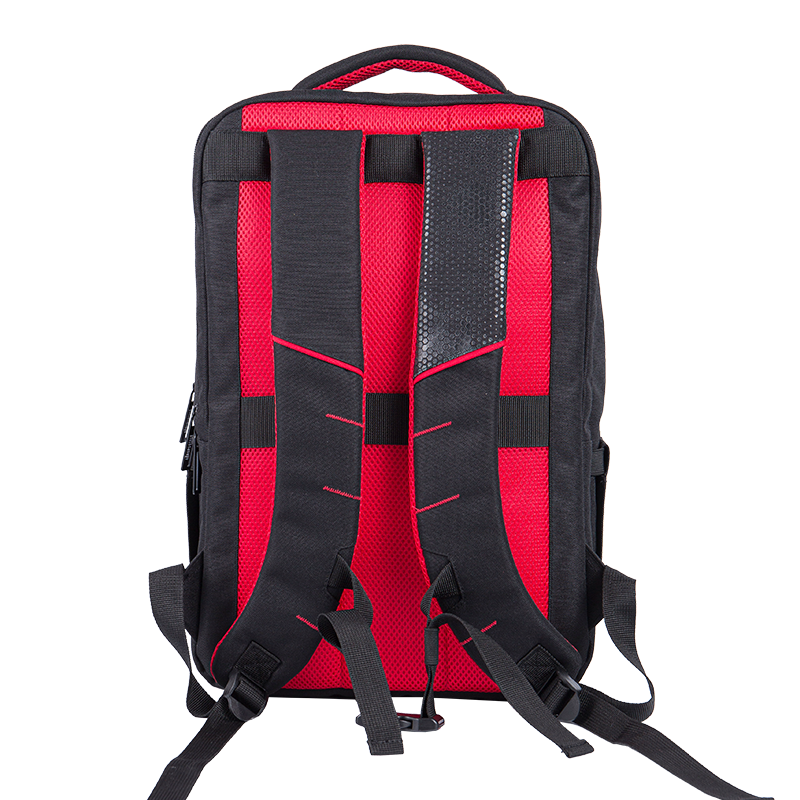 Outdoor Travel Large-Capacity Multifunctional Laptop Backpack Suppliers, CompanyHuacheng is Wholesale Outdoor Travel Large-Capacity Multifunctional Laptop Backpack Suppliers and Company in China, Material: 1200D high-...View Product →
Organization, Access, and Everyday Function
Travelers rarely notice organization until they are standing in a hotel room unpacking a black hole. A good travel backpack should let you find the items you need quickly and keep your laptop protected.
Clamshell vs top-loading
Clamshell opening, also called panel loading, opens flat like a suitcase. It is the easiest way to layer clothing and see everything. Top-loading packs are lighter and often more weather-resistant, but you have to dig for items at the bottom. For airport travel, clamshell wins.
Pockets, laptop sleeves, and packing cubes
A dedicated laptop compartment that opens from the side is a major convenience. It lets you slide out your computer at security without unpacking the whole bag. Look for a padded sleeve that fits 15-16 inch laptops. Inside the main compartment, a few mesh pockets or compression straps keep small items organized; too many pockets can make a small bag feel cramped.
Using packing cubes also reduces the need for built-in organization. If the backpack has a clean main compartment and one or two mesh pockets, a set of packing cubes will give you all the structure you need. Many people prefer to use small packing cubes for clothes and one flat pouch for cables. That keeps the main compartment tidy and means you can pull out a cube without unpacking everything.
For a detailed specification-by-specification walkthrough, our complete guide to choosing the perfect travel backpack covers all the key details.
What to Look for Before You Buy
Before you order a travel backpack, run it through this short checklist:
- Does it fit within the carry-on limits of the airline you fly most?
- Does the capacity match the trip length you usually take?
- Are the shoulder straps, sternum strap, and hip belt adjustable and comfortable?
- Is the main fabric water-resistant, with sealed seams or a rain cover?
- Is there a laptop sleeve that opens from the side?
Answer yes to at least four of these, and you have a backpack that will probably work for years.
At our factory, we design travel backpacks with these priorities in mind and produce in small and large batches for brands, retailers, and e-commerce sellers. Whether you are buying one pack for yourself or planning a private-label product for a retail chain, the same selection logic applies. If you are evaluating options for your own product line, we can discuss custom materials, colors, logos, and sizing. The right travel backpack is not a mystery; it is a matter of matching the pack to the route, the baggage rules, and your own body.