


 English
 Español
 عربى
Content
Canvas is the fabric most people recognize by touch and still describe wrong. It is not a fiber, a finish or a special grade of cotton: canvas is a plain-weave construction, and the same loom logic that once produced ship sails now decides whether a tote bag holds its shape after a year of daily use. For buyers sourcing bags, the word hides three separate decisions, which are fiber, weight and coating, and each one moves the unit cost.
Canvas Is a Weave, Not a Fiber
Canvas material is a heavy plain-weave fabric in which thick warp and weft yarns cross one over one, producing a dense, firm surface that resists abrasion and holds its shape without a lining.
The weave is the identity. In a plain weave every warp yarn passes alternately over and under every weft yarn, and when the yarns are coarse and packed tightly, the result is the stiff, flat hand people associate with canvas. Thin the yarns and loosen the sett, and the same cotton becomes shirting. The word duck, used for the heavier grades, comes from the Dutch doek, a general term for linen cloth, which is why cotton duck and linen canvas describe one construction built from two different fibers.
That definition matters commercially. When a supplier says cotton canvas, the answer is only half complete. Yarn count, ends and picks per inch, and finishing are what separate a bag that lasts three seasons from one that fades and sags in six months.
What Canvas Is Made Of
Most canvas sold today is woven from cotton, linen, hemp, polyester or a cotton-polyester blend, and the fiber drives shrinkage, colorfastness and how the fabric behaves in sunlight and humidity.
| Fiber | Behavior | Typical use | Watch out for |
| Cotton | Soft hand, strong print base, moderate shrinkage | Tote bags, backpacks, aprons | Shrinks when untreated; mildew if stored damp |
| Linen | Strong, crisp, low stretch, creases easily | Premium totes, artist canvas | Higher cost, visible slubs |
| Hemp | Very high tensile strength, naturally rot resistant | Utility bags, outdoor covers | Coarser surface, narrower dye range |
| Polyester | Low moisture regain, colorfast, quick drying | Promotional totes, linings | Less premium hand, lower abrasion feel |
| Cotton-poly blend | Balances cost, strength and print quality | Volume school bags, shippers | Blend ratio must be specified in writing |
Recycled options are routine now. Recycled cotton from cutting waste and RPET canvas from post-consumer bottles both weave into the same plain structure, and the certification file matters more than the marketing name printed on the hangtag.
Weight, Duck Numbers and Hand Feel
Canvas weight is quoted in ounces per square yard or grams per square metre, and that single figure predicts stiffness, durability and freight cost more reliably than any label wording.
One ounce per square yard equals roughly 33.9 g/m2, so the common grades convert as follows.
Hand feel is a separate variable. Raw, loom-state canvas is stiff and slightly harsh, which suits structured totes that must stand upright on a counter. Washed or enzyme-treated canvas softens and drapes, which suits slouchy backpacks but reduces the crispness that makes a printed logo look sharp.
Why Canvas Suits Bags and Luggage
Canvas works in bags because a tight plain weave spreads abrasion across the crowns of the yarns instead of concentrating it on a few floats, which is why a 12 oz cotton tote survives years of pavement and car boots.
- Abrasion and load. Dense warp and weft, box-X stitching at the handle roots and a bound seam keep weight off a single row of stitches.
- Structure. Canvas holds a flat base, so totes and backpacks stand up when set down, and a laptop compartment keeps its shape without foam panels.
- Decoration. The flat surface takes screen print, heat transfer, embroidery and woven patches cleanly, which matters for private-label and promotional programs.
- Repair and end of life. A tear can be patched and stitched, and untreated cotton canvas breaks down at the end of use instead of persisting like a laminate.
 Wholesale Canvas Tote Bags for Daily Shopping and TravelSturdy, reusable canvas totes with spacious capacity and cotton handles, suited to shopping, travel, and printed-logo programs.View Product →
The same reasoning explains why canvas tote bags keep returning to retail shelves: the material photographs well, takes a printed logo without special equipment, and reads as reusable rather than disposable.
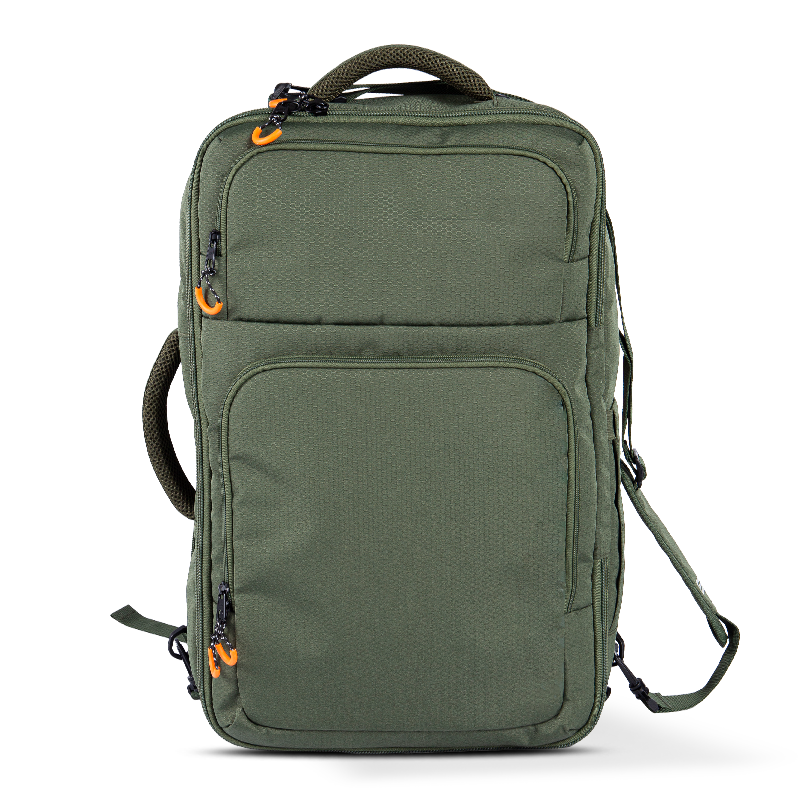
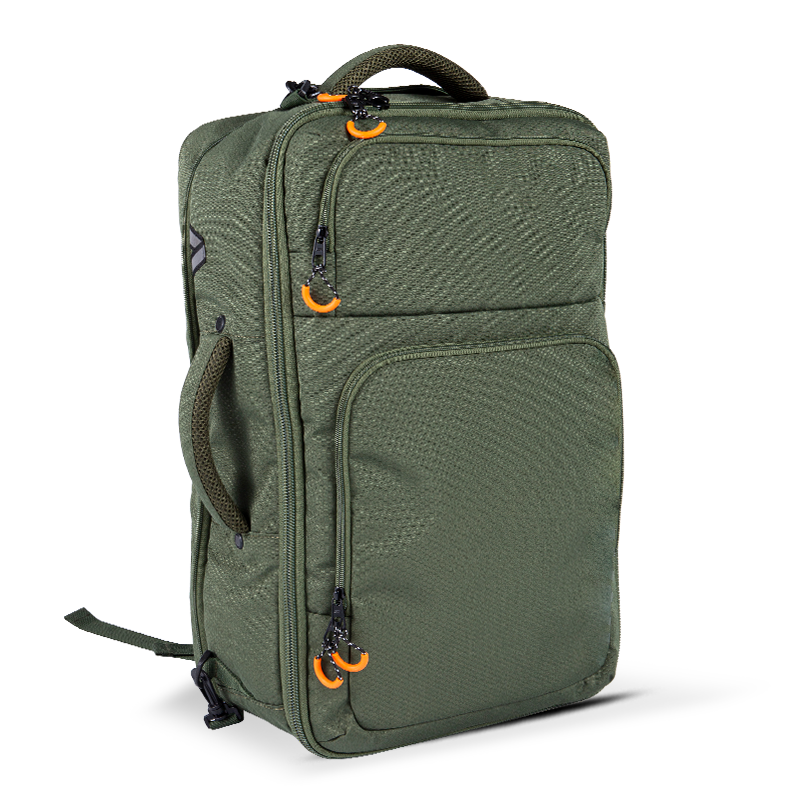
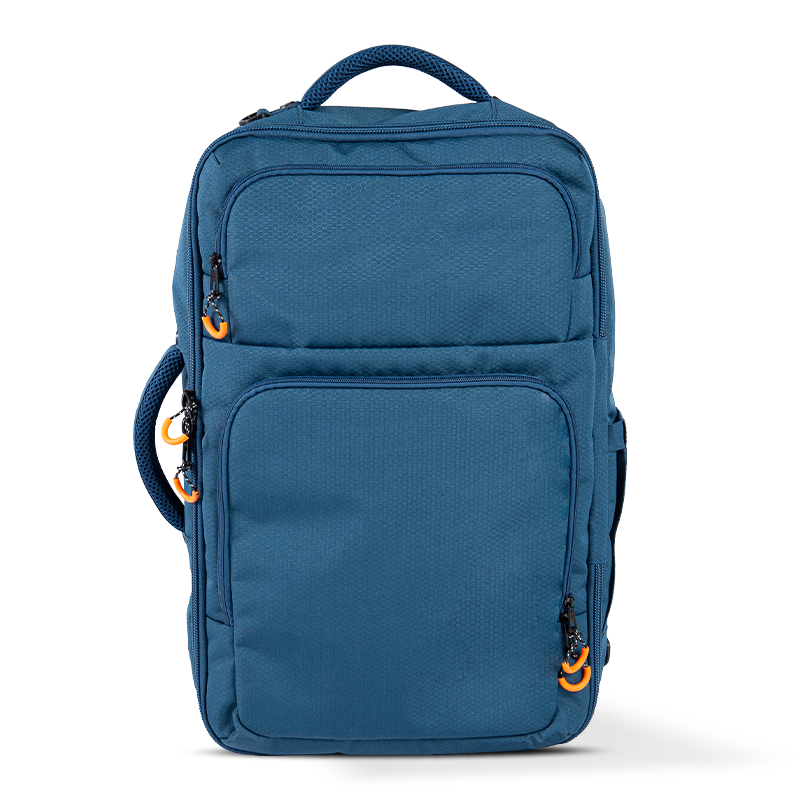
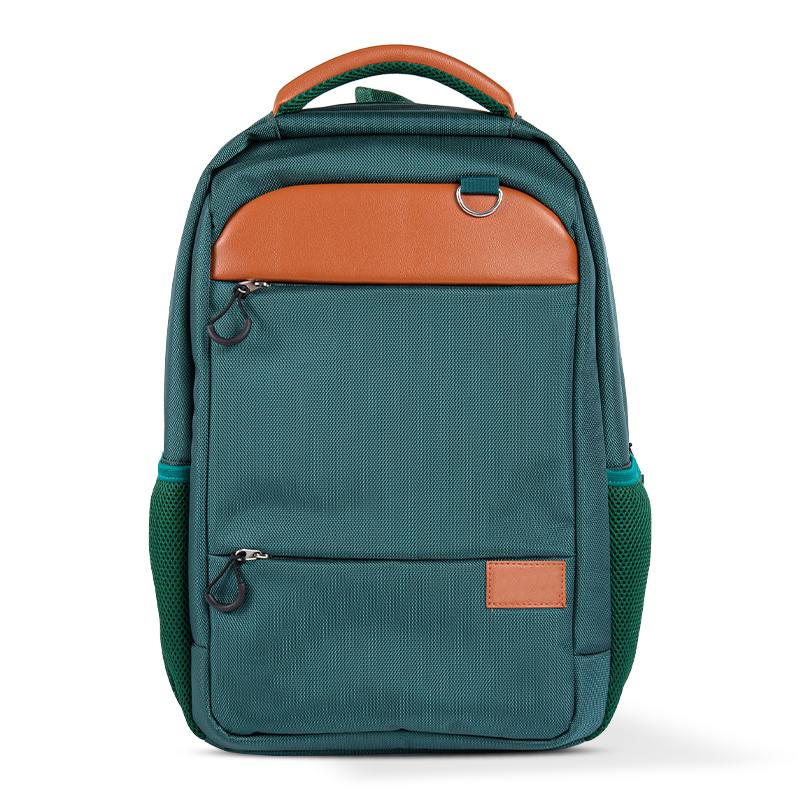
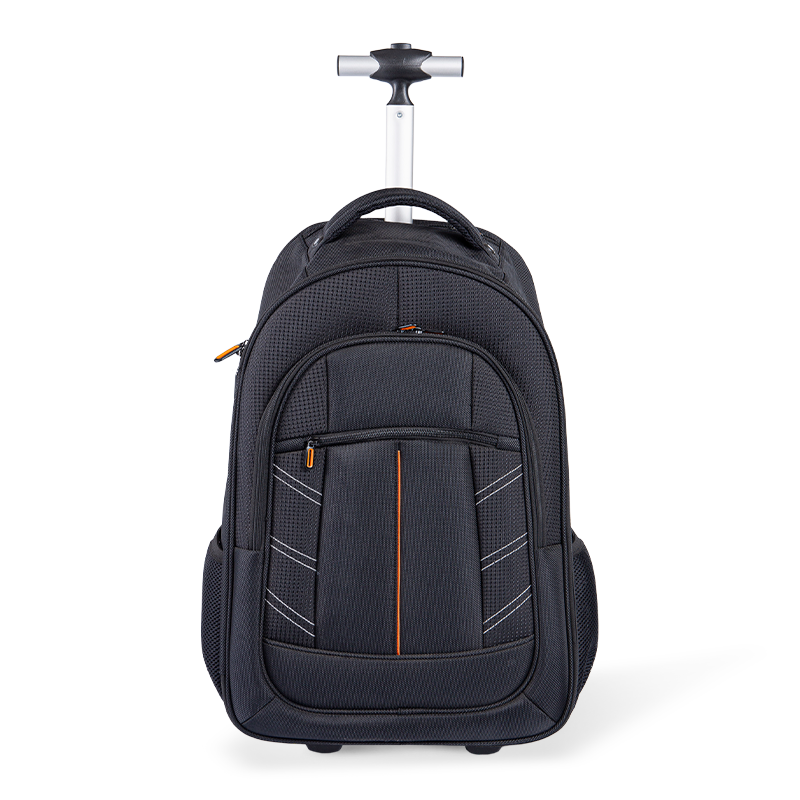
 Large-Capacity Canvas Travel Backpack for Outdoor Day UseA lightweight 23L canvas daypack with a 15-inch laptop compartment, tablet pocket, and breathable straps for travel and commuting.View Product →
Canvas also scales into travel and commuter shapes. A heavier body with a lighter lining keeps the bag upright in an overhead bin, while a canvas laptop messenger only needs a padded sleeve rather than a full structural frame.
Water Resistance, Coating and Care
Untreated canvas is water resistant but not waterproof: a tight weave makes rain bead and roll for a short time, and anything beyond that comes from a finish applied after weaving.
- Waxed canvas: paraffin or beeswax pressed into the yarns, the most weatherproof traditional option, but it darkens the fabric and needs re-waxing.
- PU or acrylic back-coating: a thin film on the reverse side, light and inexpensive, though it can crack along repeated fold lines.
- PVC lamination: fully waterproof and wipeable, heavier and stiffer, and the hardest option to place in a recycling stream.
- Untreated or garment-washed: breathable and soft, the right choice where the bag is a fashion item rather than rain gear.
Ask for the finish by name and by test method. Water repellent, water resistant and waterproof are three different claims, and only one of them usually survives a full season of use.
Care is simple and mostly about drying. Cold hand wash with neutral soap, skip chlorine bleach, air dry away from direct sun, and store the bag dry, because mildew is the one failure that cannot be repaired or refinished.
Canvas vs Other Bag Fabrics
Canvas wins on structure, print quality and repairability, and loses to nylon and polyester on weight and packability, so the right choice depends on how the bag will be carried.
Choose canvas when
The bag has to stand upright, carry a printed or embroidered brand mark, and look better as it ages. Totes, school bags, daypacks and utility bags fall into this group.
Choose synthetic when
The bag has to fold into a suitcase, weigh under 200 g, dry fast after a downpour or hold a rigid technical shape. Packable shoppers and rain shells belong here.
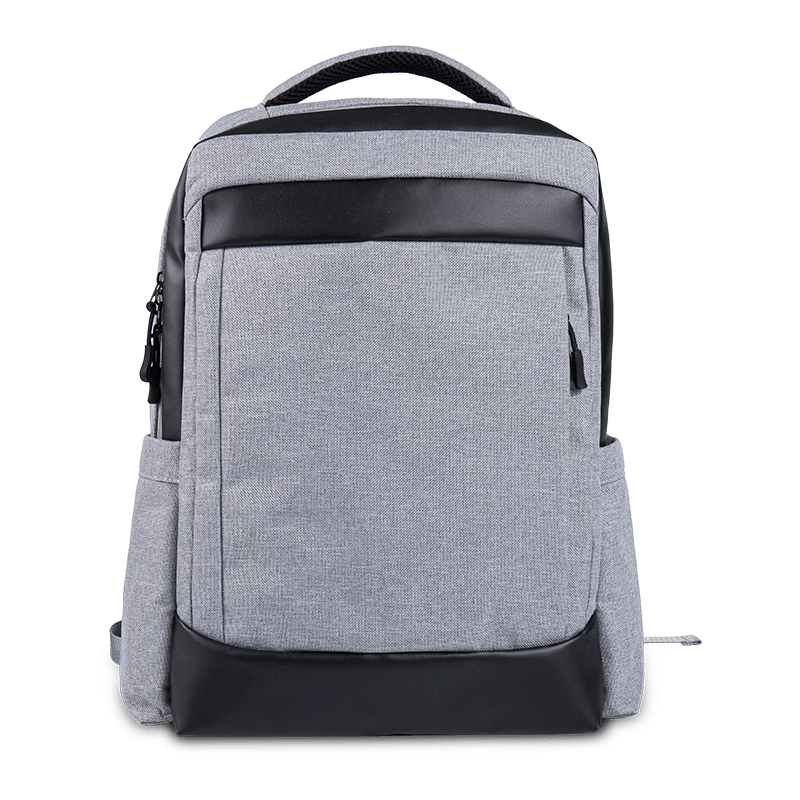
A canvas laptop messenger is a useful test case: the fabric gives the bag a flat profile and a professional surface, while a padded sleeve and a coated reverse handle the practical side.
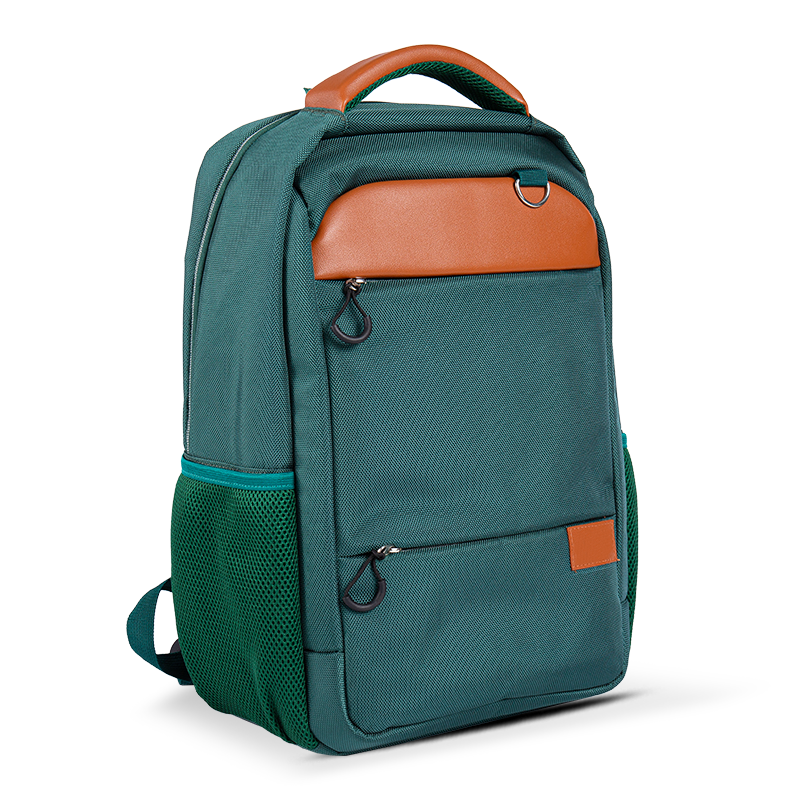
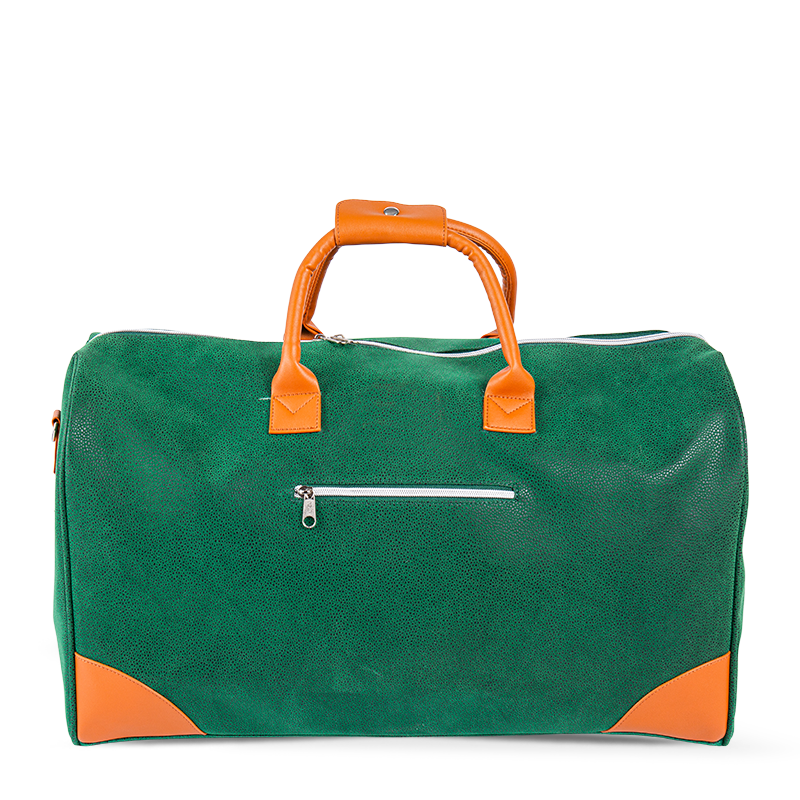
 Canvas Laptop Messenger Bag with Multiple CompartmentsA green canvas messenger with dedicated laptop and tablet storage, customizable leather trim, and a thickened strap for daily carrying.View Product →
Production discipline matters as much as the fabric. Factory and equipment capability decides whether heavy canvas can be cut, stitched and bar-tacked consistently at volume, since the same density that makes the fabric durable also dulls needles and stresses seams.
Frequently Asked Questions
Is canvas a natural or a synthetic material?
Both. Canvas describes the weave, so cotton, linen and hemp give natural canvas, while polyester and cotton-poly blends give synthetic or blended canvas with the same plain structure and similar performance.
Is canvas waterproof?
Untreated canvas is only water resistant. Full waterproofing comes from wax, PU, acrylic or PVC finishes, and the coating, not the weave, is what determines how long the protection lasts.
What is the difference between canvas and cotton duck?
Cotton duck is a subgroup of canvas, a heavy plain-weave cotton graded by weight, so every cotton duck is canvas while not every canvas is duck. Linen and polyester versions exist under the wider canvas name.
Which canvas weight is best for bags?
10 to 12 oz suits totes, pouches and backpacks, while 16 to 18 oz suits tool bags, luggage trim and reinforced bases. Match the weight to the load, then confirm the tolerance and shrinkage figure before ordering.