



 English
 Español
 عربى
عربىContent
Pick up any backpack off the rack and it might look fine — until you've worn it for six hours. That's when fit, weight distribution, and organization really matter. Whether you're shopping for a backpack for women or a backpack for men, the right pack comes down to a handful of decisions that most people skip. This guide cuts straight to them.
Women's vs. Men's Backpacks: Why the Difference Matters
The distinction isn't just marketing. The average adult woman has a torso length of around 16 inches, while the average adult man measures closer to 18 inches. That two-inch difference changes where the hip belt sits — and a misplaced hip belt means your shoulders carry load they shouldn't.
women's and men's backpack collections are typically built around these differences. Women's-specific designs feature shorter back panels, curved shoulder straps, narrower strap spacing, and hip belts shaped for a wider pelvis. Men's packs run longer in the torso with broader harness spacing and higher load capacity.
That said, body shape doesn't follow a strict gender line. A tall woman with a long torso may fit better in a unisex or men's pack. A man with a compact build may find a women's cut more comfortable. Torso length — not height — is what determines fit. Measure from the C7 vertebra at the base of your neck to the top of your hip bones before you shop.
Choosing by Use Case: Match the Pack to the Mission
The biggest mistake people make is buying a pack based on looks rather than how they'll actually use it. Here's a straightforward breakdown:
| Use Case | Ideal Capacity | Must-Have Features |
|---|---|---|
| Daily commute / work | 20–30L | Laptop sleeve, organized pockets, sleek profile |
| Travel (carry-on compatible) | 30–45L | Clamshell opening, luggage pass-through, TSA-friendly layout |
| Outdoor / hiking | 25–50L | Hip belt, ventilated back panel, rain cover |
| School / college | 20–30L | Multiple compartments, water bottle pockets, durable fabric |
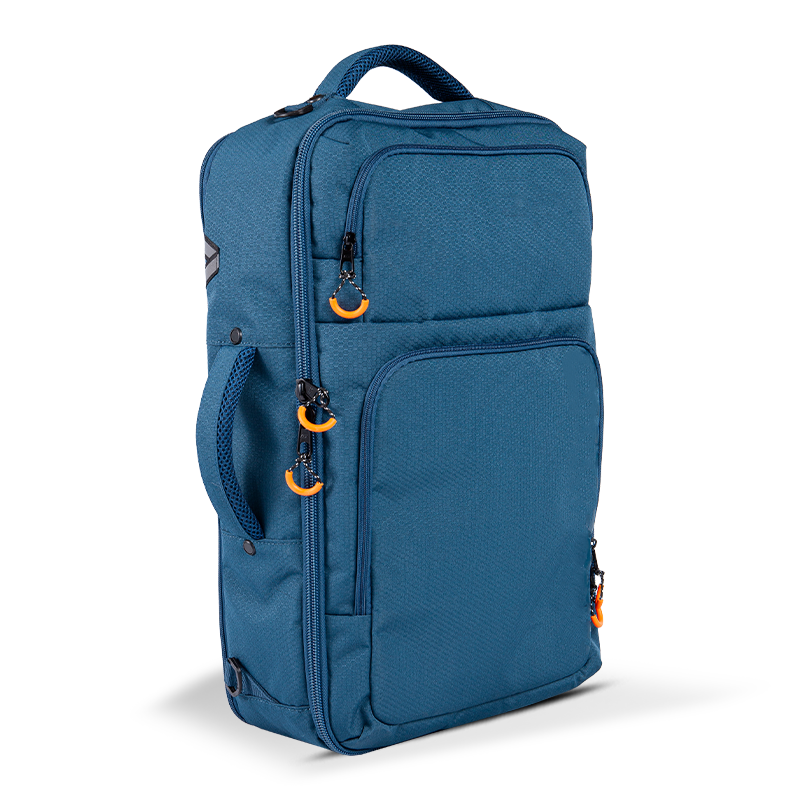
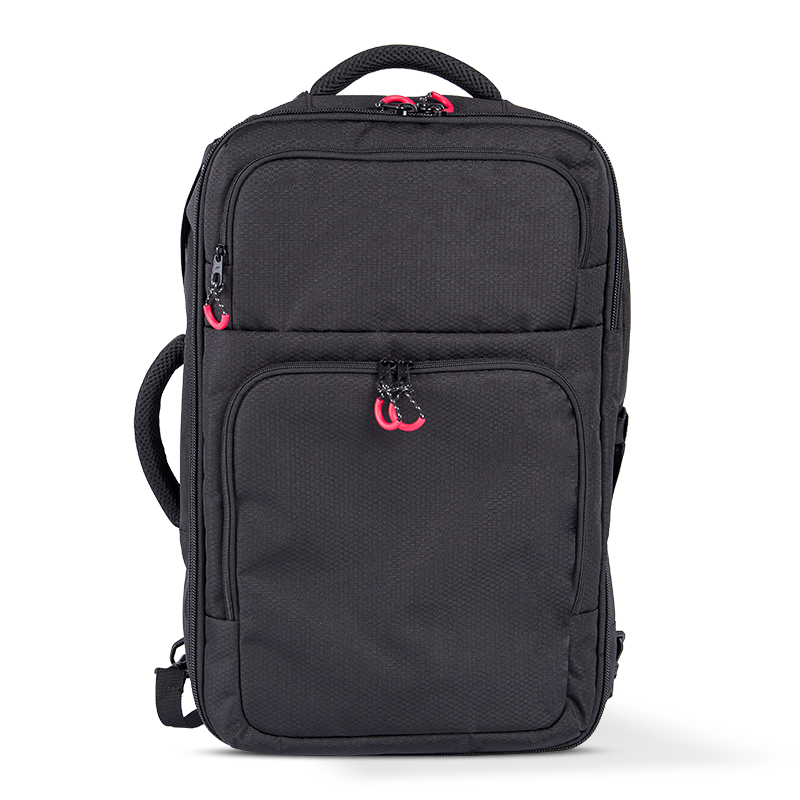
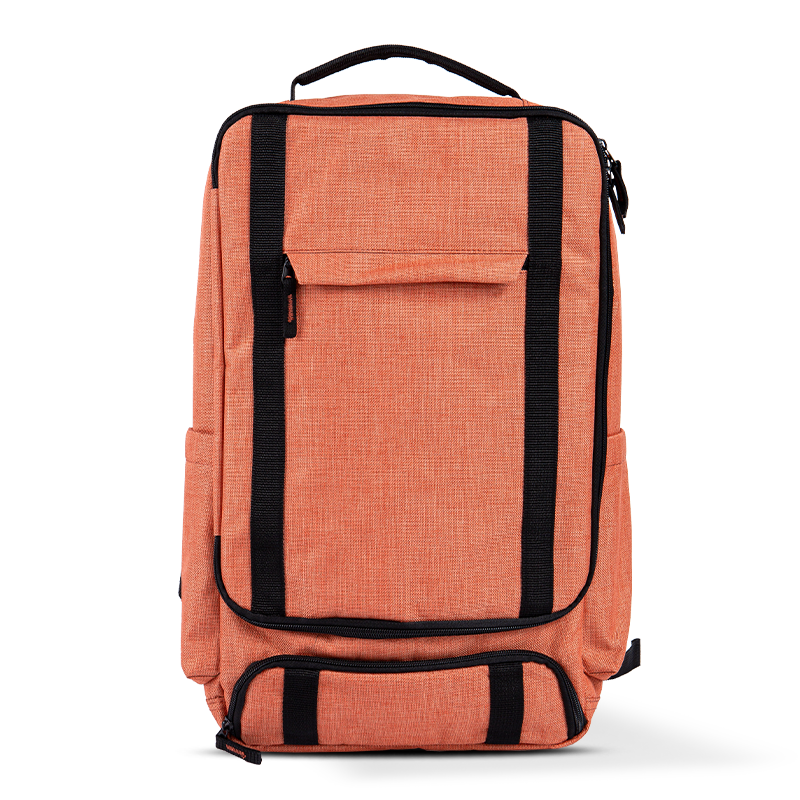
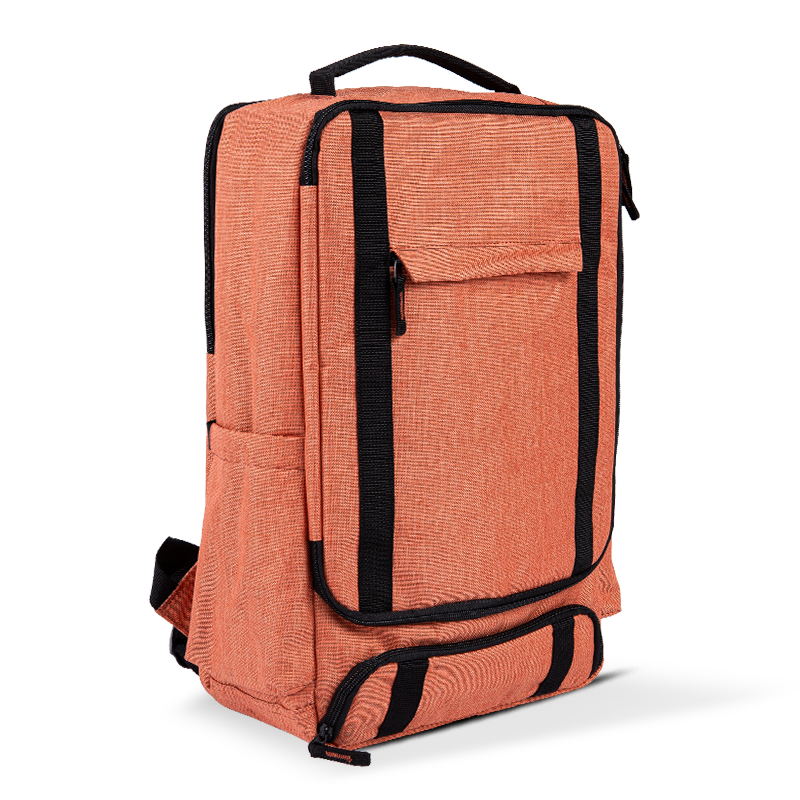
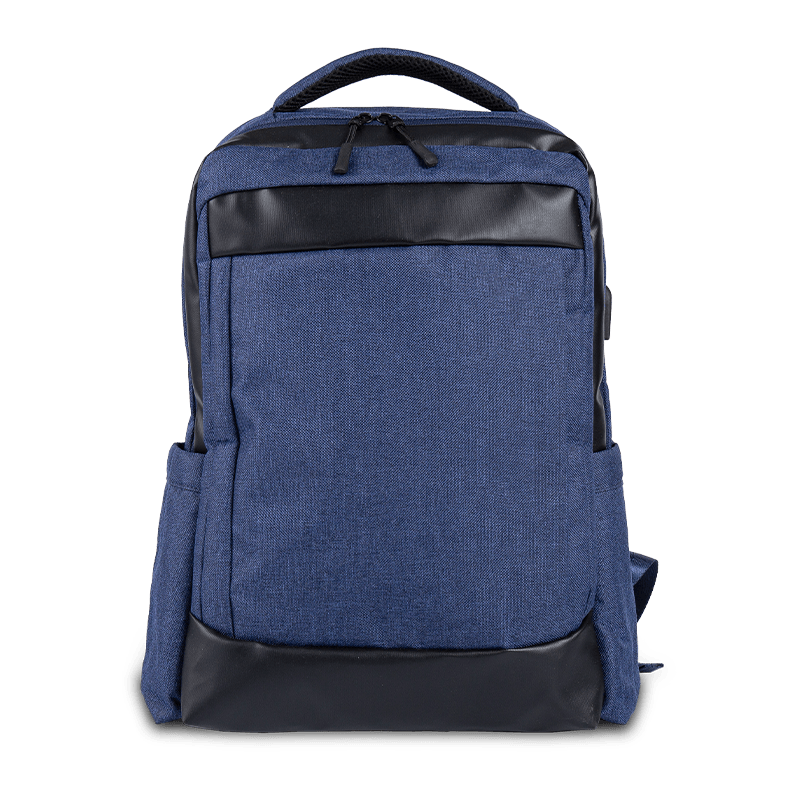
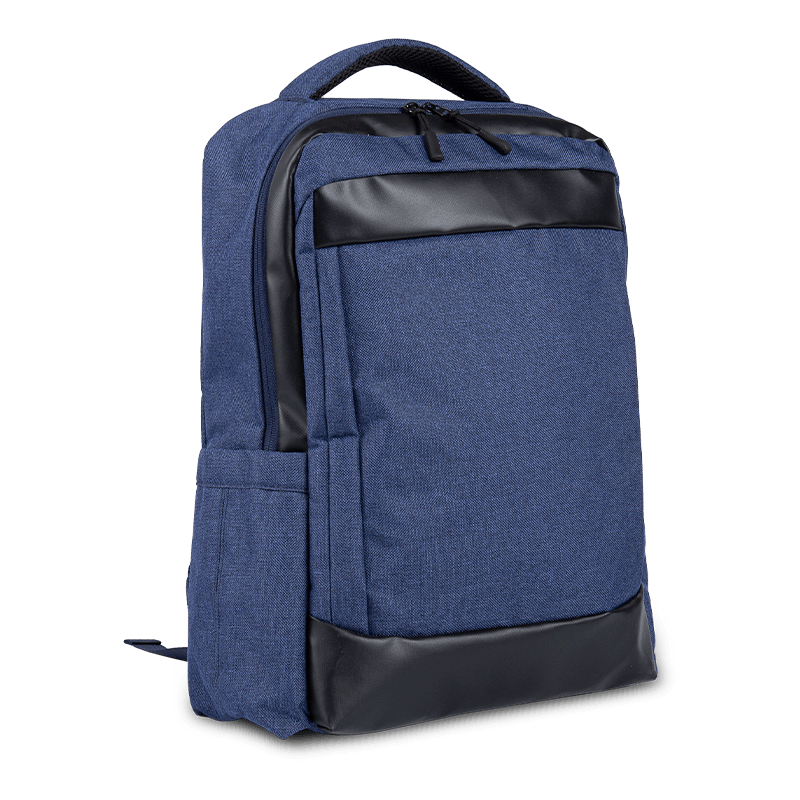
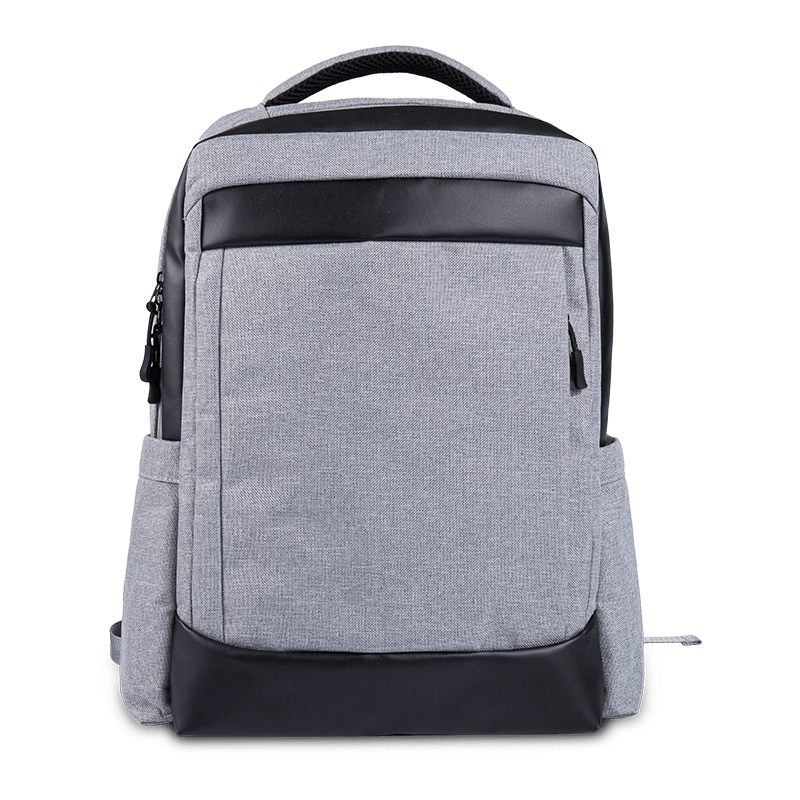
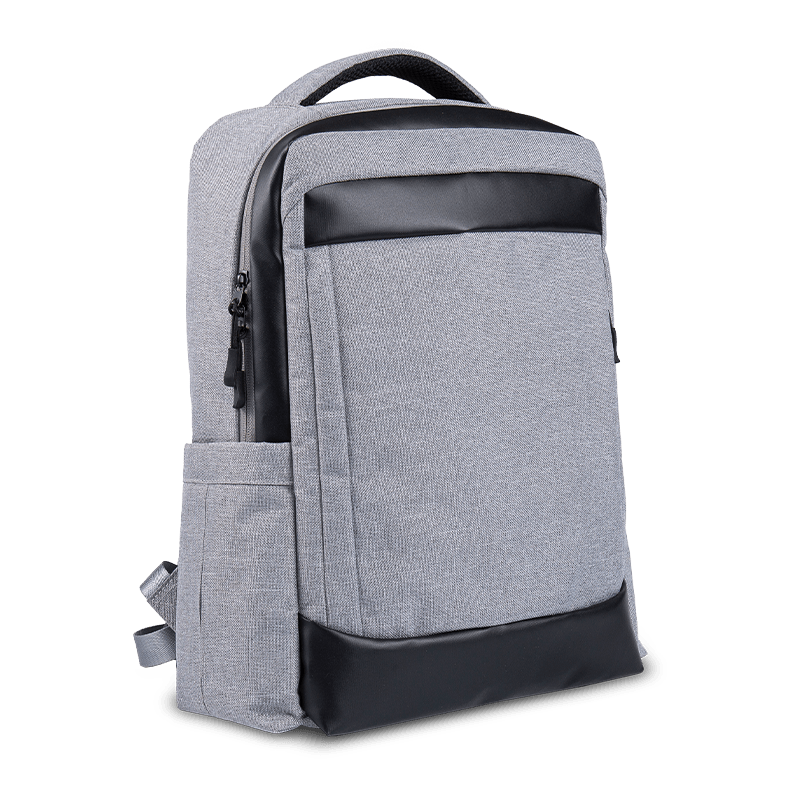
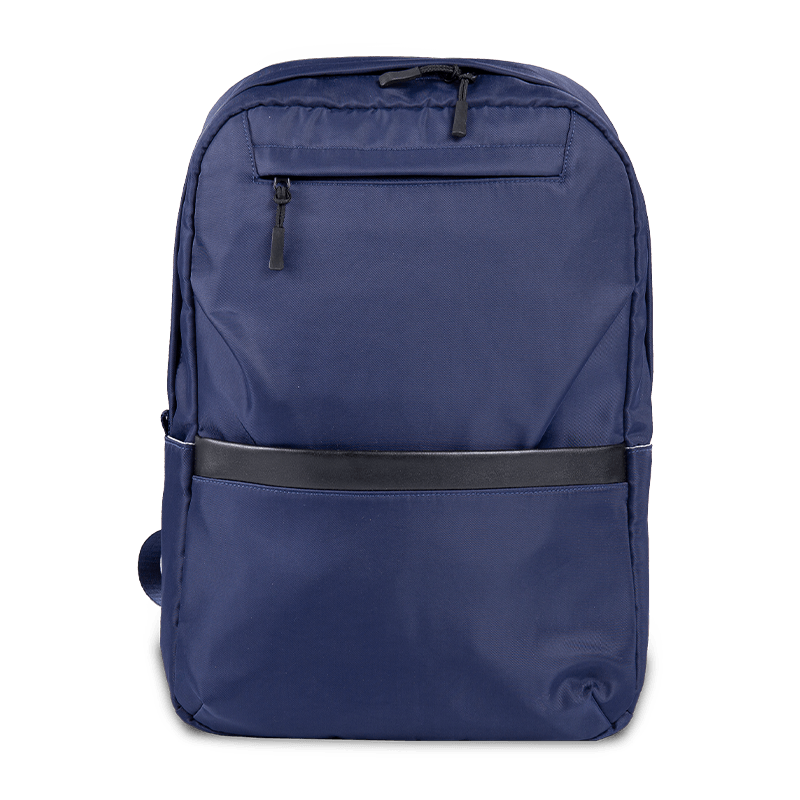
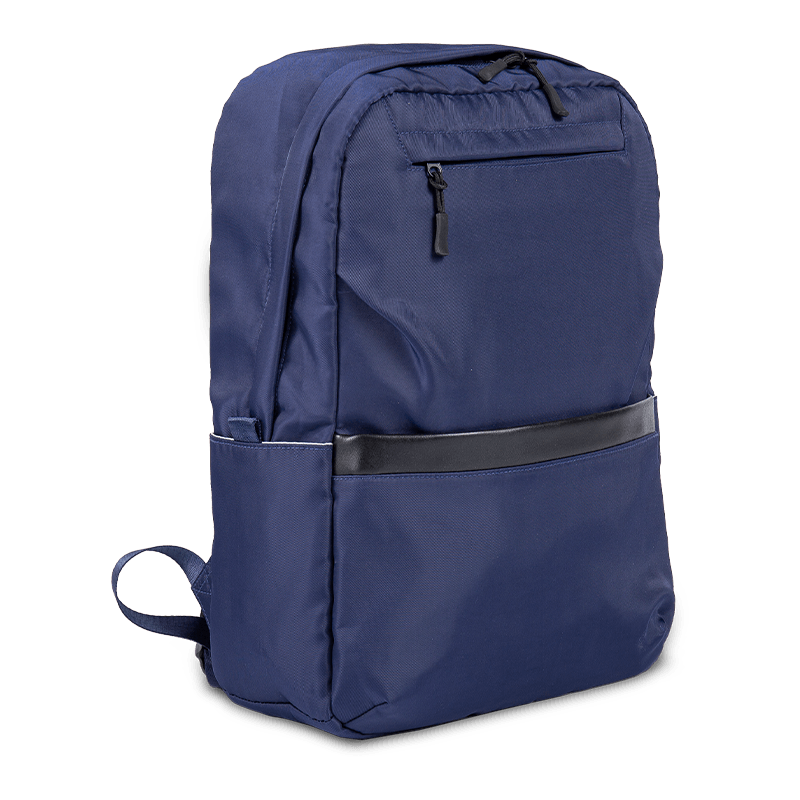
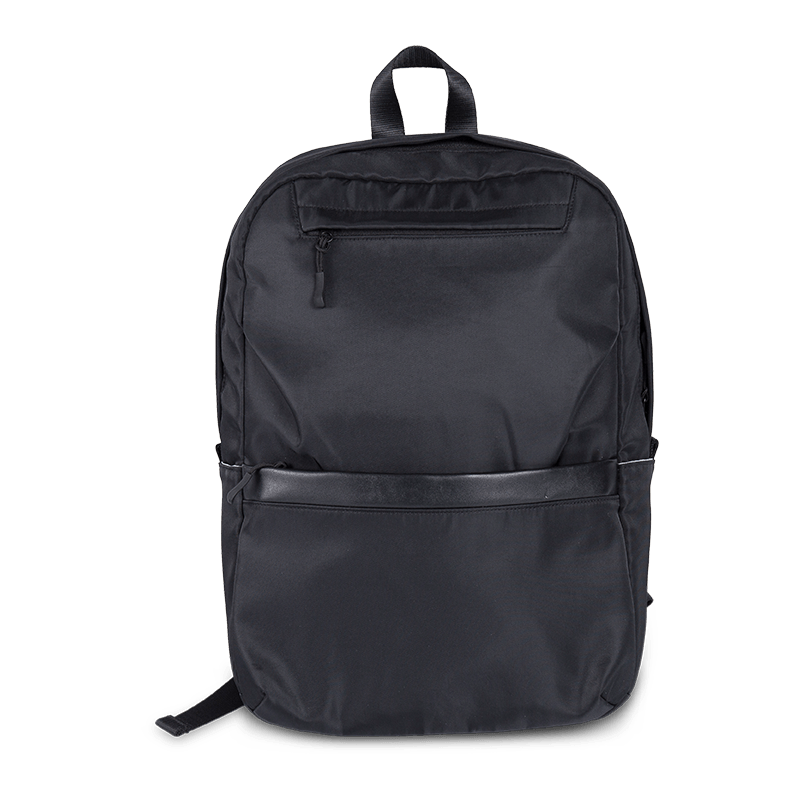
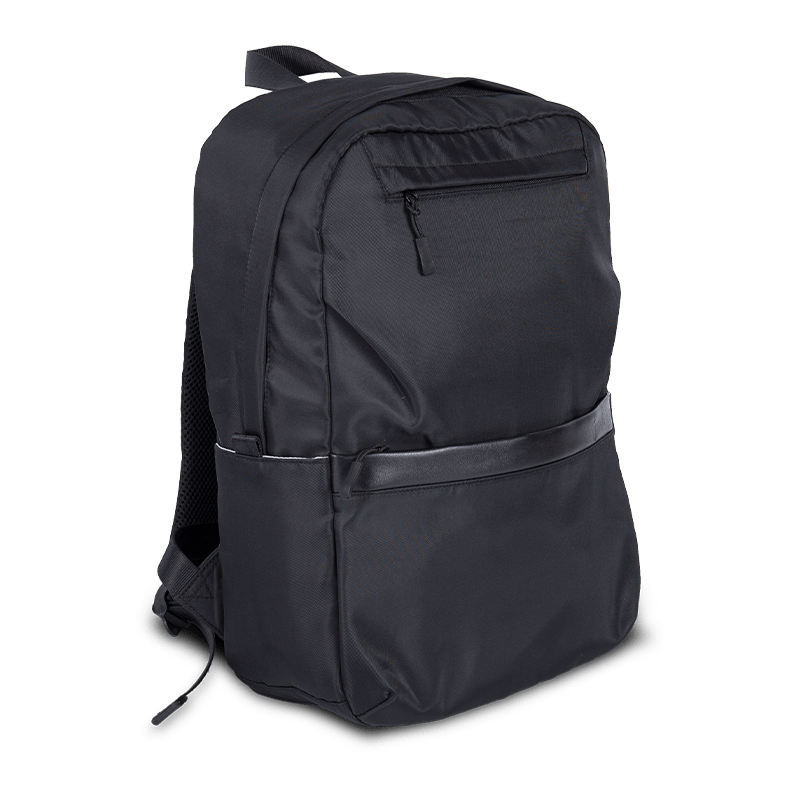
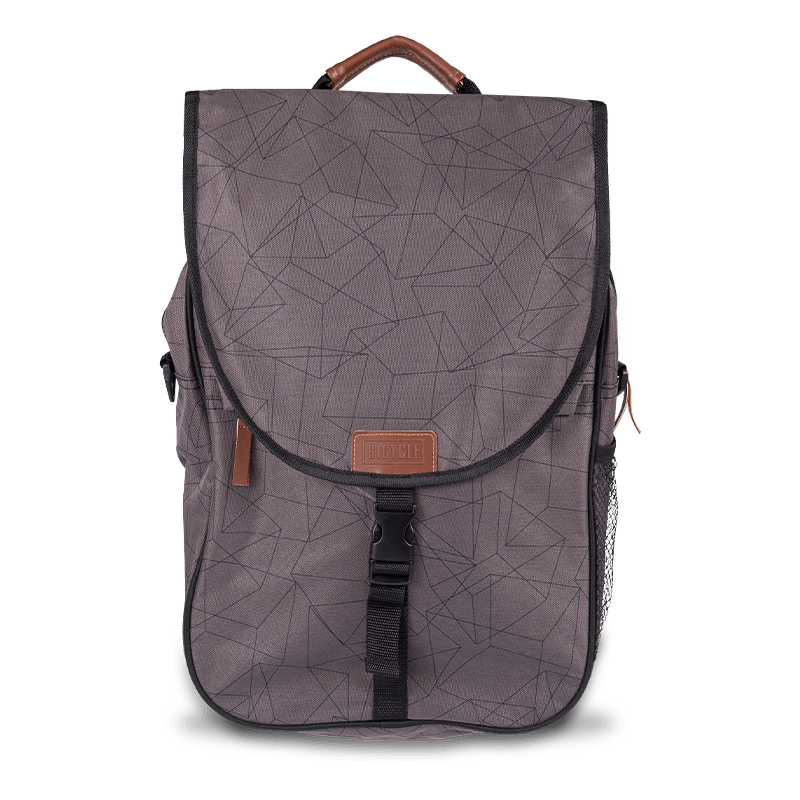
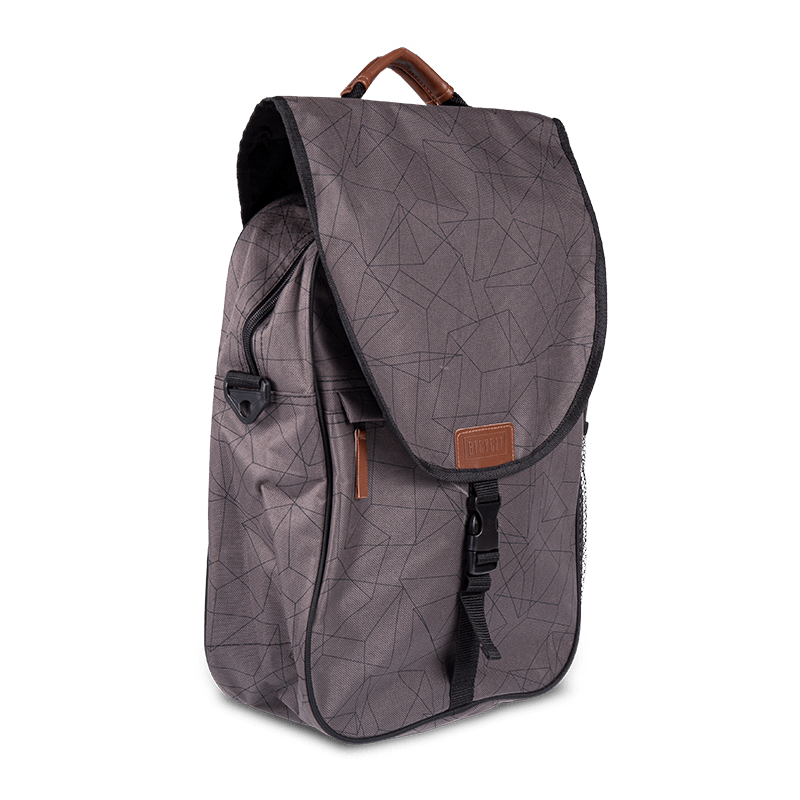
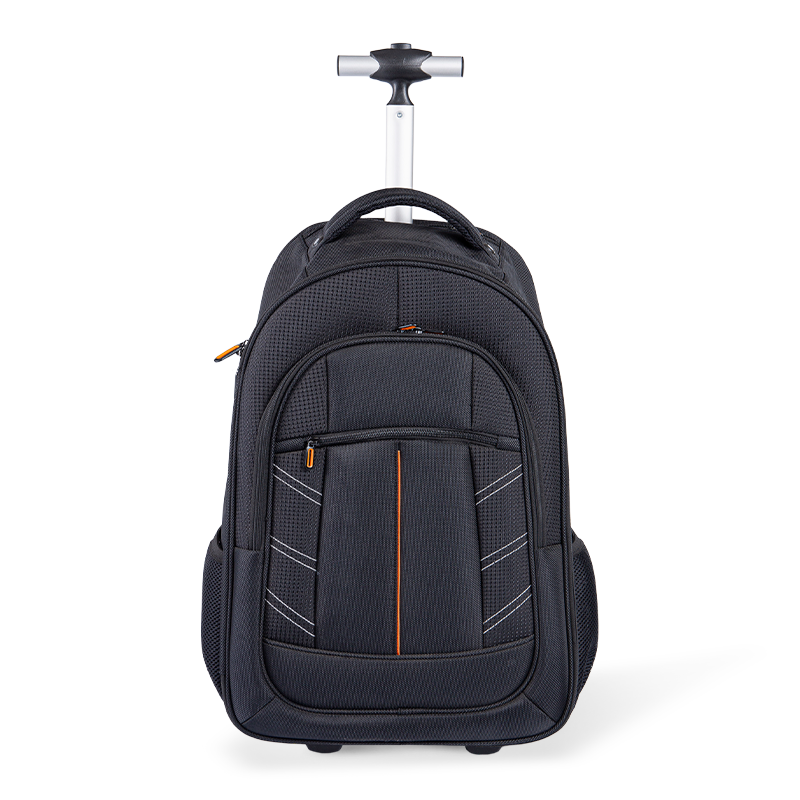
For everyday work use, a business backpack with a dedicated laptop compartment and waterproof construction hits all the right notes — protection for your tech, enough organization to stay sharp, and a clean look that works from desk to commute.
Key Features That Actually Make a Difference
Back Panel & Ventilation
A padded, ventilated back panel keeps airflow moving between your back and the bag. For outdoor use or warm climates, a tensioned mesh panel (sometimes called a trampoline frame) dramatically reduces sweat buildup. For office use, a flat padded panel usually suffices and keeps the bag slimmer.
Hip Belt
This is non-negotiable for any pack over 20L that you'll wear for more than 30 minutes. A proper hip belt transfers up to 80% of the load from your shoulders to your hips — the strongest part of your body for carrying weight. Women's packs angle the belt forward to sit correctly on wider hips; men's designs keep it more horizontal.
Shoulder Strap Padding & S-Curve
Women's shoulder straps are typically narrower at the top and curve outward to avoid pressing on the chest. Men's straps are straighter and wider. Insufficient padding causes pressure points on longer hauls — check that straps are at least 1.5 inches wide and have adequate foam density.
Waterproofing
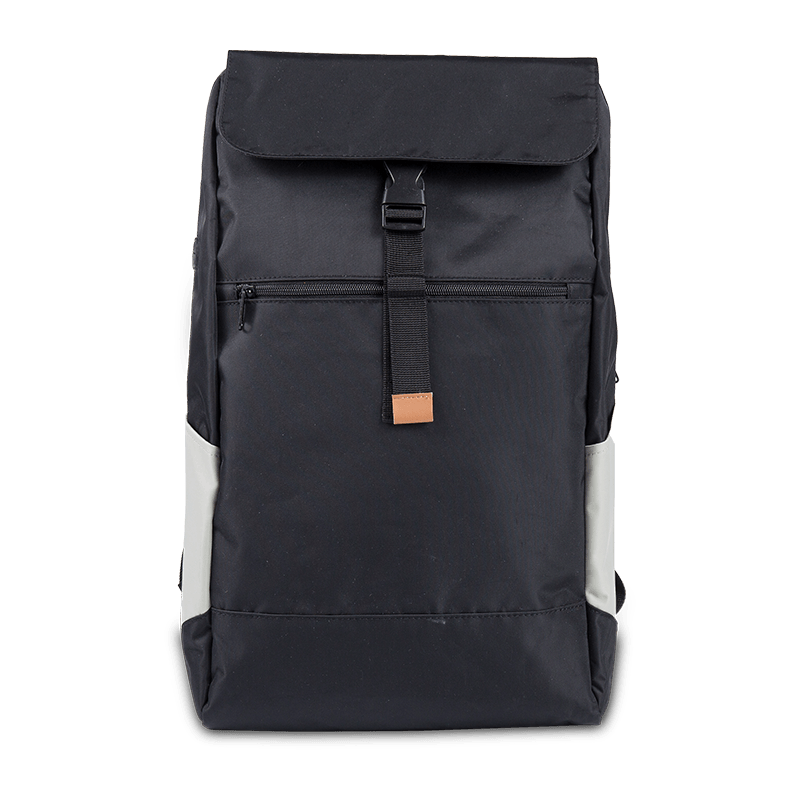
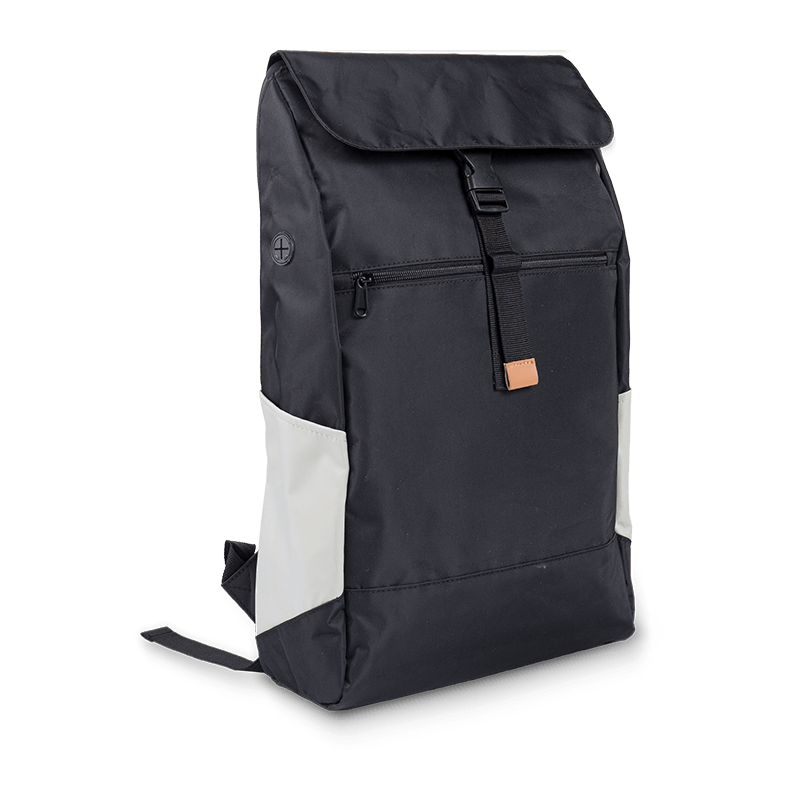
There are two levels: water-resistant (DWR coating on fabric, fine for light rain) and truly waterproof (sealed zippers, waterproof laminate or a roll-top closure). Most travel backpacks built for multi-day trips use a combination of both. For daily commuters, DWR coating is usually enough. For hiking or camping in unpredictable weather, sealed zippers or an included rain cover matter.
Organization & Access
Front-loading clamshell packs open like a suitcase and make packing and unpacking far easier than top-loading bags. Look for a dedicated laptop sleeve that suspends the laptop off the base (protects it from drops), quick-access exterior pockets for your phone and keys, and at least one side pocket for a water bottle you can reach without removing the pack.
Materials: What to Look For
Polyester and nylon dominate the backpack market. Nylon tends to be stronger and more abrasion-resistant at the same weight. Polyester handles UV exposure better and resists color fading. For the frame, internal aluminum stays or a structured back panel help maintain shape under load. Oxford fabric (especially 600D or 900D) offers a good balance of durability and weight for everyday backpacks.
Canvas is heavier but adds a classic look — well-suited for school bags and casual use. For business travel, a ripstop nylon outer with a waterproof liner is the most practical combination. Some outdoor backpacks use recycled PET fabric, which performs comparably to virgin polyester while reducing environmental impact.
Fit Check: How to Know If a Backpack Actually Fits
Load the pack with 15–20% of your body weight before testing fit — an empty bag tells you almost nothing. Then check four things:
- The hip belt buckles around the top of your hip bones, not your waist. It should feel snug without digging.
- The shoulder straps curve over your shoulders without gaps. The load lifters (straps from the top of the pack to the harness) should angle at roughly 45 degrees.
- The sternum strap sits comfortably across your chest — it steadies the pack but shouldn't restrict breathing.
- The top of the pack sits no higher than two inches above your shoulders, and the bottom rests in the curve of your lower back.
If any of these four points are off, try a different size or a different gender fit before assuming the pack doesn't work for you.
What to Avoid
Thin shoulder straps with no padding are the most common issue in budget backpacks — they dig in fast under any real load. Cheap zippers fail at the worst moments; look for YKK or equivalent on any pack you'll rely on daily. Avoid packs where the laptop sleeve sits flat on the base with no padding — a dropped bag will transfer the full impact directly to your device.
Finally, don't overbuy on capacity. A 45L pack you can never fill tends to flop and shift uncomfortably. Match the volume to your actual needs — you can always add a small crossbody bag for overflow on heavier days rather than carrying a half-empty oversized pack every day.
Final Word
The best backpack — whether built for women or men — is the one that fits your torso, matches your daily demands, and holds up to regular use. Measure your torso before you buy, test with weight in-store when possible, and prioritize the hip belt and shoulder strap quality above everything else. Get those right and the rest is just a matter of pockets.