



 English
 Español
 عربى
عربىContent
A backpack that finishes a school year without collecting cracker crumbs, pen ink, and gym-clothes odor does not really exist. The same goes for commuting packs and hiking packs: grit settles into the bottom panel, sunscreen and sweat work into the shoulder straps, and a leaked water bottle soaks everything near the seam. The reliable answer to how to clean a backpack is simpler than most people expect: hand washing in lukewarm water with a mild detergent is safe for nearly every bag, while machine washing and tumble drying are the fastest ways to ruin coatings, seam tape, and zippers.
That conclusion comes from more than 30 years of bag manufacturing. A backpack is not one material but a combination of fabric, coatings, foam, webbing, and hardware, and each layer reacts differently to water, heat, and friction. Clean a pack the way its construction expects, and it will keep its shape, color, and water resistance for years; clean it carelessly, and even a well-built bag ages in a single weekend.
Start With the Care Label and the Construction
Before any water touches the bag, find the care label, usually stitched into a side or interior seam. It names the fabric composition and often states whether the pack is washable at all. Construction matters just as much: coated fabrics, PU leather trim, wired USB ports, internal frames, and dense foam padding all change what the bag can tolerate.
A practical rule: if a pack has any coating, leather component, or electronics, keep it out of the washing machine entirely. If it is plain cotton canvas or uncoated polyester, a gentle machine cycle is usually acceptable. We explain the fabric-side differences in more depth in our guide to cleaning fabric school bags without damage.
What You Need Before You Start
The supplies cost little, and most households already have them:
- Mild detergent or plain dish soap. Skip bleach, which strips coatings and dyes, and skip fabric softener, which leaves a film that actually attracts dirt.
- A soft brush or an old toothbrush for seams and zipper teeth
- Microfiber cloths or soft sponges
- Two basins or a tub: one for washing, one for rinsing
- Lukewarm water, below 30°C (86°F)
- Clean, dry towels
How to Hand Wash a Backpack, Step by Step
Hand washing takes about 30 minutes of active work and is the method we recommend as the default for every pack, from student bags to travel packs.
- Empty everything and vacuum. Open every pocket, check the corners along the seams, and shake out loose debris. Crumbs left inside attract pests and feed mold.
- Remove detachable parts. Take off removable straps, hip belts, and frames, and wash them separately so water reaches every layer.
- Spot-treat stains first. Work a small amount of detergent into ink, food, or grease marks with your fingers or a soft brush and let it sit for 10 to 15 minutes.
- Wash in lukewarm water. Fill a tub with about six inches of water, submerge the pack, and scrub gently in circles with a soft brush or sponge, inside and out, including zippers and straps.
- Rinse until the water runs clear. Soap residue stiffens fabric and attracts new dirt, so rinse two or three times if needed.
- Blot, do not wring. Press towels against the fabric to absorb water. Twisting a soaked pack can bend frames and crumple padding.
Can You Machine Wash a Backpack?
Sometimes, but the conditions are narrow. A plain canvas or uncoated polyester pack with no coatings, leather, or electronics can usually survive a gentle, cold cycle inside a mesh laundry bag or pillowcase, using the lowest spin speed. A front-loading machine is gentler than a top-loader with a center agitator, which twists and compresses the bag with every rotation.
Never machine wash a pack with a polyurethane coating or a water-resistant finish. Tumbling and heat work the coating loose from the fabric, which shows up later as bubbling, peeling, or a crinkly liner that flakes into the pockets. Seam tape adhesive fails the same way, so seams that were watertight start to weep. Wired USB ports and padded laptop compartments do not belong anywhere near a drum either.
Drying: Where Most Backpacks Are Actually Ruined
Air drying is the only safe method. Hang the pack upside down with every zipper open so air moves through the compartments, and press a dry towel inside to speed things up. Plan for 24 to 48 hours in a ventilated room; a fan shortens this considerably.
Cleaning Rules by Material
Match the method to the fabric and most cleaning mistakes disappear. These are the materials most commonly used in backpacks:
| Material | Best cleaning method | What to avoid |
|---|---|---|
| Polyester | Hand wash with mild soap and a soft brush | Bleach, hot water, machine drying |
| Nylon | Lukewarm hand wash; dries quickly | Prolonged direct sun, high heat |
| Canvas | Hand wash; tolerates firmer scrubbing | Hot water (shrinks), tumble drying |
| PU leather trim | Wipe with a damp cloth only | Soaking, alcohol-based cleaners |
| Coated waterproof fabric | Wipe down with mild soapy water | Machine washing, hard scrubbing |
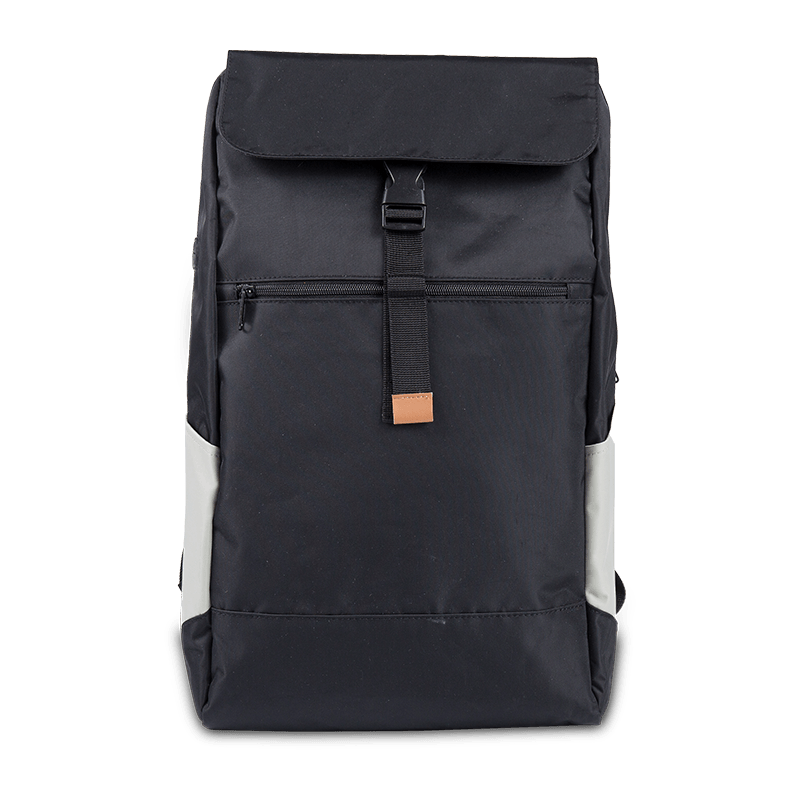
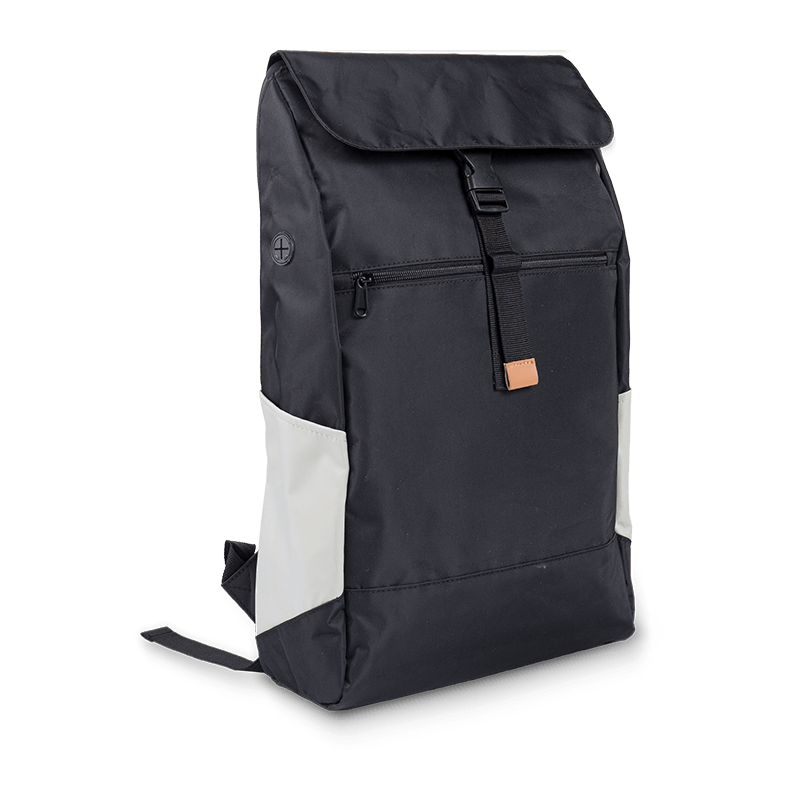
Coated and roll-top designs are the easiest to keep clean in daily use, because the outer surface wipes down in seconds and spills cannot soak through. Our premium waterproof roll-top backpack is a typical example of a pack built this way.
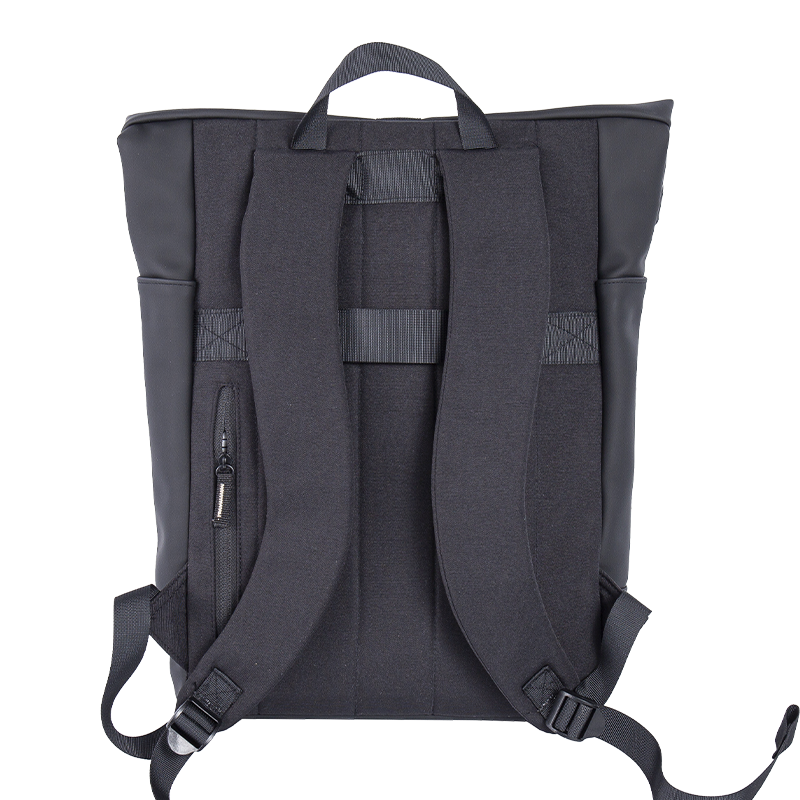 Premium Waterproof Roll-Top Backpack with Large CapacityMade from PU-bonded polyester with a 21–26L roll-top design, this pack wipes clean in seconds and keeps spills out, illustrating the easy-care construction the surrounding discussion recommends.View Product →
Habits That Keep a Backpack Clean Longer
Reduce how often deep cleaning is needed
- Empty the bag once a week and wipe the bottom panel with a damp cloth.
- Carry food in sealed containers or an insulated lunch bag, so a spilled yogurt never reaches the main compartment.
- Store pens and markers in a case; ink is the single hardest stain to remove from coated fabrics.
- Hang the pack to air out after rainy commutes or gym days instead of storing it while damp.
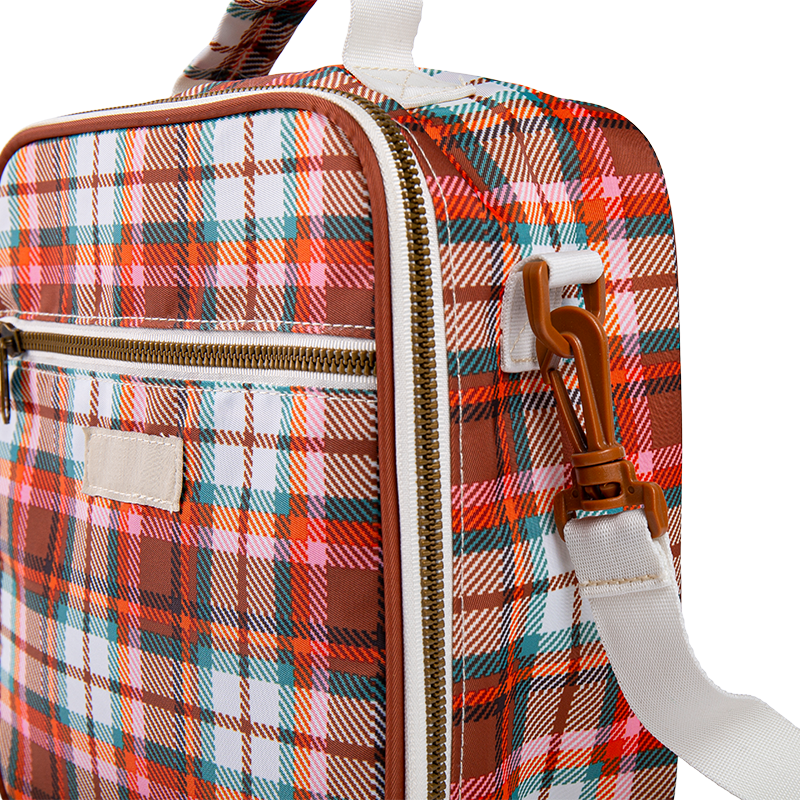 Classic French Insulated Lunch Box with Wipeable FabricBuilt from sturdy, phthalate-free polyester that wipes clean with a damp cloth, this lunch box fits the article's point that wipeable fabrics prevent spills from soaking in and holding stains.View Product →
Choose construction that resists dirt in the first place
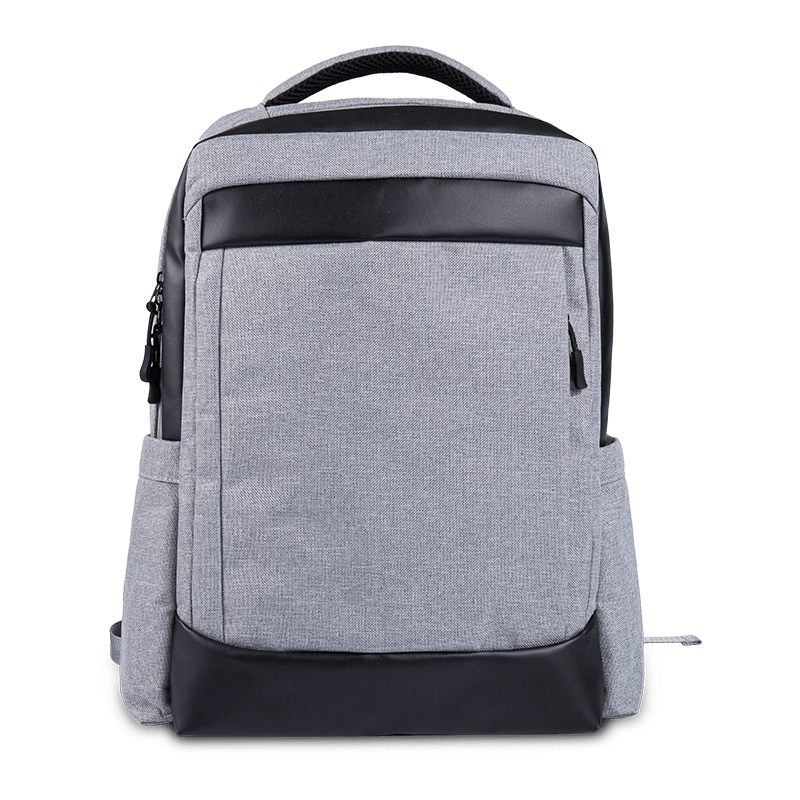
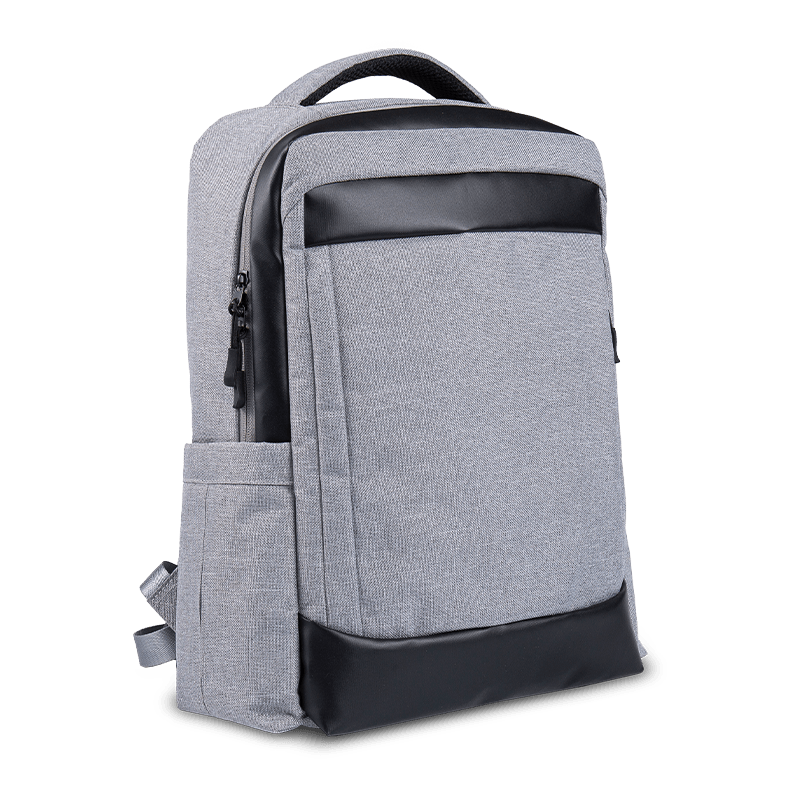
When buying, treat cleanability as a feature. Tight-weave 600D or higher polyester and nylon with a PU coating wipe clean easily, while loose weaves and uncoated cotton hold stains. Covered zippers keep grit out of the teeth, and dark solid colors hide daily grime far better than light prints. You can compare these constructions across our backpack collection before deciding.
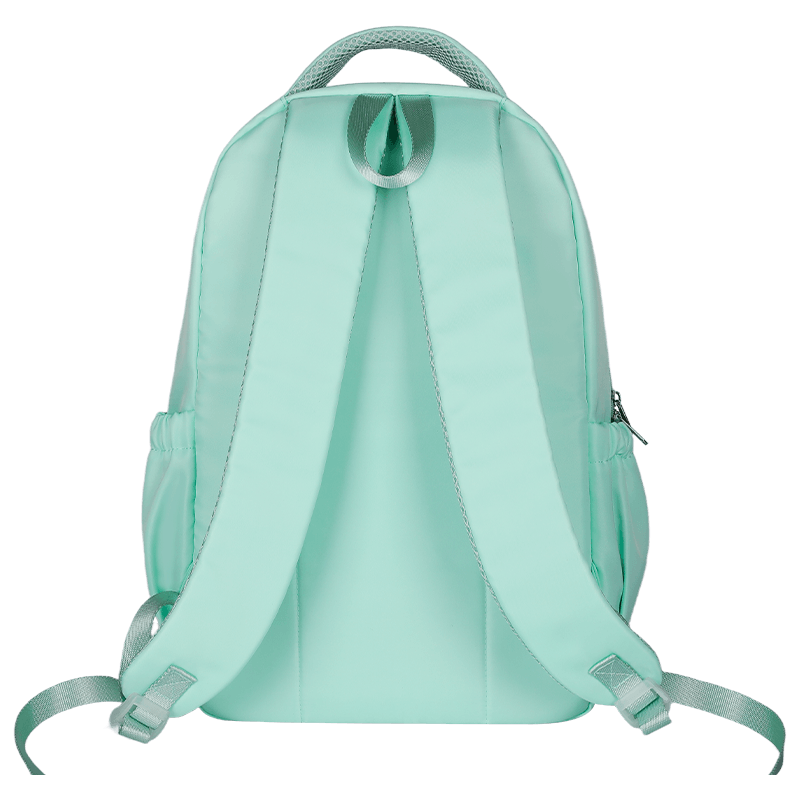 Waterproof Large-Capacity Oxford Backpack for StudentsThis Oxford-fabric, waterproof school backpack shows how coated, tight-woven construction keeps daily grime manageable, matching the cleanability criteria highlighted for everyday student use.View Product →
The Takeaway
Cleaning a backpack well comes down to four decisions: empty it fully, hand wash in lukewarm water with mild detergent, air dry slowly with the zippers open, and match every step to the material on the care label. Machine washing and dryers are the exceptions, not the rule, and they should only be considered for uncoated, electronics-free bags. From a manufacturing standpoint, cleanability is designed in long before a spill happens, in the choice of coatings, linings, and hardware, which is why easy-care construction remains a core part of how we build bags meant to travel well.