




 English
 Español
 عربى
عربىContent
Twenty-four PU leather totes come back from a wholesale order with grey scuff marks across the front panels and a chalky film around the top zipper. The buyer's question is always the same: can these be cleaned up and resold, or do they become a write-off?
The honest answer is that leather restoration is decided by material structure long before technique comes into it. A pigmented full-grain hide, a split-leather nubuck, a PU-coated synthetic, and a leather-trimmed nylon body each fail differently, and only some of those failures are reversible. Knowing which category you are holding saves money at both ends: it stops pointless repair bills, and it keeps a brand from selling a "restored" item that cracks again three weeks later.
The Material Sets the Limit of Restoration
Restoration can only work inside the structure a material still has. Genuine leather is a network of collagen fibers; while those fibers are intact, oils, pigments, and waxes can be worked back in and the surface rebuilt. Coated synthetic leather is a polymer film bonded to a knit or woven backing. Once that film cracks, peels, or separates from the backing, there is nothing left to feed, dye, or polish. The material has failed structurally, not cosmetically.
| Material | What restoration can realistically fix | Where it stops |
|---|---|---|
| Full-grain, vegetable-tanned | Dryness, light scuffs, faded color, water marks | Deep cuts, rot, mold in the fiber, burns |
| Pigmented top-grain | Scuffs and color loss in the finish coat, dryness | Wear through to the fiber; spot repairs show unless the panel is refinished |
| Split leather, suede, nubuck | Brushed-out marks, mild water stains, small matted areas | Oil stains, crushed or shiny nap, color that has bled into the fiber |
| PU-coated synthetic | Surface dirt, faint scuffs, a dry-looking coating | Cracking, peeling, backing show-through, anything needing re-dyeing |
| PVC-coated synthetic | Wiping clean, re-gluing lifted edges | Stiffening, yellowing, plasticizer migration |
| Woven textile with leather trim | Cleaning the textile, conditioning and softening the trim | Trim separated at the seam, trim hardened past flexibility |
A scuff on a pigmented top-grain panel is often a ten-minute job. A cracked PU panel is not a restoration job at all. If you source coated synthetic goods, it also pays to know how the coating behaves around water and stains before you promise customers anything, because the properties that resist spills are the same ones that limit refinishing: water and stain resistance of PU leather tote bags covers that trade-off in detail.
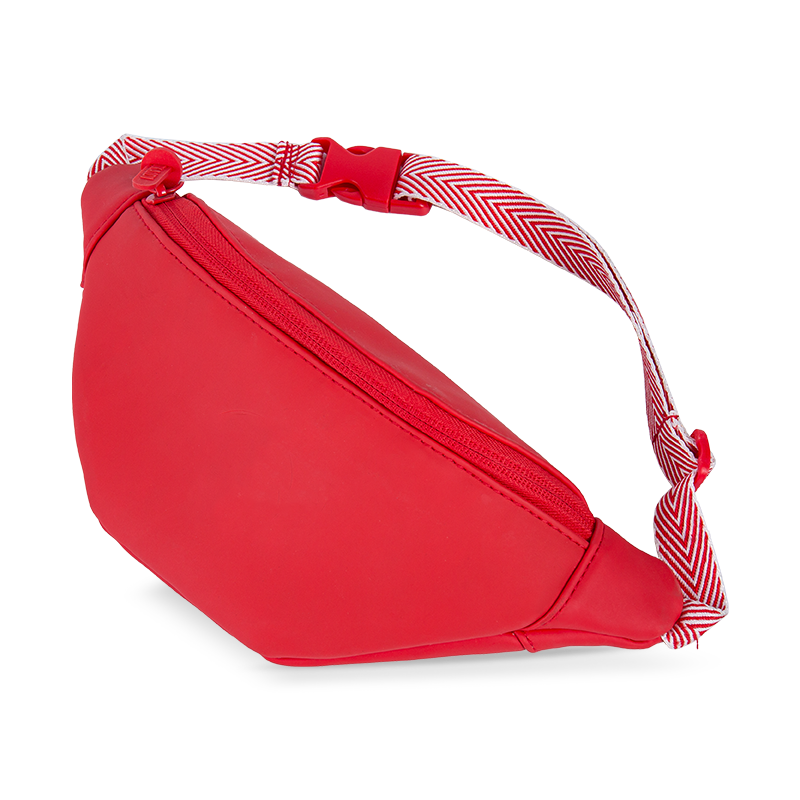
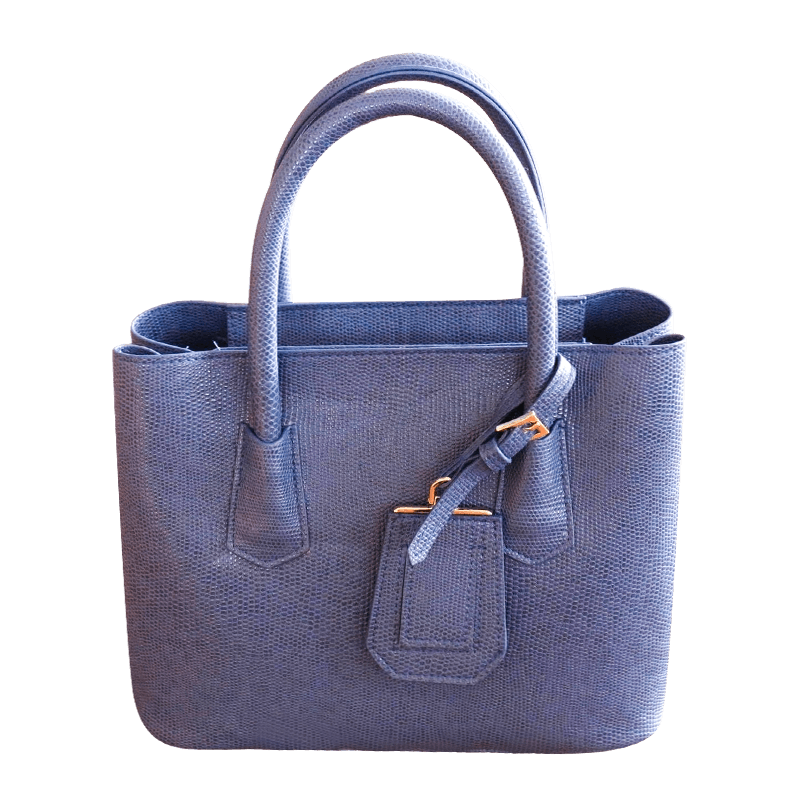 Women's Leather HandbagThis handbag features a vibrant red color that exudes confidence and style. It includes a safety closure mechanism with a decorative buckle to ensure the safety of you...View Product →
Five Checks Before You Pay for Restoration
Run these on one representative unit before committing a batch to a repair bench. If two or more checks fail, the items belong in a seconds or spare-parts channel, not a restoration program. The whole sequence takes about five minutes per item.
- Colorfastness rub. Wrap a white cotton cloth over your finger and rub the panel twenty times. Any transfer means the finish is already migrating, and cleaning will accelerate the loss.
- Crease and release. Bend the panel sharply at a wear point and let it go. Healthy pigmented coatings spring back; whitening along the crease or fine spider cracks signal that the coating is close to failure.
- Backing check. Inspect corners, zipper ends, and strap anchors. Knitted backing visible through a worn surface means any restoration will be a cosmetic patch.
- Edge and seam construction. Painted edges can be repainted and re-burnished. Folded and stitched edges hold up better in handling. Frayed piping is a construction failure, not a surface one.
- Hardware and stitching. Plating wear, sticking zippers, and broken stitch runs shorten how long any cosmetic work will last, no matter how good the finish looks on the bench.
Cleaning and Conditioning in the Correct Order
Most failed restorations fail on sequence rather than on products: conditioner worked over embedded grit, or water applied until the leather swelled and dried stiff. Follow this order instead.
- Remove dry grit first. Brush seams and corners with a soft brush, then vacuum on low suction. Abrasive dust is what turns a soft cloth into sandpaper.
- Clean with a diluted pH-neutral cleaner, roughly a few drops of mild soap in 500 ml of warm water. Work the foam with a cloth rather than pouring liquid onto the leather, and never soak a panel.
- Dry at room temperature, away from radiators and direct sun, for six to twelve hours. A hairdryer drives moisture out too fast and hardens the fiber.
- Condition in a thin, even coat, with a second light pass only if the leather still feels dry after the first has absorbed.
- Buff with a dry cloth after twenty to thirty minutes to lift excess product out of the grain.
- Apply a protective finish only after the item has rested for a full day, so trapped moisture does not sit under the coating.
Household substitutes cost more than they save. Olive oil, coconut oil, and petroleum jelly darken leather unevenly, attract dust, and can turn rancid inside stitching and linings. Silicone-heavy dressings leave a film that blocks later re-dyeing. On one personal item these risks are minor; across a production lot they produce color mismatch between units that no customer accepts.
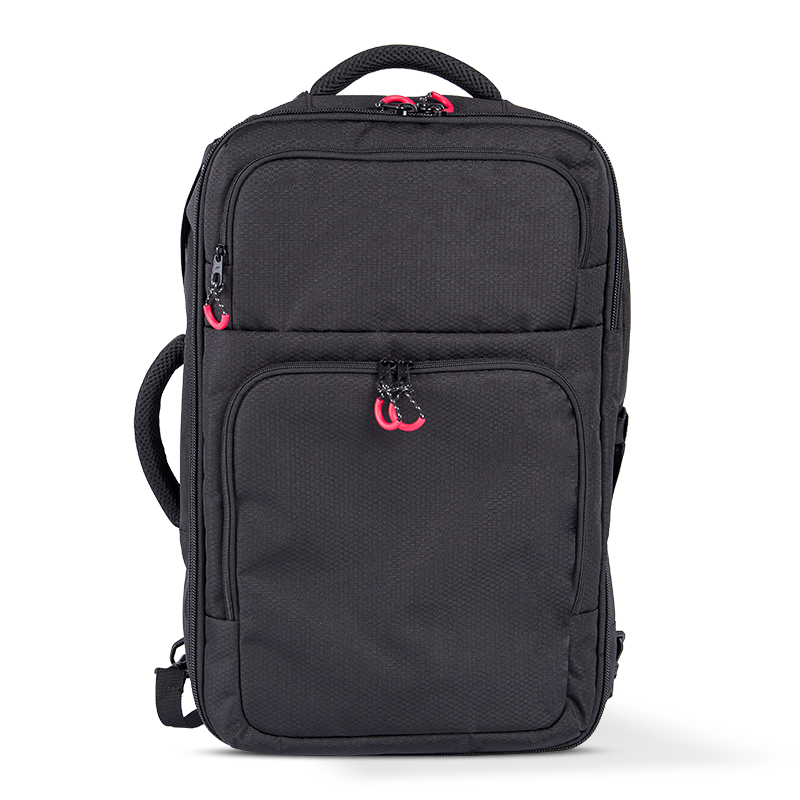
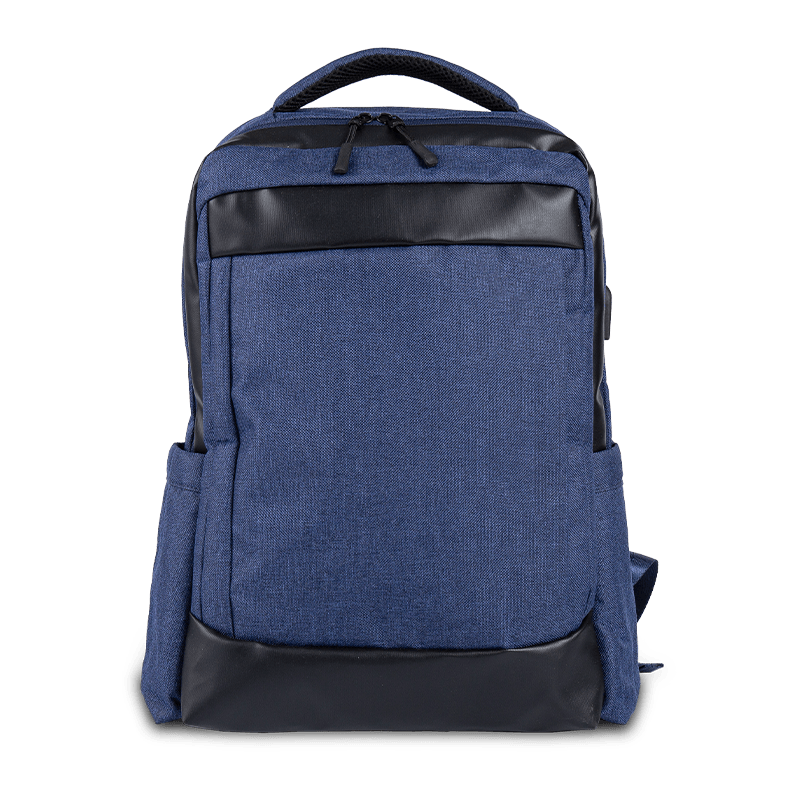
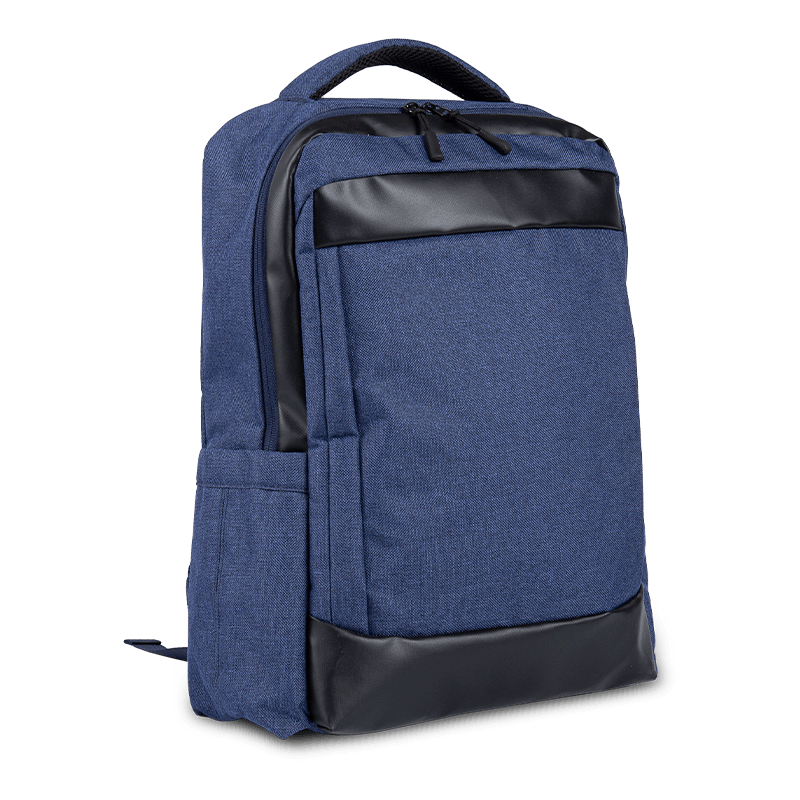
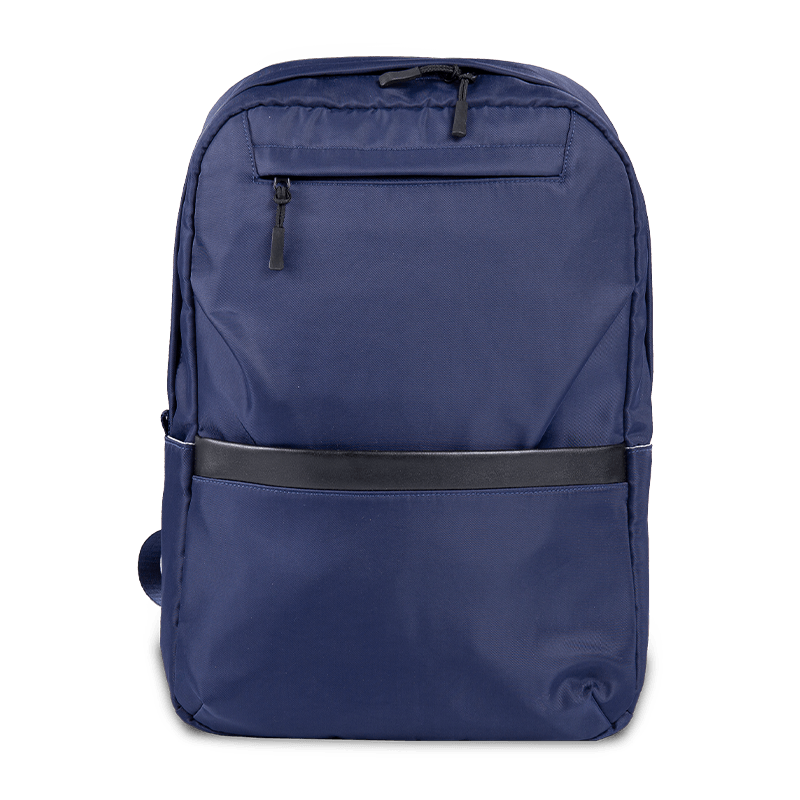
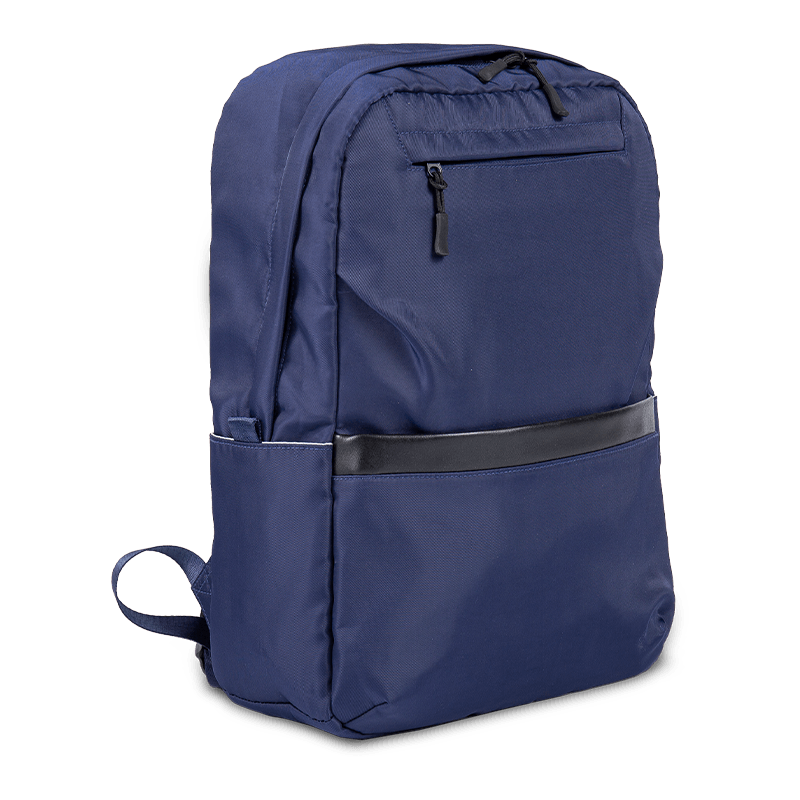
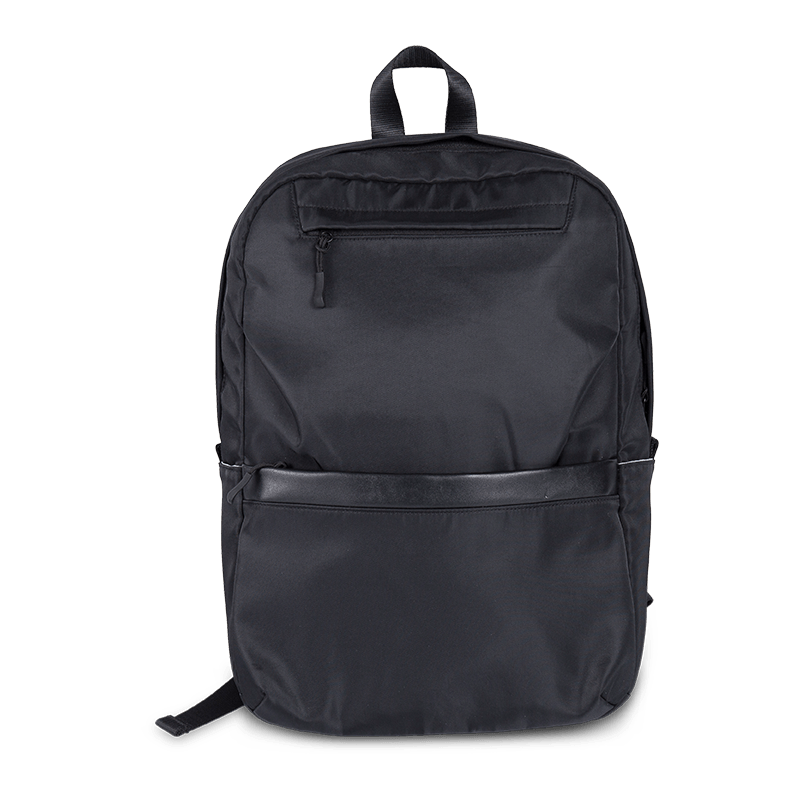
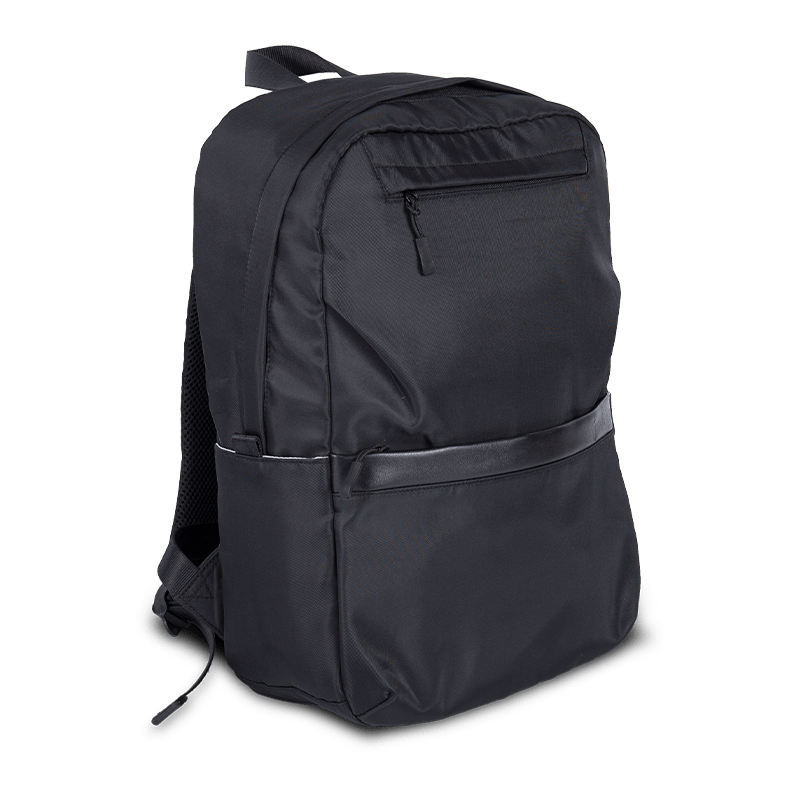
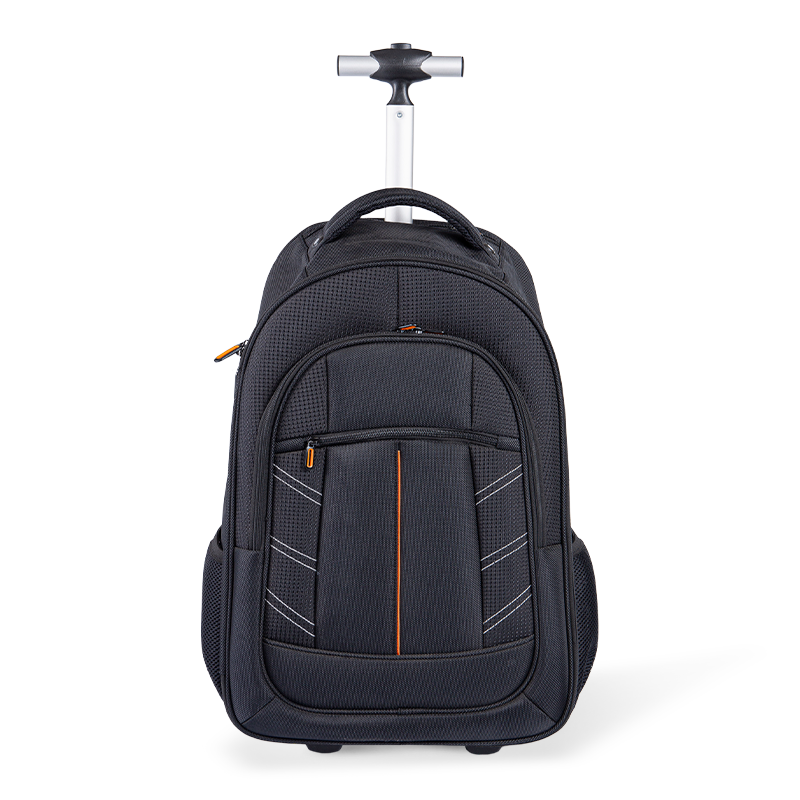
 Fashionable leather backpack, multifunctional business backpack, high-quality leather travIndividual packaging size: 47X37X13 cm Gross weight of a single product: 1.700 KG Color options: Various leather colors Function: Backpack, laptop bag, multifunctional...View Product →
Repairs That Hold and Repairs That Do Not
Field experience separates leather repair into a short list of reliable outcomes and a longer list of false hopes.
- Light scratches on pigmented leather hold well when you warm the surface slightly and buff with a matched cream.
- Color loss on corners holds better when you blend a larger area than the damage, rather than touching up a single spot.
- Water stains usually respond to re-wetting the whole panel evenly and drying it slowly; localized scrubbing spreads the tide marks.
- Cracked PU coatings do not hold. Filler sits on a moving film and lifts within weeks.
- Deep cuts, torn seams, and mold that has entered the fiber belong with a professional leatherworker or in the write-off column.
One category deserves its own note: distressed and pull-up finishes, where surface marks are part of the intended look. Restoration here means feeding and protecting the leather, not sanding or re-pigmenting it, because refinishing flattens the very character buyers paid for. A vintage-style distressed goat leather handbag is a good example of a surface where conditioning alone is the correct treatment.
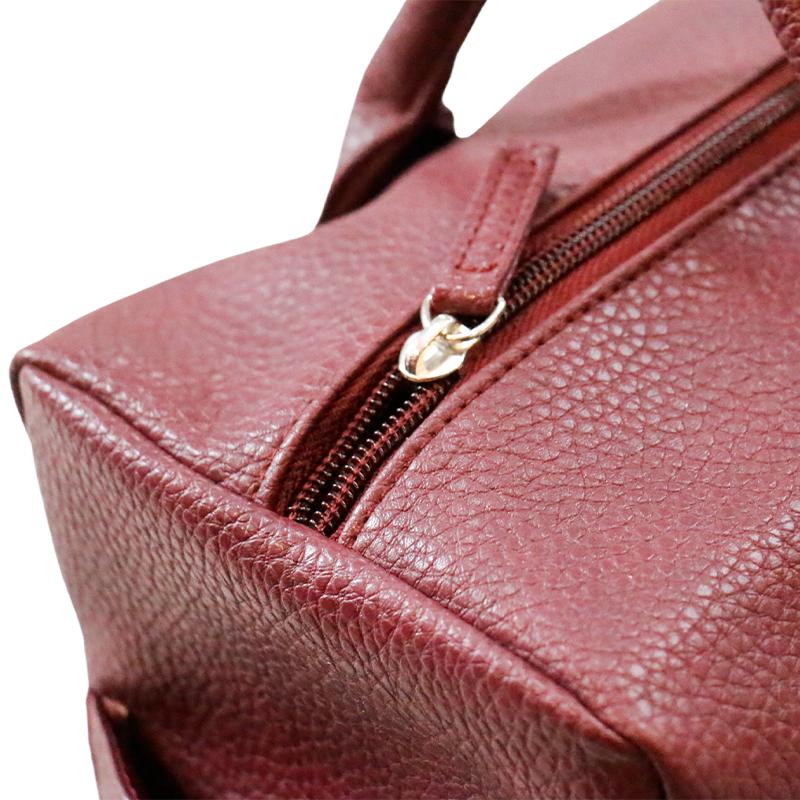 European and American Fashion Envelope Bag – Vintage Distressed Goat Leather HandbagMaterial: Leather Carrying Style: Single shoulder, handheld Shape: Horizontal rectangular Texture: Goat leather Pattern: Solid color Color Options: Black, Dark brown D...View Product →
Specifying Bags That Can Be Restored Instead of Replaced
For brand owners and importers, the cheapest restoration is the one designed in at sampling stage. A bag that can be refinished or locally repaired extends its selling life and reduces returns, and those advantages are decided by specification, not by marketing.
Design choices that keep a bag repairable
- Edge finishing that can be redone, such as painted and burnished edges rather than glued-on edge paint that peels in one piece.
- Replaceable components: detachable straps, standard-size zipper pulls, and screw-fixed or push-fit luggage wheels that a repair shop can source.
- Hardware in standard colors and finishes, so replacement parts match across a product family and across reorders.
- Leather trim on textile bodies kept to a thickness that can be conditioned and softened, not a stiff laminated strip.
What to write into the purchase order
- Rub fastness at grade 4 or better, tested on the finished panel rather than on raw material.
- Coating flexibility after cold bending, which matters for markets with freezing winters.
- Material identity stated precisely: backing type, coating thickness, and whether the trim is split leather or coated synthetic.
- A care card in the box, in the destination language, covering cleaning frequency, conditioning interval, and storage.
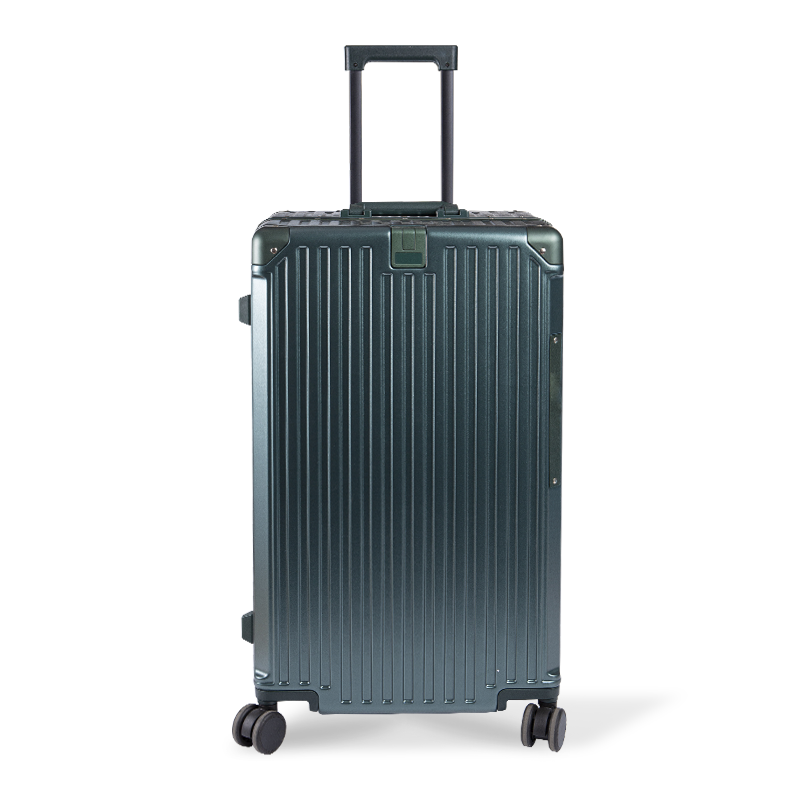
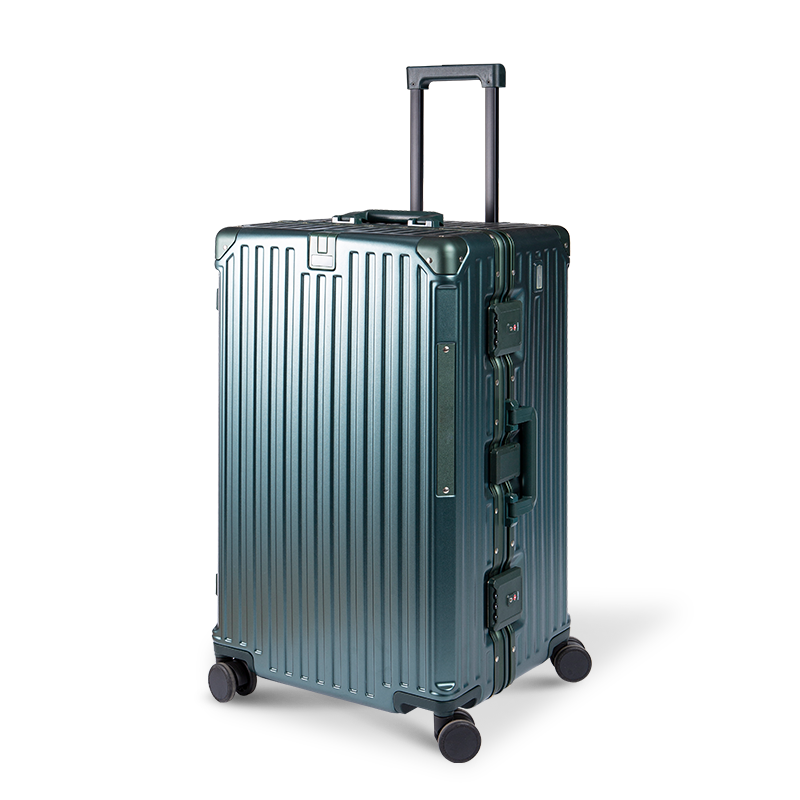
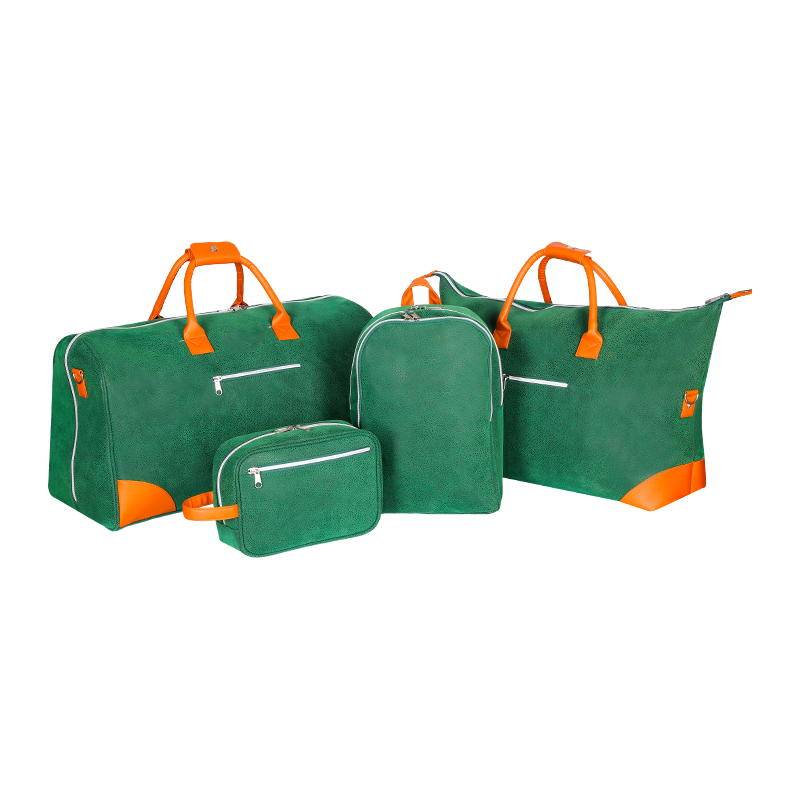
These details are easier to control with a manufacturer that runs its own production floor than with a trading intermediary working through third-party workshops. You can review the full bag and luggage range of a factory that has been building cases, backpacks, and leather-trimmed goods since 1999 to see how trim, hardware, and edge finishing are combined in practice.
Storage Between Restorations
Storage habits decide how often restoration is needed at all. Three months in a hot, dry loft will undo a careful conditioning job faster than a year of moderate use.
- Stuff bags and cases with acid-free tissue or a shaped insert so panels hold their form and creases do not set.
- Use a breathable cotton dust bag, never a sealed plastic bag, which traps moisture and encourages mold.
- Keep relative humidity roughly between 45 and 55 percent, away from radiators, car trunks, and direct sun.
- Hang or shelve items so straps and handles carry no load and do not press against hardware.
- Condition leather goods lightly every three to six months; coated synthetic goods need wiping, not oiling.
Restoration is worth budgeting for on the right material and a waste of money on the wrong one. Check the material class first, test on one unit before you clean a batch, keep the sequence simple, and treat care instructions as part of the product rather than an afterthought. Buyers who specify edge finishing, hardware standards, and material identity in writing spend far less time asking whether a bag can be saved, because fewer of them need saving.