



 English
 Español
 عربى
عربىContent
Picture this: it is 8:15 a.m., you have a 15-inch laptop in one hand, a to-go coffee in the other, and your backpack is already straining under the weight of a textbook, a folder, a charger, and a rain jacket. The walk from the parking lot to your first class is twenty minutes. By the time you sit down, your shoulders ache and your laptop has slid sideways against a water bottle. This is the reality of campus life, and it is exactly why choosing the best college backpack is less about brand names and more about how well a bag matches your daily load.
Here is the short version: the best college backpack is one that keeps weight close to your spine, protects a laptop up to your screen size, survives at least two years of daily use, and stays organized without turning into a black hole. Wheeled backpacks deserve a serious look if you carry heavy textbooks or commute long distances, but classic dual-strap bags remain the smart default for most students. No single style wins across every situation, so the right choice depends on how you move through your day.
What Actually Makes a Backpack Right for College?
College bags get pulled in more directions than any other backpack category. They need to handle a laptop, notebooks, small electronics, snacks, maybe a change of clothes for the gym, and occasionally a few days’ worth of travel. Before comparing styles, it helps to rank the features that matter most for campus life.
| Priority | Why It Matters | What to Check |
|---|---|---|
| Weight distribution | Heavy loads on one strap or low on the back cause shoulder and lower-back strain. | Padded, contoured shoulder straps; a sternum strap; a lightweight frame sheet. |
| Laptop protection | A dropped bag can crack a screen or dent a corner. | A suspended or padded sleeve sized for your screen (13, 15, or 16 inches). |
| Durability | Daily zips, curb drops, and rain exposure add up fast. | Reinforced stitching, YKK-style zippers, water-resistant fabric like nylon or Oxford. |
| Organization | You do not want to dig for a pen or charger between classes. | A front compartment with dividers, a key clip, and at least one secure pocket. |
| Weather resistance | Rainy campus days should not soak your notes or electronics. | A water-repellent coating, a rain cover, or a waterproof main material. |
Capacity is the easiest way to eliminate options. A 20-liter bag is enough for a tablet, notebooks, and a light jacket. A 25-liter bag handles a 15-inch laptop and a lunch container. A 30-liter bag approaches the edge of comfort when loaded to full, so only choose it if you genuinely need the extra space.
If you are new to backpack specifications, this process can feel overwhelming at first. Our complete backpack buying guide walks through every measurement and material term in plain language, so you can compare options with confidence.
Traditional Backpacks vs. Wheeled Backpacks vs. Hybrids
Once the basic criteria are clear, the biggest decision is whether you want a classic backpack you carry on both shoulders or a rolling model you pull behind you. Each type has a clear place on campus, and a hybrid design can serve both roles.
Classic Dual-Strap Backpacks
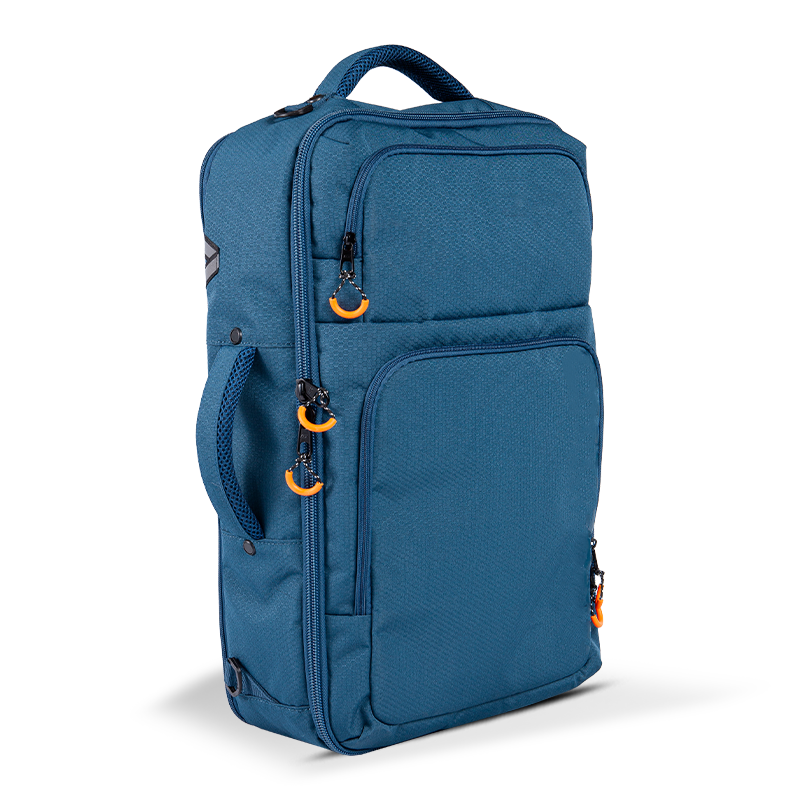
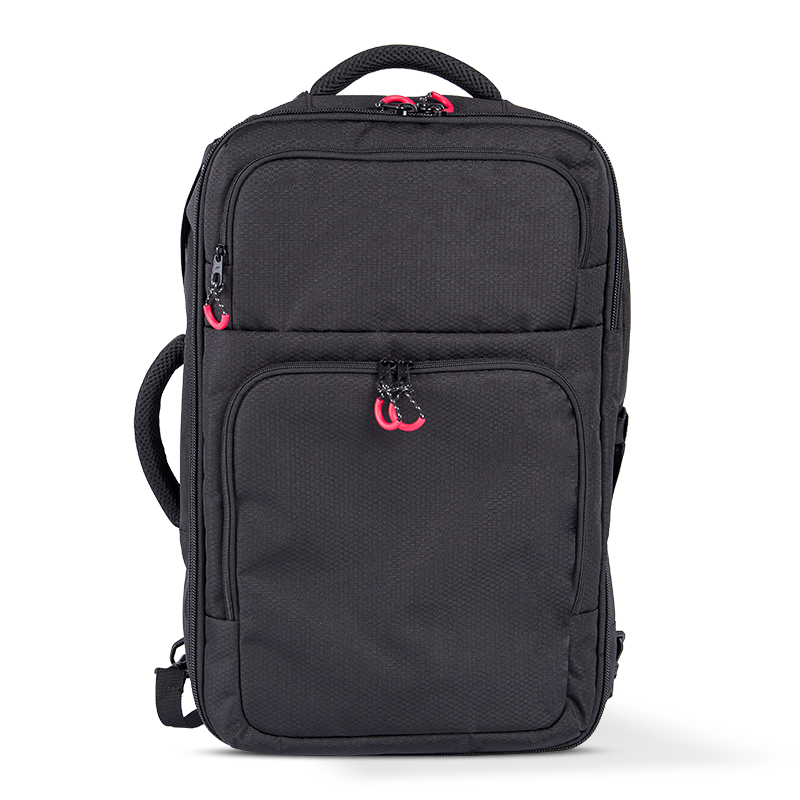
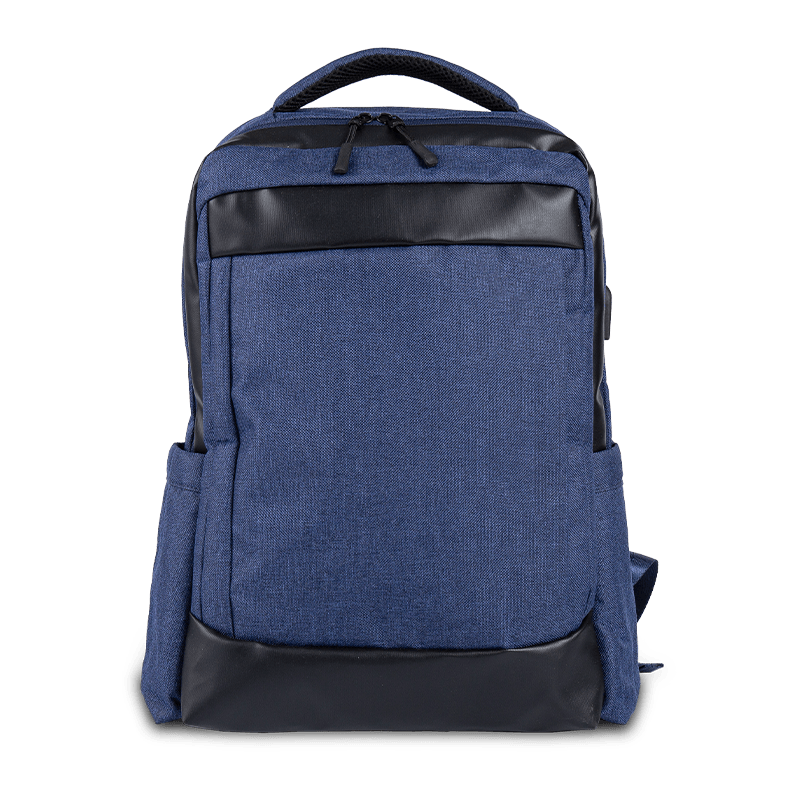
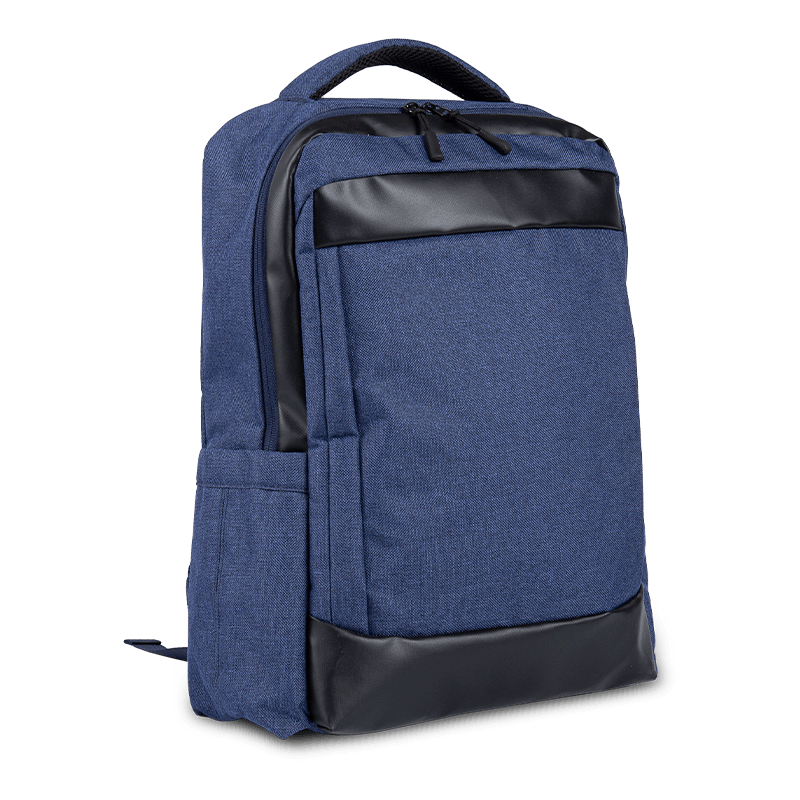
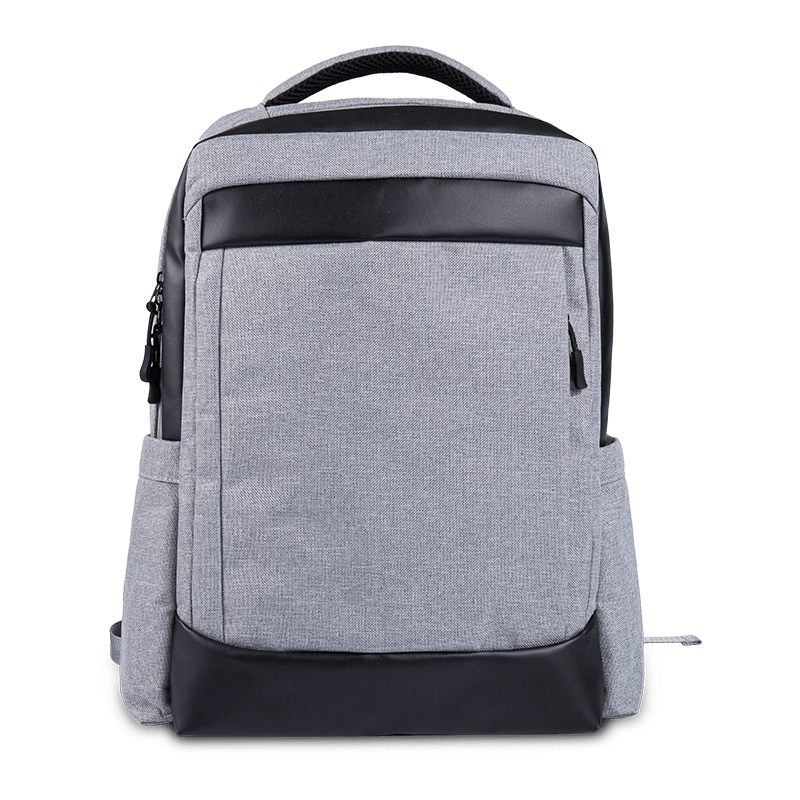
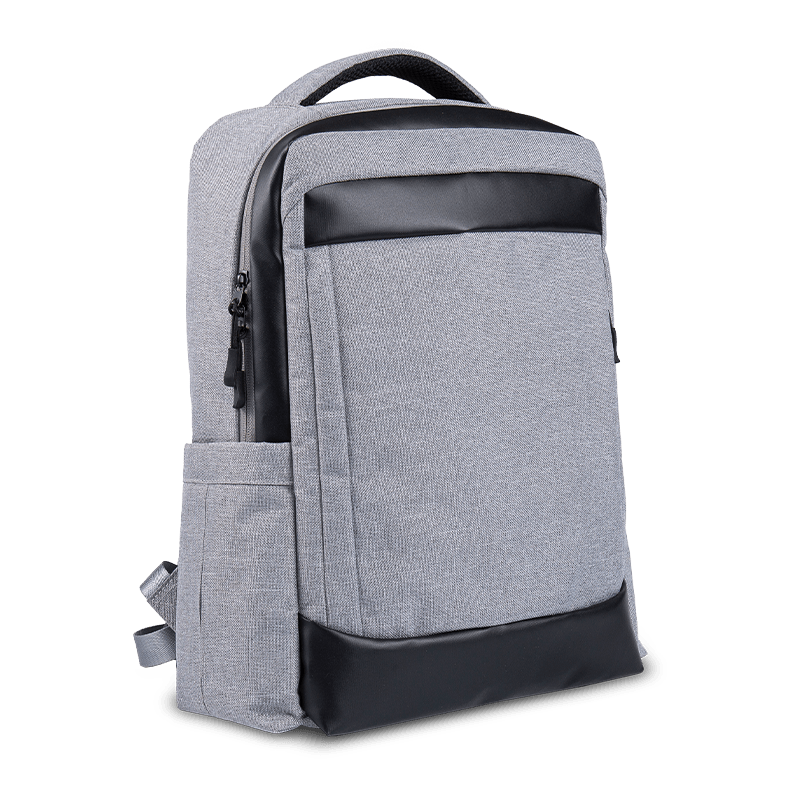
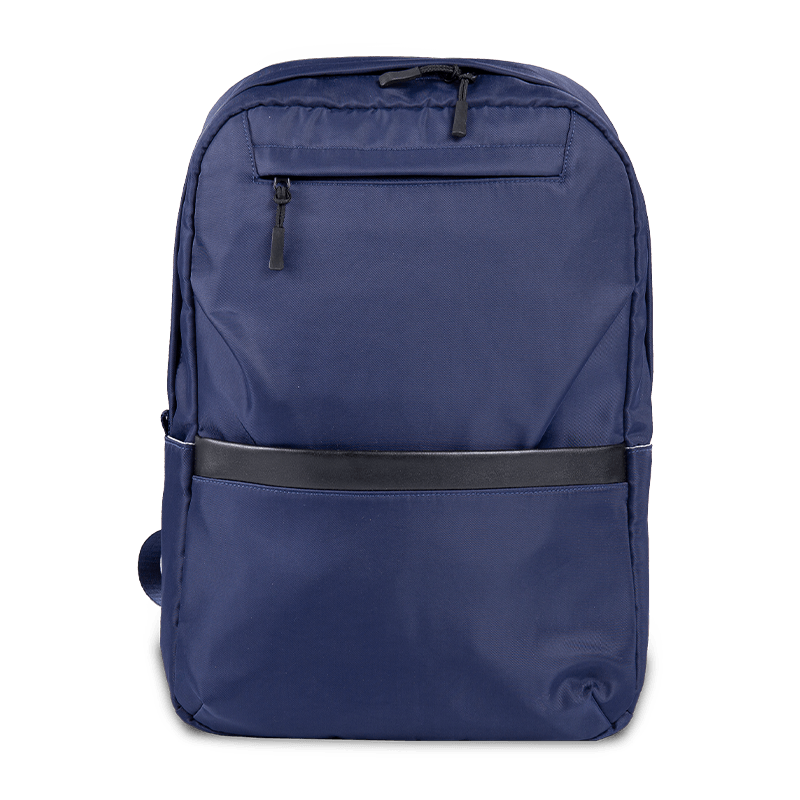
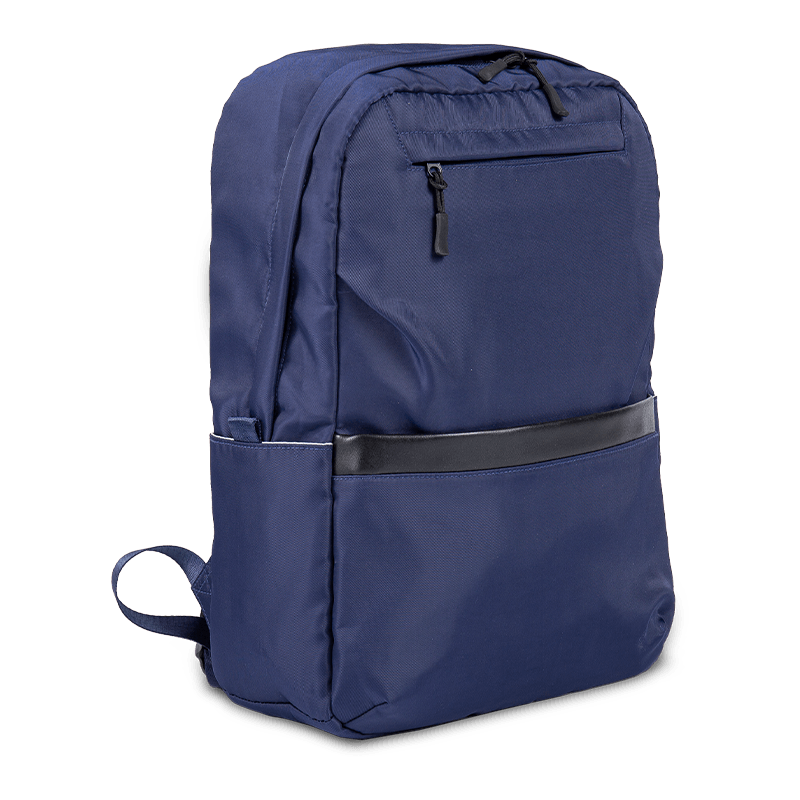
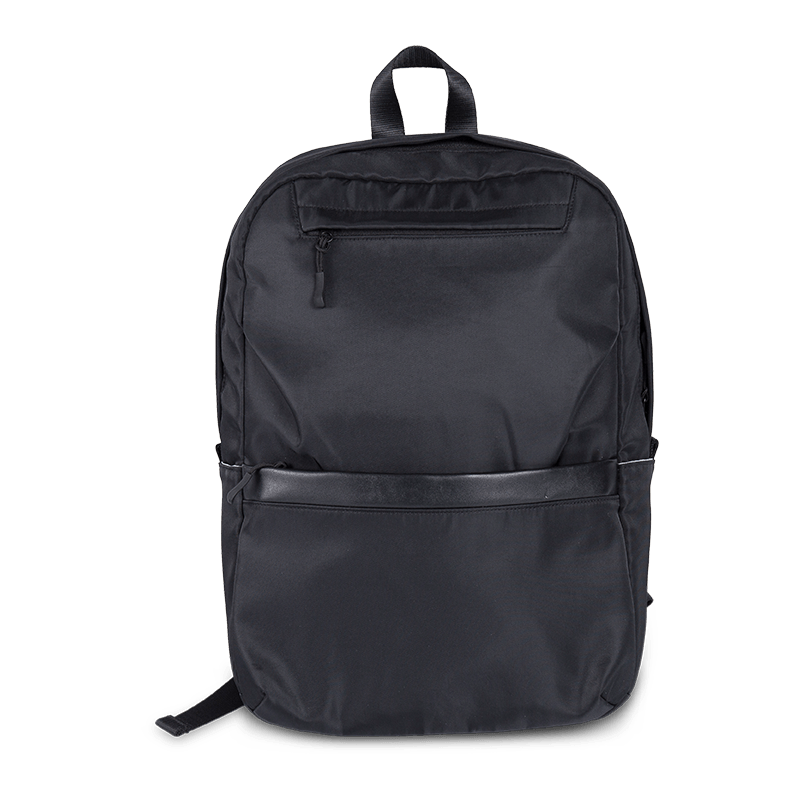
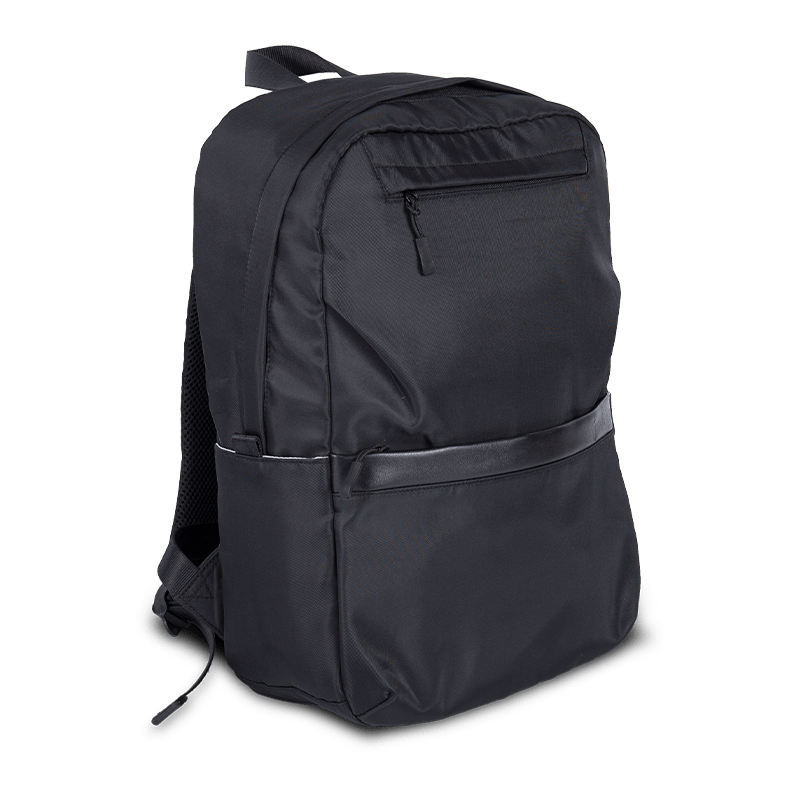
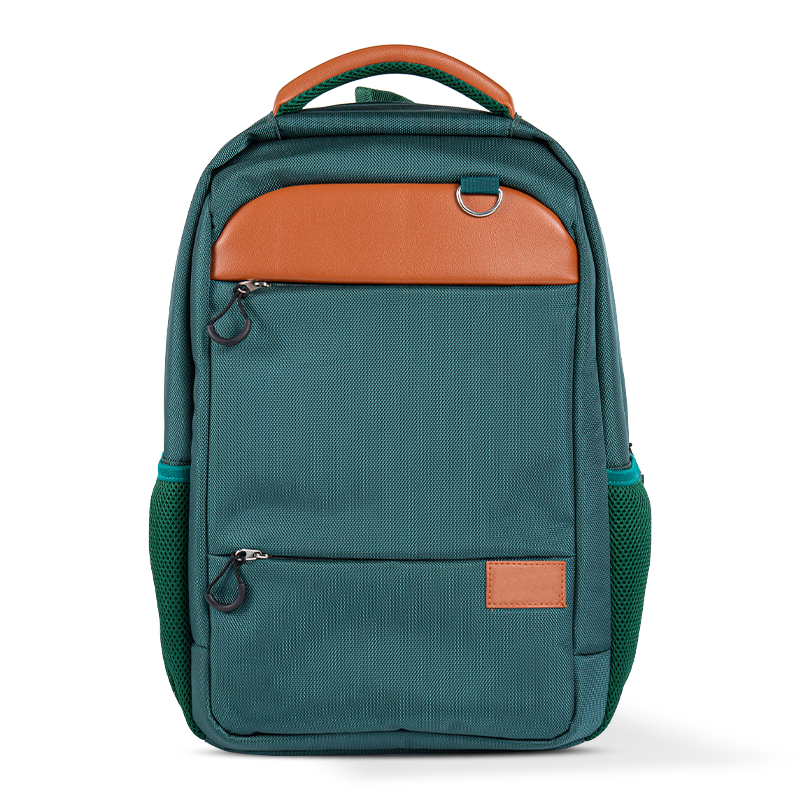
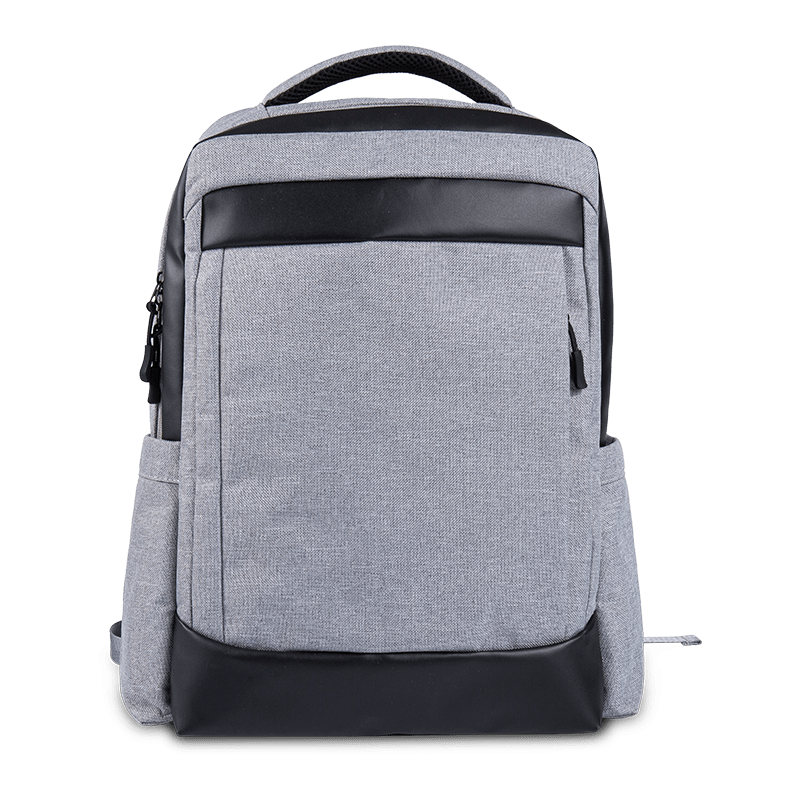
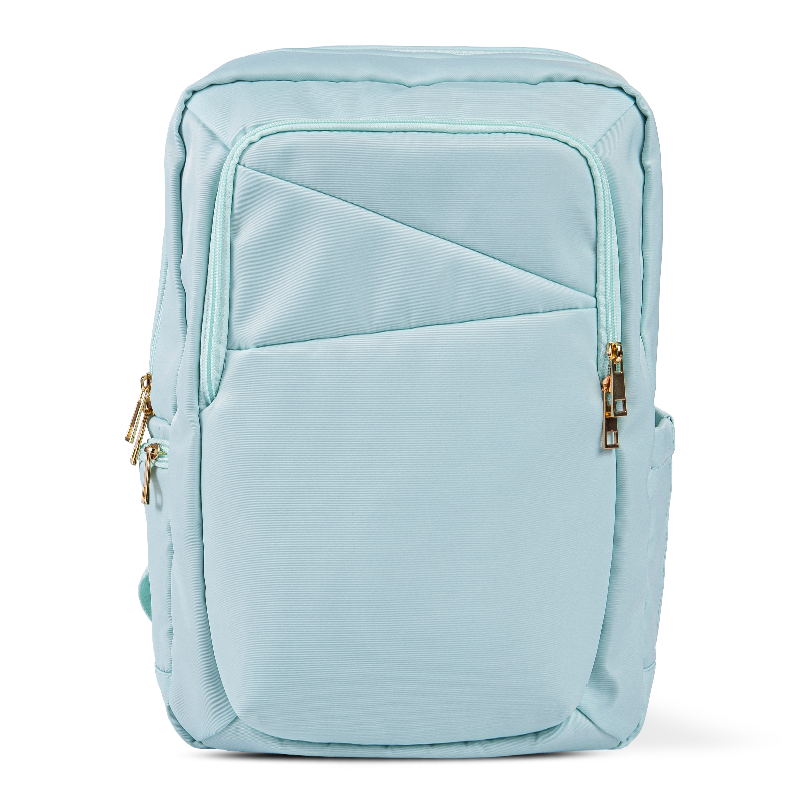
For most students, a well-made traditional backpack is still the best all-rounder. It moves with you through crowded hallways, fits under lecture seats, and keeps your hands free for laptops and coffee. Look for a bag with a padded back panel that allows some airflow; this small feature makes a difference in warmer months. A 20 to 30-liter capacity covers a full day of classes without encouraging you to carry unnecessary weight. In our experience, a bag with a dedicated laptop compartment and a separate quick-access pocket for chargers, keys, and snacks is the most practical setup.
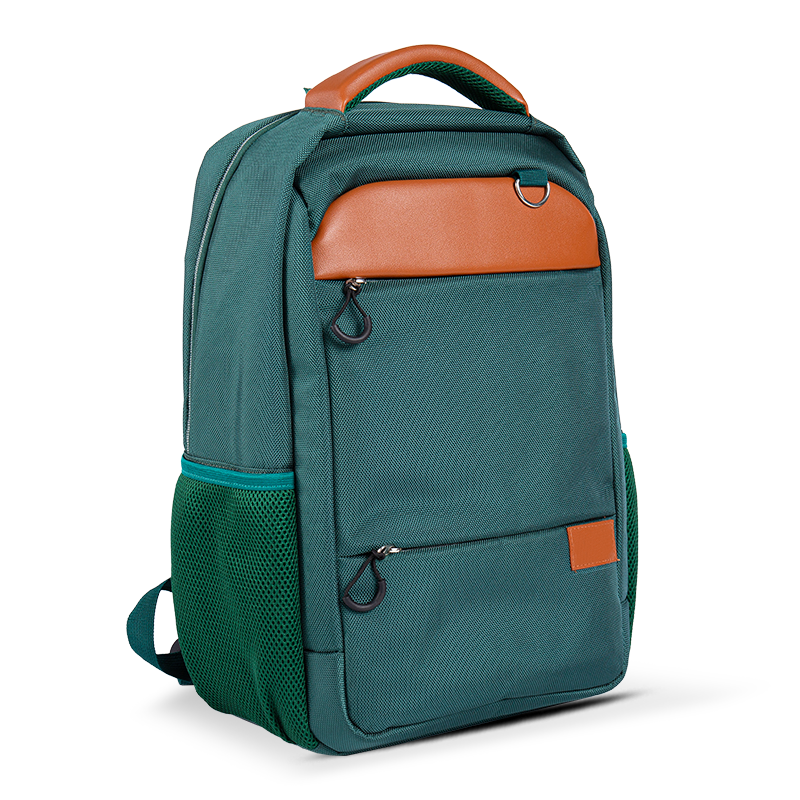
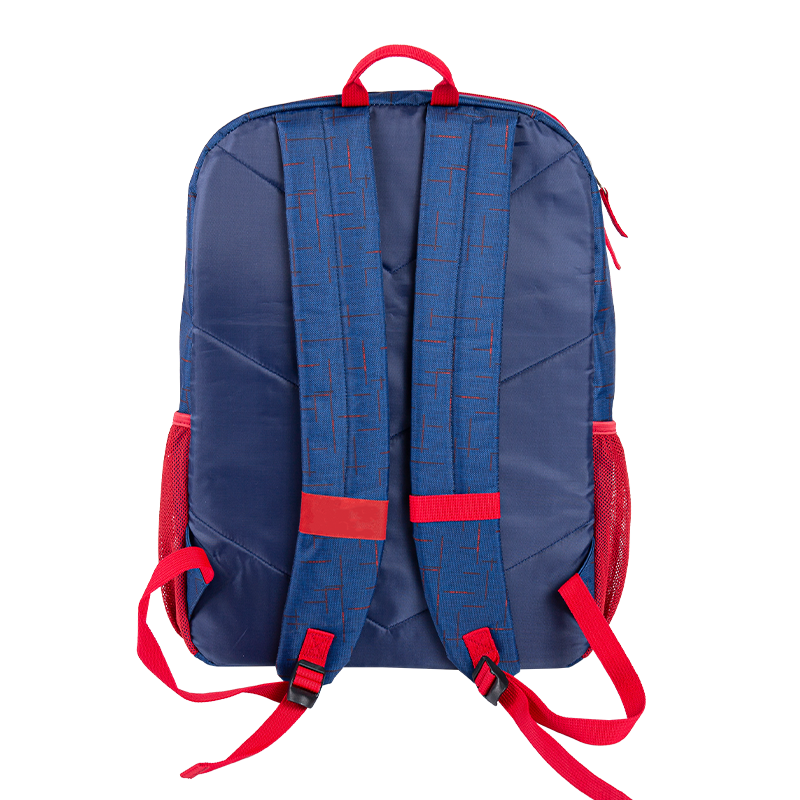 Academy Style Fashion Teen SchoolbagMaterial: Polyester Dimensions: 17.5" x 13" x 10" / 43cm x 33cm x 25cm Capacity: 34L Weight: 0.6KGView Product →
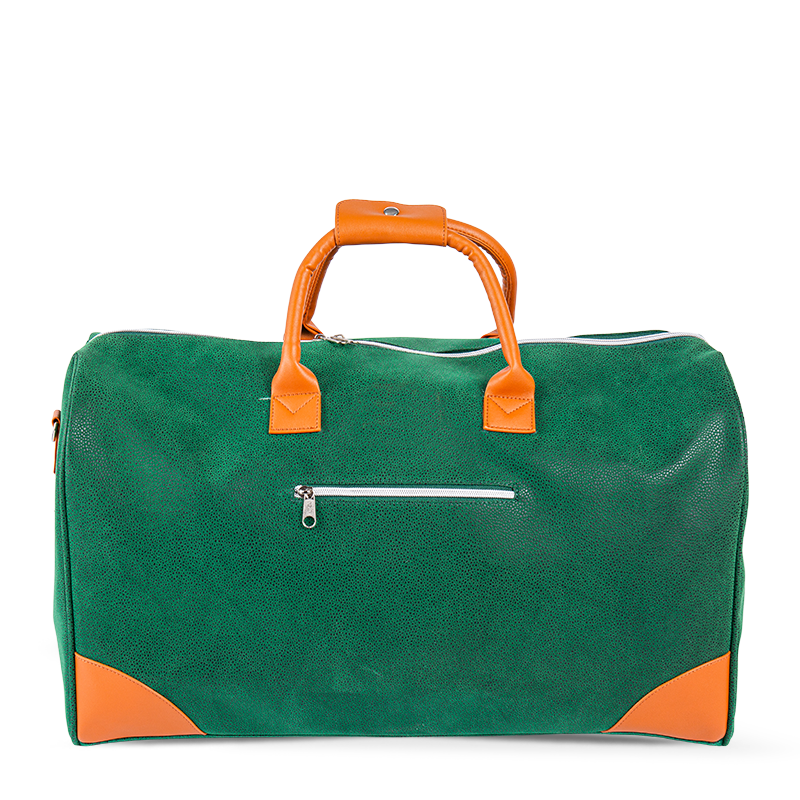
That style of bag also travels well for short trips. If you are considering something slightly larger, our travel backpack category offers options with expandable sections and side compression straps that keep the load stable.
Wheeled Backpacks
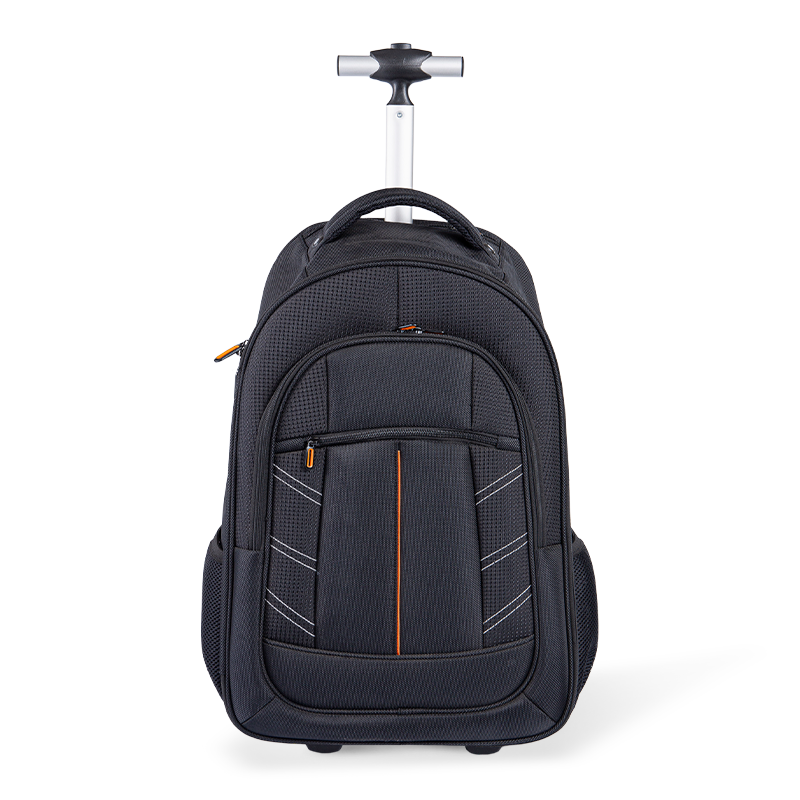
Wheeled backpacks are the underrated option for college, especially for students who haul compact textbooks, lab equipment, or art supplies. When the loaded weight passes ten kilograms, rolling the bag across a smooth campus plaza is noticeably easier on your shoulders. The trade-off is that wheels add weight and reduce usable space, and pulling a bag across grass or up several flights of stairs gets old quickly. For commuter students who drive or take public transit, however, a wheeled hybrid that also has functional backpack straps gives you the best of both worlds.
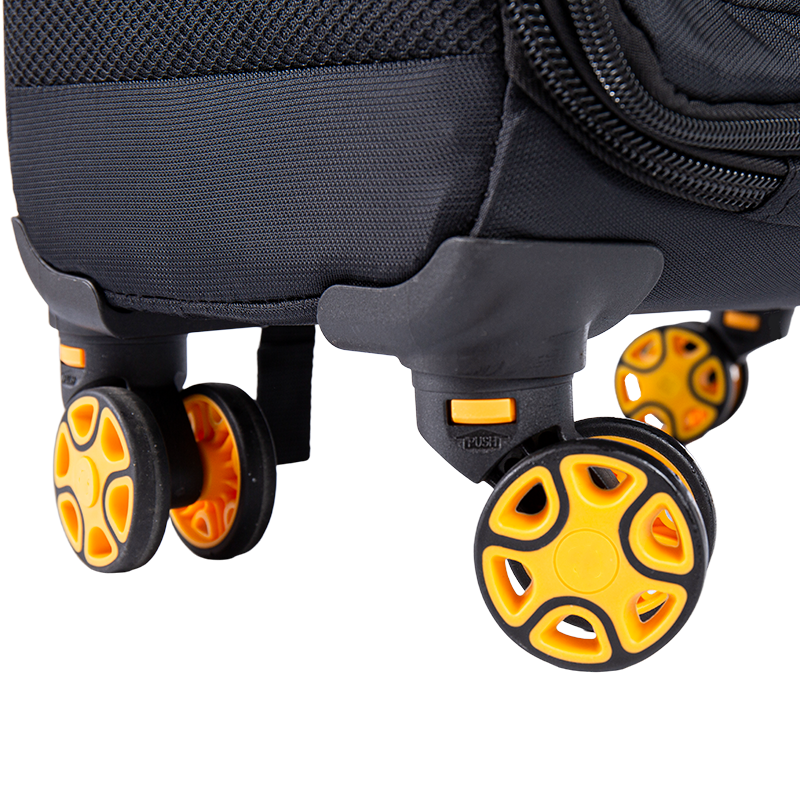 18-inch Rolling Backpack and 22-inch Waterproof Large Capacity Dual-Use Rolling SuitcaseSize Information (excluding wheels and handle): 18-inch: 45*32*18cm, 2.5kg, 26L (Suitable for budget airline carry-on) 22-inch: 55*37*21cm, 3kg, 48L (Airline check-in ...View Product →
If your schedule involves both long indoor walks and occasional travel, this type combines a school load with a carry-on-sized suitcase in one piece. It is also a smart choice for students who live in apartments without elevators, because you can carry it upstairs and roll it outside.
Features Ranked by Real Campus Use
After the basic style decision, focus on the small features that make you more productive. These are the details we see students appreciate most after a full semester of use.
- A suspended laptop sleeve that holds the laptop off the bottom of the bag, so dropping the pack does not transfer the full impact to your computer.
- Side pockets that are deep enough to hold a water bottle or umbrella without falling out.
- A front organizer panel with dedicated slots for pens, a calculator, small cables, and a phone.
- Hidden or anti-theft pockets on the back panel for a wallet or passport when you travel.
- Reflective detailing or bright interior lining, which helps when you pull out items in low light.
- A trolley pass-through strap if you also use a rolling suitcase for travel.
One often-missed detail is the size of the opening. A wide-opening design lets you see everything in the bag without digging, while a narrow top-loader forces you to unload half the contents to find small items. For campus use, prioritize a wide-opening style or at least a U-shaped zipper that opens the main compartment fully.
Do not overpay for extras you will not use. A built-in USB cable is convenient, but it only works if you already carry a power bank, and the added wiring does nothing for weight savings or structural durability.
Choosing by Your Major, Commute, and Extracurriculars
Your daily routine should narrow down the final choice. The best backpack for an engineering student who carries tools and a tablet is different from the best backpack for a business major who commutes by train. Let the way you actually move decide the features you need.
Engineering, Art, and Technical Students
If you carry drafting tools, a tablet, compact tools, or a camera, look for a bag with a large main compartment and few restrictive dividers. A padded base protects equipment when you set the bag down on workshop floors, and side handles make it easier to lift in and out of lockers.
Commuters and Public Transit Riders
Water resistance, a quick-access pocket for transit passes, and comfortable shoulder straps are non-negotiable for commuters. A wheeled backpack is worth the extra weight if the last stretch of your commute is on smooth pavement. If you walk uphill or use stairs, keep the total weight reasonable and rely on a sternum strap to spread the load.
Residence Hall Students
Living on campus means you do not need to carry everything every day. A 20-25 liter backpack plus a separate tote for laundry or groceries is usually enough. Students in dorms also benefit from a bag that stands upright on its own, because shared floors are not always clean and you will be loading and unloading it frequently.
Students Who Travel on Weekends
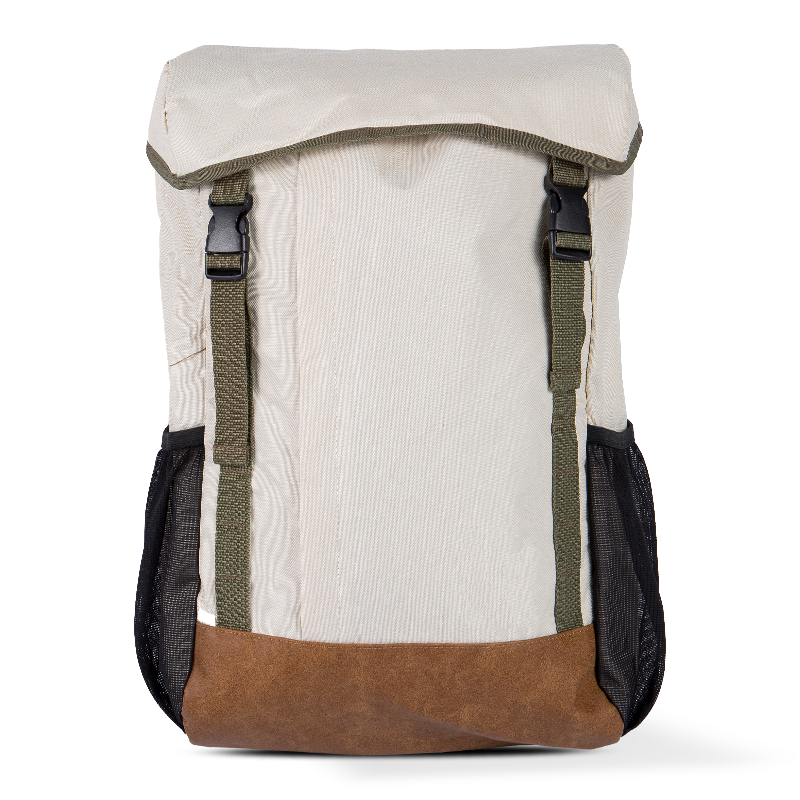
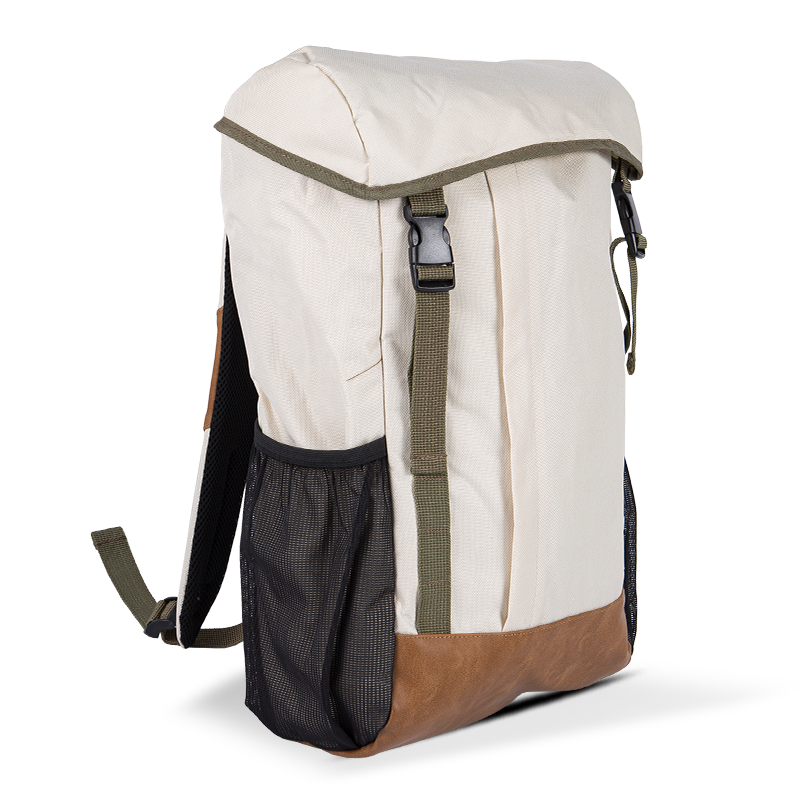
If you go home every few weekends or take campus trips, a backpack with an expandable main section and compression straps becomes more valuable. That same 30-liter bag can shrink down for daily use and expand for a weekend load. For outdoor-oriented students, a weatherproof roll-top or a hiking-friendly pack with a rain cover is a safer bet when weather changes quickly.
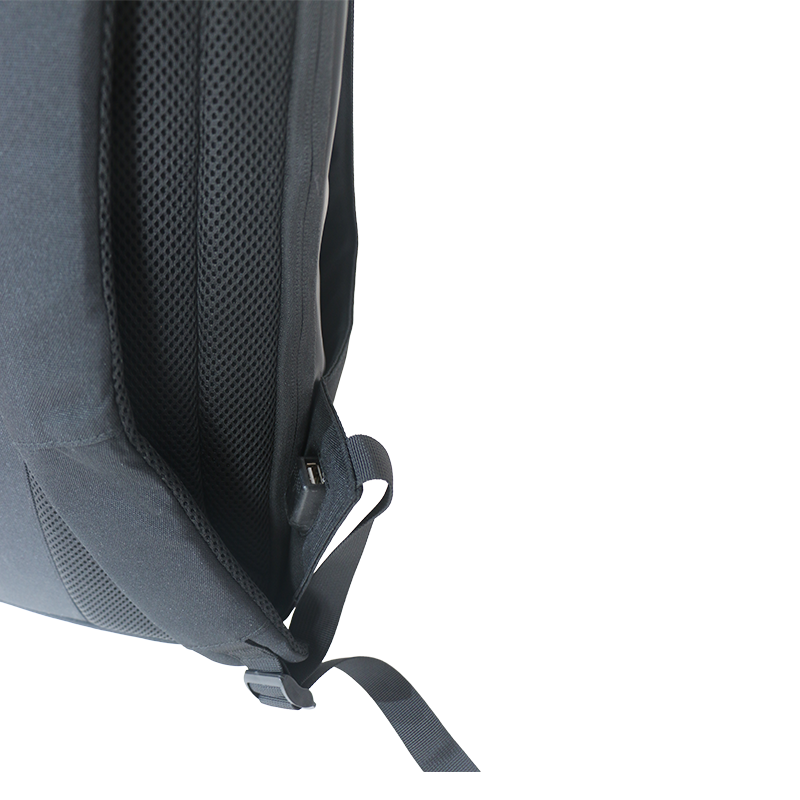 Customized logo eco-friendly backpack waterproof deep green RPET material USB charging lapApplicable gender: unisex Main material: Polyester Style: Fashion Featured features: USB, anti-theft, waterproof, eco-friendly Type: Soft Back Pattern type: Solid colo...View Product →
This particular type also adds recycled material content, which is a meaningful consideration for students who want a lower environmental footprint without sacrificing the usual pockets and laptop protection.
How to Protect Your Back and Your Gear
A great backpack still needs smart packing. The heaviest items, like books and the laptop, belong closest to your back and between your shoulder blades. Lighter items go forward, and sharp objects should be wrapped so they do not poke into the main compartment. Adjust the shoulder straps so the bag sits high on your back rather than sagging toward your hips. If your bag has a compression strap, use it to keep the load from shifting while you walk.
For gear protection, keep zippers closed when crossing crowded areas, and store the bag in a dry place if it gets soaked. Water-resistant fabric handles mist, but a synthetic backpack left in heavy rain will eventually let moisture through zippers. When you do not use the bag for a long stretch, empty it completely and store it in a cool, dry place so the lining does not develop mold.
It also helps to rotate the contents once a week. Remove old receipts, empty crumb-producing food wrappers, and check that the laptop sleeve stays dry. Small maintenance habits like these are what make a mid-priced backpack last several semesters longer than you expected.
The Final Takeaway
The best college backpack is the one that disappears into your routine, meaning you do not think about it during the day because it carries your stuff comfortably enough not to distract you. A 20-30 liter dual-strap model with a padded laptop sleeve and organized front pocket is the safest recommendation for a first or second-year student. If you consistently carry heavy loads or commute long distances, seriously consider a wheeled hybrid. And if weekend trips are part of your plan, choose a bag with expandable capacity and weather protection.
Used properly, one good backpack lasts you through all four years. That is why the extra minutes spent checking measurements and materials are worth it. For a complete look at the styles we produce, visit our backpack catalog and compare capacities, fabrics, and suspension systems side by side.