


 English
 Español
 عربى
عربىContent
- 1 What Nylon Is, and Where It Came From
- 2 How Nylon Fiber Is Made
- 3 The Properties That Matter for Bags
- 4 Nylon vs. Polyester: A Practical Comparison
- 5 Reading the Specs: Denier, Ripstop, and Coatings
- 6 Where Nylon Earns Its Place in Real Bags
- 7 Caring for Nylon So It Lasts for Years
- 8 Is Nylon Sustainable?
Nylon is a family of synthetic polymers, known technically as polyamides, and it has been in commercial production since the late 1930s. It remains one of the strongest fibers available per gram of weight, which is exactly why it dominates the parts of a bag that take punishment: backpack shells, luggage panels, straps, and linings that must survive years of abrasion. If you have ever carried a backpack that shrugged off a decade of commuting, or folded a suitcase flat into a closet between trips, you have been relying on nylon. This article explains what nylon is, how it is made, where it beats polyester, and which specifications actually matter when you are choosing or sourcing bags made from it.
What Nylon Is, and Where It Came From
Nylon belongs to the polyamide family: long molecular chains joined by amide bonds. A DuPont research team led by Wallace Carothers first synthesized it in 1935, and it reached consumers in 1938 as toothbrush bristles before becoming famous in stockings in 1940. Because nylon could replace silk, wartime demand soon pulled it into parachutes, rope, and vests, and those demanding applications built the fiber's reputation for strength.
Two versions dominate textiles: Nylon 6 and Nylon 66. The numbers refer to carbon atoms in each molecular building block. Nylon 66 melts at roughly 260 degrees Celsius and is slightly stiffer; Nylon 6 melts around 220 degrees Celsius, takes dye more easily, and is simpler to recycle chemically. For a buyer, this matters less than weave and fabric weight, but it explains the 6 or 66 markings you may see on supplier spec sheets.
Nylon is also more than a fabric. The same polymer family is molded into zipper teeth, buckles, and cord adjusters, so the material in a bag's shell is often the same material in its hardware. That is one reason well-made nylon bags wear as a system instead of failing at a weak point.
How Nylon Fiber Is Made
Production starts with petroleum-derived chemicals and ends with yarn on a spool. Each step affects the fabric you eventually hold:
- Petrochemical ingredients are combined and polymerized into nylon chips.
- The chips are melted at roughly 220 to 260 degrees Celsius, depending on the type.
- The molten polymer is pushed through a spinneret, a plate pierced with tiny holes, forming continuous filaments.
- The filaments are cooled, then stretched, or drawn, which aligns the molecular chains and multiplies tensile strength.
- The yarn is wound onto spools and woven or knitted into fabric.
That drawing step is the quiet hero of the process. It is why a filament thinner than a human hair can carry part of a loaded pack without snapping.
The Properties That Matter for Bags
For luggage and carry gear, nylon earns its place on four strengths and accepts two honest weaknesses:
- Strength-to-weight ratio: high tensile strength at very low mass, which keeps a large pack or foldable suitcase light enough to carry and economical to ship.
- Abrasion resistance: the fiber survives rubbing against concrete, carousel belts, and pavement far better than most natural fibers, which is why reinforced nylon appears on bag bottoms and corners.
- Elastic recovery: nylon stretches slightly under load and returns to shape, so panels and pockets hold their form through years of overpacking.
- Mildew resistance: the fiber itself does not feed mold, a real advantage for gear packed away damp.
The trade-offs: uncoated nylon absorbs up to about 4 percent of its own weight in water, more than polyester, so it dries a little slower and can stiffen when soaked. Long exposure to strong sunlight gradually fades and weakens it, and high heat from a dryer or radiator can glaze the fibers. Coatings and sensible care neutralize most of these issues, as the sections below explain.
Nylon vs. Polyester: A Practical Comparison
Conclusion first: at equal fabric weight, nylon generally wins on abrasion resistance and tensile strength, while polyester wins on UV stability and price. Both shed water well once coated, and both are staples of bag manufacturing. The table below condenses the differences that matter when two otherwise similar bags are compared.
| Property | Nylon | Polyester |
|---|---|---|
| Tensile strength at equal weight | Higher | Moderate |
| Abrasion resistance | Excellent | Good |
| Water absorption | About 4 percent of weight | Under 1 percent |
| UV resistance | Moderate, degrades with long exposure | Better, holds color longer outdoors |
| Elasticity | More stretch and recovery | More rigid and shape-stable |
| Typical cost | Slightly higher | Lower |
In practice, the two fibers often share one bag: a nylon shell for strength, a polyester or recycled polyester lining for shape and cost control.
Reading the Specs: Denier, Ripstop, and Coatings
Three terms tell you more about a nylon bag than the word nylon alone.
Denier: the weight of the yarn
Denier (D) is the weight in grams of 9,000 meters of yarn, so a higher number means thicker, heavier fibers. A rough guide: 70D to 210D suits ultralight pouches and packable bags; 420D to 600D is the everyday workhorse range for school and business backpacks; 1000D and above signals heavy-duty use such as tool packs and military-grade gear.
Ripstop and ballistic weaves
Ripstop fabric carries a grid of thicker reinforcing threads spaced a few millimeters apart, so a snag tears only to the next grid line instead of running across a panel. Ballistic nylon is a very dense, high-denier plain weave developed for World War II flak jackets; it is stiff, heavy, and famously hard to wear through.
Coatings and water claims
Most practical water resistance comes from a polyurethane back-coating inside the fabric plus a durable water-repellent finish on the face. Water-resistant is not waterproof: in steady rain, seams and zippers decide how dry the contents stay, and genuinely waterproof bags rely on welded seams and non-porous films. For the fuller picture of how shell fabrics drive durability and weather performance, our guide to what materials are most commonly used in travel backpacks covers the details.
Where Nylon Earns Its Place in Real Bags
Three product types show the fiber's range best. Parachute-style nylon luggage uses a fine, tightly woven lightweight nylon that quilts softly yet resists snags, so a full set stays light enough to lift with one hand and compact enough to fold into storage between trips. It is the natural bridge between fabric flexibility and suitcase structure, especially if you are weighing fabric shells against molded ones; our overview of soft-shell luggage explains that trade-off in detail.
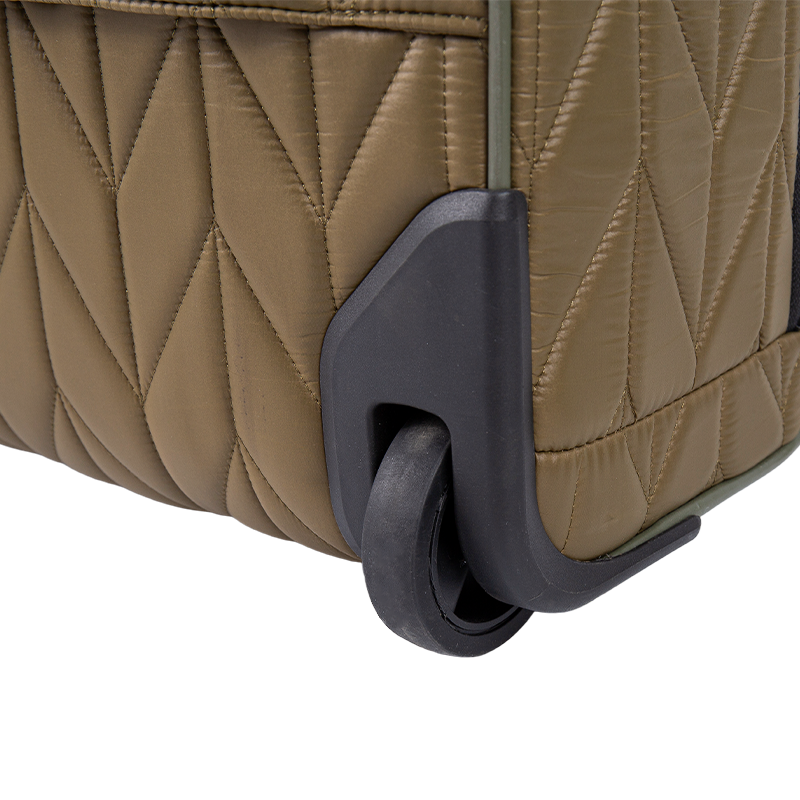 V-Shaped Quilted Parachute Nylon Luggage SetA four-piece travel set in fine quilted parachute nylon, sized from a 21-inch carry-on to a 32-inch large suitcase plus a rolling seat bag. Its lightweight yet snag-resistant fabric shell illustrates why soft-shell luggage suits travelers who value easy lifting and compact storage.View Product →
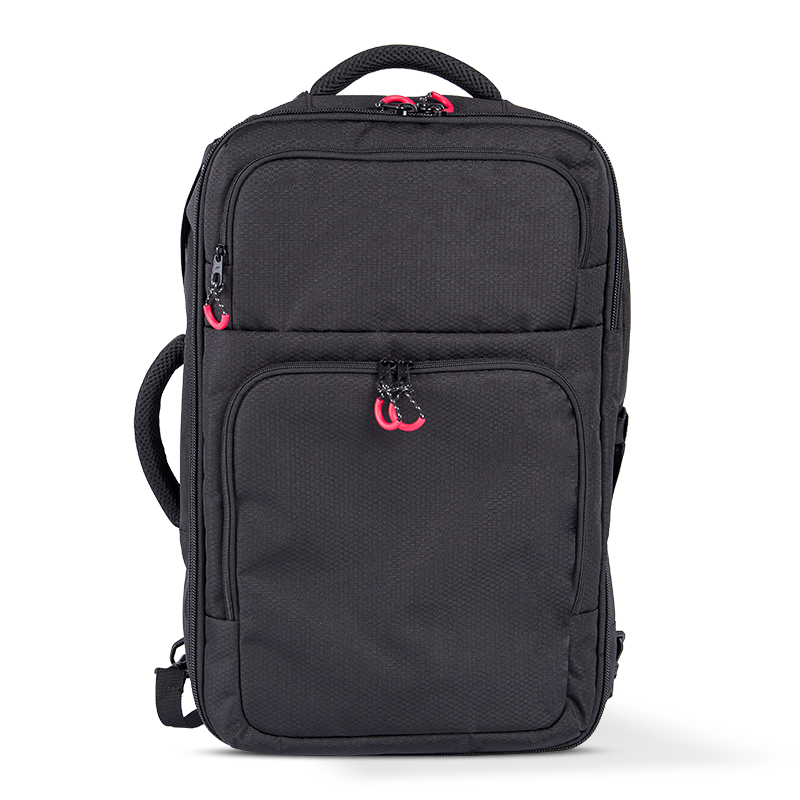
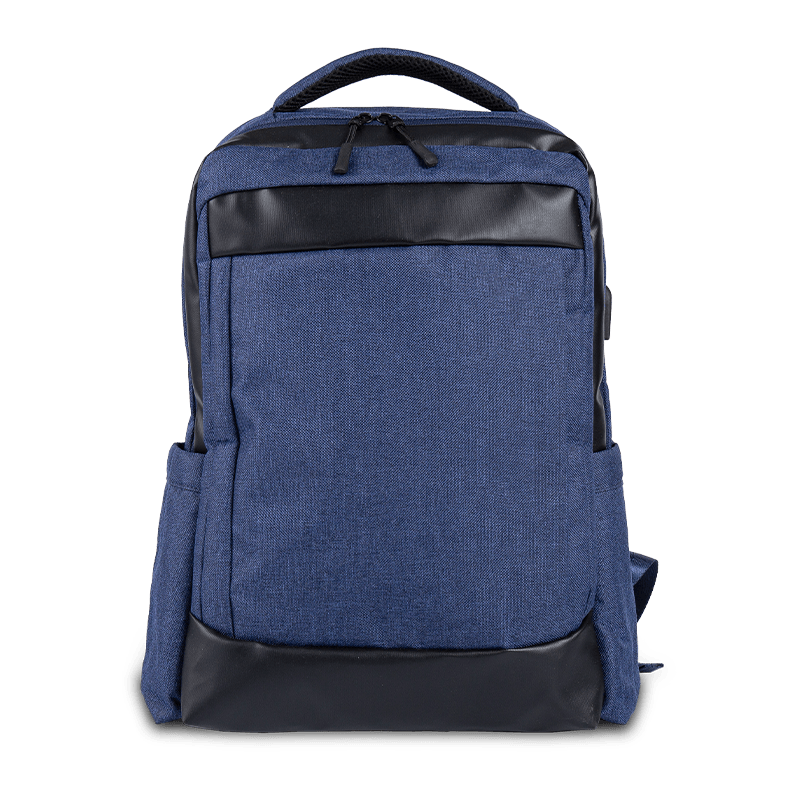
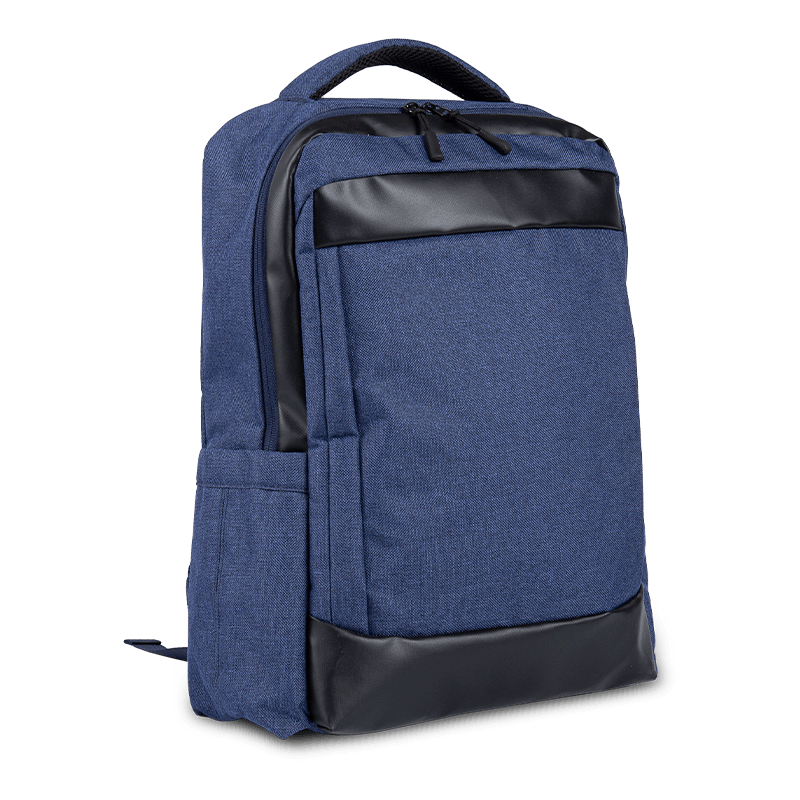
Coated nylon in the 600D class is the commuter workhorse tier. The fabric is thick enough to resist desk corners and transit crush, light enough for daily carry, and it takes a customized logo cleanly, which is why it dominates corporate and wholesale orders.
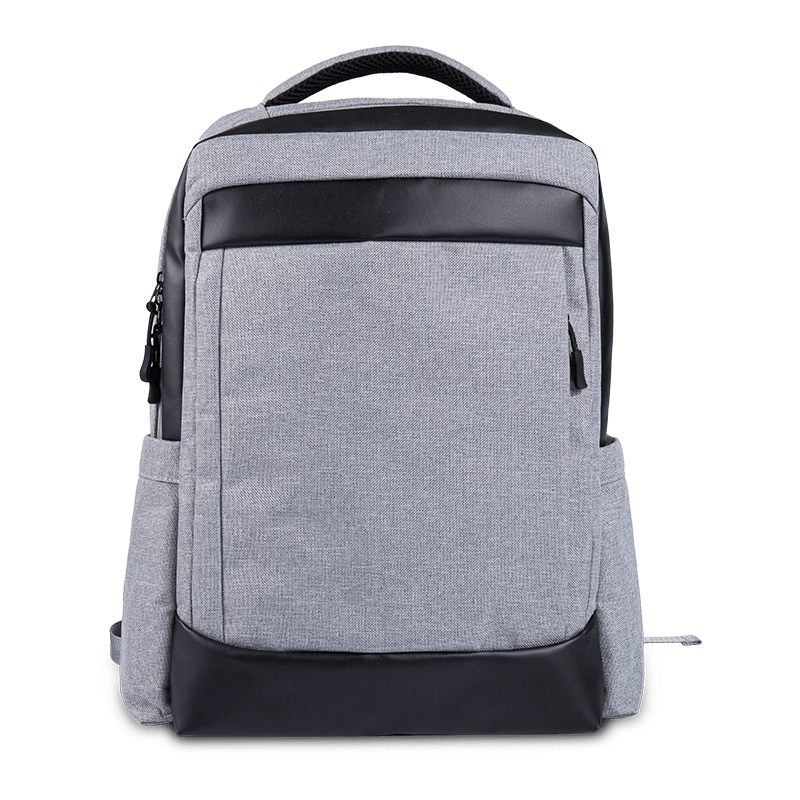
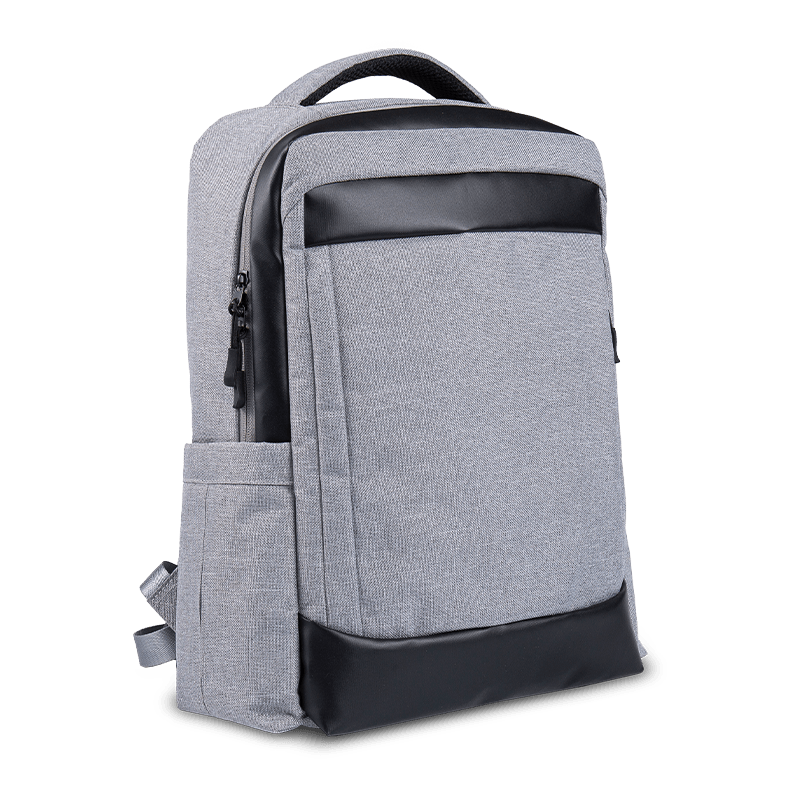
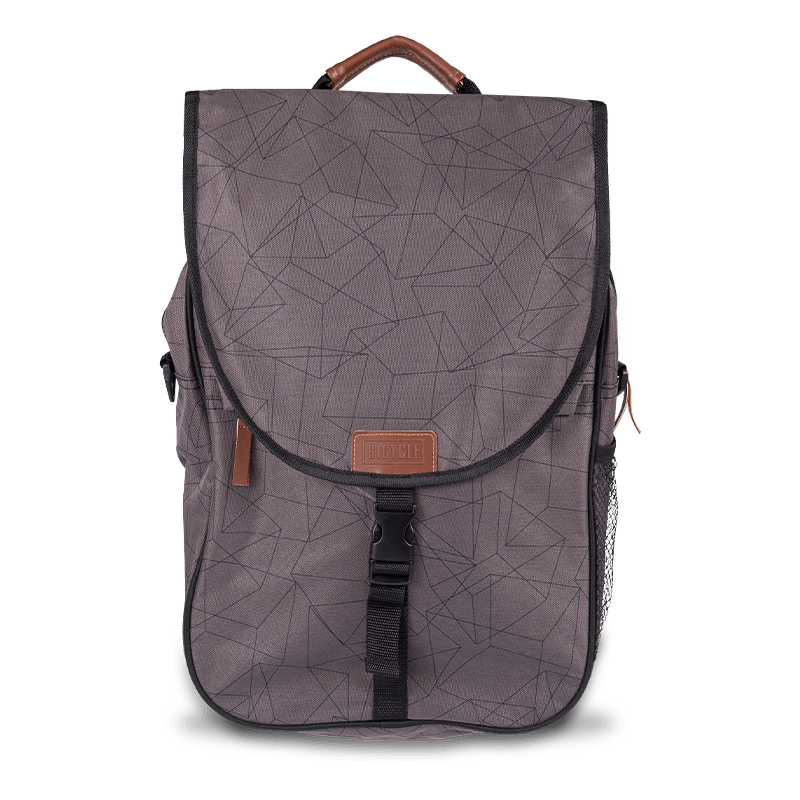
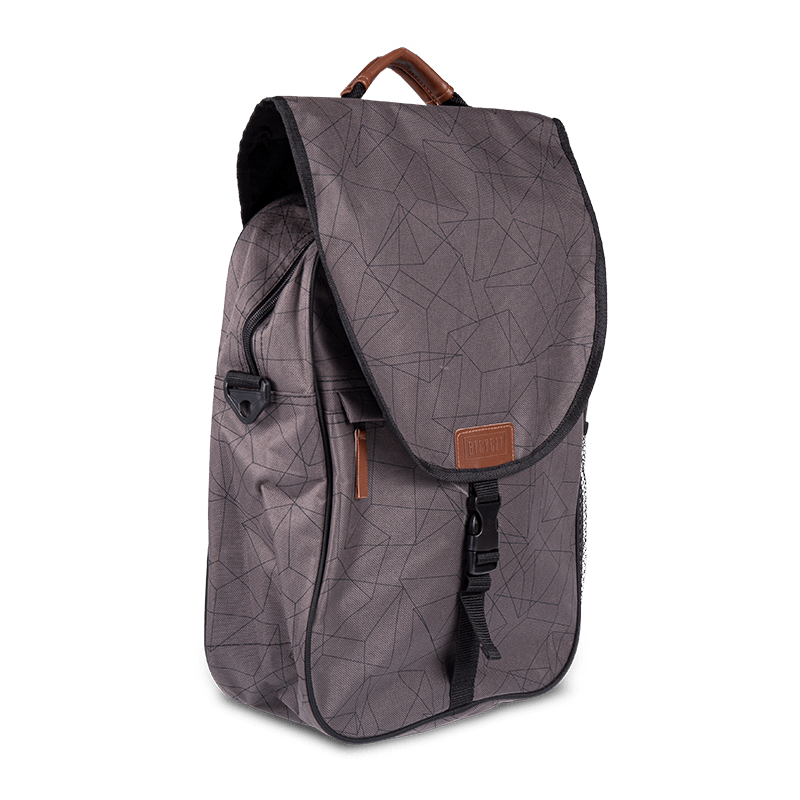
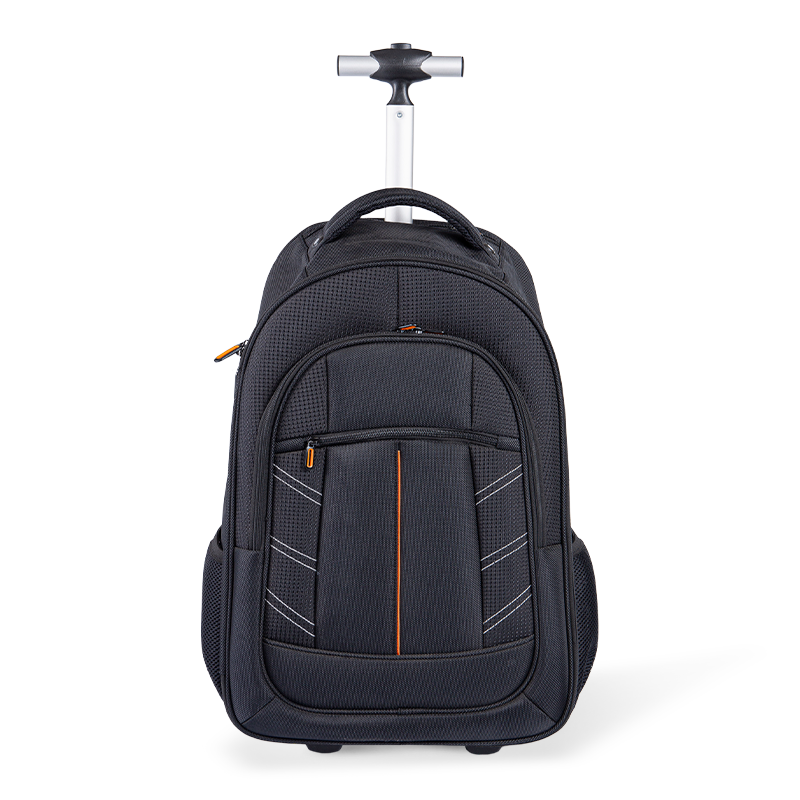
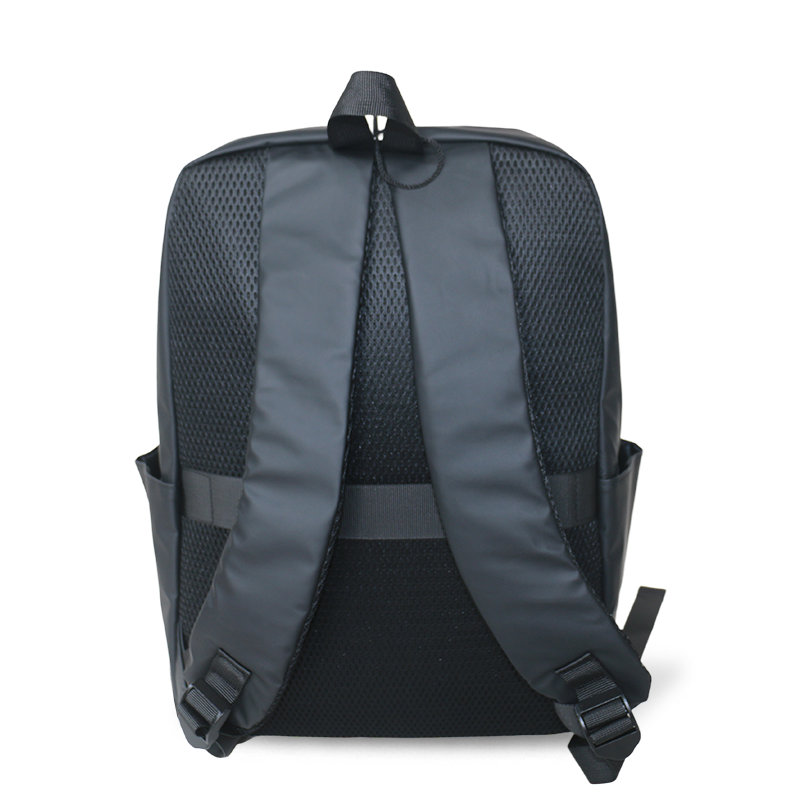 Waterproof Nylon Business Laptop BackpackA large-capacity laptop backpack made from coated nylon fabric, built for office and work commutes with waterproof, lightweight protection. It fits here as a representative of the 600D commuter tier that balances daily durability with clean branding surfaces.View Product →
At the lightest end, thin nylon turns a waist bag or crossbody into something you barely notice you are wearing, often under 200 grams, while still shrugging off showers and daily abrasion better than canvas of the same weight.
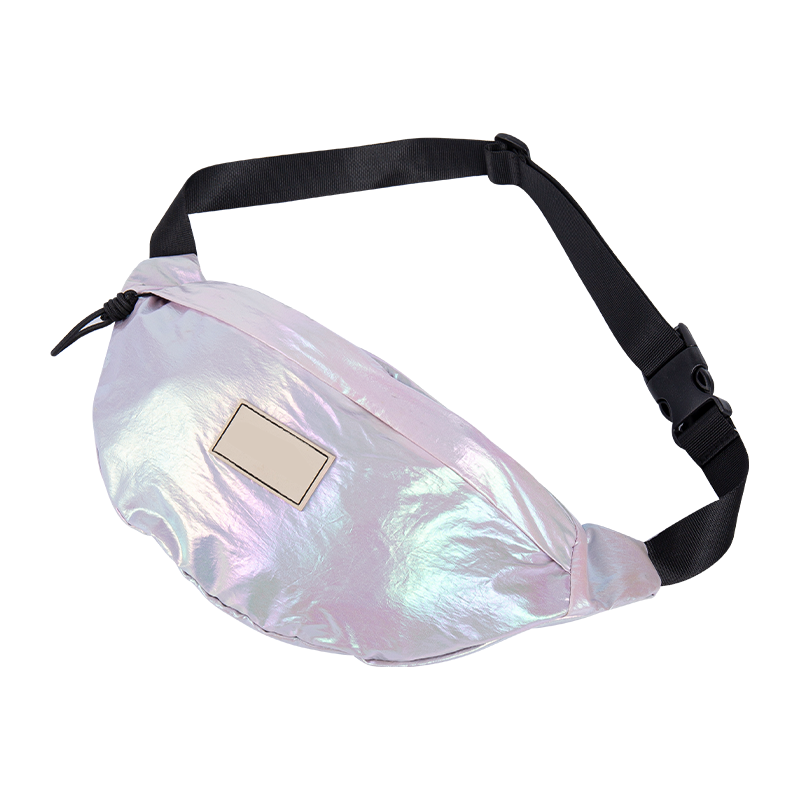 Lightweight Nylon Crossbody Waist BagWeighing just 0.55 lbs, this nylon bag converts between crossbody and waist styles with an adjustable strap, multiple zip pockets, and a wipe-clean finish. It shows how thin nylon keeps everyday carry under noticeable weight while resisting rain and abrasion.View Product →
Caring for Nylon So It Lasts for Years
Nylon is low-maintenance, but five habits extend its life dramatically:
- Hand wash in lukewarm water with mild soap; machine wash only on a gentle cycle inside a mesh bag, and only if the care label allows it.
- Skip bleach and strong solvents; they yellow the fiber and strip coatings.
- Air dry in the shade, never on high heat or next to a radiator, because nylon softens and can glaze when overheated.
- Reapply a water-repellent spray when water stops beading on the surface, typically once a season for outdoor gear.
- Store the bag clean, dry, and out of direct sunlight, since UV light drives long-term fading and fiber weakening.
Follow that routine and a quality nylon pack commonly outlives several cheaper bags, which matters more than any single spec on a hangtag.
Is Nylon Sustainable?
An honest answer starts with the drawbacks: conventional nylon is energy-intensive and petrochemical-based, so its footprint begins high. Two factors improve the picture. First, Nylon 6 can be chemically recycled, meaning it is depolymerized back to its starting molecule and rebuilt into fresh yarn, and recycled nylon is now widely available for textiles. Second, durability is itself an environmental feature: a backpack that serves for ten years replaces several short-lived alternatives. That is also why many manufacturers, ours included, run recycled polyester (RPET) lines alongside nylon, letting buyers balance maximum durability against recycled content for each application.
The practical takeaway: treat nylon on a spec sheet as a promise of strength at low weight, then verify three things. Check denier for the load you will carry, weave type for snag and tear behavior, and coating for the weather you will face. Get those right and the fiber will quietly do its job for years. As a manufacturer that has been cutting and sewing nylon, polyester, and blended shells for more than three decades, we can confirm that the fundamentals above are the same ones our production team checks on every new style.